
12 Uses for Honey Everyone Should Know

This post may contain affiliate links. Read my full disclosure here.
I’m lucky enough to be able to purchase raw honey in bulk from a local apiary, so we always have it stocked. The many uses of honey include health benefits, home remedies, food preservation, and more. It even works to treat bee stings! Below I list some of our favorite honey uses that are too good not to share.
Would you like to save this?
Uses of Honey – TOC
- #1 – Cooking, Canning, and Preserving
- #2 – Wound Care
- #3 – Cough Remedy
- #4 – Seasonal Allergy Treatment
- #5 – Skincare
- #6 – Hair Conditioner
- #7 – Immune System Booster
- #8 – Sore Muscle Relief
- #9 – Digestive Aid
- #10 – Aid for Weight Loss (When Used Strategically)
- #11 – Blood Sugar Regulation (in Controlled Amounts)
- #12 – Bee Sting Relief
#1 – Cooking, Canning, and Preserving
When using honey for sweetening in recipes, you need about half as much honey as sugar. Honey has an amazing shelf life – they’ve found containers of it in the pyramids that were still edible. It’s also great for helping you to preserve other foods.
To make honey syrups for canning fresh fruits or dipping fruits before dehydrating, use:
- 1 1/2 cups honey to 4 cups water for Light (less sweet) syrup
- 2 cups honey to 4 cups water for Medium (moderately sweet) syrup
Remember, honey may darken fruits a little, and will give a different flavor than processed sugars. Choose a lighter honey for a less pronounced flavor difference.
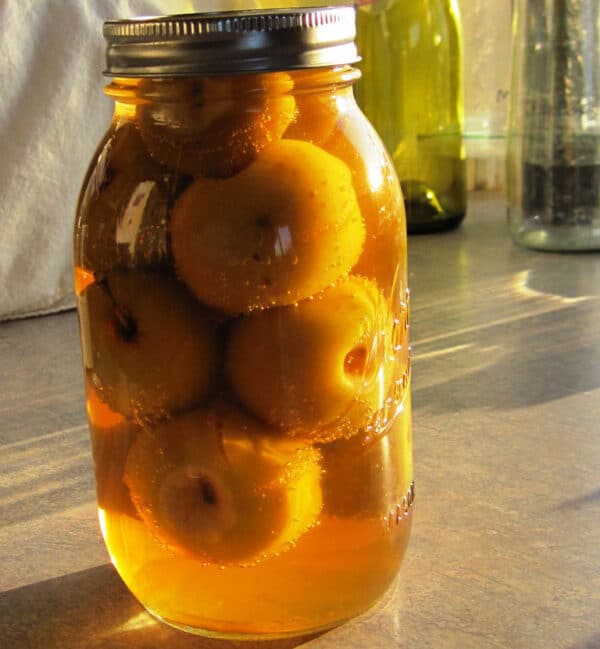
Fruits dipped in honey syrup before dehydrating will be more like candy, with a sticky surface. You can use these syrups for preserving fruits, such as canned peaches. Many of our low sugar jams, jellies and spreads also substitute honey for sugar. You can also infuse herbs in honey.
Related Articles
- Honey Mead – this recipe is so easy and good!
- Honey Sweetened Lemonade
- How to Store Honey Long Term
- Honey Caramel Corn
- Honey Cinnamon Crab Apples
- No-Bake Chocolate Peanut Butter Bars (Honey Sweetened)
- Homemade Pickle Relish Sweetened with Honey
#2 – Wound Care
Studies show that honey helps prevent infections and speed healing. Honey promotes healing in several ways.
Honey is acidic, which creates an inhospitable environment for bacteria. It is hygroscopic, which means it absorbs and holds moisture. This drying effect kills microbes, and helps to reduce fluid build up and inflammation.
Finally, honey is a source of hydrogen peroxide, which is a well-known antiseptic. It’s less concentrated than commercial hydrogen peroxide, and will not harm tissues.
Manuka honey has a high concentration of methylglyoxal (MGO), a natural compound with powerful antibacterial properties. It’s recommended for wound care, but all real honey works well.
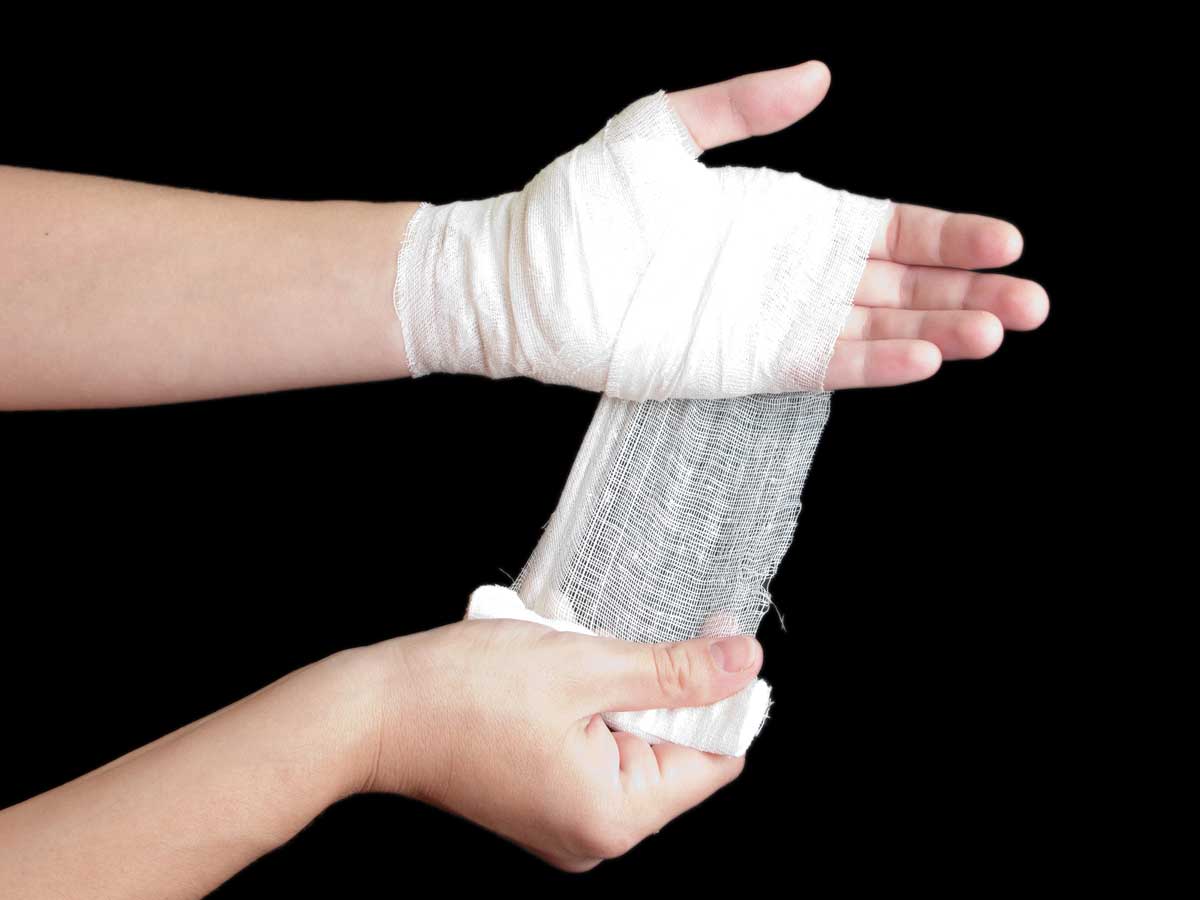
Some years ago, my husband got a nasty burn after placing his hand on the hot manifold of the garden tiller. We used honey on the wound. There was a large blister at the base of his thumb, covering about a third of his palm.
We initially treated with plantain and lavender infused oil to reduce the pain. Then, we coated the wound in honey. The difference after honey treatment was amazing. It flattened the blister, and was dry when he unwrapped it, not sticky.
With repeated honey applications, the skin healed beautifully with no scarring. You can read more about how to use honey for wound care in the post “Honey as Medicine “.
#3 – Cough Remedy
My younger son was a preemie (one month early). When he was a little peanut, he would always get stuck with coughing and sinus drainage during cold and flu season. Nighttime was the worst, because a random coughing fit could end with him throwing up all over his bed.
We tried over the counter cough medicine once. It came right up again. Enter frantic internet search, and the realization that the cough remedy we needed was right in the cupboard – honey.
For extra cough control, we mix honey and cinnamon, as detailed in the Home Remedies for Cough article. You can also pair it with ginger to make soothing ginger honey, or make honeyed cough drops.
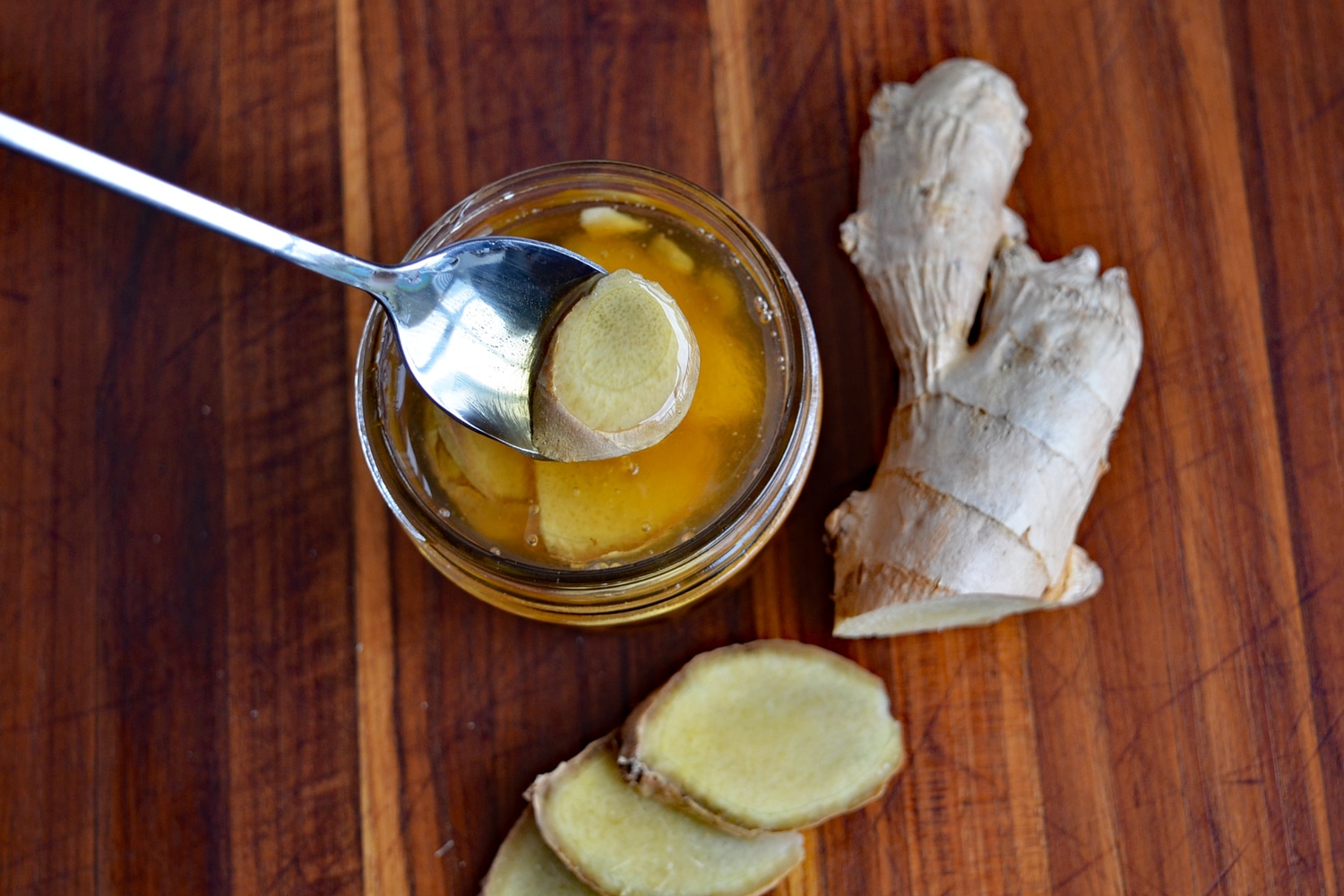
Thankfully, he grew out of throwing up in the middle of the night. But if one of us starts to get a sore throat or cough tickle, we reach for a spoonful of honey.
If we need a general immune booster along with cough care, we’ll try homemade elderberry syrup. (It’s easy to make, and doesn’t have all the additives like most store brands.) If we need some heavy duty help, I turn to these Cold and Cough Care remedies.
#4 – Seasonal Allergy Treatment
Raw local honey contains all the flowery, polleny goodness from the area where it was gathered. Regular doses of this honey often help with seasonal allergies. Depending on the severity of the allergies (and your sweet tolerance), you may try one to three doses per day. Use 1 teaspoon to 1 tablespoon per dose.
Eating bee pollen or chewing on a honeycomb are also commonly recommended. For more seasonal allergy remedies, visit “15 Home Remedies for Seasonal Allergies“.
#5 – Skincare
From exfoliating to lip balm, honey cleans and protects, leaving skin smooth and soft. It acts as a natural humectant, drawing moisture into the skin. You can use raw honey for a simple facial mask.
Wash with warm water to open pores, and smooth the honey over your face, avoiding the eye area. Leave for 15 – 30 minutes. Wash off with a soft cloth. For a more substantial mask, try the following recipe.
Honey Oatmeal Mask
Adapted from The Book of Honey
Ingredients
- 1 cup oatmeal
- 1 tablespoon honey
- 1 teaspoon rosewater or distilled water
Directions
Blend the oatmeal and honey. Add rosewater or water. Mix until well blended. Wash face and apply as directed for basic honey mask.
#6 – Hair Conditioner
Honey is a humectant—it draws moisture into the hair and helps lock it in. It also has antimicrobial properties that support scalp health, which is key for strong, shiny hair.
How to use:
- Mix 1 tablespoon of honey with 2 tablespoons of coconut or olive oil.
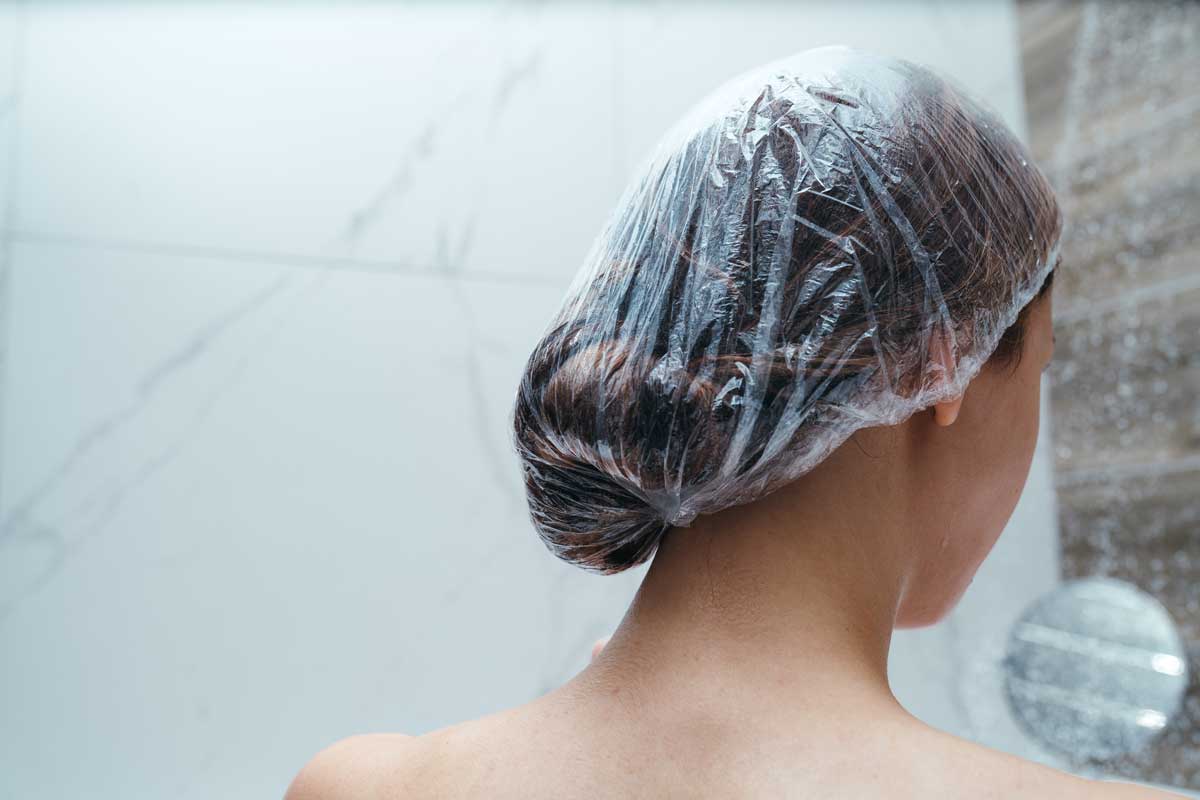
- Apply to damp hair, focusing on ends. Cover with a shower cap.
- Leave on for 20–30 minutes, then wash out with shampoo.
For extra dry or damaged hair, add 1 mashed banana or a tablespoon of aloe vera gel to the mix.
#7 – Immune System Booster
Raw, unfiltered honey contains antioxidants, enzymes, and phytonutrients that can strengthen the immune system. It also has antibacterial and antiviral properties, especially in varieties like Manuka, buckwheat, and wildflower honey.
How to use:
- Add to herbal teas like echinacea, elderberry, or ginger during cold/flu season for a double immune boost.
- Take 1 teaspoon of honey daily straight off the spoon.
- Mix with warm (not hot) water and a splash of lemon juice for a morning tonic.
Always use raw, unpasteurized honey to preserve its healthful compounds.
#8 – Sore Muscle Relief
Honey helps muscles recover due to its natural sugars and its ability to reduce inflammation. When combined with apple cider vinegar, which contains potassium and acetic acid, it helps flush lactic acid buildup and reduce soreness.
How to use:
- Mix 1 tablespoon of honey with 1 tablespoon of apple cider vinegar in a glass of warm water. Drink after a workout.
- For more muscle relief, add a pinch of sea salt and a slice of fresh ginger to the mix.
This drink also helps restore electrolytes and can ease joint pain in those with arthritis.
#9 – Digestive Aid
Honey helps coat and soothe the digestive tract, making it useful for mild acid reflux, gastritis, or upset stomach. It also contains prebiotics that feed Lactobacillus and Bifidobacterium—beneficial gut bacteria.
How to use:
- Mix 1 teaspoon of honey in warm water or chamomile tea and sip slowly before meals.
- Take it with a pinch of cinnamon to reduce bloating and promote digestion.
- Combine with ginger for nausea relief or morning sickness.
#10 – Aid for Weight Loss (When Used Strategically)
Honey is metabolized more slowly than refined sugar and contains trace nutrients and enzymes. When used in moderation, it can help reduce sugar cravings and support metabolism.
How to use:
- Drink a mixture of 1 teaspoon raw honey, juice of half a lemon, and warm water first thing in the morning. This jump-starts digestion and gently detoxifies the liver.
- Replace processed sweeteners in tea, coffee, or recipes with small amounts of honey to curb sugar intake.
- Use before workouts for a pre-exercise energy boost that can help increase calorie burn.
#11 – Blood Sugar Regulation (in Controlled Amounts)
Honey has a lower glycemic index (GI) than refined table sugar, meaning it doesn’t spike blood sugar levels as sharply. Some studies show that raw honey can improve insulin sensitivity and help regulate blood sugar when used moderately.
How to use:
- Replace high-GI sweeteners with raw or Manuka honey in small, controlled doses.
- Use as a sweetener for oatmeal, herbal tea, or Greek yogurt—foods that naturally balance blood sugar.
- Mix 1 tsp honey with 1 tsp apple cider vinegar in water before meals to slow carbohydrate absorption.
Always consult with a healthcare provider if you have insulin resistance or diabetes. Honey still raises blood sugar and must be used with caution.
#12 – Bee Sting Relief
Ironically, honey itself is one of the best natural remedies for a bee sting. Its antibacterial, anti-inflammatory, and soothing properties reduce swelling, pain, and the risk of infection at the sting site.
How to use:
- After removing the stinger and cleaning the area, apply a thin layer of raw honey directly to the sting.
- Cover with a bandage and let it sit for 20–30 minutes.
- Rinse with cool water and reapply as needed to reduce swelling and itching.
Combine honey with a drop of lavender essential oil for added anti-inflammatory effects. Learn more about using honey for bee stings.
We’ve barely scratched the surface of uses for honey, but these are our “go to” uses. (Traditionally, honey is used in the treatment of eye diseases, bronchial asthma, throat infections, tuberculosis, thirst, hiccups, fatigue, dizziness, hepatitis, constipation, worm infestation, piles, eczema, healing of ulcers, and more!)
How do you use honey? Leave a comment below to share your thoughts.

This article is written by Laurie Neverman. Laurie is a lifelong learner with a passion for natural remedies and holistic healing. She’s successfully improved her eyesight and cleared her psoriasis.
Originally published in 2014, last updated in 2025.
I use Manuka honey with a little water to clean my face.
It really help me in my projects. Thanks
I was very interested in Laurie Nevermans comment about honey helping one sleep through the night. I have horrible insomnia, even taking Trazadone I still wake up around 3:30 every morning! I started drinking Golden Milk before bedtime ! Warm on the stove (NOT microwave, and NOT hot) . Remove from stove, pour into a mug, add 1/2 tsp. EACH of Turmeric ( a spice found in the grocery store /health food store ) , cinnamon, and black pepper. Stir in 1-2 tsp honey depending on how sweet you like it. Drink warm. It took about a week before i started sleeping through the night .Google “Golden Milk ” for the amazing benefits of Turmeric and honey too ! I haven’t slept this well in 20 years !
I’ve heard of golden milk, but haven’t tried it yet. It’s a good anti-inflammatory brew.
No one has mentioned one of the best uses of honey: chronic bedwetting!
About 25 years ago, we saw that hint in a letter to Mother Earth News. Our grade school son had been dealing with this problem. A couple of our older children had previously suffered from this, so my husband and I were used to it, accepted it as a fact of life that would eventually correct itself. But our 9 y.o. son, anxious to participate in sleepovers and camp-outs with friends (this was before Pull-Ups came out) was anxious to try anything.
Following the directions, we gave him a tablespoon of local raw honey before bed. That night he slept dry. So we continued with the honey, and the dry nights continued as well. When the night came that we forgot the honey, he was dry that night too. He never had another issue with this.
The explanation I found was related to the density of molecules in honey, which draws fluid to itself. Whatever the mechanism, we were pleased, and our son was overjoyed!
That’s interesting. I’ve never heard of that. Another mechanism by which that might work is that the honey keeps the blood sugar from dropping in the middle of the night. I know many adults wake up in the middle of the night to go to the bathroom because when your blood sugar drops, your body flushes out urine in an attempt to stabilize blood sugar levels. No blood sugar drop, no need to pee when you’d rather be sleeping.
Where is the honey in the “Honey” lip balm?
I went back and double checked the original recipe, and strangely enough their description says it uses honey and beeswax, but the recipe itself does not list the honey. Based on other similar recipes I’ve seen, 3/4 teaspoon of honey should work well without unbalancing the mix.