
Natural Allergy Relief for Seasonal Allergies

This post may contain affiliate links. Read my full disclosure here.
Looking for natural allergy relief when pollen starts flying? These simple home remedies can help reduce exposure to allergens, clear irritated nasal passages, and ease common allergy symptoms such as a runny nose, congestion, sneezing, and itchy eyes.
Seasonal allergies, also called hay fever or allergic rhinitis, happen when the immune system overreacts to substances such as pollen, mold spores, dust mites, or pet dander. The resulting release of histamine and other inflammatory compounds causes the familiar itching, dripping, sneezing, and stuffiness.
Would you like to save this?
Table of Contents
Natural Allergy Relief via Reducing Exposure and Home Remedies
Thankfully, there are several simple ways to reduce your exposure and ease symptoms. Our goal is to calm down the immune response and promote better breathing.
1. Rinse Your Nose with Saline
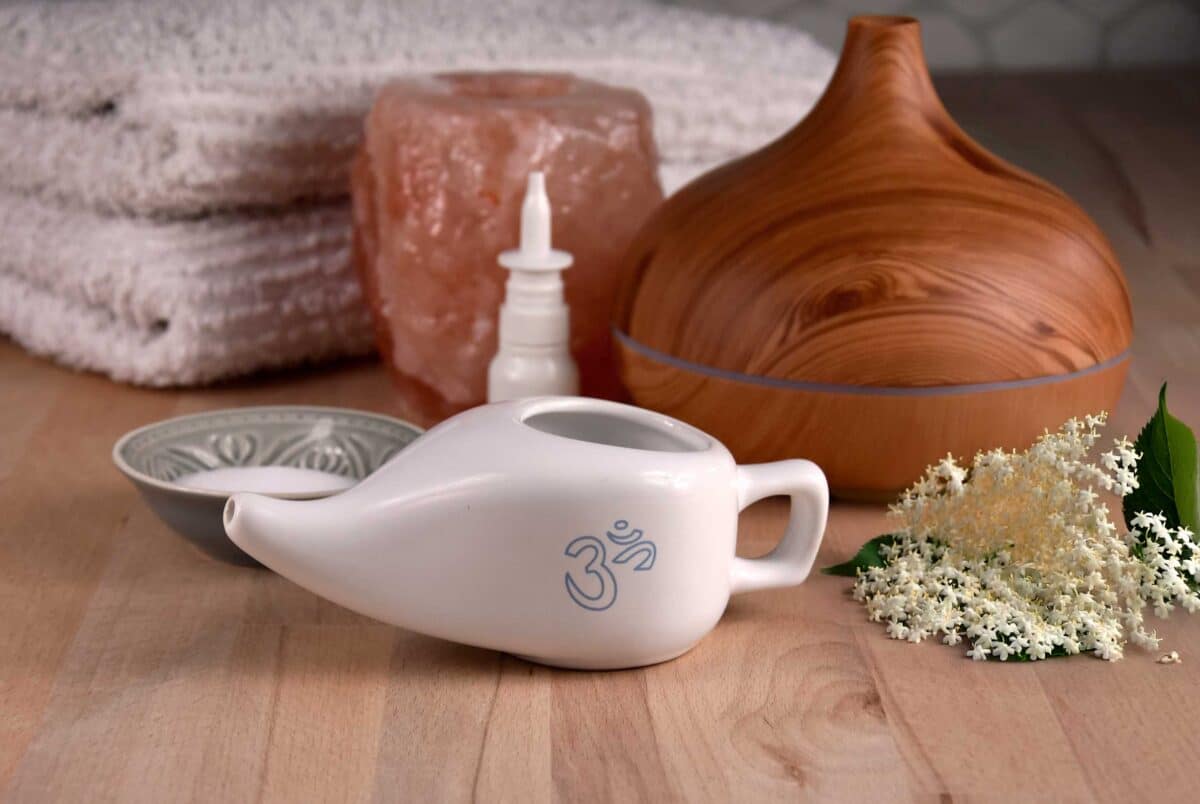
A neti pot, squeeze bottle, or other nasal irrigation system is one of the simplest options for natural allergy relief. Saline nasal rinses wash pollen, dust, mucus, and other irritants out of the nasal passages. Research suggests they can reduce symptoms of allergic rhinitis.
Use a rinse after gardening, mowing, or spending significant time outside during allergy season. This doesn’t work if you have a deviated septum (like my husband). The water flows in, but doesn’t flow back out very well.
Important: Never use untreated tap water for nasal irrigation. Use distilled or sterile water, or water that has been boiled and cooled. Clean and dry the device after use.
2. Keep Pollen Outside
Reducing exposure is often easier than trying to calm an allergic reaction after it starts.
During allergy season:
- Check the local pollen count before spending long periods outdoors.
- Change clothes after gardening or mowing.
- Wash your face and hands when you come inside.
- Rinse pollen from your hair before bed after heavy exposure.
- Avoid line-drying bedding when pollen counts are high.
- Keep windows closed on especially bad pollen days.
If pets spend time outside, their fur may also carry pollen into the house. A quick wipe-down can help.
3. Reduce Indoor Allergens
Not all allergy triggers come from outside. Dust mites, pet dander, mold, and household dust can contribute to year-round symptoms.
Vacuum regularly, damp mop hard floors, and consider a HEPA air cleaner in the rooms where you spend the most time. Wash bedding regularly and keep indoor humidity under control. Excess humidity encourages both dust mites and mold.
If you’re allergic to pets, keeping them out of the bedroom may reduce nighttime exposure. We keep the cats out of beds, and cover the couch with blankets that get washed regularly.
4. Try Stinging Nettle
Stinging nettle (Urtica dioica) has a long history of use for seasonal allergy symptoms. It contains plant compounds that may help with reducing inflammation, although clinical research is still limited.
Try nettle as tea, tincture, or capsules as an allergy treatment. If you’re harvesting your own, remember that they’re called “stinging” nettles for a reason. Gloves are your friend.
5. Goldenrod and Elderflower
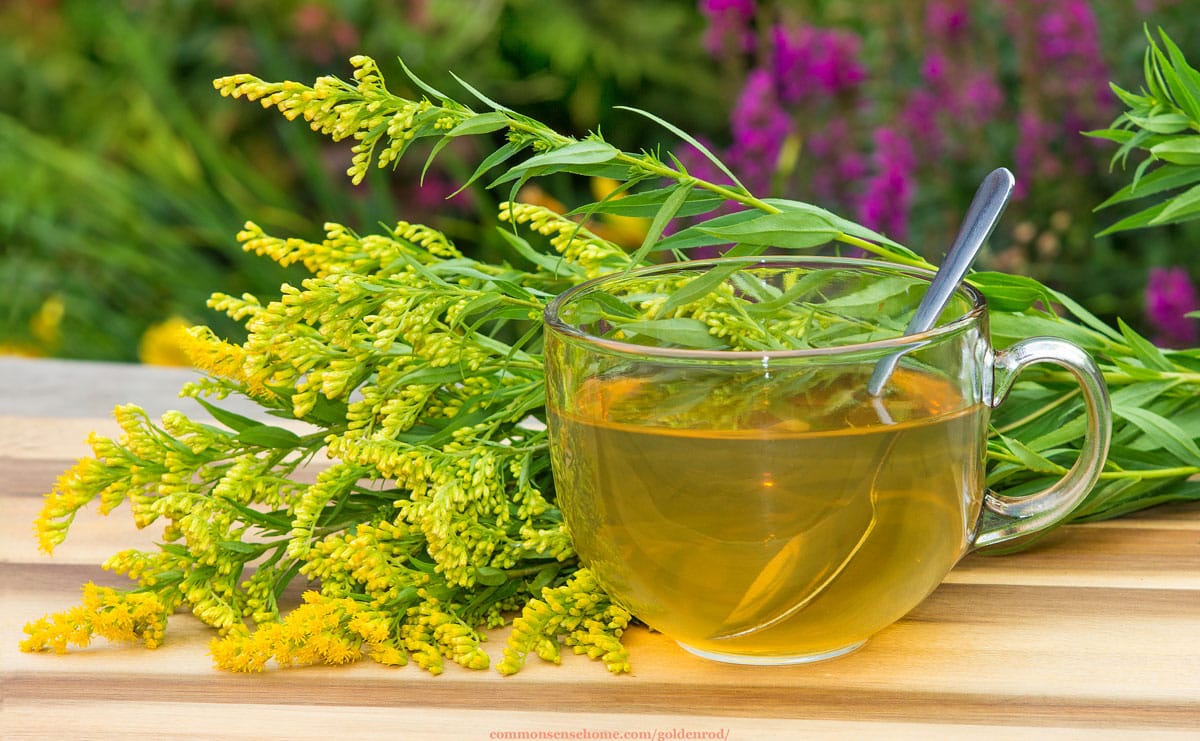
Elderflower and goldenrod are two traditional herbs for upper respiratory complaints. Elderflower is commonly used in teas to soothe irritated respiratory tissues, while goldenrod has traditionally been used when congestion and excess mucus are part of the problem.
Despite its reputation, goldenrod is generally not the cause of fall hay fever. Ragweed blooms around the same time and releases large amounts of windborne pollen, making it the more likely culprit. Nettle, elderflower, and goldenrod also work well together in herbal tea.
6. Eat for a Healthy Allergy Response
Instead of chasing individual supplements, start with nutrient-dense whole foods that support normal immune function and a balanced inflammatory response.
- Quercetin-Rich Foods – Quercetin is a plant flavonoid that may influence histamine release and inflammatory pathways. Good sources include onions, apples, berries, grapes, broccoli, leafy greens, and parsley.
- Vitamin C – Vitamin C supports immune function and participates in pathways involved in histamine metabolism. Good food sources include bell peppers, citrus, strawberries, broccoli, kiwi, and fresh fermented vegetables.
- Omega-3 Fats – Omega-3 fatty acids help support a balanced inflammatory response. Sources include sardines, salmon and other fatty fish, flaxseed, chia seeds, and walnuts.
- Herbs and Spices – Garlic, onions, ginger, turmeric, horseradish, hot peppers, and mustard provide a variety of antioxidant and anti-inflammatory plant compounds. Spicy foods may also temporarily loosen mucus and get your nose running—which can feel pretty good when you’re stuffed up.

7. Support Your Gut
The gut microbiome and immune system are closely connected. Some research suggests certain probiotic strains may improve nasal symptoms or quality of life in people with allergic rhinitis, although results vary widely.
Fermented foods are an easy way to introduce beneficial microbes and their metabolites into the diet. Try yogurt, kefir, sauerkraut, kimchi, or other fermented vegetables.
8. Stay Hydrated
It’s simple, but don’t overlook water. Staying hydrated helps keep mucus secretions thinner and irritated tissues moist. Water-rich fruits and vegetables, soups, broths, and herbal teas all contribute to fluid intake.
Warm nettle, elderflower, or ginger tea provides hydration along with other potentially helpful plant compounds. See Best Ways to Stay Hydrated Naturally for more ideas.


Other Questions About Natural Allergy Relief
There are a number of other recommendations that make the rounds for allergy relief. We’ll take a closer look.
What About Local Honey?
Local raw honey is one of the most popular home remedies for seasonal allergies. The theory is that consuming small amounts of local pollen may gradually make your immune system less reactive.
Most seasonal allergies are caused by wind-pollinated trees, grasses, and weeds, while bees tend to visit insect-pollinated plants. The pollen in honey therefore isn’t necessarily the pollen that’s making you sneeze.
That said, I have several friends who swear by it. Honey is still soothing for a scratchy throat and cough. If local honey seems to help you, there’s little reason not to enjoy it. Note – It’s generally recommended to avoid honey for children less than one year old.
Essential Oils for Seasonal Allergies
Peppermint, eucalyptus, and other aromatic plants may create a cooling sensation that makes breathing feel easier. Try an aromatic shower, or carefully diffused essential oils.
Essential oils don’t stop the underlying allergic reaction. Never put undiluted essential oils in your nose or add them to a neti pot. People with asthma or fragrance sensitivity (like me) may find that essential oils make symptoms worse.
Do You Need to Avoid Dairy or Other Foods?
Probably not, but it makes sense to pay attention to what you’re eating. Look for patterns when allergies flare up. For instance, I’ve found that certain processed foods trigger an immediate histamine reaction.
Some people with pollen allergies also experience oral allergy syndrome, where certain raw fruits, vegetables, or nuts cause itching or tingling in the mouth because their proteins resemble pollen proteins.
When Home Remedies Aren’t Enough
For severe or persistent allergies, testing can help determine whether pollen, dust mites, mold, pet dander, or another allergen is causing the problem. You might also want to try homeopathic allergy remedies, like Boiron AllergyCalm Tablets.
Allergy shots, or allergen immunotherapy, gradually expose the immune system to controlled amounts of specific allergens. Rather than simply controlling symptoms, immunotherapy attempts to change the body’s response to the allergen over time. Like any medication, they may have side effects.
When to Seek Medical Care
Seasonal allergies are uncomfortable, but severe allergic reactions are a different matter. Seek immediate medical attention for difficulty breathing, swelling of the tongue or throat, trouble swallowing, fainting, or other signs of anaphylaxis.
Talk to your healthcare provider if allergy symptoms are persistent, severe, or difficult to distinguish from asthma, infection, or another condition.
This article is for informational purposes only and is not intended to diagnose or treat illness. Natural products can cause allergic reactions and interact with medications. Check with your healthcare provider as appropriate, especially if you are pregnant, nursing, taking medications, or managing a chronic health condition.

This article is written by Laurie Neverman. Laurie is a lifelong learner with a passion for natural remedies and holistic healing. She’s successfully improved her eyesight and cleared her psoriasis.
I try to stay on Colloidal Silver for my allergies. I can tell when I forget it.