
Preserve Peaches 5 Ways, Plus the Easy Way to Peel Peaches

This post may contain affiliate links. Read my full disclosure here.

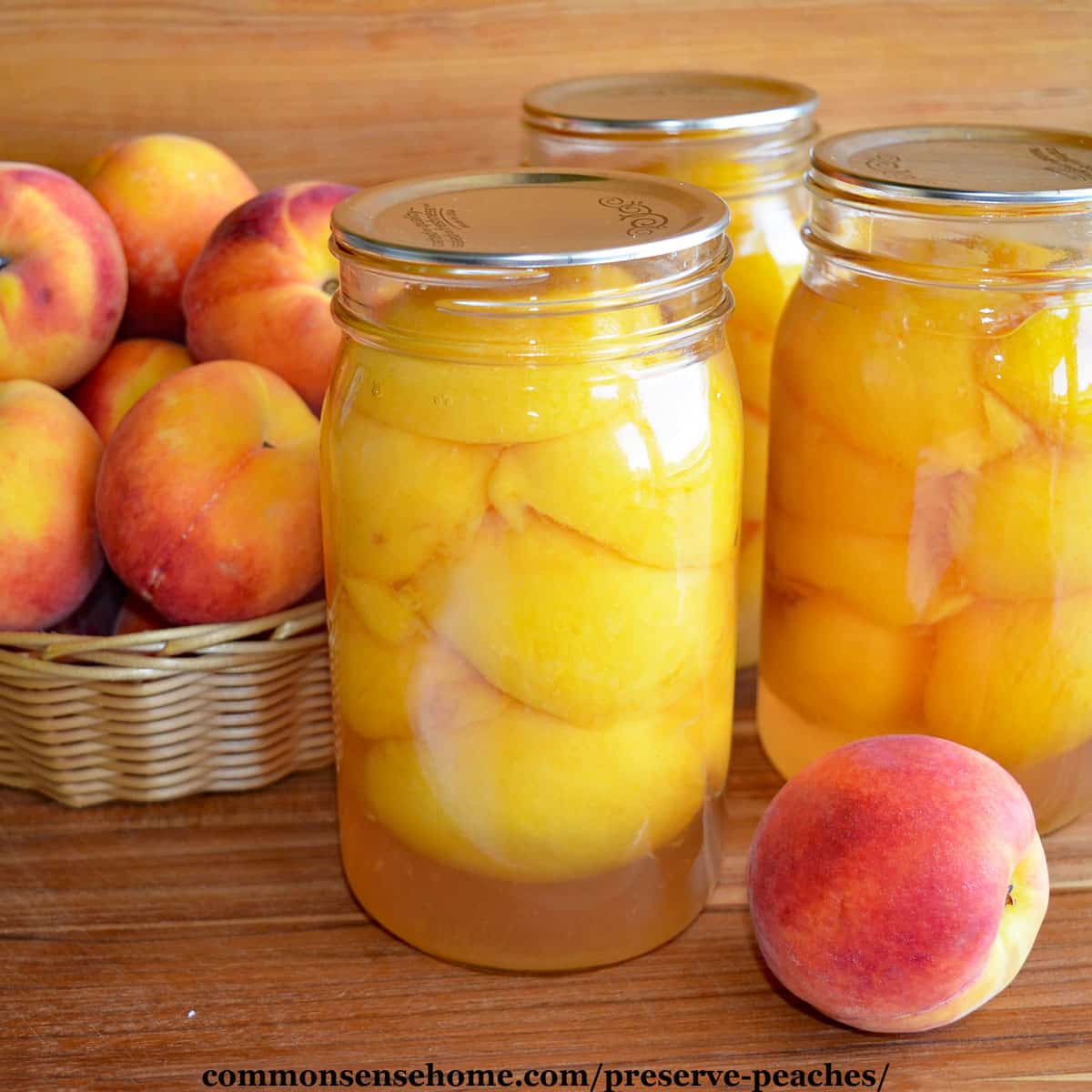
Each year I preserve peaches in a variety of ways, stashing some for us to enjoy and some to use as gifts. In this post I’ll cover the easiest way to peel peaches, as well as canning, dehydrating, freezing, peach jam and freeze drying peaches.
Would you like to save this?
My youngest loves peaches, so we stock up to have peaches all year. We’re still working on trying to get peach trees to survive as part of our permaculture food forest. We’re right at the edge of peach friendly territory, but our place gets a lot of wind, which the trees don’t like very much.
Table of Contents
Which peaches are best for which use?
For canning and freeze drying peaches, use ripe peaches that are still firm. Softer peaches are better for jam or dehydrating. Clingstone peaches (where the flesh sticks to the pit) are easier to use for jam, because it’s tough to get clean slices. White peaches are less acidic, so it’s better to freeze or dry them.
Once the skins are off your peaches, you need to work fast. Even with lemon water or commercial anti-browning products, the clock is ticking as soon as the skins come off.
I prep my preserving equipment before I start peeling. That way, the peaches can go immediately into the canner, dehydrator or freeze dryer as soon as the skins are off.
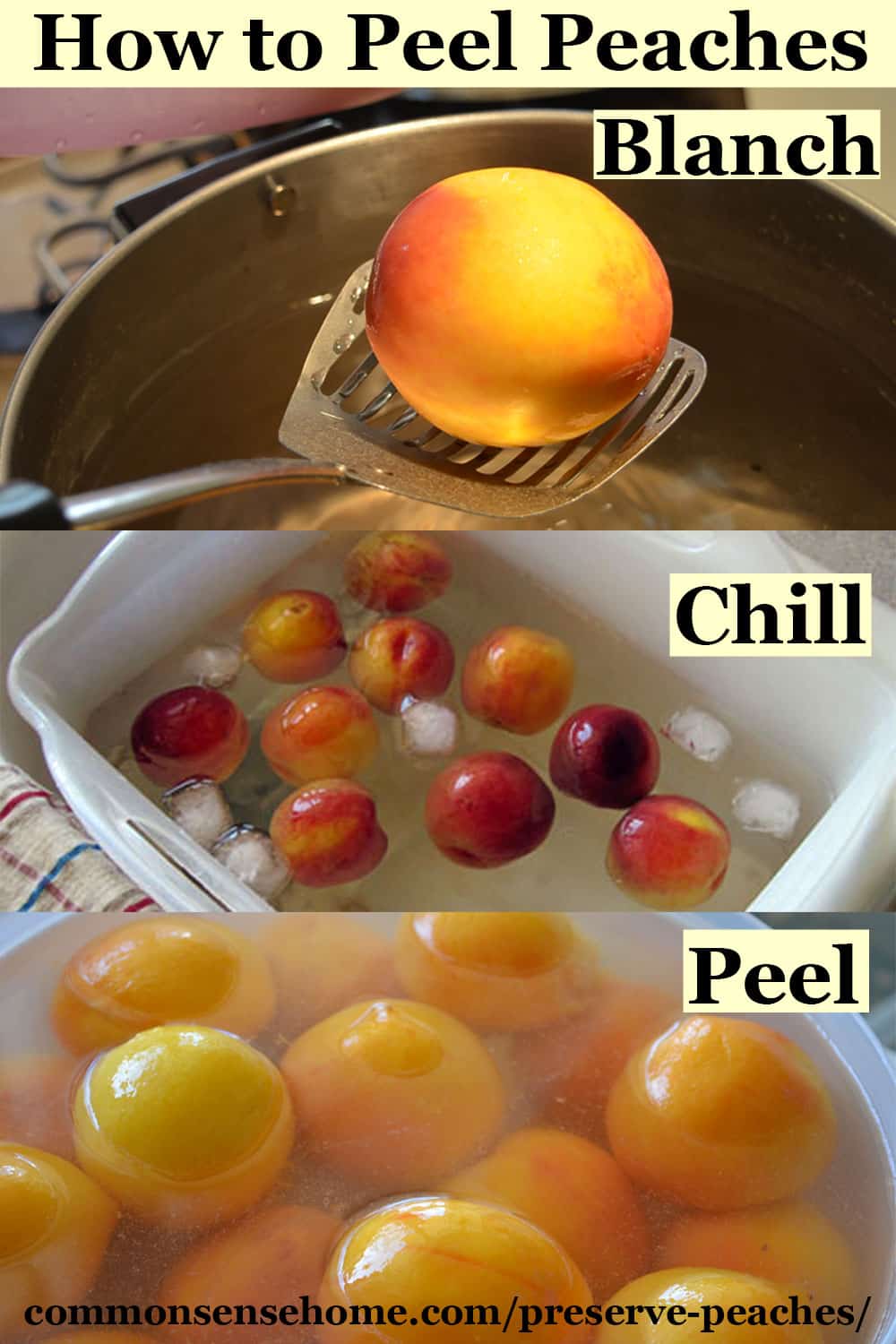
The Easiest Way to Peel Peaches
Before canning, drying or freeze drying peaches, I remove the skins. I highly recommend this step. The skins get really chewy after drying, and strangely slimy after canning. You can use a knife or peeler to remove the skins, but blanching is much easier.
What you need to blanch/peel peaches:
- Large pot of boiling water
- Slotted spoon or other large scoop to remove the peaches from the boiling water
- Bowl to move the peaches from the stove to the cold water
- Large basin of cold water/ice water to stop the blanching
- Peaches
- Large bowl with acidified water for peeled peaches (Adding acid to the water helps to prevent browning. To make acidified water, add roughly 2 tablespoons lemon juice (or 1 teaspoon citric acid) to about one gallon of water)
The Blanching Process:
- Bring water to rolling boil.
- Place 6-8 peaches in water (depending on pot size).
- Keep peaches in boiling water for one minute.
- Remove peaches from boiling water. Place peaches in chilled water until cool enough to handle.
- Slip off skins and place peaches in acidified water.
- Repeat until all peaches are done, then proceed with additional processing.
When blanching, you want to work quickly, so no peach is in too long. Too much time in the pot and they will cook and get soft.
Similarly, once skinned and in the acidified water, they will absorb water and get soft and brown. If you’re processing a lot of peaches, get help if you can, or work in small batches.
I demonstrate how to remove peach skins via blanching in the video below. (Make sure your ad blocker is off for video to display.) Or watch the video on YouTube if it’s not displaying properly.
Put child labor to work peeling peaches if you have lots of peaches.
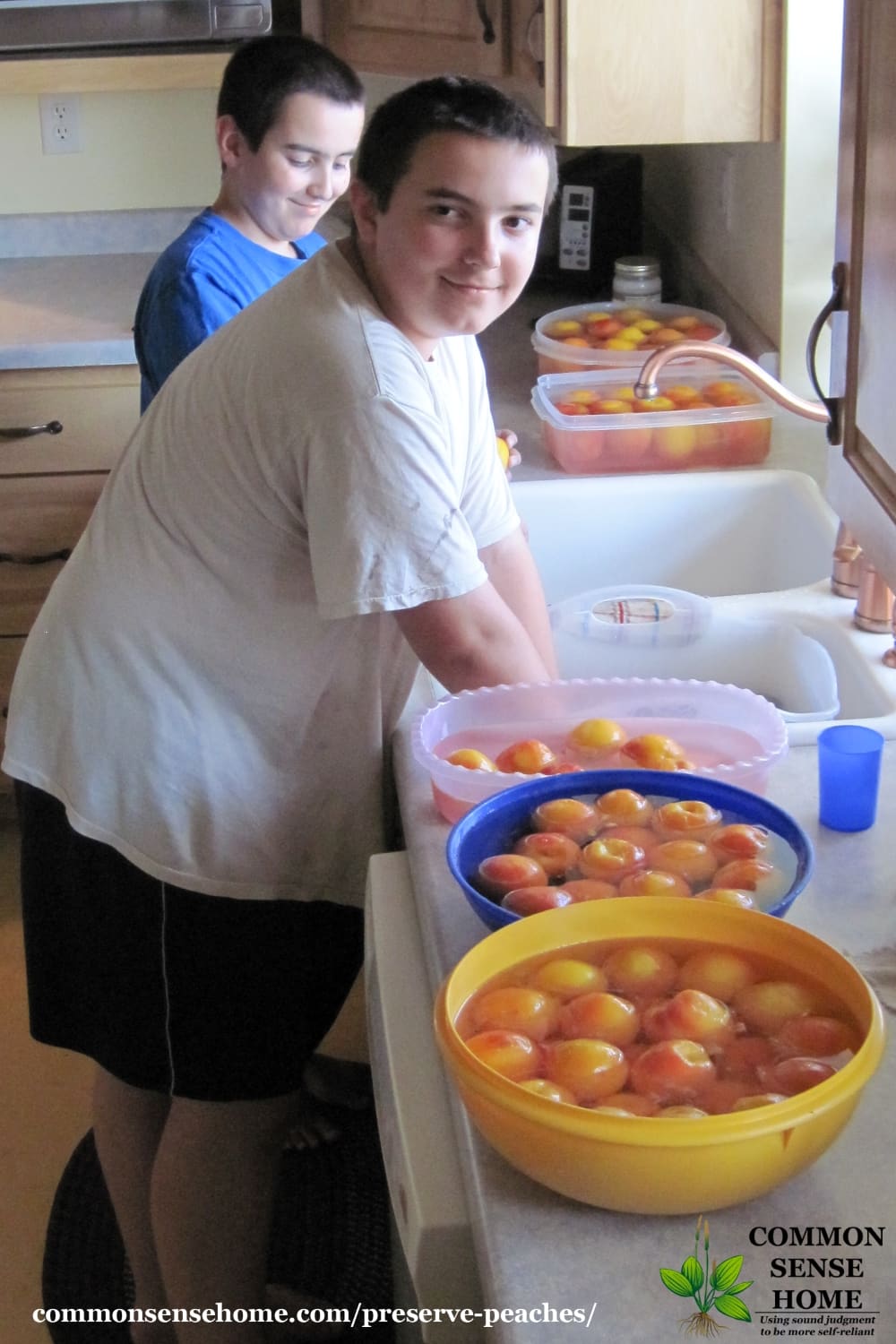
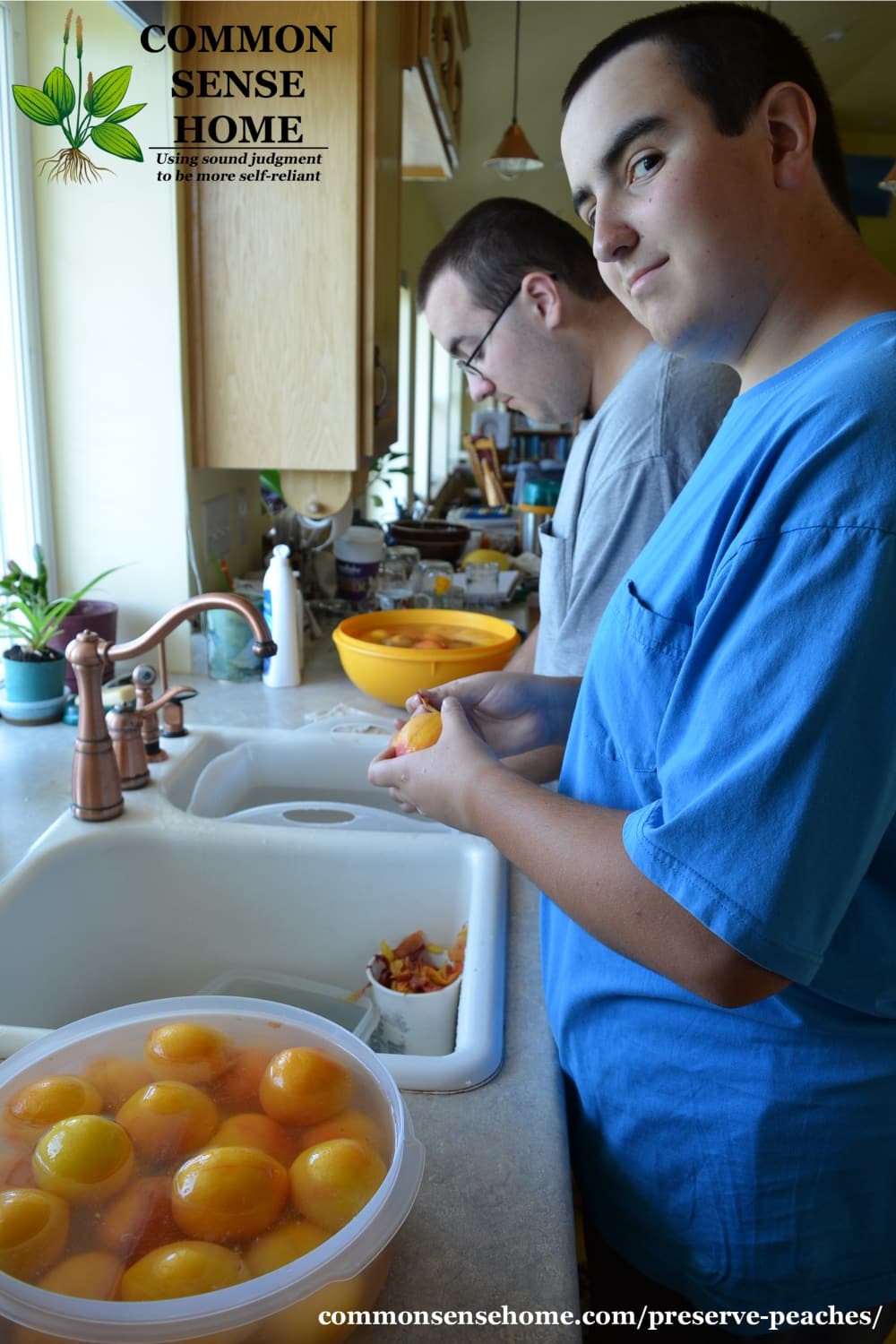
I usually let the boys finish peeling while I prep everything else for canning.
I remove the pits and either half or quarter the peaches, depending on the jar size (I use wide mouth quart jars for peach halves) and make sure the cut edges are exposed to the lemon water to prevent browning.
Preserve Peaches – Canning – Cold Pack Method
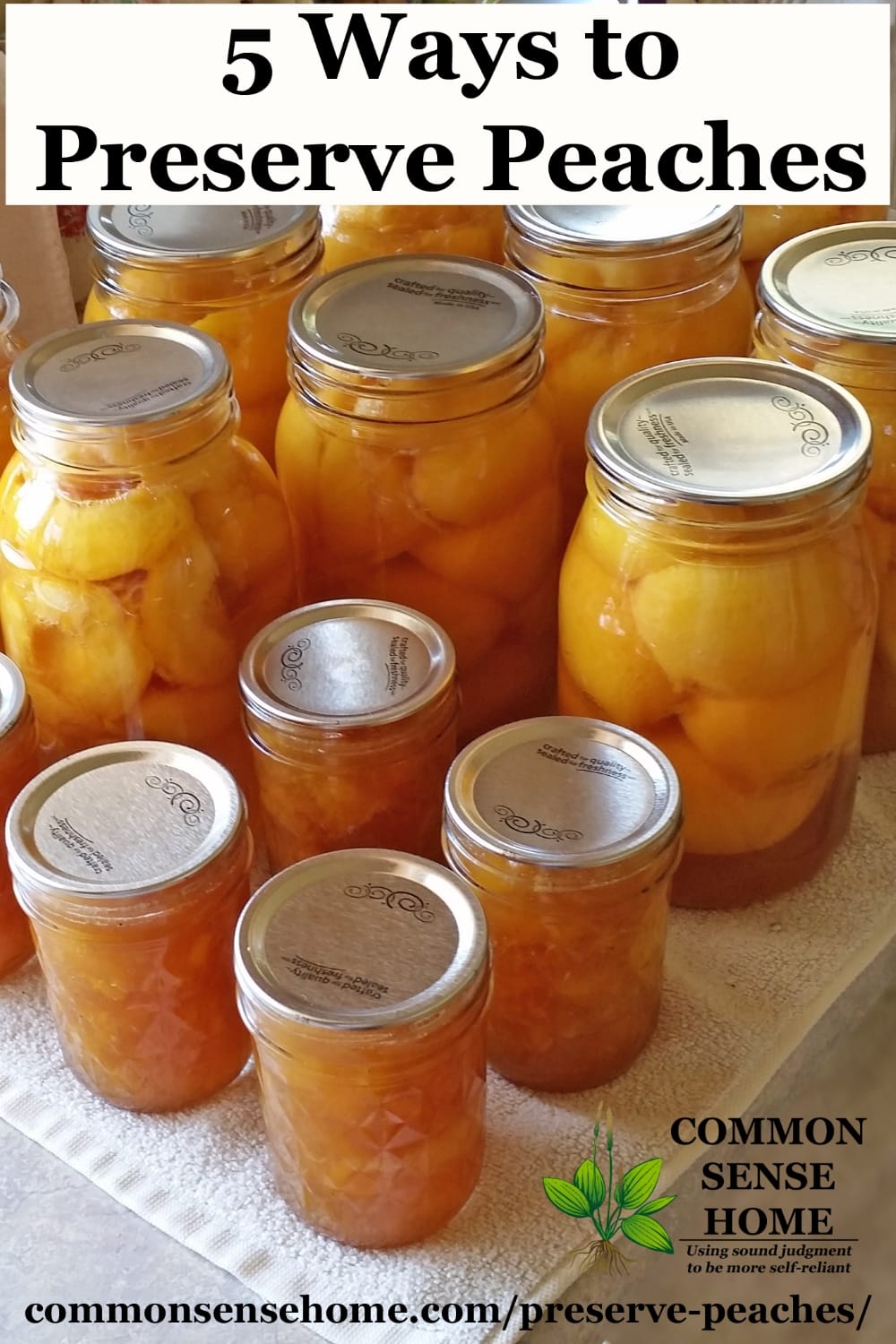
I prefer to cold pack peaches, which means the fruit is loaded in the jars at room temperature and then boiling syrup is poured over the top. I think the peaches stay firmer and more attractive using this method, even though they float more in the jar.


I like to work from left to right on my stove. Fill on the left side, process center, unload finished jars on a waiting cloth next to the right side of the stove.

Light Sugar Syrup Recipe
Ingredients
- 2 1/2 cup sugar
- 5 1/4 cups water
Directions
To prepare syrup, while heating water, add sugar slowly, stirring constantly to dissolve. Bring to a gentle boil. Sugar acts as a preservative by binding up free water in the fruit (see The Natural Canning Resource Book).
You may use less sugar, substitute honey for the sugar, or can in fruit juice. Using less sugar will give your product a shorter shelf life and quicker discoloration. I have found that the light simple syrup proportions strike a good balance between extending storage time and not being too sweet.
Note: The juice from the peaches also makes a great flavoring for homemade water kefir.
To Can the Peaches
Fill you water bath canner with hot water, and prep lids and rings. I heat my clean jars in the canner water or dishwasher. Plan for 2 to 3 pounds of peaches per quart. Peel and slice the peaches as directed above.
Drain peaches in a colander to drain excess liquid. Fill hot jars with peach slices and syrup to 1/2 inch headspace. Remove air bubbles and adjust liquid if needed. Process raw pack pints 25 minutes, quarts 30 minutes in a water bath canner.
For detailed instructions for hot pack and cold pack, see How to Can Peaches.
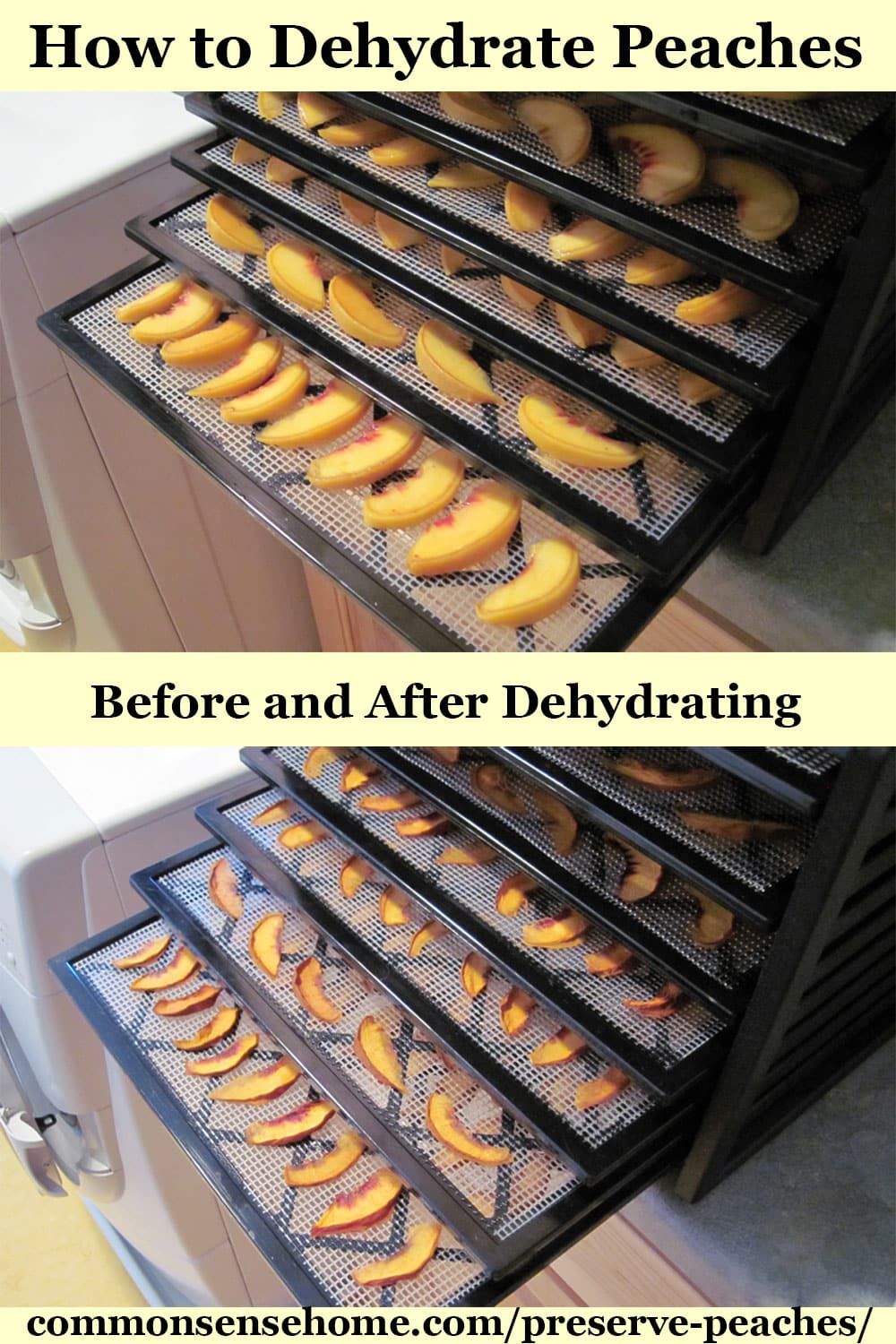
Drying Peaches in a Dehydrator – One of the Simplest Ways to Preserve Peaches
Dehydrating is an easy way to preserve peaches. I dry whatever I can’t easily fit in the canner, or peaches that are too soft to can or bruised.
You can also dry whole peach halves with the skin on (like commercial dried peaches), but they take much longer to dehydrate.
These peach slices dehydrate overnight. The finished slices are light and slightly chewy, not gummy like peach halves.
To Dehydrate Peaches:
- Thinly slice your peeled peaches
- Dip peach slices in the lemon water to prevent browning (optional)
- Drain the slices in a strainer
- Place peach slices on a dehydrator tray or a mesh insert
- Dry at around 135-140 °F until leathery or crisp (about 8-12 hours), depending on thickness of slices. I usually dry mine overnight.
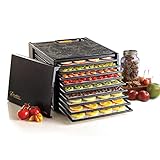
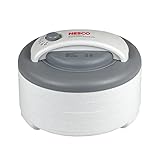
I highly recommend using the mesh inserts (default option for the Excalibur, optional in the Snackmaster). The peaches are very sticky and are hard to remove from the trays without the inserts. With the inserts, you just bend them and the dried fruit pops right off.
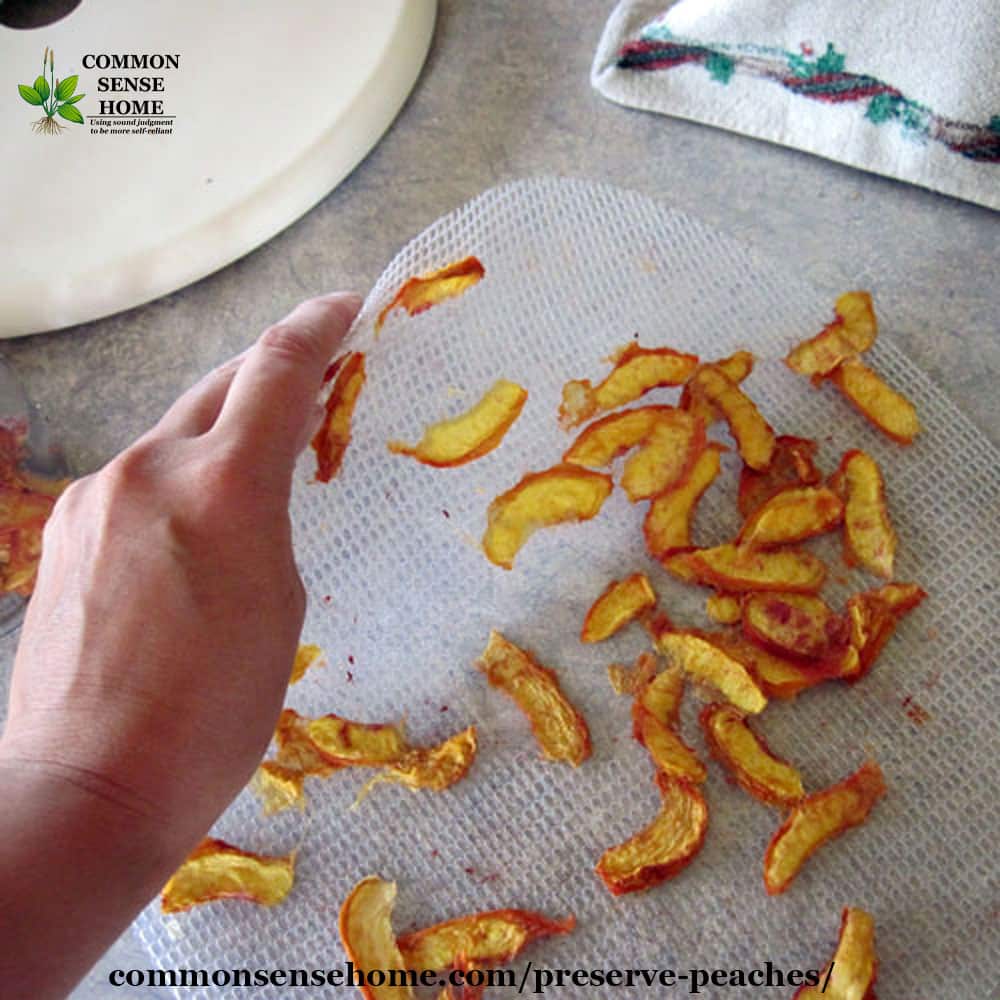
Store in an airtight container out of direct sunlight. If I have a lot of a particular dried fruit, I vacuum seal it in mason jars with the vacuum sealer attachment.
These make great snacks and can also be added to homemade granola or fruit and nut mixes.
If you’ve got a LOT of dried fruit, Mary Bell’s Dehydrator cookbook has some good recipes for pies and other baked goods using dried fruit.
Freezing Peaches
Preserving peaches doesn’t get much easier than freezing. As with the other methods, I start by peeling my peaches. After peeling, I slice them and dip them in acidified water to prevent browning. Drain well.
Spread peaches in a single layer on a baking sheet covered with a silicon mat or reusable parchment paper. Freeze several hours or overnight.
Pack the frozen slices into freezer containers, or vacuum seal for best storage.
Freezing on trays before packaging makes it easy to take a little or a lot of peaches from a package when you are ready to use them.
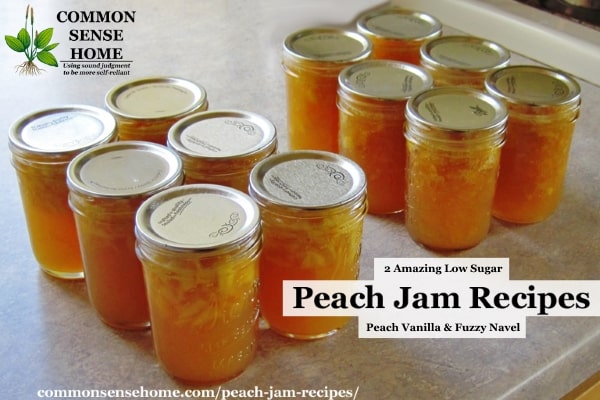
Peach Jam Recipes
I enjoy making low sugar peach jam with Pomona’s Pectin. Peach jam is wonderful on toast, Brie cheese or ice cream.
You can find my favorite recipes here:
Peach Jam Two Ways – Peach Vanilla and Fuzzy Navel
“Blushing” Peach Jam (Peach-Raspberry Jam)
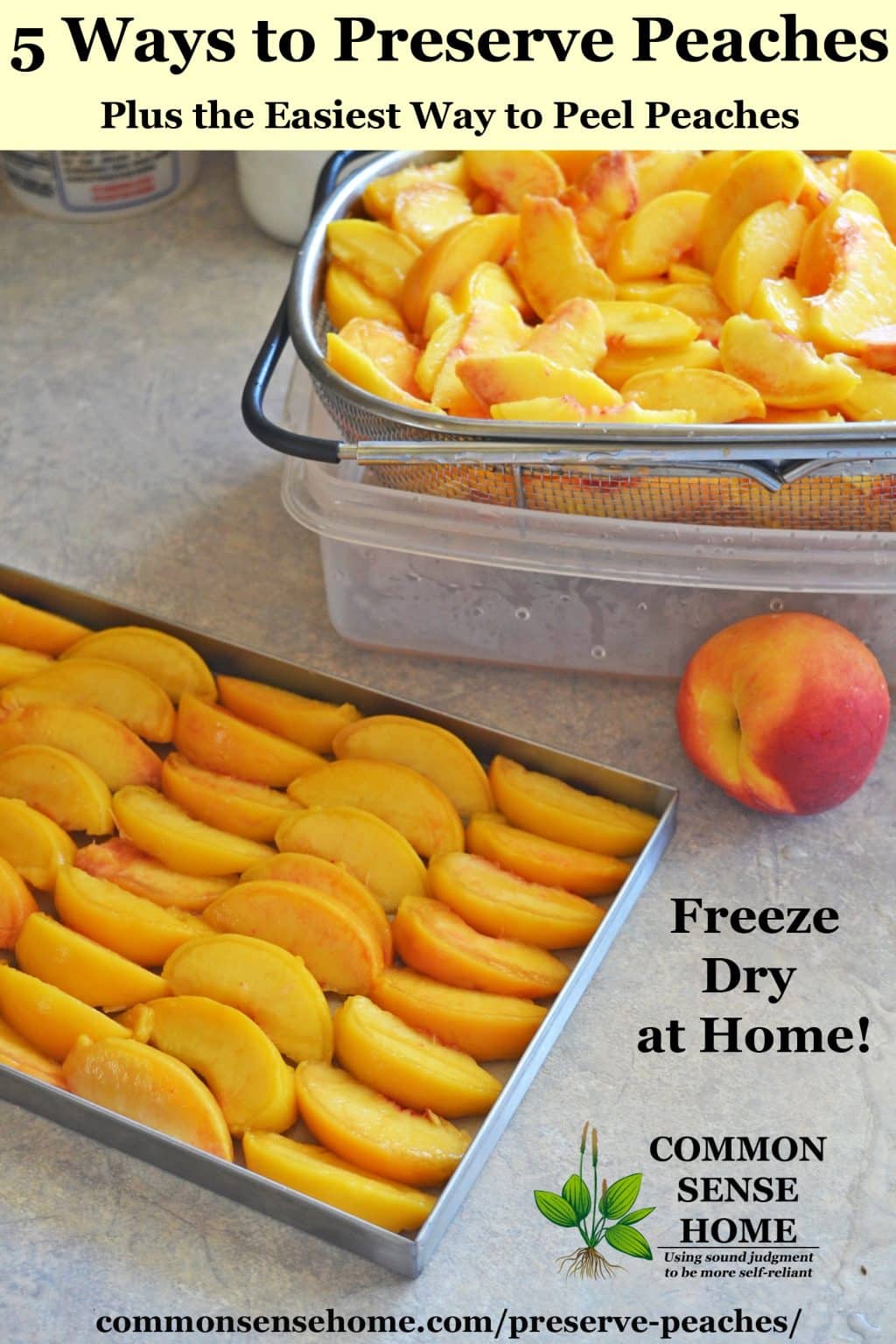
Preserve Peaches – Freeze Dry Peaches
Peaches are our favorite food to date from our Harvest Right home freeze dryer – pure ambrosia. Everything we’ve dried has been good (although I wouldn’t do breakfast sausage again), but the peaches are exceptional.
Properly stored freeze dried products can be stored up to 25 years. This is hands down the best long term storage option to preserve peaches.
Freeze dried peaches melt in your mouth with intense peachy goodness. They rehydrate with a texture that is very similar to fresh peaches.
To freeze dry peaches, peel, slice, dip and drain as you would for dehydrating. Place in a single layer on freeze dryer trays, preferably lined with reusable parchment paper.
Process in freeze dryer until completely dry (there should be no cold spots in the center of the slices). Peaches are high moisture and high sugar, so the cycle will likely take over 24 hours. Store in a vacuum sealed mason jar or Mylar pouch with oxygen absorbers.

So there you go! Lots of ways to preserve peaches to enjoy all year long. If you’ve enjoyed this post, please consider Sharing or Pinning.
You may also enjoy:
- 12 Ways to Preserve Strawberries – Plus Tips to Keep Berries Fresh Longer
- Preserve Apples for Year Round Use 17 Easy and Creative Ways
- 25+ Asparagus Recipes + 4 Ways to Store Asparagus
Originally published in 2011, last updated in 2019.
How to preserve peaches in bags
Are you talking about freezing? If you want to freeze peaches, you can peel them first, if you like, or leave the peels on. Then cut into pieces of desired size. Dip in lemon water, if desired, to prevent browning. Either freeze in a single layer on a baking sheet, and then pack into freezer safe containers, or pack directly into freezer safe containers. If you want to be able to pour out only a small portion of peaches at a time, it’s best to freeze on a baking sheet before packing into freezer containers.
Aloha. I love canning peaches and your post here is my go-to refresher every year before I commence. This year I have put up 48 quarts so far. I think I will stop there and move on to tomatoes. We live in Alaska and bring our produce up from Washington state for canning. We go to quite a bit of work to do that, so it’s nice to have a resource to go to where I know I will get the straight skinny and end up with the best possible outcome. I really appreciate the information sharing. Thanks!
Thank you for your kind words. Living in Wisconsin, we stock up for long winters, too, though thankfully we’re able to source some of our produce a little closer. Peaches we still bring in from out of state, at least until we can persuade our little peach tree to be more productive. It’s not too happy with the weather around here.
Just came across this post after trying to figure out what to do with my upcoming peach harvest. In today’s economy, I want to use up every thing I grow without it going to waste. I appreciate the multiple ideas! Planning ahead is definitely key here. Thank you!!
Do I process quarts and pints the same length of time in the canner (meaning I could process some jars of each at the same time)?
As noted in the article, pints only need 20 minutes of processing, while quarts need 25.
If you really wanted to put both sizes in the canner together, opt for the longer processing time.
This is wonderfully informative and makes the canning seem sho much easier! One question before I start though: Do you wash peaches (gently rubbing the fuzz off) before doing anything like blanching?
Thank you for the video!
We normally don’t wash before blanching, as the fruit normally gets washed before it is packed for shipping. The blanching water and cooling water provide further rinses.
Love this page! Thank you for the information and recipes! Am aiming to make some jam.
I want to share an option for peeling the peaches that i CANNOT and DO NOT take credit for – I saw it in a YouTube video, and I think due credit goes to “Indigo Nili” – I am just sharing the concept, because it worked like I’ve never seen before!
Use your Instant Pot if you have one. Her video is quick, yet very informative.
If it doesn’t, do a YouTube search for “Indigo Nili – Peeling Peaches”. Read the comments for some pointers, but I think she’s a genius! Happy peaching!!
I watched the video and read through the comments, and I don’t see any advantage to using the Instant Pot – unless you’re determined to use the Instant Pot. Several people commented that the Instant Pot steaming made their peaches mushy. With the boiling water dip, I can do batch after batch of peaches, without waiting for the instant pot to get up to pressure or allowing it to vent.
I would like to peel the peaches (7.58 lbs), vacuum seal, then freeze them for later use for pie or cobbler. What is acidified water, and how do I make it or where do I buy it? Everyone here tells me here to just throw a lot of sugar on them, put them in the bag, & seal them. I don’t want to do that.
Hi Suzanne, as mentioned in the post, use roughly 2 tablespoons lemon juice or 1 teaspoon citric acid per gallon of water. Easy peasy. You could use vinegar if you didn’t have lemon, but it would give the peaches a hint of vinegar flavor.
I’ll modify the post to see if I can make that a little more clear.
Question: light sugar syrup recipe- how many peaches will I need for this recipe? And quart jar yield? 2 1/2 cups of sugar and 5 1/4 cups water
Estimate around 2 to 3 pounds of peaches per quart. Exactly how many jars this will fill depends on the size of the peaches and how you slice them.