
Herbal Antibiotics – 15 Natural Ways to Fight Infections

This post may contain affiliate links. Read my full disclosure here.

Herbal antibiotics are plant-based foods and herbs that naturally inhibit the growth of bacterial organisms or support the body’s defenses in fighting infectious diseases. These botanical compounds have a long history of use across cultures. They are gaining interest again as antibiotic resistance and drug-resistant bacteria become serious global health concerns.
Conventional antibiotics transformed modern medicine, but overuse and misuse have led to widespread antibiotic-resistant bacteria. Strains of bacteria such as Escherichia coli (E. coli) and methicillin-resistant Staphylococcus aureus (MRSA) no longer respond well to many drugs.
In this article we’ll explore how herbal antibiotics work, safety considerations, and 15 natural compounds with antimicrobial properties.
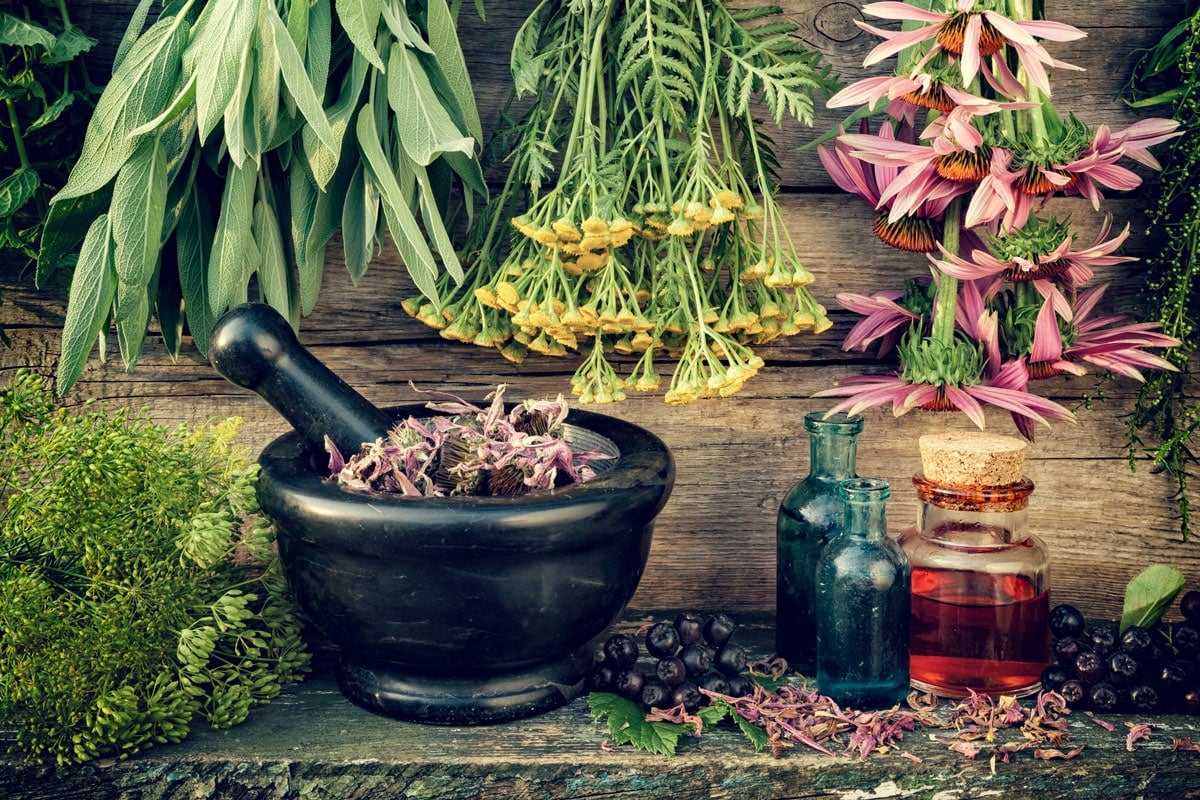
Table of contents
- How Herbal Antibiotics Work vs. Pharmaceutical Antibiotics
- 15 Herbal Antibiotics and Natural Antimicrobials
- 1. Garlic (Allium sativum)
- 2. Manuka Honey
- 3. Echinacea
- 4. Ginger (Zingiber officinale)
- 5. Licorice Root
- 6. Oregano & Oregano Oil
- 7. Thyme
- 8. Sage (Salvia officinalis)
- 9. Aloe Vera
- 10. Grapefruit Seed Extract
- 11. Usnea (Old Man’s Beard)
- 12. Juniper Berries
- 13. Wormwood
- 14. Cryptolepis
- 15. Eucalyptus
- Herbal Antibiotics for Common Conditions
- Antibiotic Resistance & Drug-Resistant Bacteria
- Safety, Side Effects & When to See a Doctor
- Resilient Medicine for Challenging Times
How Herbal Antibiotics Work vs. Pharmaceutical Antibiotics
Pharmaceutical antibiotics are typically a single chemical compound designed to kill or inhibit bacteria. While effective, this can make it easier for bacteria to adapt and develop resistance.
In contrast, herbal antibiotics are complex mixtures of compounds — such as terpenes, flavonoids, and phytoncides. These compound can have multiple modes of action against bacteria, fungi, and even viruses.
This diversity makes it theoretically harder for bacteria to adapt. Some research suggests certain herbs may work synergistically with antibiotics or target resistant strains.
Important Note Before You Use Herbal Antibiotics
- They are not replacements for professional medical treatment in serious bacterial infections.
- Please see a trained healthcare provider for severe or prolonged illness or injury.
- Some herbs can interact with medications or have side effects when taken in concentrated therapeutic doses.
- Always consider personal health, allergies, and pregnancy/breastfeeding before use.
15 Herbal Antibiotics and Natural Antimicrobials
Remember, not all bacteria are harmful – many are essential to our health and well-being. Always exercise caution with the use of natural antibiotics, just as you would with commercial antibiotics.
1. Garlic (Allium sativum)
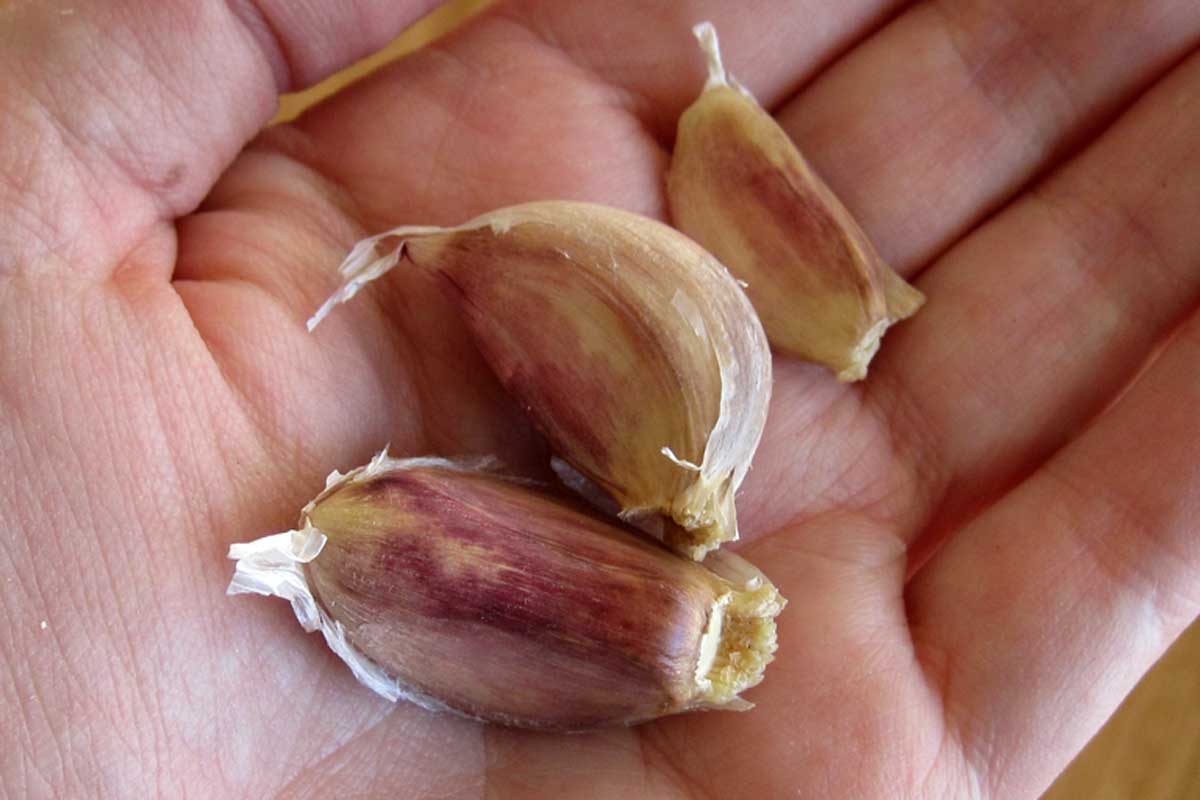
Garlic cloves are a classic natural antibiotic food. Compounds like allicin fight a wide array of bacteria, including E. coli, Staphylococcus, and others.
How to use:
- Fresh minced garlic in food
- Garlic extract or supplement (if tolerated)
- Possible side effects: stomach upset, garlic breath.
Be careful – raw garlic may cause stomach upset and vomiting. Small, frequent doses are generally easier to take than large doses (1/4 to 1 teaspoon juice as needed).
If raw garlic is too strong, try capsules of dried garlic. Ample garlic in food is also helpful. Avoid using large amounts of garlic if you are on blood thinning medication.
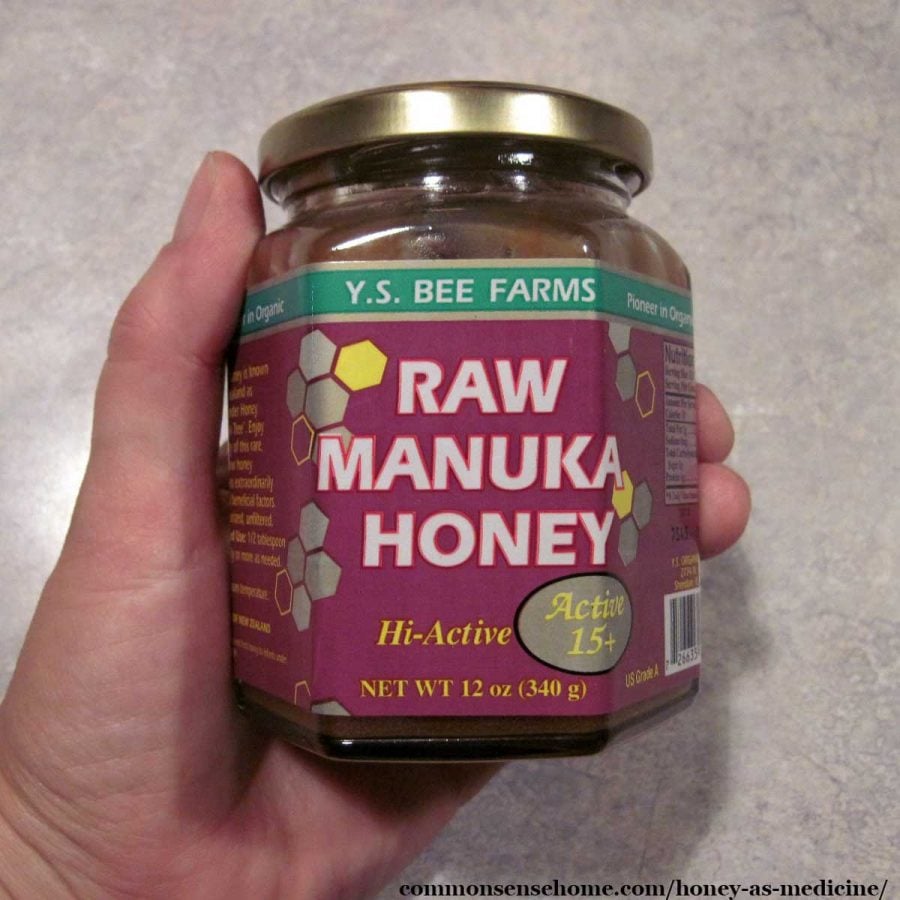
2. Manuka Honey
Medical-grade manuka honey contains methylglyoxal and other antibacterial compounds that inhibit bacterial growth and may even synergize with antibiotics. Uses include wound care and infection control, including against antibiotic-resistant bacteria.
How to use:
- Apply topically on wounds
- Add to warm drinks for sore throat relief
Note: Not all honey labelled “manuka” has high antibacterial potency — use UMF/MGO rated varieties. See “Honey as Medicine” for more information.

3. Echinacea
Traditionally used for upper respiratory infections and sore throat, echinacea has immune boosting and antimicrobial properties. Try echinacea tea or during early cold onset. Avoid if you have allergies to plants in the daisy family.
4. Ginger (Zingiber officinale)
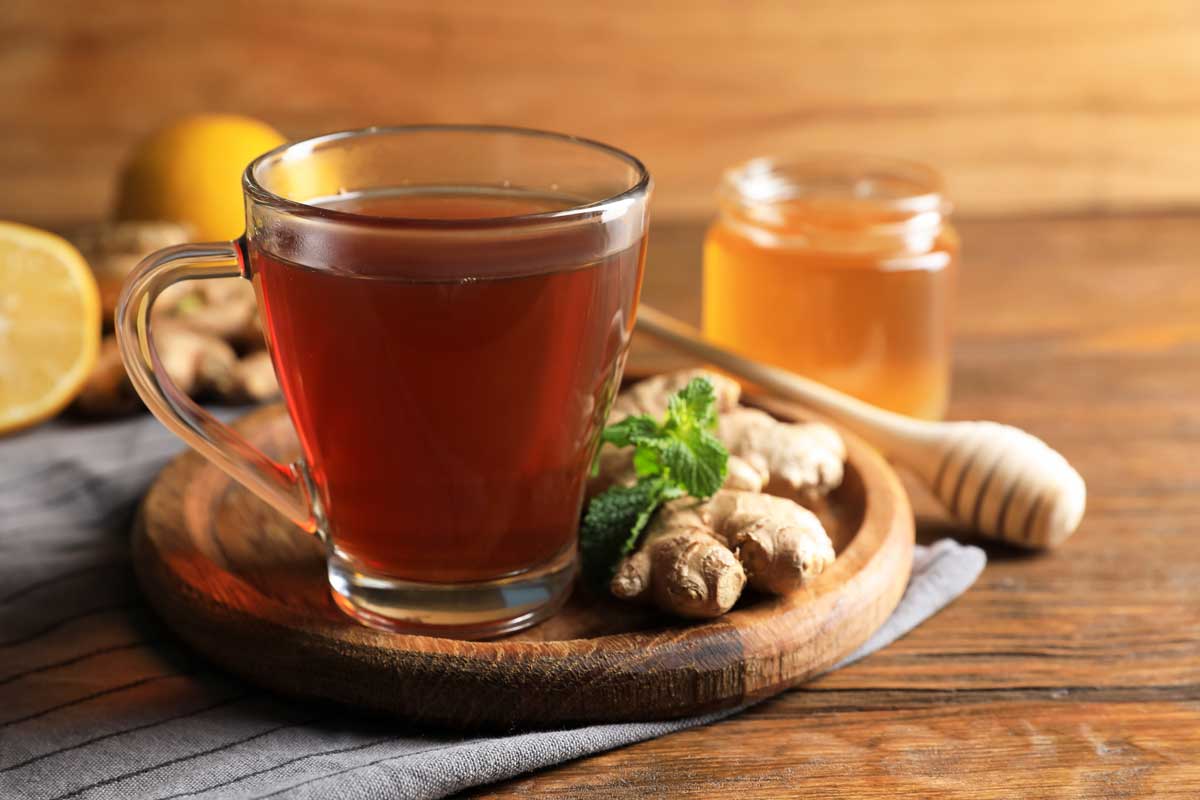
Ginger root’s bioactive compounds support the immune system while slowing bacterial growth in lab studies. Use in tea or cooking, or take ginger honey by the spoonful or add to tea.
5. Licorice Root
Traditional licorice root uses include fighting microbes and soothing mucous membranes. Use with caution — at high amounts may elevate blood pressure or cause water retention.
Use 1/2 to 1 teaspoon powdered licorice in 8 ounces of boiling water. Steep the tea for 15 minutes and then strain. Use up to three times per day. This herbal sore throat syrup combines licorice root with other soothing herbs.
6. Oregano & Oregano Oil
Oregano contains carvacrol and thymol. Studies suggest these compounds work against various bacteria, including some resistant strains.
How to use: Culinary use or diluted essential oil (topical use only).
7. Thyme
Thyme’s thymol content gives it antibacterial effects against a range of bacteria. Use in cooking or herbal extracts.
8. Sage (Salvia officinalis)
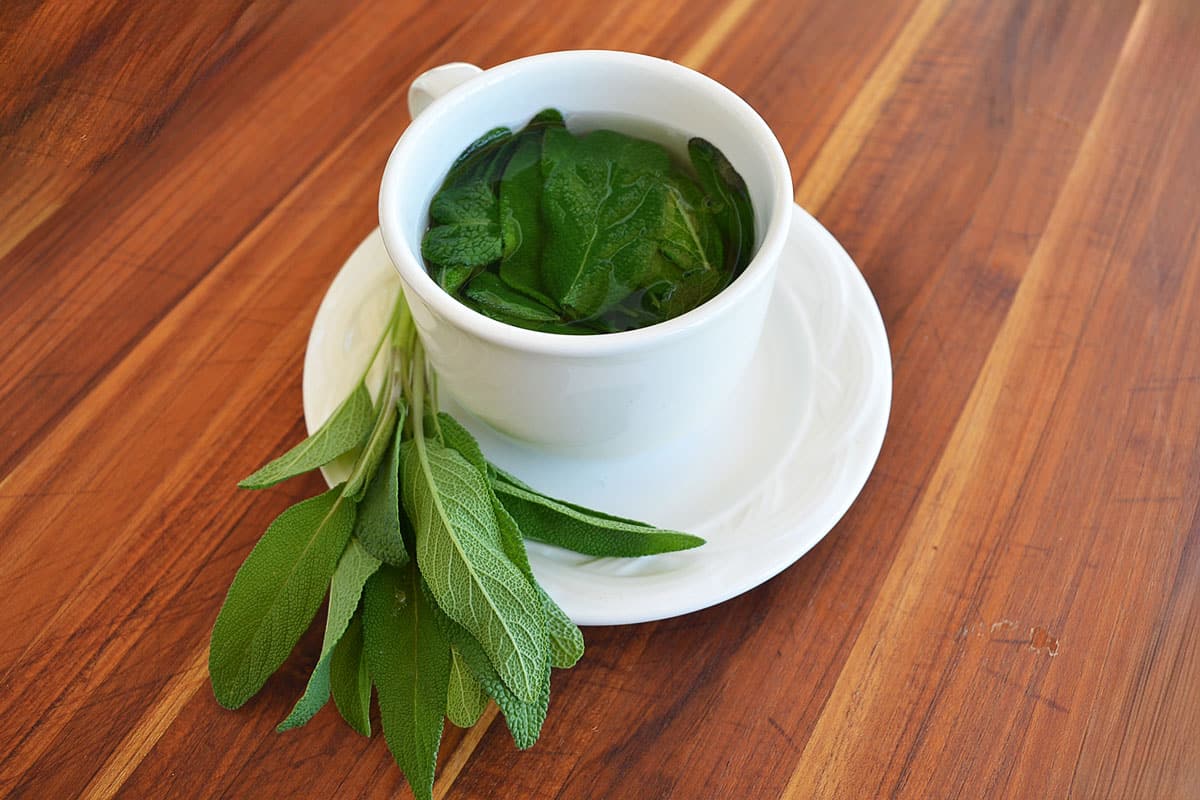
Sage has traditional use for throat infections, cough, and microbial control. One of the simplest ways to use it is sage tea. To brew it, simply steep 1–2 teaspoons of dried sage in hot water for 5–10 minutes. See “Sage Benefits” for additional information.

Would you like to save this?
9. Aloe Vera
Aloe gel can help soothe skin and wounds while offering antibacterial effects against organisms like Staphylococcus. Honey and aloe vera are two of the most effective treatments for burn victims when applied externally.
To use aloe, slice open the leaves of the fresh plant to get at the sap. Apply the aloe gel to the wound or burn until well covered, repeating as necessary. To use aloe, slice open the leaves of the fresh plant to get at the sap. Apply the aloe gel to the wound or burn until well covered, repeating as necessary.
10. Grapefruit Seed Extract
Often used as a natural preservative, grapefruit seed extract (GSE) has demonstrated activity against bacteria and fungi. Use for gut troubles, diluted in water or in capsule form. Make sure to choose a reputable brand with third party testing, and avoid prolonged internal use.

11. Usnea (Old Man’s Beard)
Usnea is traditionally used for wound treatments, respiratory infections, urinary tract support and fever. Studies show that lichen-derived usnic acid shows promise against bacteria the are resistant to standard antibiotics. Most commonly, fresh or rehydrated dried usnea was applied directly to wounds.
12. Juniper Berries
Historical use of juniper includes treatment of urinary tract discomfort and supporting urinary flow — likely due to antibacterial compounds.
13. Wormwood
Wormwood (Artemisia absinthium) has a long history of use as a strong antimicrobial herb. It’s most common traditional use was for intestinal infections, especially when symptoms suggested bacterial or parasitic involvement. Use with caution and professional guidance.
14. Cryptolepis
Used in traditional African medicine, cryptolepis extract is thought to support immune responses and inhibit bacteria. May be difficult to find in the U.S..
15. Eucalyptus
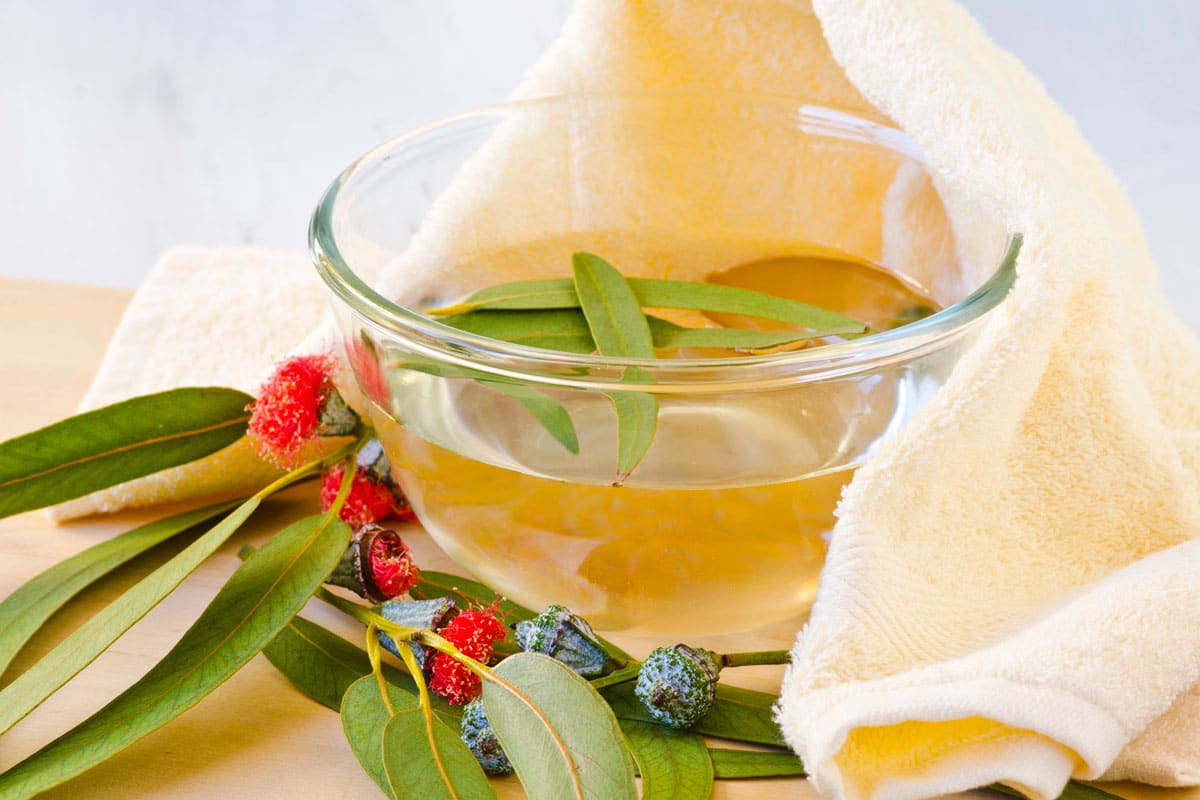
Known for respiratory support, use eucalyptus in steam inhalation for congestion and sore throat. Eucalyptus leaves and oil contain eucalyptol (1,8-cineole), which:
- Inhibits growth of certain bacteria
- Helps loosen mucus
- Supports easier breathing
This makes eucalyptus especially useful when infection is accompanied by chest tightness or sinus pressure.
Herbal Antibiotics for Common Conditions
Remember, please see your healthcare provider if needed.
Urinary Tract Infections (UTIs)
Most urinary tract infections are caused by E. coli — a common gut bacterium. Manuka honey, garlic, and cranberry products can support healing.
Sore Throat and Respiratory Infections
Herbal teas with echinacea, ginger, sage, and manuka honey can soothe symptoms and support local immune defenses.
Skin Infections & Wounds
Topical manuka honey and aloe vera help create an environment where bacteria doesn’t thrive. See a health care provider for deeper infections.
Antibiotic Resistance & Drug-Resistant Bacteria
Antibiotic resistance occurs when bacteria evolve to survive exposure to drugs that once killed them. Common resistant pathogens include E. coli, MRSA (methicillin-resistant Staphylococcus aureus), and other multi-drug resistant strains.
Bacteria breed and adapt very quickly. When exposed to high levels of antibiotics, one type of bacteria can spread resistance to another. The good news is, once we stop using so many antibiotics, resistance can fade again.
The bad news is that widespread use is too common. Sometimes, substances used for one thing (like weed control), also act as antibiotics. This article notes, “Emergence of resistance in bacteria and fungi is correlated with glyphosate use in the world over the last 40 years.”
Safety, Side Effects & When to See a Doctor
Even “natural antibiotics” can have side effects:
- Gastrointestinal upset (e.g., garlic)
- Allergic reactions
- Interaction with medications (e.g., licorice and blood pressure drugs)
If symptoms are severe, persistent, or involve fever, difficulty breathing, or systemic infection signs — seek medical care promptly.
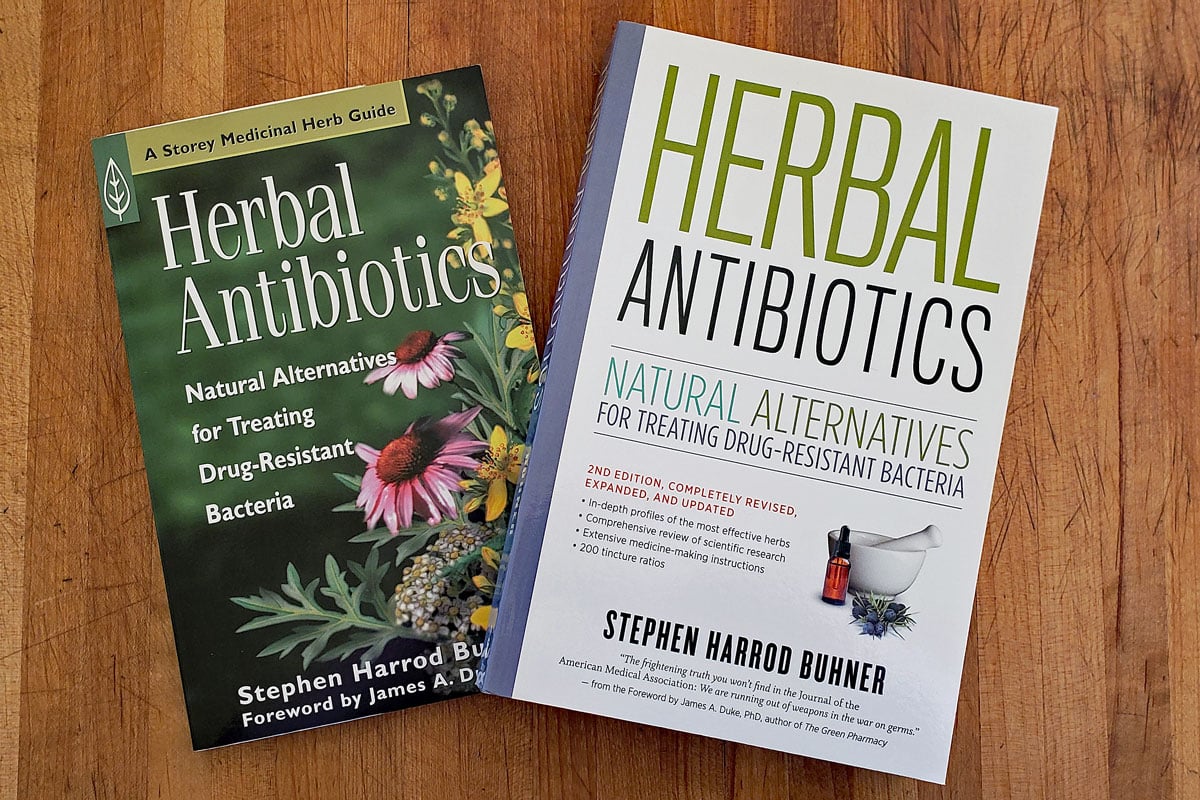
For more information, please read “Herbal Antibiotics” by Stephen Harrod Buhner. The late Mr. Buhner has a first and second edition of this book. The first edition (below left) is out of print, but is easier for the layperson to follow.


Resilient Medicine for Challenging Times
There is so much more to learn about herbal antibiotics. Infectious diseases and strains of bacteria keep changing, so we need to find the best of old and new solutions. Many herbs combat bacterial growth and support immune health. They deserve attention — especially in an era of antibiotic resistance and drug-resistant bacteria.
You may also find useful:
- Best Probiotics for Cold and Flu (+ 5 Ways they Help)
- How to Make Elderberry Syrup with Fresh or Dried Elderberries
- 12 Home Remedies for Earaches
- 25 Immune Boosting Herbs and Spices
- Herbal Gelatin – Immune Boosting Herbs in Finger Gelatin

This article is written by Laurie Neverman. Laurie is a lifelong learner with a passion for natural remedies and holistic healing. She’s successfully improved her eyesight and cleared her psoriasis.
Originally posted in 2012, last updated in 2025.
I love the “Never Buy Bread Again” book!!!
The pancakes are perfect, whether Gluten free flour is used, or the ordinary stuff.
I made both recipes for cornbread and the sweetened one was my husband’s favorite.
I bought some yeast yesterday, the most recent purchased and sitting in my cupboard was best by 2021…the last time I attempted to make bread. So I’m ready to try some rolls to go along with dinner.
thanks so much for the magic of your writing and presentation styles!!
I love them both!
kindly
gaylinda
Thanks for your kind words. Enjoy your baking.
in case of honey it’s true and best antibiotics, therefore eating honey in the morning with empty stomach can quickly replenish energy.and too it’s rich in active enzymes which can enhance metabolism, accelerate gastrointestinal motality and eliminate toxins and garbage.
Real honey is an amazing food and health tonic.
I am hooked xxxxxxxx Many years ago I found an ad where you could study via correspondence (The old mailing service I guess) It was all to do with herbs and how to use them for virtually every ailment. I was dead keen to start but sadly money and it is what it is as the saying goes today. I did try find the college a few years later but no joy sadly. Thank you for tweeking my interest again. Long overdue. Mother Nature knows best. I look forward to hearing and doing more.
Kim
xx
My son is 4 years old and he gets flus very frequently, could someone please help why this could be happening and how I could treat this
It’s impossible to say what is going on from one sentence on the internet.
If your son is regularly ill, something is going on that weakens his defenses to illness. Good health comes from within.
Look at his diet. Could he be reacting to specific foods, or not getting enough nutrients?
Has he had antibiotics? Antibiotics destroy good bacteria as well as bad. The average human body contains 10 bacteria cells for every human cell. We need bacteria to function – they are critical for digesting food.
Has he been vaccinated? Many children develop health problems after vaccination that can be difficult to treat because the doctors don’t know what to look for or even acknowledge that there is a problem.
What about activities? Does he get time outside in nature in contact with the earth? Does he get enough sleep in a completely dark room? Nighttime lighting can disturb sleep rhythms, making it difficult to heal.
Has he been through some trauma? Oftentimes accidents or other trauma can negatively impact the immune system. He may need to heal mentally and spiritually as well as physically.
There are many factors that help us be strong and healthy. Keep asking questions, and if possible, worth with a health care provider who is willing to work with you to help find the root of his illness.
I have a swollen right ear lobe, I was wondering why and what to do?
Thanks Eddie.
I’m sorry, Eddie. I have no way of knowing what happened to your ear over the internet. Do you remember an impact, or did it get bit or stung? If pain is severe or long lasting, please visit a trained medical professional.
well i guess u found the answer since then.othrs may want sum info.i think if u lk up ear- body map stuff.there’s sum connections with both.they xplain it well.