
What to Do When the Power Goes Out (10 Things to Prepare)

This post may contain affiliate links. Read my full disclosure here.
Our power grid is aging, and with increasing power demands, it’s likely to get worse before it gets better. When the power goes out, you need to be prepared. We’ll help you get ready for short term outages, as well as longer ones that disrupt communications, water and trash pickup.
The power grid is overloaded and under attack. The average age of the U.S. power grid is about 40 years old, with many components beyond their designed lifespan. The average length of power outages has increased in all regions since 2022, from 8.1 hours to 12.8 by the midpoint of 2025.
The US power grid faces daily cyber threats, with attacks on utility companies rising 70% in 2024. While most do not cause outages, critical infrastructure, including energy, experienced 420 million attacks worldwide in 2023. Physical attacks to power equipment are also on the rise.
See “10 Reasons for Power Grid Failure” for more details on what causes power outages.
Would you like to save this?
Table of Contents
- What would happen if the power grid shut down?
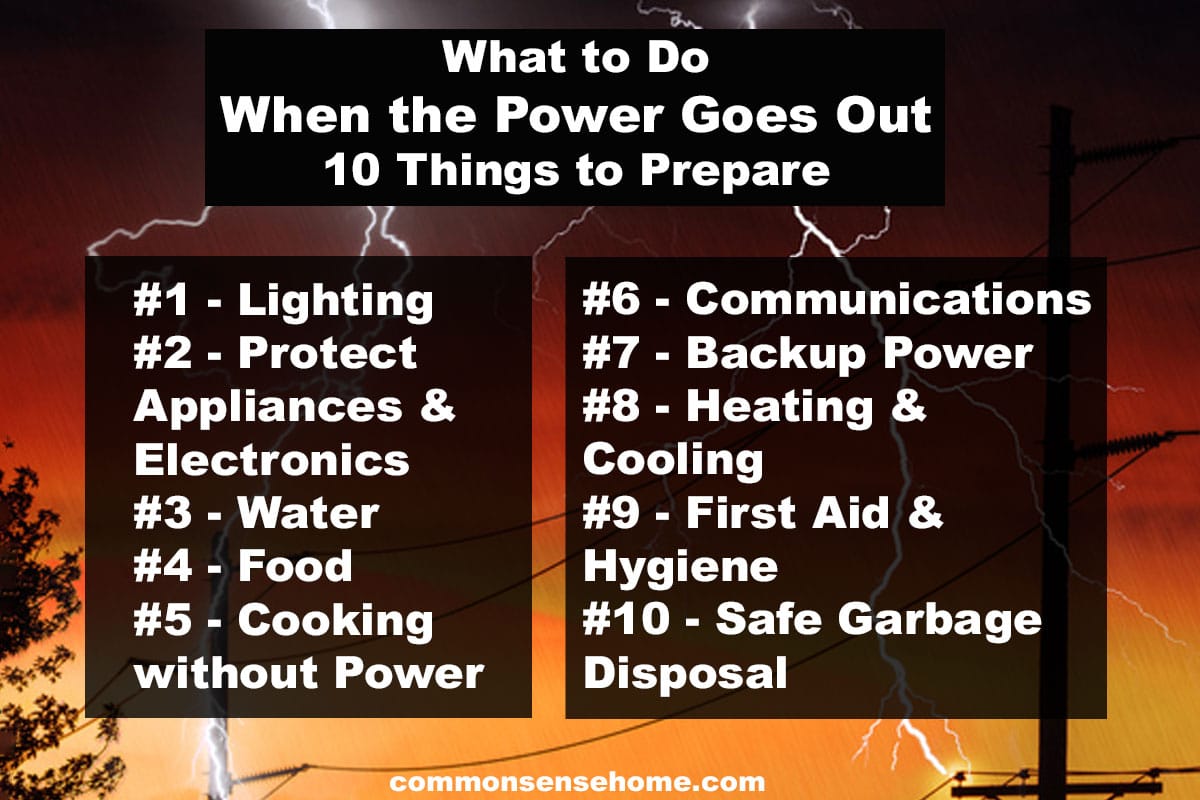
- 10 Things You Need to Prepare for When the Power Goes Out
- #1 – Lighting
- #2 – Protect Appliances and Electronics
- #3 – Water
- #4 – Food
- Tips for Refrigerators and Freezers When the Power Goes Out
- #5 – Cooking Without Power
- #6 – Communications
- #7 – Backup Power
- #8 – Heating and Cooling
- #9 – First Aid & Hygiene
- #10 – Garbage
- Know How to Get in and Out of Buildings without Power
- Team up in a Grid Down situation!
What would happen if the power grid shut down?
Sure, there’s the obvious stuff that happens without electricity – no lights, trouble with heating and cooling, and so on. If the power grid goes down longer, water, sewer, communications, and natural gas will also fail eventually. Without a plan in place, most of us would be in bad shape with an extended grid outage.
Businesses that are open may only be able to take cash, or only take credit. It’s good to have both on hand, especially small bills.
10 Things You Need to Prepare for When the Power Goes Out
Report your outage to the local utility so they know that service is down. Provide any information you may have about power line damage to speed up repairs. Some utilities allow you to check for known outages.
Here are 10 things you can do to be better prepared when the grid goes down.
#1 – Lighting
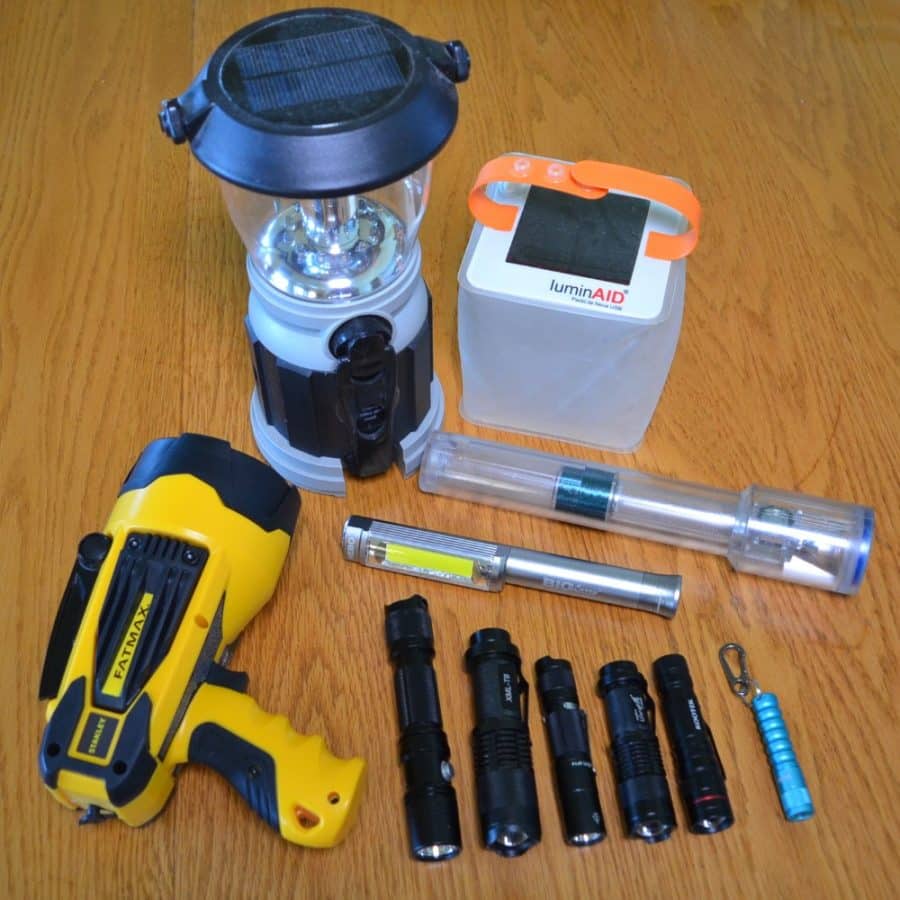
Make sure you can see when the power grid fails! We keep flashlights in each bedroom, near the electrical panel, around the house, and in each vehicle. A crank powered flashlight is great to keep kids busy and serves double duty as a light and backup charger. You can check out some of our favorite flashlights here.
Flashlights are great, but they only work with well charged batteries. If possible, standardize your flashlights and other battery gear on AA, AAA and/or 18650. We outline our top picks for batteries and chargers here.
Be careful if you opt for fire based light sources. Never leave candles or oil lamps unattended. They may create a fire hazard and fresh air may be a problem if you are in a tightly sealed building.
#2 – Protect Appliances and Electronics
Use surge protectors or unplug appliances and sensitive electronics when the power goes out. This helps to eliminate damage from power surges when the grid comes back online. You may want to leave a light on to indicate when power is available.
Pay special attention to:
- Computers
- Routers
- TVs
- Medical devices
#3 – Water
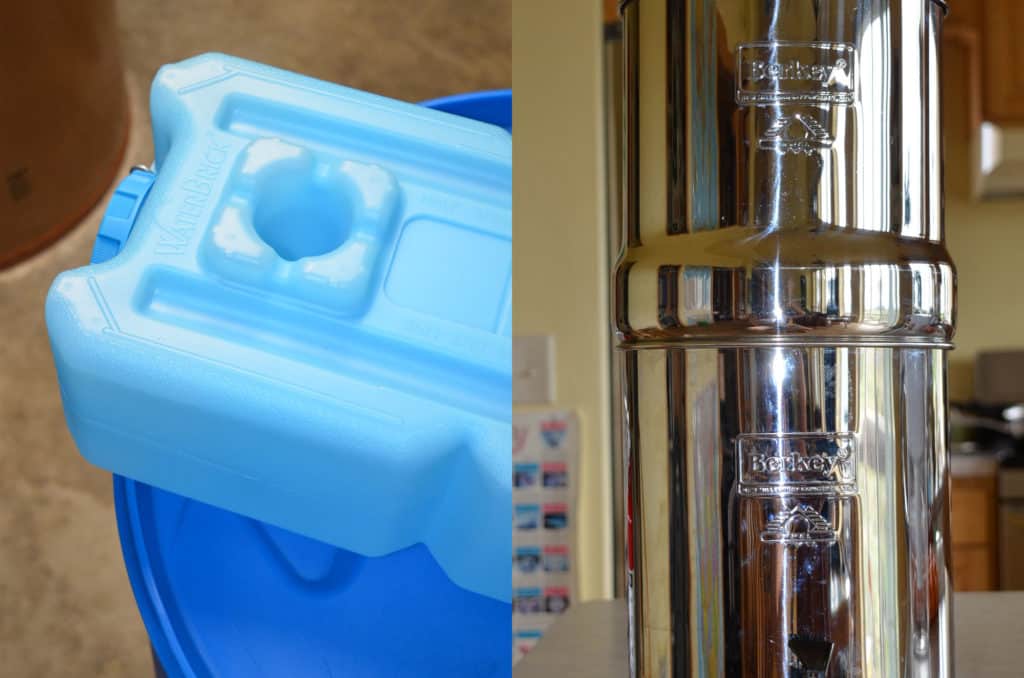
Keep a couple cases of water bottles around for emergency power outages. It’s best to rotate your water storage to keep it fresh and avoid container failure. We also have a 55 gal drinking potable water drum with a pump and a roller base for emergencies.
If you suspect power might go out for a long time, fill your bathtubs, your sinks, and other containers. When the grid is down, save dirty wash water in a bucket and use it for flushing toilets.
Your water heater likely won’t work when the power goes out (even gas heaters have electric ignitions). If you have warning before the power goes out, get cleaned up and do dishes or laundry.
Finally, consider good water filters such as larger Berkey or ZeroWater or portable Katadyn or Sawyer. These can take questionable water and make it drinkable. NOTE: pre-filter with a cloth to extend the life of any of these filters.
See Emergency Water Storage and Filtration for a more detailed list of water storage and filtration options.


#4 – Food
Have a minimum of 3 days of food for everyone in the family – including pets. More is better. Stockpile non-perishable food you regularly eat when it is on sale to save money. If you stock what you eat, it makes it easier to rotate your stock to keep it fresh.
During recent winter storms, friends faced extended power outages and closed roads. People in their area posted pleas for food and water on social media. Don’t be unprepared – stock up in advance.
Tips for Refrigerators and Freezers When the Power Goes Out
When the power goes out, keep doors of freezers and refrigerators closed as much as possible. Make a list of what you need to grab and get it all quickly then close the door.
A chest freezer holds the cold better than upright refrigerators and freezers. A full freezer will hold temperature for about 48 hours (depending on the outside temperature). If the freezer is half full, it’s only likely to keep food frozen 24 hours.
If your freezer is not full, fill the extra space with jugs of water. 2 liter soda bottles or plastic vinegar jugs work well.
Don’t fill the bottles all the way to the top. (Water expands as it freezes.) The frozen bottles of water also provide a backup source of drinking water as they thaw.
Refrigerators keep food cold for about 4 hours. A cooler with ice will keep perishable food better than a refrigerator for longer outages.
Fruits and vegetables are more forgiving than meat and dairy. Use common sense, if it looks bad or smells bad do not eat it. If your choose to eat something that is questionable – cook it thoroughly. When in doubt, throw it out.
FDA Food Safety guidelines note:
Before using any foods, check your refrigerator and freezer thermometers. If the fridge is still at or below 40°F (4°C), or the food has been above 40°F for only 2 hours or less, it should be safe to eat.
Frozen food that still has ice crystals or is at 40°F or below can be safely refrozen or cooked.
If you’re unsure how long the temperature has been at or above 40 degrees, don’t take a chance. Throw the food out.
FDA
#5 – Cooking Without Power
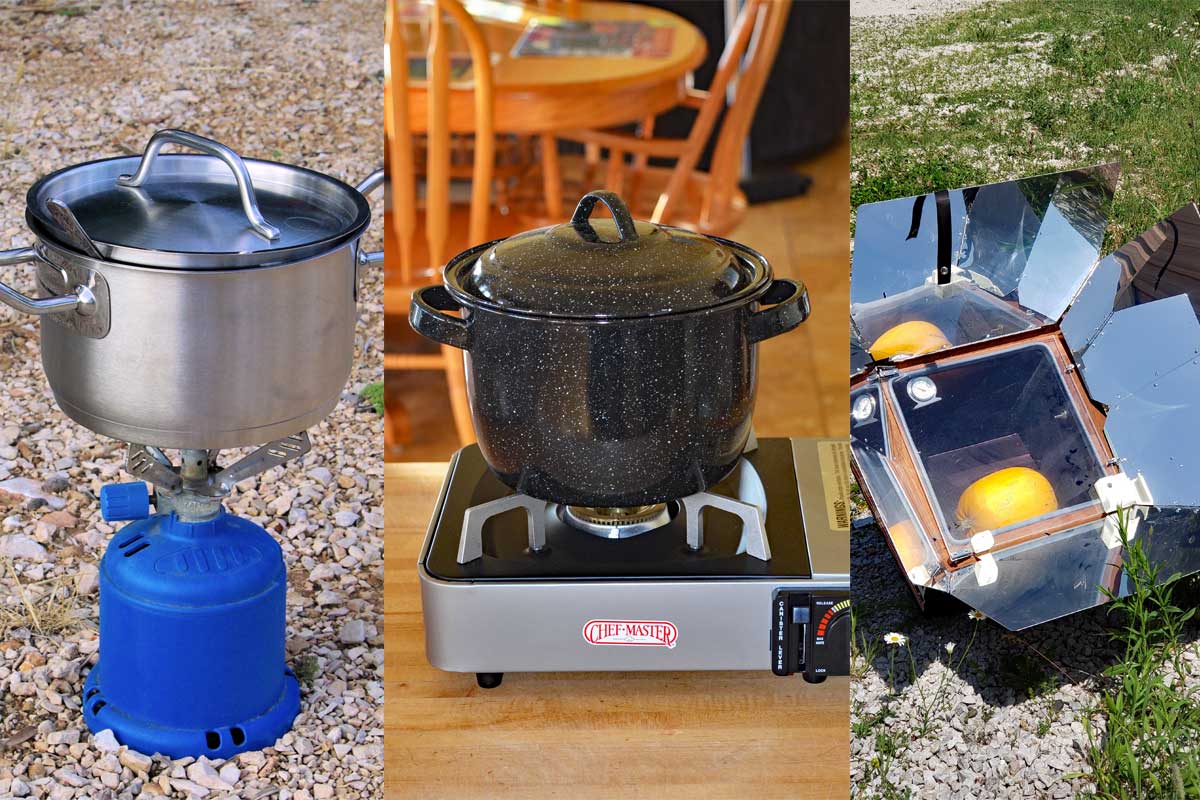
Learn how to cook a meal without power BEFORE the power goes out. Outdoor grills work well if the weather cooperates. Keep a stock of charcoal or propane, as needed. (Make sure you have matches or a lighter to light a candle or start a charcoal grill.)
Indoor natural gas or propane stoves may or may not work when the power is out. Many gas stoves have an electric ignition, but you may still be able to light burners with a lighter or match.
Small butane stoves are great for cooking simple meals indoors, and store in a space about the size of a briefcase. NOTE- Camp stoves may not be safe for indoor use. Check before you fire up.
See Emergency Cooking – Have a Hot Meal When the Power Goes Out for more information on cooking without electricity.
#6 – Communications
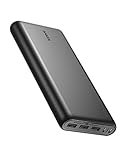
Conserve your cell phone battery by dimming the screen and closing apps. Get a solar charger, and/or car charger, Anker Battery Pack and/or crank USB Radio and charger. Test your charger and batteries when you change your clocks at daylight savings in the spring and fall.
Assume you might not have 911 or internet. Have a list of key phone numbers written down or printed out. Have LOCAL PAPER MAPS, so you can get where you are going even if a few roads are out and your GPS isn’t working. Paper is handy to take notes.
A crank powered radio that can listen to emergency broadcasts is also good to have on hand.
For more info on emergency communications:
#7 – Backup Power
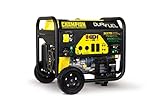
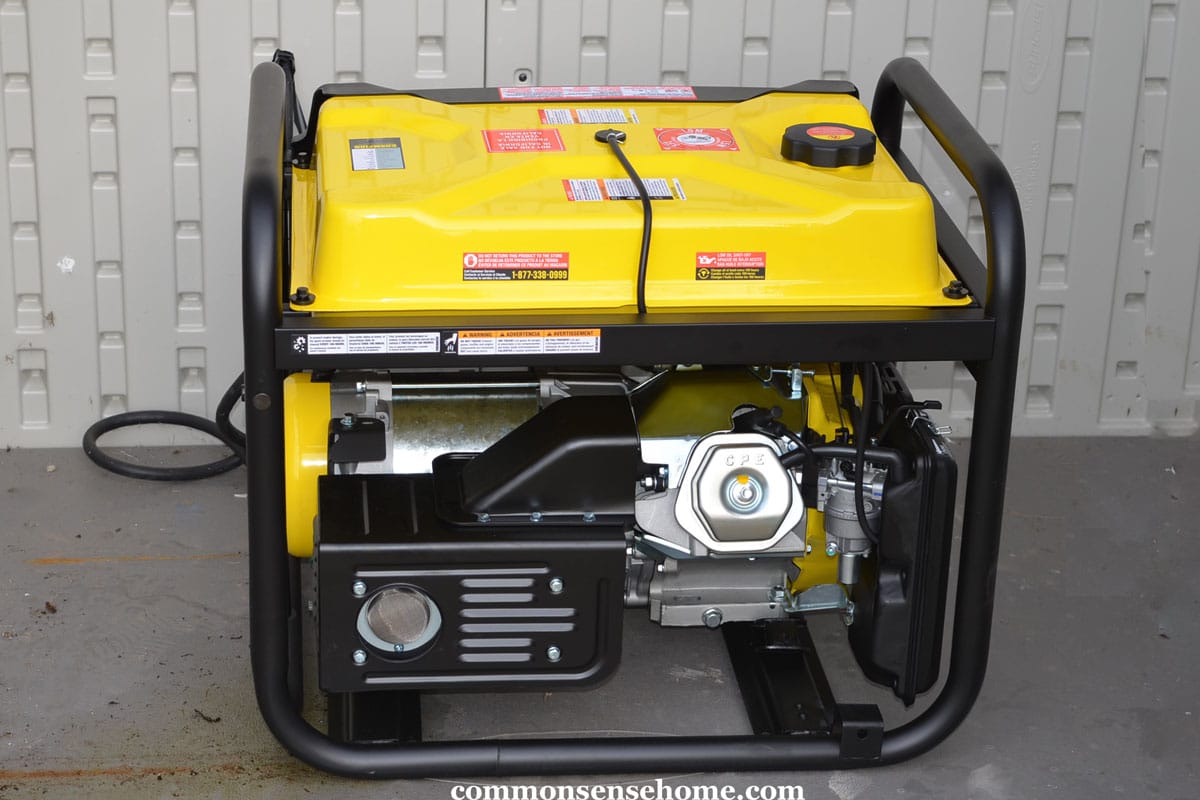
Generator: If you have the funds, consider purchasing a portable generator. Remember, you will need to learn how to use it, and should test it regularly. We purchased a Champion Dual Fuel (propane and gasoline) generator.
You will need a heavy duty extension cord to power your appliances with a portable generator. Alternatively, you can hire an electrician to hard-wire your backup generator to your home’s electrical system.
If you hard wire your generator, you need to isolate it from the grid during a power outage. You do not want to accidentally electrocute a power company lineman who thinks your service is down.
Gasoline-powered portable generators are the most common type due to their affordability, high power output, and widespread availability. For rural areas we recommend propane. It lasts indefinitely and you can store it onsite in a 500 or 1000 gal tank.
Solar electric is more expensive than a generator, but doesn’t need fuel. Even with solar, a generator provides backup at night and during low light conditions (like when it’s storming).
Many grid tie solar electric systems only work when the grid is up and have no on site storage. They have an automatic shutoff that kicks in when the grid goes down to avoid electrocuting line workers.
See Emergency Power Options for Your Home for more information on providing your own power.
#8 – Heating and Cooling
For people who live in northern climates, consider an indoor safe Mr Heater to stay warm. If you buy one, get extra propane tanks. You might need more than one. If you have a fireplace or wood stove, stock up on firewood.
Check out How to Stay Warm During a Power Outage for cold weather survival tips, and Prevent Frozen Pipes.
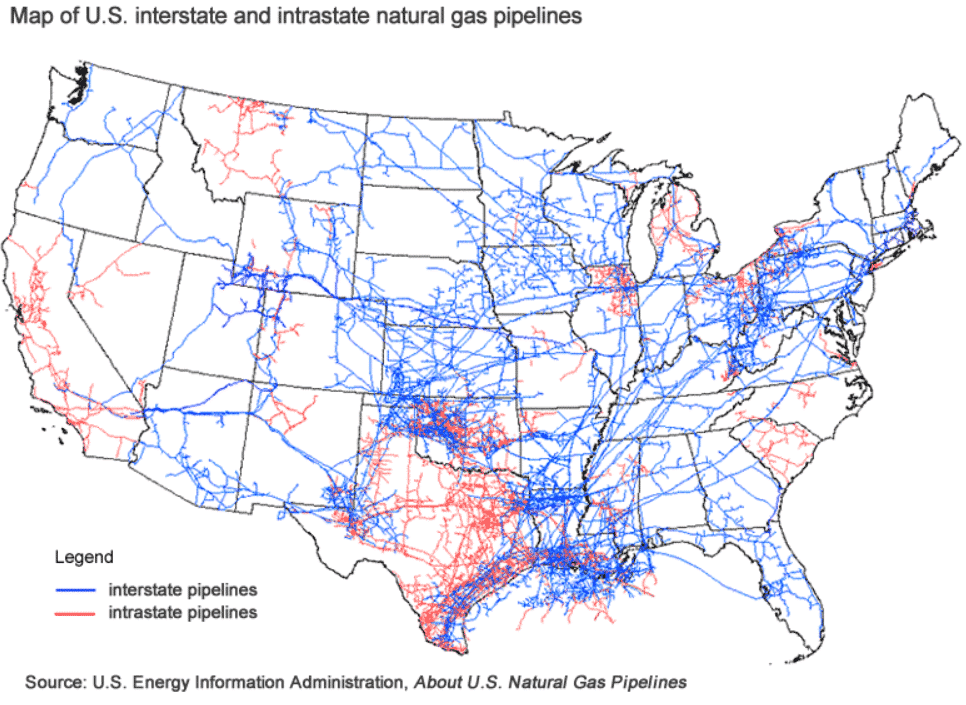
If the power grid goes down will natural gas still flow? The answer is “probably”.
Depending on where you live the natural gas pumps may use natural gas, which means they stay online indefinitely. But some use electricity to power the pumps. If your area uses electricity, you will likely lose natural gas. You have to research for your area.
For hot climates, read 12 Best Tips for Keeping Your house Cool Without AC.
#9 – First Aid & Hygiene
Either make your own first aid kit emergency kit or buy one. Don’t forget to maintain a supply of needed prescription medications. Learn CPR training and basic 1st aid training BEFORE you need it. Make sure the entire family is trained, even the squeamish ones.
For more information on first aid:
Do you have one or two changes of chore clothes for each season? An emergency stash of fresh socks and underwear can make a world of difference during an extended power outage.
Nature still calls whether the power is out or not. If you suspect the power will go out, flush your toilets right away (before the power is out). When power grid fails, follow the rhyme “if its yellow let it mellow, if it’s brown flush it down” for short term outages.
Save water from hand washing for flushing the toilet. Also, don’t forget to stock up on extra toilet paper. Keep some baby wipes on hand for clean ups (but do not flush them).
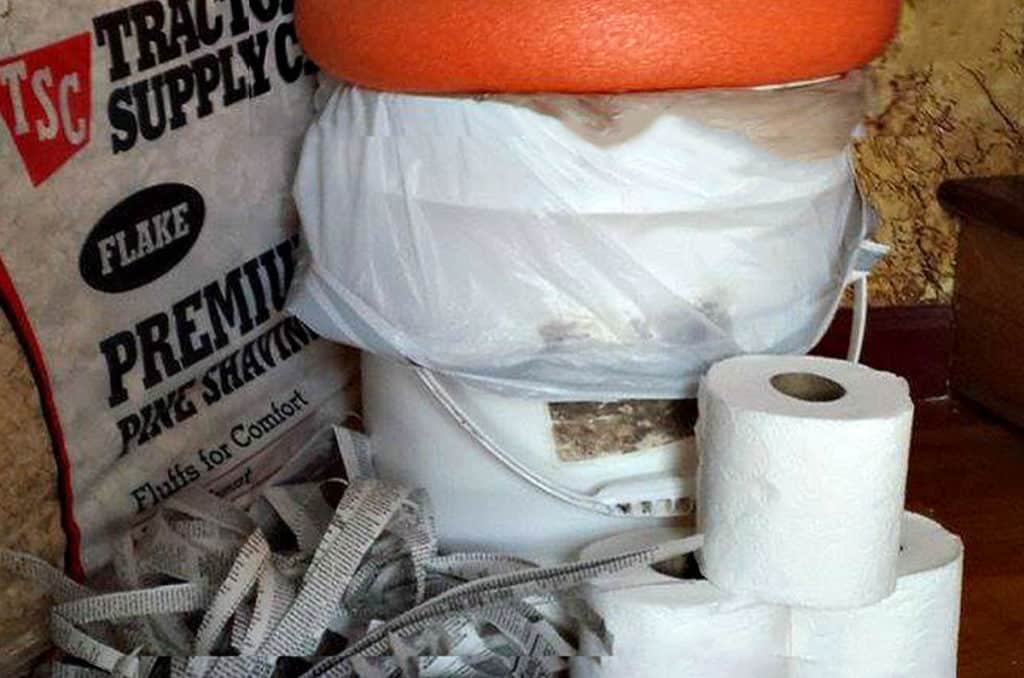
If toilets aren’t working, use a DIY Emergency Bucket Toilet. Have some wet wipes available for clean up. You can combine a bucket toilet with a folding commode chair for those who cannot squat.
With long term grid down situations, toilets aren’t likely to work. Gravity handles the flush (in most cases), but the sewer or septic may rely on power to pump sewage. Know where your poop goes.
Also, if you are low on a sewer line, you may need to turn off your sewer to prevent back flow into your home. Get the shutoff tool and learn about septic/water shutoff BEFORE an emergency.
#10 – Garbage
Work out a plan for garbage and dealing with disrupted garbage pickup. If you use paper plates and plastic silverware so you have less or no dish washing, that means more garbage.
How many large garbage bins could you set aside for water, or refuse, or cleanup, or garbage? What about critters coming around (rats, possums…) if you have a lot of garbage?
If you need to burn garbage, build a burn barrel that burns safe and clean (and make sure it is legal to burn in your area).
Know How to Get in and Out of Buildings without Power
Learn how to get in and out of buildings. Practice at home, work and other frequented buildings. Locate stairwells and learn how to get to them. If the power is out, elevators probably won’t work.
This seems simple, but try it at least once to make sure you can find your way with the building totally dark and with only a flashlight. This is a good reason to have a flashlight at work and/or on your keychain.
Team up in a Grid Down situation!
A prepared group is much better than a prepared individual. Some may have first aid skills, camping experience, self-defense training, and so on. A team has far more skills and resources than an individual.
Think about group communication, like local walk-talkies or ham radio for talking to the team. Maybe there’s a designated gathering location. A deck of cards and a couple board games can help to pass the time when you’re not actively working.
For most of us it’s not a matter of if the power grid fails, it’s a matter of WHEN and for how long. We all need to prepare for power grid failure. Many of the tips shared here are a good idea for general preparedness as well as power outages. We always need food, water and shelter.
Has grid stability been a problem in your area? What’s your biggest concern if the power grid goes down for an extended time?

This post was written by August Neverman IV. August has a strong background in emergency preparedness. He served on several emergency preparedness teams during his tenure at Brown County WI Government, the Medical College of Wisconsin, HSHS, a 13-hospital system and emergency response training during his time with the Air Force and Air National Guard. Learn more about August.
Originally published in 2016, last updated in 2026.
Great Tips… I always forget about #6 and should really be working on a portable toilet for our family.
Remember ..you can use a butane stove inside, but not propane…a deadly gas.
Generally a good summary. Would recommend Coleman propane stoves. Safe, simple, last a long time.
Get Coleman L for 20lb tank and you can “camp” in your kitchen with heat, light, hot food.Have used for a week during Hurricane Fran and an ice storm one week outage. Propane stores well and safely if outside. The newer crank radios work well and come with USB ports for your cell phone. A small chest freezer and a small generator (Honda) will go a long way in saving a lot of food. Can make ice jugs when current on, keep in small freezer, put in cooler for a week to keep refrigerator food. Get soy milk, does not need refrigeration till opened. Perk coffee pot, instant coffee, ibuprofen to correct coffee withdrawal.
Thank for sharing your experience. UHT milk is also shelf stable.
Excellent point… always have a supply of common meds for upset stomachs, diarrhea, constipation, Tylenol, aspirin, cough meds, lozenges, and vitimens. When emergencies strike its those little things that can mean a lot.
Thank you for such great info. I was unprepared for a electrical blackout after a huge wind storm in the foothills in Los Angeles. Ten days without electricity during winter. It got dark very early…and some of us had holiday food in our refrigerators…needless to say all my neighbors lost it all.
I faired well that time…had three more black outs in three years..some due to storms..lightning hitting tranformers..and tree falling down taking the electric poles and all with them. Quiet scarey.
I always keep candles..extra ice filled water bottles in the freezer in case of a power outage to put in the frige to keep my food cold…sort of like the old ice boxes my greatgrandma had. All was a learning experience. Need to buy a generator that’s for sure.
The new generators are more user friendly than the old ones used to be, so that makes it easier when you need to use them. Make use you have a generator enclosure, or plan to run it with the garage open (especially if your garage is attached. You don’t want those fumes building up inside an enclosed area.
Same thing happened to me I kept food in my trunk of my car outside.And since got 2 kerosene heaters and 10 gallons of kerosene which never goes bad.
Re: Lighting-
I live in Florida and have been without power several times after storms and no backup power. Three times over 20 days. I made good use of my outdoor solar lights for indoor lighting. Very safe.
Another good book: Farham’s Freehold – about the aftermath survival effort. It’s fiction, but good reading.
Thanks, Beverly.
I don’t recall seeing gasoline on your list. When the entire portion of Southern California lost power back in 2011, it was really scary. https://en.wikipedia.org/wiki/2011_Southwest_blackout I remember parking my car 1/2 mile from my house because the traffic stopped moving, we were sitting in traffic for 45 min in one spot on a neighborhood sidestreet. I remember walking past the 7/11 and saw cars crammed into the parking lot and gas lots. The pumps are electronic and did not work. Although Southern California lost power for 11 hours, it was a huge wake up call and showed us just how unprepared we were. I don’t let my car get past 1/2 a tank anymore. I fill up as often as I can. If I had a safe place to store a small gas canister I would.
Great article, thank you! And I couldn’t put down that book A Second After. It was very well written. Be it cyber attack, solar storm, or in Southern California’s case, “human error”, It can happen, no doubt about it.
Thanks for sharing your experience. I didn’t even think to add that to the list, as we regularly keeps several large containers of gas on hand for general use around the homestead. Grandpa Neverman also made it a family rule to keep the gas tank topped off, so we stick to that, too.
Gasoline does have a “shelf life” of sorts. If you want gas to last a year or two you probably want to add a Gas Stablizer to it.
What I do is rotate my stored 5 gallon cont. of gas through my car every 4 to 5 months and refill the cans with fresh gas.
*I store any extra gas in my shed.. NEVER the house or attached garage.
I also keep a Small BLUE storage container of kerosine for hurricane lanterns and my kerosine camping cook stove.
* 3 is 2, 2 is 1 and 1 is none. *
That’s a handy survival rule
What about money? Does it make sense to securely store some cash? Would banks operate? Could I get something out of a safety deposit box? Would cash even be used? Would using cash make us vulnerable to robbery or home invasion? Could I get money from retirement accounts, or my monthly Social Security checks, etc. etc. etc.
That’s not entirely straightforward. Depending on where you live, cash may or may not be useful, or useful to varying degrees depending on the type of outage. For instance, post-hurricane this summer, my friend in South Carolina found that many stores were not accepting cash, only credit, because they could not make change. I’m sure that in other cases, some places will only accept cash.
Having money onsite may indeed make you a target, so if you plan to have a stash, I’d have a concealed safe, and maintain good OPSEC. Depending on the extent of and severity of the outage, bank funds and government payments or all types might be unavailable or delayed.
And not just modern US currency. You may want to keep some silver, and some small denomination gold coins (Mexican 2 peso, for example, NOT 1 oz. coins). These will hold value even if the banks fail. Go to a local coin club. Members will often have inexpensive coins to sell. Just act like it’s a hobby, not a prepping activity, and no one will bat an eye.
There will be three kinds of currency when theSHTF
food, medical, weapons money has no value if someone wants what you have they will take it by force
Laurie,
You have a great list, I had not though of some of the things that you have posted on your list.
Is it possible that you could make that list printer friendly? I have pain in my hands at this time of the year, which makes hard for me to write. I appreciate the work you did with that list.
Thank you,
Orpha
Orpha, I just emailed you a copy of the list so you can print it out more easily.
Same…can you email me a list, as well?
On its way.
? in the event of EMP- is it correct to assume that even battery operated devices; walkie talkie;radio;etc won’t operate?
Probably – unless they were somehow shielded. That’s why you see so many posts about homemade Faraday cages on prepper sites.
Putting sensitive devices in a grounded container – such as all metal trash can that is grounded would likely protect them. The can functions as a shield, or Faraday cage, which absorbs and redirects the voltage to “ground”. The same reason some vehicles could potentially survive, as they would be isolated from ground – the problem is when something is PART of the electrical path – it gets smoked (literally).
Make sure you research this thoroughly from reputable sources before trying it, because there are a few gotchas that don’t seem to be covered on some prepper sites.
For example, if you put the lid on the trash can but don’t seal it with conductive foil tape, the tiny gap between the can and the lid can act as a waveguide (fancy type of antenna) and direct some EMP energy inside the trash can. Small holes in the sides aren’t an issue, but the long thin continuous gap where the lid meets the can is. This gap needs to be closed by something electrically conductive like foil tape.
Also grounding the can is at best unnecessary and at worst more likely to damage the contents. A Faraday cage works even when it’s not grounded, and people are tempted to ground their trash cans to the electrical system – the same electrical system that will deliver huge surges during an EMP. If you are storing valuables inside your shielded trash can, why would you connect it to a giant antenna like the electrical system that will deliver a huge surge during an EMP?!
In general you are correct. The container matters – plastic doesn’t work. A good faraday cage without ground will protect the contents – you are correct. Depending on the circumstances, the cage can create a huge static charge. If that occurs a ground will occur at some point (resulting in a static dump). Which is why grounding ensures you don’t end up with a huge static charge. The ground I suggest is a true ground copper ground, not grid tied. Like this: https://amzn.to/2UPOo3G
Even though we live near a nuclear power plant our electricity is from another source. We frequently have outages. Though they don’t last terribly long, your article came on the heels of one yesterday. Good timing. I printed it out in anticipation of not having computer access. Will look it over more thoroughly and physically check off your suggestions. Thanks Laurie!
We had an outage just last weekend. It only lasted a couple hours, but it was a good reminder of how much we depend on the grid. The boys just built a replacement housing for our generator (the old one wore out), so it’s on the to do list yet this fall to get everything resettled for the winter, just in case. With the US giving up control of policing the internet recently, the hackers are only going to get bolder, and I’m concerned that basic services will be affected more regularly.
Did anybody catch the funniest of the statement “Elevators at home and at work”
Who has elevators at home? LOL.
Anyways the real scary deal will be when the liberals and feminists decide to go on *Conservative Hunting* sprees in order to purge the world of filth according to their views.
That’s when the blood baths will start. Do you want to be caught in that especially if you have a family to take care of or being taken care of by a family?
It will be like the Russian Revolution where one dictator gets replaced by another in a different dress with different factions all killing each other for various causes.
Handicap individuals may have person elevators or stair lifts in private residences. Many people live in multi-story apartments or condos and regularly use elevator access to get to and from their homes.
Yes one of our good friends has an elevator in her home. Also our Church has one…
Yes we were thinking multi-story apartment buildings. A LOT of people live in them, and they consider them home. So yes, it sounds funny to some of us (including me – until I lived in an apartment/condo for 5 years by necessity).
Will an EMP wreck havoc with a pacemaker?
Maybe. Many of the newer ones have some sort of shielding, but it would be best to check with your healthcare provider or pacemaker manufacturer to be certain about a specific model.
Will an EMP destroy trains? I know steam trains will still work like on heritage railways. Could an EMP be the return of the steam era?
Anything with electronics will stop working – modern trains included.
This is a little bit of an exaggeration, like back in Y2K when it was said planes will fall out of the sky once the date ticked over to 2000.
An EMP is dangerous only because electrical wires act like antennas and will pick up an electrical current, and in the case of an EMP, some wires will pick up more of a current than they were designed for. The amount of current they will pick up is related to their length, and whether they are shielded or not by some sort of metal enclosure.
This is why power lines, which are very long and have no shielding at all, will pick up huge electrical surges and deliver them to people’s home electrical outlets, possibly damaging anything plugged in at the time. Trains may be damaged for the same reason if they are electric, but diesel locomotives will likely be unharmed since they are enclosed in giant metal boxes which will shield much of the electronics they use for control.
Likewise it has been shown by experiment that modern cars are also surprisingly rugged when exposed to low-level EMP, with things like the entertainment system crashing but everything returning to normal after the car is switched off and back on again. In some cases the vehicle battery had to be disconnected for a minute or two to completely reset the electronics, but there was no lasting damage.
Things like cell phones have wires in them that are far too short to pick up any meaningful charge from all but a direct hit with an EMP, so chances are most phones will keep working even if they are not shielded. They might even get a signal from the cell tower because towers typically have excellent lightning protection, which means they have a great chance of surviving an EMP. Of course if grid power goes out which is quite likely, it may only be a few days until the backup batteries in the towers go flat so this doesn’t mean it will be plain sailing.
Don’t totally agree. The odds of a solar flare or a nuke bomb EMP are extremely LOW. The odds are at some point an EMP will occur. It is not “theoretical” not like Y2k. We have examples in 1859 and recently in Canada in 1989 as noted in the article. Knowing the exact amount of energy is a true unknown. However, the amount of energy in a small to medium solar flare would be absolutely massive (a large one would potentially cause flash fires). The impact would be far more than the impact seen in 1989 when we were just grazed by a small solar flare. So I don’t agree it is the same as Y2k.
A solar flare could be hours to over a day (based on direct solar flare observations). So the impact of a solar flare is significantly more complicated as demonstrated by the 1989 Solar EMP. The solar flare is not like lightning at all. The nuclear bomb EMP would be more like the lightning – based on the RF signature of the previous EMP tests by the military.
You are correct on the diesel locomotives and I agree some cell towers might survive. But my opinion (not fact) is that the sensitivity of the tower electronics would be damaged by the ongoing solar flare. Regardless of individual devices or engines surviving, the grid would be seriously damaged, if not outright destroyed (but again extremely unlikely, my guess millions to 1). I believe a cellphone may be damaged mainly because some use RF (near-field) charging which is designed to receive an RF charge and in a solar flare the ambient charge would be thousands if not 10s of thousands of times higher. Regardless even if cellphones don’t get damaged — the wider grid damage is the higher risk. Lack of electricity will be the issue. I encourage you to research the 1989 event to get a good idea what a nationwide or worldwide event would be like.
As noted odds are extremely low – but the level of risk (ie the impact) of a direct hit from a small or moderate solar flare would be devastating. I wish it would be like Y2k but it would not be- we have tests and a real world solar flare example of 1989.
Y2K was a real deal. The good thing about it was the problem was well understood and simply needed the effort to fix and test. I spent a solid three months building and manning a dedicated test system for my company to be able to test and fix each of the applications developed on that site. Come 01/01/2000, nothing went wrong. Problem sorted. A (very) few major companies didn’t bother and some of their systems did go down.
In contrast, the problem with an EMP is the effect on each individual piece of equipment in its specific environment is unknown. A box may be EMP hardened but the box it’s sitting on may burst into flames.
I have a question I’m hoping someone can answer for me. We bought a house last year that has a gas generator attached to the house and comes on after a few minutes of the power going out. I’m curious if the generator would still work if an emp took out the electricity? Thanks for any help!
It depends on the unit. It’s possible that the controls might be shielded somehow, but unlikely.
As a backup think Amish probably the only ones that won’t even notice a emp!
I would also recommend the MSP Core 4 or Core 5 backpacking stoves. They can be configured as a rocket stove, wood gassification stove, or a combination. The 5 is the bigger stove.
I know the Core 4 will support a 10 inch dutch oven or skillet with no problem. These stoves are extremely efficient. it’s surprising how little ash you get compared to the amount of wood burned.
This all really great advice. Being in the electrical business as well as the home generator business, I would like to say that financing a generator is a great way to make it affordable. Many good companies will offer great payment plans that you can take advantage of.
You can get a plugnplay t-stat to convert a small chest freezer into a fridge. Chest freezers are much more efficient than front-opening units (what kind does the grocery store use ? They usually don’t even have lids). The behemoths Americans are used to use too much power for most solar systems and require too large a generator to run for an extended period. Amazon sells the stats (Johnson control–less than $60). Get the stat ahead of time, as they will be very hard to obtain during an extended outage. If you can afford one, get the freezer as well.
I didn’t even realize those existed, but it makes sense. These – Inkbird Itc-308 Digital Temperature Controller Outlet Thermostat, 2-stage, 1000w, w/ Sensor – look like something similar.
I’ve lived in primitive situations several times in my nearly 70 years, no electricity or drinkable water,
for months at a time. Laurie’s list is excellent (most people forget about toilet flushing, start to fill your bathtub and replenish from ANY undrinkable water you come across). Have ordinary bleach on hand, a small amount added to ‘unsanitary’ gathered water and to ‘toilet brew’ is good. If you haven’t gotten 1 of the small cooking stoves (shame on you) an “alcohol stove” can be made from metal cans and plain old, off the shelf alcohol (DYI info is readily available). Last, matches can be “waterproofed” by quickly dipping their lighting end in liquefied candle wax. Don’t try to do everything at 1 time but DO keep at it.
Thanks for the tips, Tom.
Also hand sanitizer makes a great fire starter in an emergency. It is about 99% alcohol!! Just have to be careful using it.
I rarely use it, so wouldn’t have thought of that, but it makes sense.
I have to disagree. I have attempted to lite a pellet stove with hand sanitizer on multiple occasions, using a lighter (the long, gun type) and I might as well have tried to light a puddle of chocolate pudding.
You bring up a good point… always try out these methods first… and then practice to stay sharp.
Also, if you wear perfume, that can be used for a fire starter. And dryer lint. When I was in Girl Scouts, we used to take dryer lint to camp to use for kindling.
“if you wear perfume, that can be used for a fire starter” DO NOT LIGHT THE PERFUME THAT YOU ARE WEARING THOUGH…You were not very clear on that…LOL
Good tip for the Tide Pod eating crowd, although I don’t think they visit the site much.
Bleach has a limited shelf life pool shock is the better idea.I would prefilter then boil.
Hey what about self defense… You know? Some p*nks would probably wanna get their survival kits forcefully
Better start learning some boxing and shooting…lol
Self defense and situational awareness are always good skills to have.
Typo in #1—Lighting, paragraph 2:
“…they create a fire risk and fresh are…” should be “…they create a fire risk and fresh air…”
Thanks! Fixed.
Try reading “One Second After” by William R. Forstchen. It’s a fictional novel, but is an eye-opening illustration of what could potentially happen after an EMP (Electromagnetic Pulse) event.
Yes, a very thought provoking book.
What I recall most is the fact that only the oldest vehicles [those without electronic components] would function – until the fuel supply ran out…
You better be able to pop the clutch to start it when your alternator is fried.But good luck refilling your tank without power to stations if they even have any.A bike is a better choice!
Best choice is a 10speed with a trailer if the grid is fried so is all electric motors and electronics including the diodes in a solar panel.
Question – What happens to people with pacemakers and/or defibrillators ? Will batteries go out?
Regarding pacemakers, many of the newer ones have some sort of shielding, so they may be protected from an EMP. Check with your healthcare provider or pacemaker manufacturer to be certain about a specific model.
Defibrillators that are sitting waiting to be used are battery powered, so they should work without grid power, and would not be damaged by am EMP because they are not grid connected.
Batteries are not impacted by EMPs if they are not connected to the power grid. If they are in a device connected to the grid and the EMP comes with a power surge through the grid like the Carrington event that fried telegraph wires, then there’s a possibility of damage.
Our novel, Post Grid, is an Amazon #1 best seller too. People are inspired by works of fiction, makes them think. Nan
I read it. it’s also important because he based the results on congressional and military studies done to determine the effects of a large scale EMP. No guesswork on that part by him.
he does give the main characters some advantages to keep them alive, but that allows him to play out the effects of the EMP over time. Very well written fact based book. as far as the aftermath of an EMP on industry, communication, and transportation, I don’t think there is a better researched book.
I’m surprised nobody attempted ot make a movie out of *One Second After* yet. That would make a good one considering all the Christian or historical films that have been coming out by indie developers recently.
According to wikipedia (so info may be reliable or not) – “The option for the film rights to One Second After was initially sold to Warner Bros., but subsequently expired. As of August 2011 a new option was being negotiated with another studio.”
The topic may be to real for the studios to touch. There’s a so called “trailer” for a movie on youtube, but it’s awful.
The problem with one second after is that during an EMP there will be a back EMF that makes electricity goes backwards frying all the circuitry of the vehicle even older ones because of the battery. The battery will be fried.
Your flashlight probably won’t turn on again even if it’s off during the event.
I’m not sure what you mean by “back EMF” but in an AC system the electricity travels backwards 25 or 30 times every second (if you’re in a 50 or 60 Hz country).
Older style flashlights with incandescent bulbs are generally too small to be affected by EMPs, as their size means they can’t pick up enough electrical current to cause any damage. Newer LED flashlights won’t pick up any more stray current, but since LEDs are much more sensitive to overvoltage situations there is perhaps a small chance that these could stop working.
Does he cover home protection
Thanks!
Good idea! I have read this book and it really opened my eyes to what could potentially happen during an EMP event. Also try the next book, One Year After, by the same author, William R. Forstchen