
What to Do When the Power Goes Out (10 Things to Prepare)

This post may contain affiliate links. Read my full disclosure here.
Our power grid is aging, and with increasing power demands, it’s likely to get worse before it gets better. When the power goes out, you need to be prepared. We’ll help you get ready for short term outages, as well as longer ones that disrupt communications, water and trash pickup.
The power grid is overloaded and under attack. The average age of the U.S. power grid is about 40 years old, with many components beyond their designed lifespan. The average length of power outages has increased in all regions since 2022, from 8.1 hours to 12.8 by the midpoint of 2025.
The US power grid faces daily cyber threats, with attacks on utility companies rising 70% in 2024. While most do not cause outages, critical infrastructure, including energy, experienced 420 million attacks worldwide in 2023. Physical attacks to power equipment are also on the rise.
See “10 Reasons for Power Grid Failure” for more details on what causes power outages.
Would you like to save this?
Table of Contents
- What would happen if the power grid shut down?
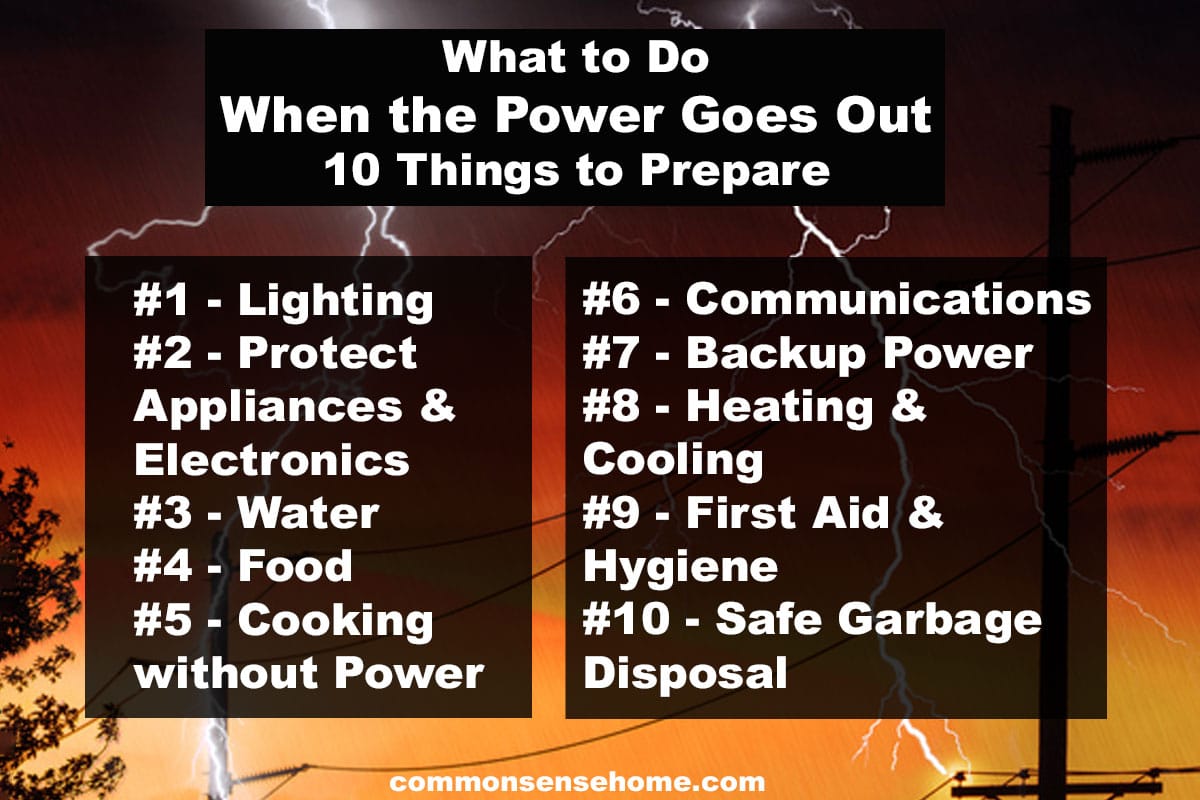
- 10 Things You Need to Prepare for When the Power Goes Out
- #1 – Lighting
- #2 – Protect Appliances and Electronics
- #3 – Water
- #4 – Food
- Tips for Refrigerators and Freezers When the Power Goes Out
- #5 – Cooking Without Power
- #6 – Communications
- #7 – Backup Power
- #8 – Heating and Cooling
- #9 – First Aid & Hygiene
- #10 – Garbage
- Know How to Get in and Out of Buildings without Power
- Team up in a Grid Down situation!
What would happen if the power grid shut down?
Sure, there’s the obvious stuff that happens without electricity – no lights, trouble with heating and cooling, and so on. If the power grid goes down longer, water, sewer, communications, and natural gas will also fail eventually. Without a plan in place, most of us would be in bad shape with an extended grid outage.
Businesses that are open may only be able to take cash, or only take credit. It’s good to have both on hand, especially small bills.
10 Things You Need to Prepare for When the Power Goes Out
Report your outage to the local utility so they know that service is down. Provide any information you may have about power line damage to speed up repairs. Some utilities allow you to check for known outages.
Here are 10 things you can do to be better prepared when the grid goes down.
#1 – Lighting
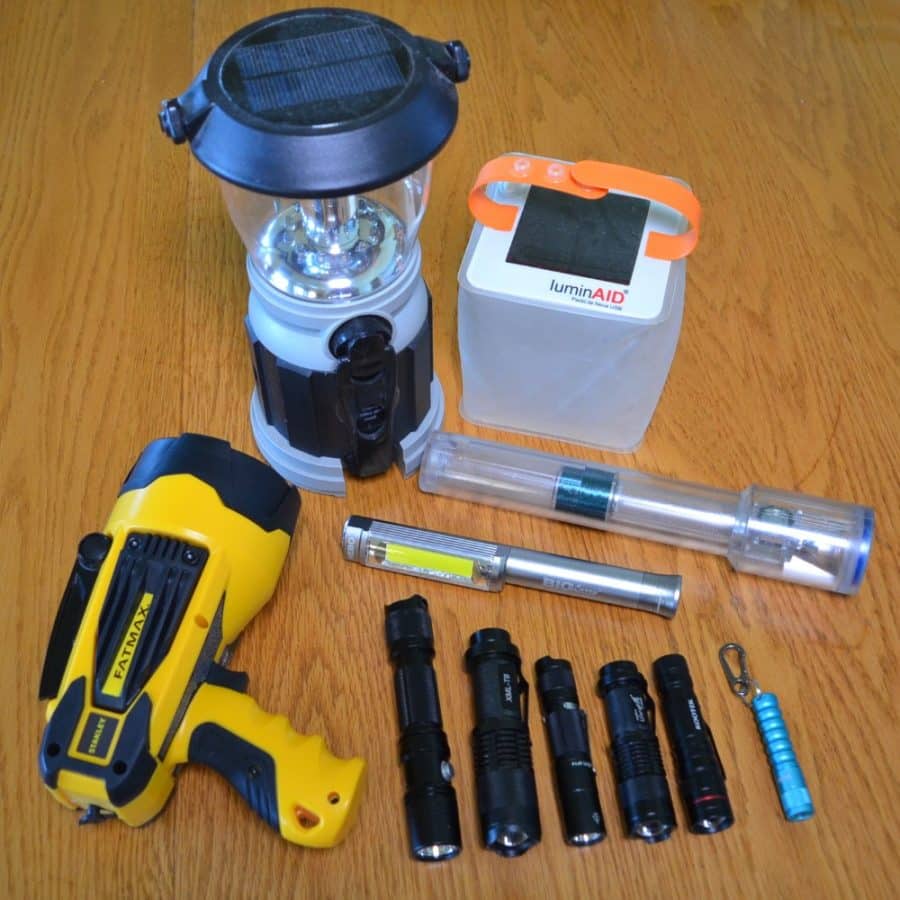
Make sure you can see when the power grid fails! We keep flashlights in each bedroom, near the electrical panel, around the house, and in each vehicle. A crank powered flashlight is great to keep kids busy and serves double duty as a light and backup charger. You can check out some of our favorite flashlights here.
Flashlights are great, but they only work with well charged batteries. If possible, standardize your flashlights and other battery gear on AA, AAA and/or 18650. We outline our top picks for batteries and chargers here.
Be careful if you opt for fire based light sources. Never leave candles or oil lamps unattended. They may create a fire hazard and fresh air may be a problem if you are in a tightly sealed building.
#2 – Protect Appliances and Electronics
Use surge protectors or unplug appliances and sensitive electronics when the power goes out. This helps to eliminate damage from power surges when the grid comes back online. You may want to leave a light on to indicate when power is available.
Pay special attention to:
- Computers
- Routers
- TVs
- Medical devices
#3 – Water
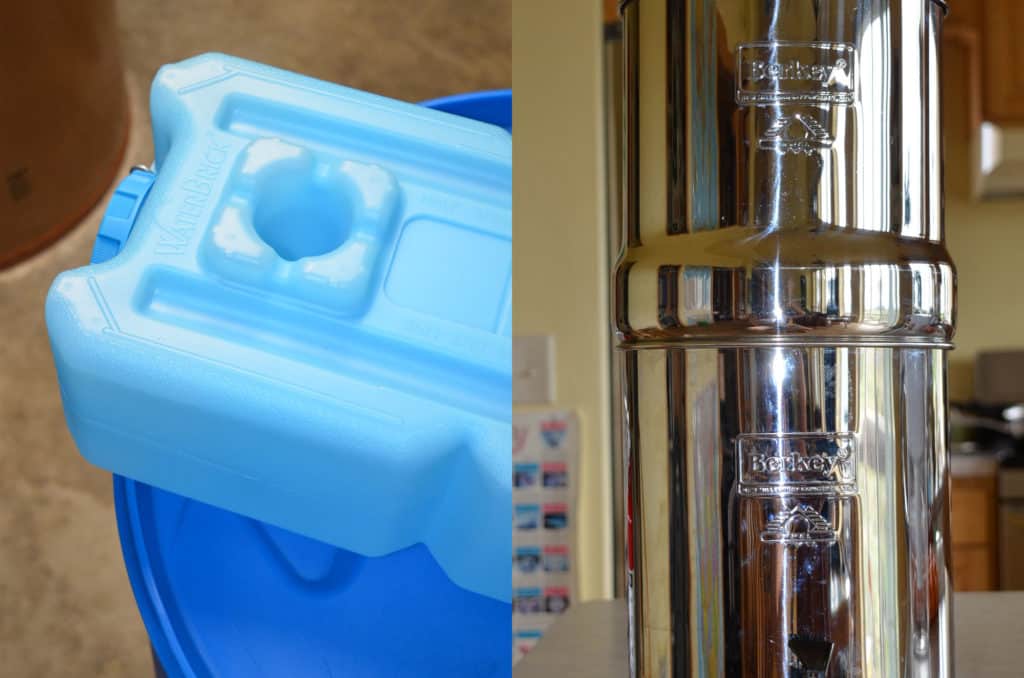
Keep a couple cases of water bottles around for emergency power outages. It’s best to rotate your water storage to keep it fresh and avoid container failure. We also have a 55 gal drinking potable water drum with a pump and a roller base for emergencies.
If you suspect power might go out for a long time, fill your bathtubs, your sinks, and other containers. When the grid is down, save dirty wash water in a bucket and use it for flushing toilets.
Your water heater likely won’t work when the power goes out (even gas heaters have electric ignitions). If you have warning before the power goes out, get cleaned up and do dishes or laundry.
Finally, consider good water filters such as larger Berkey or ZeroWater or portable Katadyn or Sawyer. These can take questionable water and make it drinkable. NOTE: pre-filter with a cloth to extend the life of any of these filters.
See Emergency Water Storage and Filtration for a more detailed list of water storage and filtration options.


#4 – Food
Have a minimum of 3 days of food for everyone in the family – including pets. More is better. Stockpile non-perishable food you regularly eat when it is on sale to save money. If you stock what you eat, it makes it easier to rotate your stock to keep it fresh.
During recent winter storms, friends faced extended power outages and closed roads. People in their area posted pleas for food and water on social media. Don’t be unprepared – stock up in advance.
Tips for Refrigerators and Freezers When the Power Goes Out
When the power goes out, keep doors of freezers and refrigerators closed as much as possible. Make a list of what you need to grab and get it all quickly then close the door.
A chest freezer holds the cold better than upright refrigerators and freezers. A full freezer will hold temperature for about 48 hours (depending on the outside temperature). If the freezer is half full, it’s only likely to keep food frozen 24 hours.
If your freezer is not full, fill the extra space with jugs of water. 2 liter soda bottles or plastic vinegar jugs work well.
Don’t fill the bottles all the way to the top. (Water expands as it freezes.) The frozen bottles of water also provide a backup source of drinking water as they thaw.
Refrigerators keep food cold for about 4 hours. A cooler with ice will keep perishable food better than a refrigerator for longer outages.
Fruits and vegetables are more forgiving than meat and dairy. Use common sense, if it looks bad or smells bad do not eat it. If your choose to eat something that is questionable – cook it thoroughly. When in doubt, throw it out.
FDA Food Safety guidelines note:
Before using any foods, check your refrigerator and freezer thermometers. If the fridge is still at or below 40°F (4°C), or the food has been above 40°F for only 2 hours or less, it should be safe to eat.
Frozen food that still has ice crystals or is at 40°F or below can be safely refrozen or cooked.
If you’re unsure how long the temperature has been at or above 40 degrees, don’t take a chance. Throw the food out.
FDA
#5 – Cooking Without Power
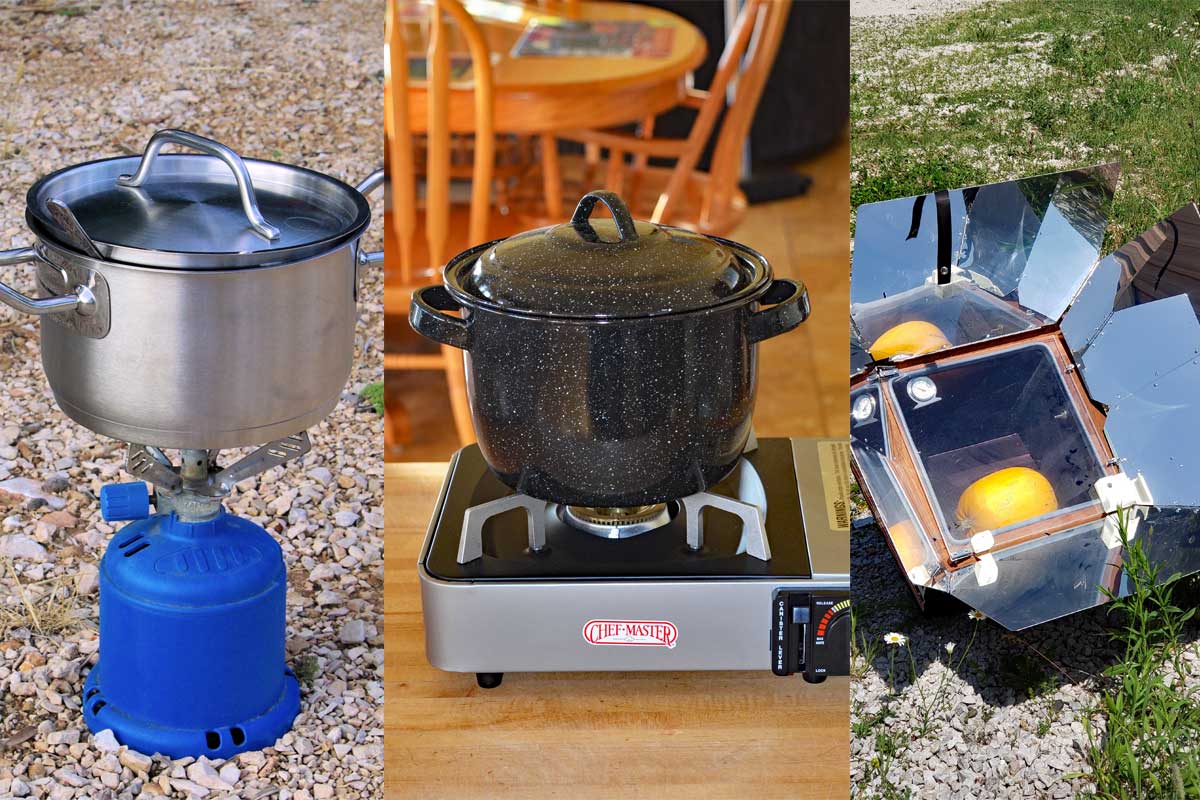
Learn how to cook a meal without power BEFORE the power goes out. Outdoor grills work well if the weather cooperates. Keep a stock of charcoal or propane, as needed. (Make sure you have matches or a lighter to light a candle or start a charcoal grill.)
Indoor natural gas or propane stoves may or may not work when the power is out. Many gas stoves have an electric ignition, but you may still be able to light burners with a lighter or match.
Small butane stoves are great for cooking simple meals indoors, and store in a space about the size of a briefcase. NOTE- Camp stoves may not be safe for indoor use. Check before you fire up.
See Emergency Cooking – Have a Hot Meal When the Power Goes Out for more information on cooking without electricity.
#6 – Communications
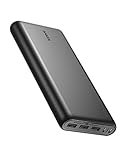
Conserve your cell phone battery by dimming the screen and closing apps. Get a solar charger, and/or car charger, Anker Battery Pack and/or crank USB Radio and charger. Test your charger and batteries when you change your clocks at daylight savings in the spring and fall.
Assume you might not have 911 or internet. Have a list of key phone numbers written down or printed out. Have LOCAL PAPER MAPS, so you can get where you are going even if a few roads are out and your GPS isn’t working. Paper is handy to take notes.
A crank powered radio that can listen to emergency broadcasts is also good to have on hand.
For more info on emergency communications:
#7 – Backup Power
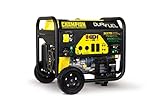
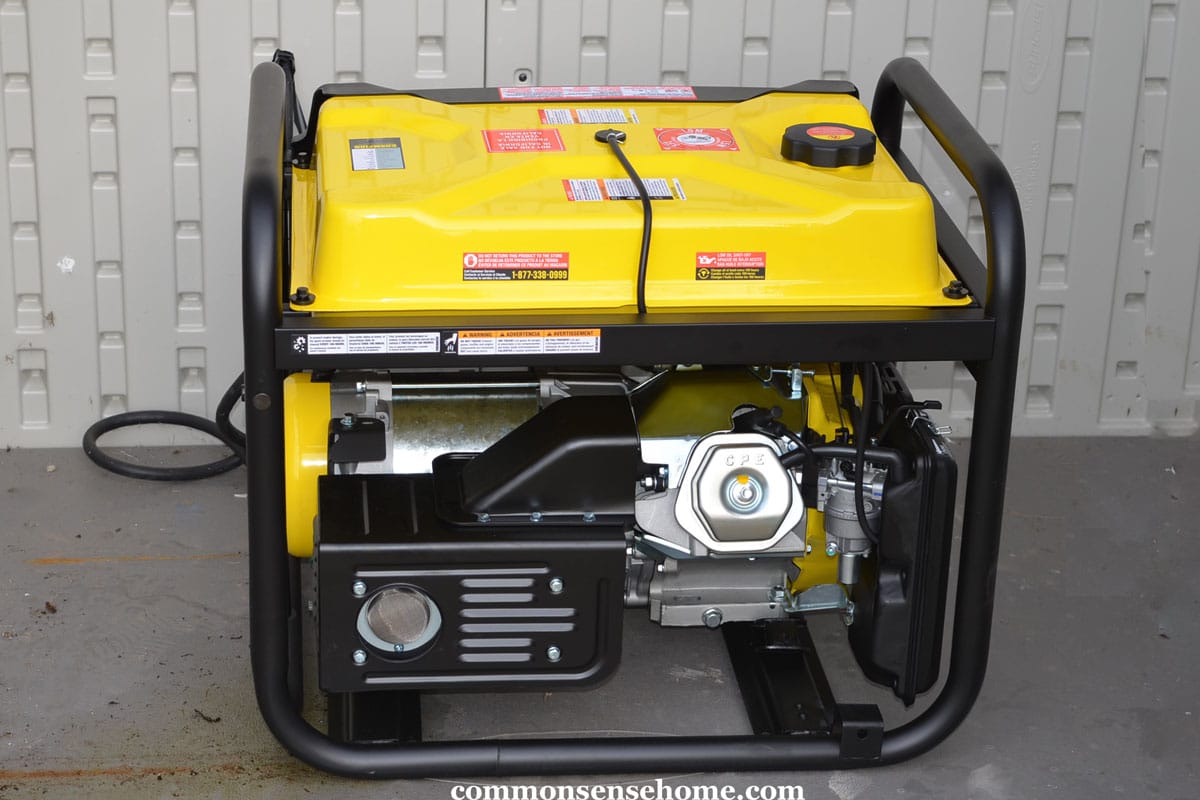
Generator: If you have the funds, consider purchasing a portable generator. Remember, you will need to learn how to use it, and should test it regularly. We purchased a Champion Dual Fuel (propane and gasoline) generator.
You will need a heavy duty extension cord to power your appliances with a portable generator. Alternatively, you can hire an electrician to hard-wire your backup generator to your home’s electrical system.
If you hard wire your generator, you need to isolate it from the grid during a power outage. You do not want to accidentally electrocute a power company lineman who thinks your service is down.
Gasoline-powered portable generators are the most common type due to their affordability, high power output, and widespread availability. For rural areas we recommend propane. It lasts indefinitely and you can store it onsite in a 500 or 1000 gal tank.
Solar electric is more expensive than a generator, but doesn’t need fuel. Even with solar, a generator provides backup at night and during low light conditions (like when it’s storming).
Many grid tie solar electric systems only work when the grid is up and have no on site storage. They have an automatic shutoff that kicks in when the grid goes down to avoid electrocuting line workers.
See Emergency Power Options for Your Home for more information on providing your own power.
#8 – Heating and Cooling
For people who live in northern climates, consider an indoor safe Mr Heater to stay warm. If you buy one, get extra propane tanks. You might need more than one. If you have a fireplace or wood stove, stock up on firewood.
Check out How to Stay Warm During a Power Outage for cold weather survival tips, and Prevent Frozen Pipes.
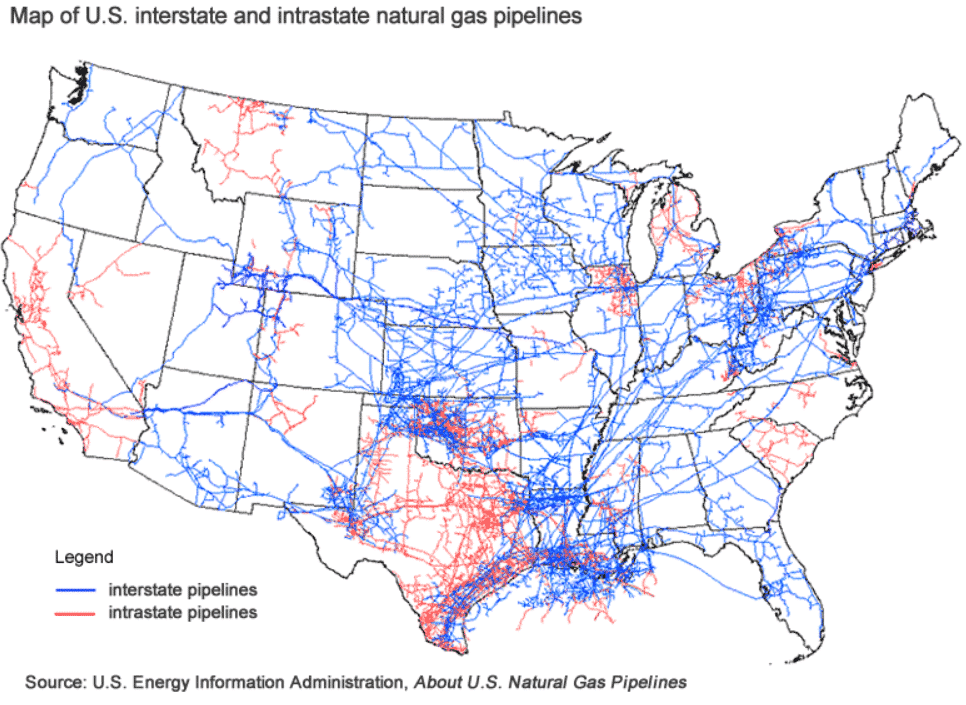
If the power grid goes down will natural gas still flow? The answer is “probably”.
Depending on where you live the natural gas pumps may use natural gas, which means they stay online indefinitely. But some use electricity to power the pumps. If your area uses electricity, you will likely lose natural gas. You have to research for your area.
For hot climates, read 12 Best Tips for Keeping Your house Cool Without AC.
#9 – First Aid & Hygiene
Either make your own first aid kit emergency kit or buy one. Don’t forget to maintain a supply of needed prescription medications. Learn CPR training and basic 1st aid training BEFORE you need it. Make sure the entire family is trained, even the squeamish ones.
For more information on first aid:
Do you have one or two changes of chore clothes for each season? An emergency stash of fresh socks and underwear can make a world of difference during an extended power outage.
Nature still calls whether the power is out or not. If you suspect the power will go out, flush your toilets right away (before the power is out). When power grid fails, follow the rhyme “if its yellow let it mellow, if it’s brown flush it down” for short term outages.
Save water from hand washing for flushing the toilet. Also, don’t forget to stock up on extra toilet paper. Keep some baby wipes on hand for clean ups (but do not flush them).
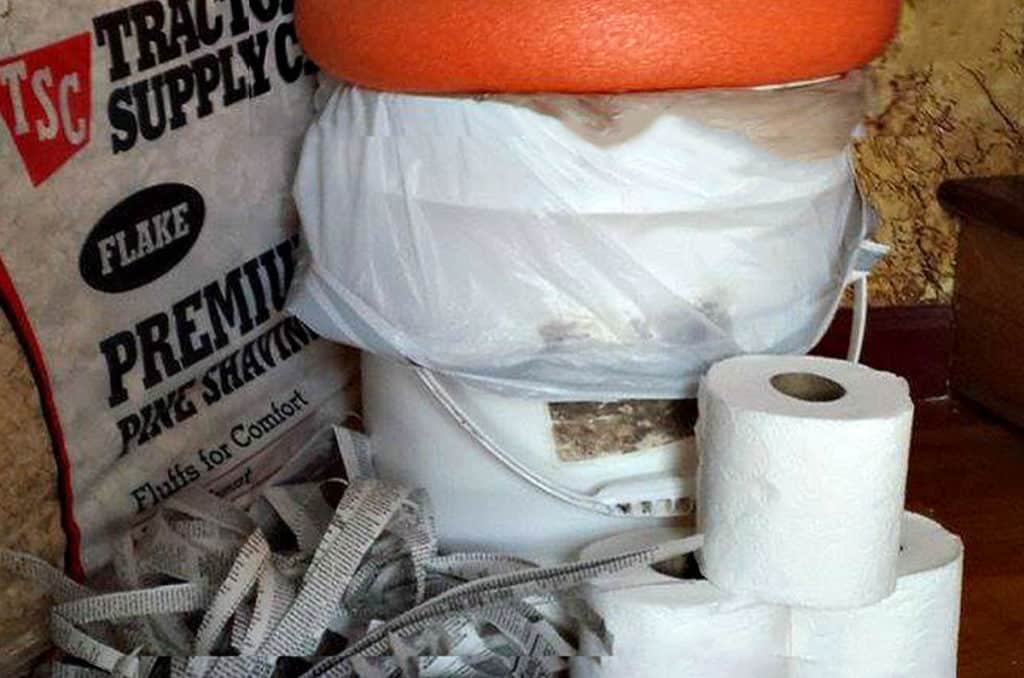
If toilets aren’t working, use a DIY Emergency Bucket Toilet. Have some wet wipes available for clean up. You can combine a bucket toilet with a folding commode chair for those who cannot squat.
With long term grid down situations, toilets aren’t likely to work. Gravity handles the flush (in most cases), but the sewer or septic may rely on power to pump sewage. Know where your poop goes.
Also, if you are low on a sewer line, you may need to turn off your sewer to prevent back flow into your home. Get the shutoff tool and learn about septic/water shutoff BEFORE an emergency.
#10 – Garbage
Work out a plan for garbage and dealing with disrupted garbage pickup. If you use paper plates and plastic silverware so you have less or no dish washing, that means more garbage.
How many large garbage bins could you set aside for water, or refuse, or cleanup, or garbage? What about critters coming around (rats, possums…) if you have a lot of garbage?
If you need to burn garbage, build a burn barrel that burns safe and clean (and make sure it is legal to burn in your area).
Know How to Get in and Out of Buildings without Power
Learn how to get in and out of buildings. Practice at home, work and other frequented buildings. Locate stairwells and learn how to get to them. If the power is out, elevators probably won’t work.
This seems simple, but try it at least once to make sure you can find your way with the building totally dark and with only a flashlight. This is a good reason to have a flashlight at work and/or on your keychain.
Team up in a Grid Down situation!
A prepared group is much better than a prepared individual. Some may have first aid skills, camping experience, self-defense training, and so on. A team has far more skills and resources than an individual.
Think about group communication, like local walk-talkies or ham radio for talking to the team. Maybe there’s a designated gathering location. A deck of cards and a couple board games can help to pass the time when you’re not actively working.
For most of us it’s not a matter of if the power grid fails, it’s a matter of WHEN and for how long. We all need to prepare for power grid failure. Many of the tips shared here are a good idea for general preparedness as well as power outages. We always need food, water and shelter.
Has grid stability been a problem in your area? What’s your biggest concern if the power grid goes down for an extended time?

This post was written by August Neverman IV. August has a strong background in emergency preparedness. He served on several emergency preparedness teams during his tenure at Brown County WI Government, the Medical College of Wisconsin, HSHS, a 13-hospital system and emergency response training during his time with the Air Force and Air National Guard. Learn more about August.
Originally published in 2016, last updated in 2026.
Thank you for the article. Depending on the season, planting a garden would be essential so stocking up on seeds would be a good idea.
Great article! We, also, have a Champion dual fuel portable generator. After break-in, I changed the oil to 10W30 synthetic and changed to a NGK spark plug. Very reliable, quiet, portable, economical generator
Great article. I live in rural Southern California (Yes there are rural areas here!) The electric providers in California can and will shut off power for up to 5 days when there is a high fire potential weather forecast. So I purchased some used 260 watt solar panels and set up an independent power system for our chest freezer. It’s large enough to also run our refrigerator. I haven’t run power to it yet because it’s going to be a big task. In the mean time I can run an extension cord (heavy duty) to it. I’ve had the freezer on the solar power for over a year not without a glitch. In addition every time I walk by it I get a big smile on my face knowing It’s not increasing the cost of my monthly electric bill.
I’ve often seen California friends commenting about extended power outages. Having a backup in that situation makes a lot of sense.
During a longer outage you can burn feces and trash w/o glass. I have a 100 watt solar panel that I made brackets to fit atop of an extension ladder. I fix the ladder to my step railings (rope) that face south. While the power I will produce isn’t much. It will light a few 15 watt pigtail bulbs to keep lights on in a longer power outage.
I hate Amazon you can’t get in any excess information on a product.I have 2- 55 gallon drums 1 for consumption if it freezes outside I will keep one inside transfer water with bucket. during the summer used for the garden or one will be used for toilets.But we just don’t realize how much water we go through.
We have natural gas that is piped into our home, and it is hooked up outside to a city gas meter, and we pay for the natural gas on our city utility bill, every month, along with our city water and electricity; all on one bill. If our City Utility Company goes off grid, for whatever reason, will we still be able to get natural gas to our stove top; to our gas fireplace; and to our home generator that runs on natural gas? Thank you, in advance, for any feedback to my questions.
It depends on how the infrastructure is set up. If it’s a situation where the gas is being trucked in, and trucks are no longer moving, the supply will dry up pretty quickly.
At the very least, like municipal water, there is some pressure in the lines, and they should have some backup emergency pumps to keep things moving for a time. With an extended outage, odds are low that gas would continue to be available. You should be able to contact someone at the city who could give some information on the emergency planning and backup systems.
I wish those new light bulbs were a tab bit more attractive. When you have a fixture and the bulb shows, I think it takes away from the look of it. I know it is better for energy savings. Sometimes I choose, rather foolishly, fashion over function. Our shoes are the perfect example of this right ladies?!
Have you gone shopping for light bulbs recently? Many of the new LEDs are almost indistinguishable from their incandescent counterparts.
Hello,
Thanks so much for the well written article. Sometimes prepper articles are really condescending but this one is not at all! I love all the lower cost options for things. Sometimes the other prepper articles list the cadillac versions of things because they are ‘better’ and then you end up meaning to save for this or that item but never get it because ….well…cadillac. 🙂 I have definitely added a few of your suggestions to my purchase soon list. Thank you!
I’m glad you found the post useful.
It’s generally acknowledged that scared people buy, so many sites take advantage of that and add language to scare people more to sell more.
We’d rather educate and give options. Start with the basics, and build from there.
Download the Free PDF from the LDS church. It can also be purchased at cost. All inclusive guide that includes everything. Every head of household should prep. Don’t depend upon government that got us into the mess.
If you are urban u need a plan to get out. There will only be death in cities. Look at New Orleans as a fine example.
Great article . Always great to refresh this senior memory and add new info. Info on Reliable products ,if H2O can get out then something bad could get in . I found that prob with also but thought it was just me . I have another brand about 25% more expensive JOHN
Personal security will be a paramount concern in about a week after a grid failure. Even people who are pacifists will change their M.O. when their family has no food or means to acquire food. Even if you are now against guns, wake up, they are a tool to protect yourself when civility breaks down. If you know someone who shoots or hunts, ask them to take you to a range and learn how to safely and responsibly handle a firearm. Buy a reliable rifle or handgun and know how to use it, store it and how it functions. When society breaks down and people are eating your neighbors dog, the life you save may be your own.
You guys should read the Alex Scarrow books. Last light is based on what happens when the oil stops pumping to the uk. It isn’t so much survival advice but a story of one families survival. It was very thought provoking and it gives you a taste of the things to think about.
Most of the web (and our nation) is ran by feelers those who are extroverts and feel thru life and don’t know diddly squat about anything or anyone unless it’s their niche interest. They are taught by evolution there is no truth only what is deemed comfortable in their safety zone.
As a result do you really think we have anyone knowledgeable to operate our grid when the retirees finally die off? The grid is operated mainly by elderly whom should’ve retired 10 years ago but are keeping things going. There is a high opening rate for linemen and grid operators. Nobody wants to work.
I think things have been a little too comfortable for too many people for too long. No motivation to tackle hard work. Also, many corporations treat employees as disposable and interchangeable. Why work your heart out when your employer could care less? On the flip side, businesses deal with ever increasing regulation and job hoppers. Why invest in a person when they’be be gone at the next opportunity that comes up?
It’s all a hot mess.
Why work? You can get paid to be homeless.
The gravy train won’t last when our politicians treat illegals better than it’s citizens.
Good article – but one important thing that was not mentioned is that you need to have cash on hand! All ATMs will be down – banks will not be able to help you get cash. So you should have cash on hand. Preferably and smaller bills.
Interestingly enough, when my friend, Amber, dealt with power outages and road closures after flooding, some stores that were able to open were accepting credit but not not cash – because they couldn’t get reliable cash pickup. Thanks for the note and we’ll add that to the article.
When my children were small, we had an indoor smores making kit. It gave me the idea of using sterno cans for cooking during emergencies and extended power outages, The sterno produced heat sufficient to heat canned soup, canned pasta, heat water for coffee, tea or hot chocolate. Sterno was also a safe, indoor, heating option. Cases of 12 sterno cans may be easily purchased at party stores and some big box stores. In addition to propane for my Coleman stove, I keep sterno on hands. One last suggestion, keep a bottle of unscented bleach in the emergency supplies. The list of uses is extensive. But most importantly, to pretreat questionable water for drinking. There are ratios for bleach to water posted on the internet as well as instructions for the time necessary to wait before drinking the water. I keep a 3 ring binder with info specific for emergencies. Can’t always reference the internet during an emergency. Thanks for the useful information.
Thanks for sharing your experience, Karen. There’s more information on water safety in the post “Emergency Water Storage and Filtration – What You Need to Know Before Emergencies Hit“.
Karen makes an excellent point. You won’t be able to access Google etc. to get instructions, menues, etc. I have a number of folders with info. recipes I might need.
That was very smart to PRACTICE cooking with sterno and your Coleman stove. It doesn’t do any good to have them if you don’t know how to use them.
Thank you all for all the helpful tips and info. Don’t keep up with the news that much but for the past month have had a deep concern on things going down and starting to get prepared. On a limited income currently so appreciate different ways to get started
You’re welcome. Even small steps add up over time. You may also find the article “Fight Rising Food Prices – 6 Proven Strategies to Stretch Your Food Budget” helpful, too.
I would suggest getting a solar panel with a charge controller and some USB chargeable portable light bulbs.you will always have a way to charge your phone and light.And hook it up to a car battery. Get a used Coleman stove and some small propane tanks if used for cooking only it can last for a good 2 weeks. Then food and water you will be way ahead of the curve.
I was thinking about something else that should be in your bug-out gear: cigarettes, EVEN IF YOU DON’T SMOKE. Someone who is Jonesing will do or give you anything for a smoke. They can be more valuable than cash.
And toilet paper! Lots of it. Don’t forget toothpaste and brushes! Think when there is no sewer and people go months without a proper bathroom and you come along offering fresh toilet paper that you can wipe properly and toothpaste with brushes! People will be so thankful to have basic hygiene tools again.
Toilet paper? I see you never went camping.just a luxury not a nessicary.what do you think the pioneers used.
Many common herbal “weeds” can be used medicinally for bladder infections.Possibly because there were issues with them among our early ancestors, especially with the women. The Lord provided.
Good sanitation and hygiene, if the grid goes down, will be essential. Could mean life or death.
I vote for LOTS of TP or even linen fabric that can be washed and reused for TP, if there’s enough water. Some linen releases stains and it dries quickly. So add, a manual washing machine (Amazon), disinfectant, clothes pins, line, to the list for longer term survival.I keep reading that if the grid goes, we may be on our own for about a year.
REI sells 5 gallon buckets with toilet seat and lid for about $20. 8 gallon biodegradable liners on Amazon to go inside. Large packages of kitty litter could be helpful from Costco. A post hole digger on hand for disposal.
I was thinking about the possibility of an EMP attack the other night and was realizing that if it were done it would most likely be carried out during the night, since our various enemies know that if people woke up, they would be, for the most part, unable to do anything until daylight. Even if you keep flashlights next to your bed, if they have LED lights, they would be disabled by the EMP. Also, our enemies know, I am sure, that most of our military members who are married live either off base or on base housing and would have no way to get to their duty stations. I was thinking that one way for individuals to deal with that, to some extent, would be to keep a flashlight in one of those Faraday bags next to your bed, probably one in the bathroom, so that you might be able to get to your larger Faraday cage(s) to get and use other electronics or items you have put away for such an event? What is your thought on that? With the current threats from N Korea it is something we need to think about and plan for in advance. I also have some low power power-stations which have to be recharged every three months even if you don’t use them, so I keep them in one 31 gallon metal garbage can, sealed with aluminum tape, and then take them out every 3 months on the first of the month, to recharge them. Also have small solar panels with wires to use if necessary that I keep in the Faraday cages at all times. Those can be used to recharge items and batteries to keep other things going.
Yes the scope of an larger EMP is overwhelming. Even with small or even moderate generating capacity, it would be a rough life. The ONLY food would be local as 99% of vehicles would not operate, and things we take for granted would be gone for weeks, months or even years (depending on the number of nukes). It is a hard concept to deal with – and the odds are quite low. So we recommend the 72 hour, or 3day storm preparation as a starting point. Having enough for a couple of weeks is the next recommended level, ie Catrina/Harvey level storms – and in the north a week long snow storm causing power outages. These are more likely and more straightforward to prepare for. With all that said, we are not discouraging prepping for a small or even large EMP… its just hard to prep for.
The best time for a emp would be during the winter and at night.Most people would freeze.
I’ve lived in a low population rural county since 1983. One thing I’ve learned is that power outages are going to happen. The usual cause is either a lightning strike on a transformer or a freak ice storm taking down power lines. One of my former residences was prone to having the transformer struck by lightning because the house was built on top of a large outcrop of granite. Our transformer was fried 3-4 times per year, every year. That was an awful inconvenience, so we were always prepared for it.
My recommendations are to take extra care with sanitation issues. (bag in the bowl or 2 bucket system, hand wash station, etc.) Also, if you live out in the boonies, I recommend that you have an LP furnace or space heaters & an LP cook stove. You can heat your home during an outage in the winter & cook and/or boil water all year round. When you live in the country, unless there are burn bans, you can burn your trash. I store extra dried beans, rice & pasta at all times, along with some canned meats & sauces. That, coupled with whatever is in your freezer will get you through an extended outage. Like you, I keep a few extra 5 gallon cans of gas for lawn mowers, etc. There is a good reason to keep your vehicles tanks topped off… It’s to prevent the accumulation of water in your fuel tank due to condensation, which is pretty common in the cooler months. Get a 20 pound LP tank & several 1 pound LP tanks & you’re good to go for cooking if you don’t have a gas cook stove. There’s a brass coupling you can buy that will allow you to refill 1 pound LP tanks from a 20 pound LP tank. (and probably let you refill a 20 lb. tank from a 250 lb. tank) I’m an avid camper so my camping gear is just about the same as prepper’s gear. I have many alternative methods for cooking meals, lighting, charging small electronics, etc.
My home is the bug out location for my extended family, so I’ll be hunkering down. Unless a tornado hits here, I’ll never bug out.
I have maps, lots of maps… I have a large spiral bound Rand McNally US map, several state maps & many county maps for all the contiguous counties surrounding my county. County maps are good for finding alternative routes such as county roads & private roads.
I enjoy reading your website because you post some very practical articles. Thanks & keep up the good work.
Thanks for your kind words, and thanks for sharing your experience, J. L. All good advice. We have a stash of paper map, too, and made sure our sons know how to use them. with GPS tech so common now, many of the younger generation are unfamiliar with map reading.
I have a handicap husband and 6 grands need a list on things to have just in case of a emp could you help me
The power would likely be knocked out, so this checklist is a good place to start. Food, water, shelter are always top priorities. For more about concerns specifically related to EMPs, visit https://commonsensehome.com/electromagnetic-pulse-emp/
I would stock up on supplies for a natural disaster but a EMP attack is not survivable.Even the Amish who are best equipped would not survive when the nuke plants go without cooling water and have a melt down. (Have Faith nothing is beyond Gods power)
Nuke plants in the US are set up so that if the power is cut, gravity drops control rods into place that stop the reaction. No kaboom.
When I lived in PA, in our neighborhood, we lost power at least once a year from car vs. pole. Pole always wins.
Somebody else, on another site, discussed dried vs. canned beans. Dried beans are lighter and more portable, but having to soak them and cook them uses up precious water and fuel. Beans in cans require a can opener (have a manual one in your emergency supplies), but can be eaten right out of the can. With beans in jars, you have the risk of glass breakage, but again, ready to eat. And if you should break a jar, save the broken glass to use as a cutting tool or weapon. Probably the best thing would be to have a mix of dried and canned, to cover all your bases.
When you cook beans you just need a type of thermos to same energy.
I didn’t see a word in either the article or comments about keeping some means to defend those stocks of what you have. Your burglar alarm isn’t going to work in a power outage, and police/fire are going to be busy in this situation.
If you are comfortable with firearms, by all means keep them and TRAIN YOURSELF AND YOUR CHILDREN in their use and safety. DRILL it into your children that any firearm they see is presumed to be loaded unless proved otherwise.
If you are not comfortable with firearms, don’t keep them and risk hurting yourself or a family member. You would want pepper spray, an air horn, wasp and hornet spray, something that you can use at a bit of a distance. You want to avoid hand to hand combat if possible. If they have a gun, and you don’t, you’re better off letting them have what they want, and getting out of there as fast as you can.
This part of the topic could be another entire post, but thanks for your feedback. All good points.
Thank you.
Agreed. There are a number of sites on you tube (some by local Sheriff’s departments) which discuss “Hardening” or Securing one’s home to make it less appealing to burglers. NEVER a bad idea.
AKEA, your comments about personal security in a disaster is an issue that is not addressed by enough people. It falls under the category of someone else doing for you. This entire post is about being self-prepared which is almost the most important issue a family can have these days. The ideas expressed are ones we all should examine – yours included. Thanks for bringing up security.
Thank you.
AKEA – bear spray from your local hunting/sportsman store is much better than pepper, wasp or hornet spray. The distance for use is good also.