
Herbal Antibiotics – 15 Natural Ways to Fight Infections

This post may contain affiliate links. Read my full disclosure here.

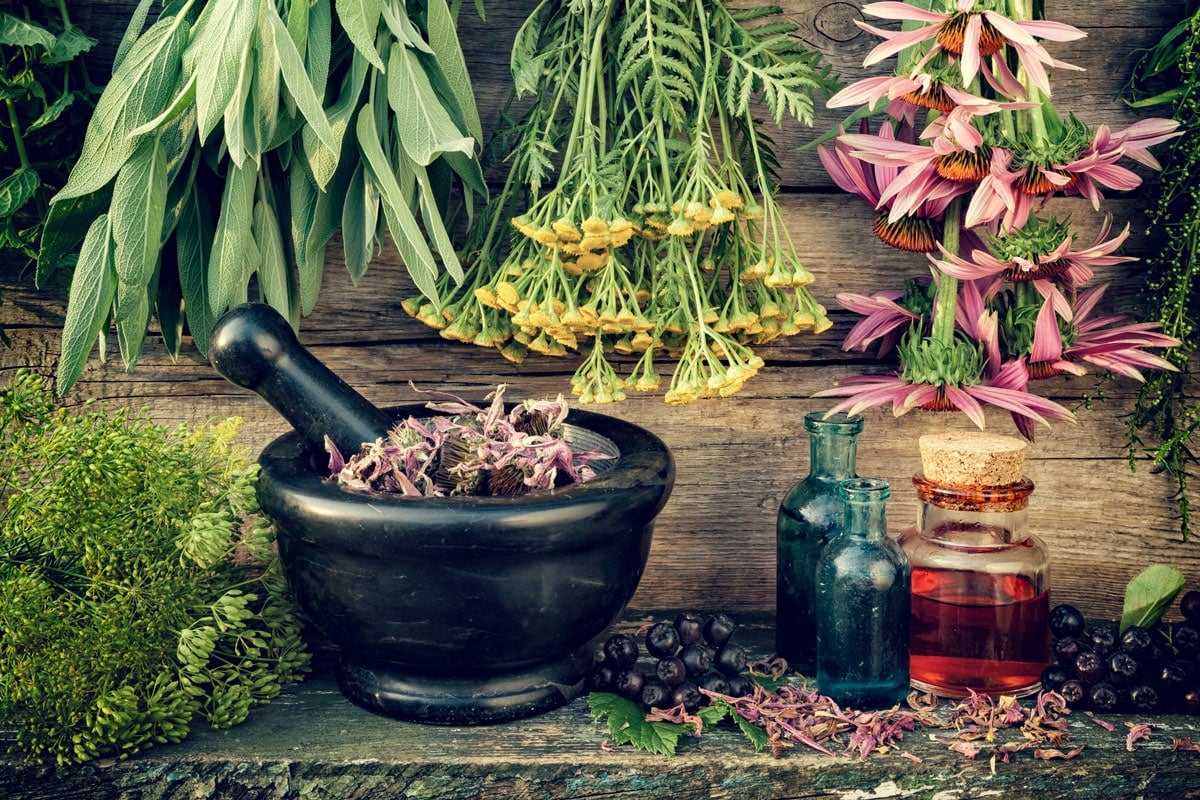
Herbal antibiotics are plant-based foods and herbs that naturally inhibit the growth of bacterial organisms or support the body’s defenses in fighting infectious diseases. These botanical compounds have a long history of use across cultures. They are gaining interest again as antibiotic resistance and drug-resistant bacteria become serious global health concerns.
Conventional antibiotics transformed modern medicine, but overuse and misuse have led to widespread antibiotic-resistant bacteria. Strains of bacteria such as Escherichia coli (E. coli) and methicillin-resistant Staphylococcus aureus (MRSA) no longer respond well to many drugs.
In this article we’ll explore how herbal antibiotics work, safety considerations, and 15 natural compounds with antimicrobial properties.
Would you like to save this?
Table of contents
- How Herbal Antibiotics Work vs. Pharmaceutical Antibiotics
- 15 Herbal Antibiotics and Natural Antimicrobials
- 1. Garlic (Allium sativum)
- 2. Manuka Honey
- 3. Echinacea
- 4. Ginger (Zingiber officinale)
- 5. Licorice Root
- 6. Oregano & Oregano Oil
- 7. Thyme
- 8. Sage (Salvia officinalis)
- 9. Aloe Vera
- 10. Grapefruit Seed Extract
- 11. Usnea (Old Man’s Beard)
- 12. Juniper Berries
- 13. Wormwood
- 14. Cryptolepis
- 15. Eucalyptus
- Herbal Antibiotics for Common Conditions
- Antibiotic Resistance & Drug-Resistant Bacteria
- Safety, Side Effects & When to See a Doctor
- Resilient Medicine for Challenging Times
How Herbal Antibiotics Work vs. Pharmaceutical Antibiotics
Pharmaceutical antibiotics are typically a single chemical compound designed to kill or inhibit bacteria. While effective, this can make it easier for bacteria to adapt and develop resistance.
In contrast, herbal antibiotics are complex mixtures of compounds — such as terpenes, flavonoids, and phytoncides. These compound can have multiple modes of action against bacteria, fungi, and even viruses.
This diversity makes it theoretically harder for bacteria to adapt. Some research suggests certain herbs may work synergistically with antibiotics or target resistant strains.
Important Note Before You Use Herbal Antibiotics
- They are not replacements for professional medical treatment in serious bacterial infections.
- Please see a trained healthcare provider for severe or prolonged illness or injury.
- Some herbs can interact with medications or have side effects when taken in concentrated therapeutic doses.
- Always consider personal health, allergies, and pregnancy/breastfeeding before use.
15 Herbal Antibiotics and Natural Antimicrobials
Remember, not all bacteria are harmful – many are essential to our health and well-being. Always exercise caution with the use of natural antibiotics, just as you would with commercial antibiotics.
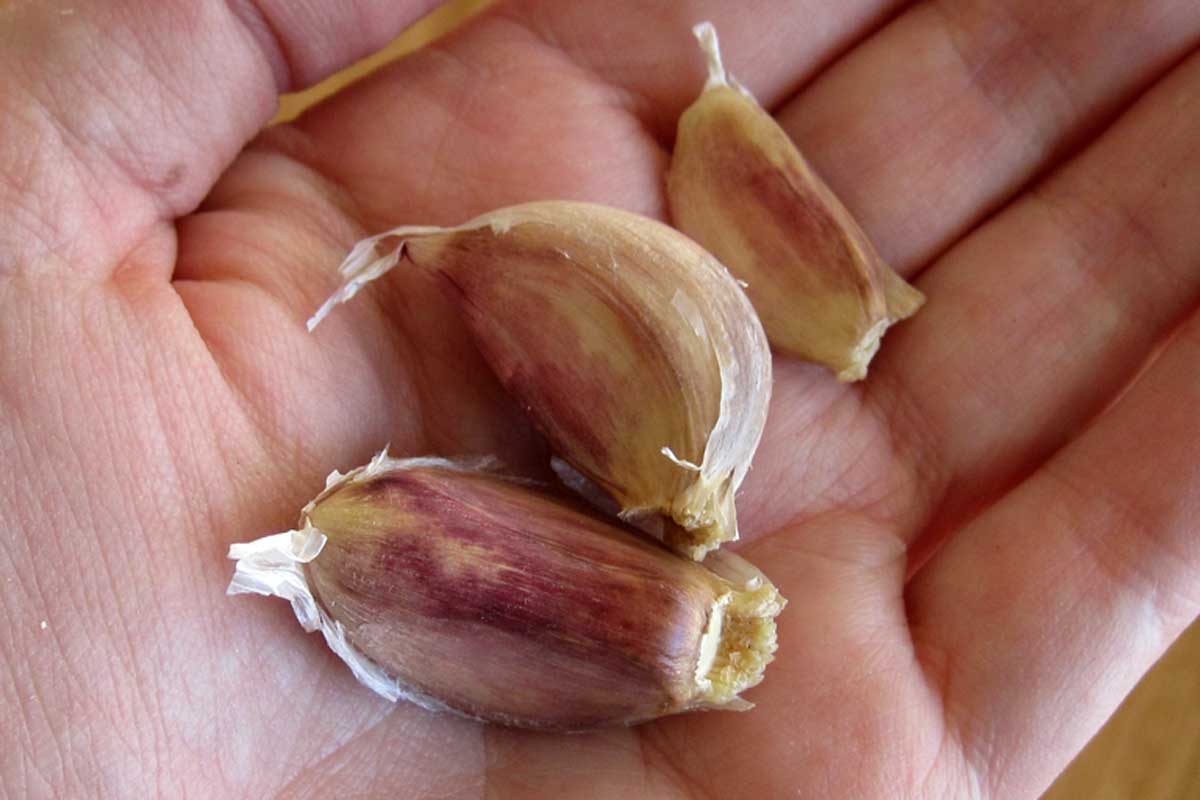
1. Garlic (Allium sativum)
Garlic cloves are a classic natural antibiotic food. Compounds like allicin fight a wide array of bacteria, including E. coli, Staphylococcus, and others.
How to use:
- Fresh minced garlic in food
- Garlic extract or supplement (if tolerated)
- Possible side effects: stomach upset, garlic breath.
Be careful – raw garlic may cause stomach upset and vomiting. Small, frequent doses are generally easier to take than large doses (1/4 to 1 teaspoon juice as needed).
If raw garlic is too strong, try capsules of dried garlic. Ample garlic in food is also helpful. Avoid using large amounts of garlic if you are on blood thinning medication.
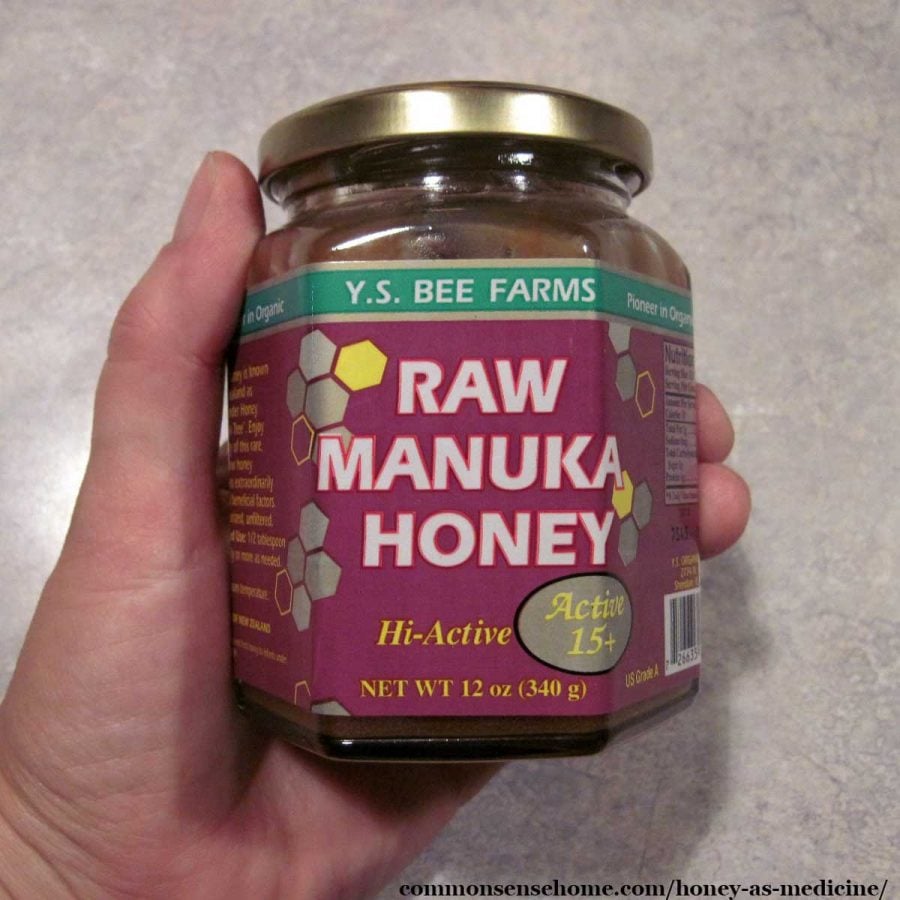
2. Manuka Honey
Medical-grade manuka honey contains methylglyoxal and other antibacterial compounds that inhibit bacterial growth and may even synergize with antibiotics. Uses include wound care and infection control, including against antibiotic-resistant bacteria.
How to use:
- Apply topically on wounds
- Add to warm drinks for sore throat relief
Note: Not all honey labelled “manuka” has high antibacterial potency — use UMF/MGO rated varieties. See “Honey as Medicine” for more information.
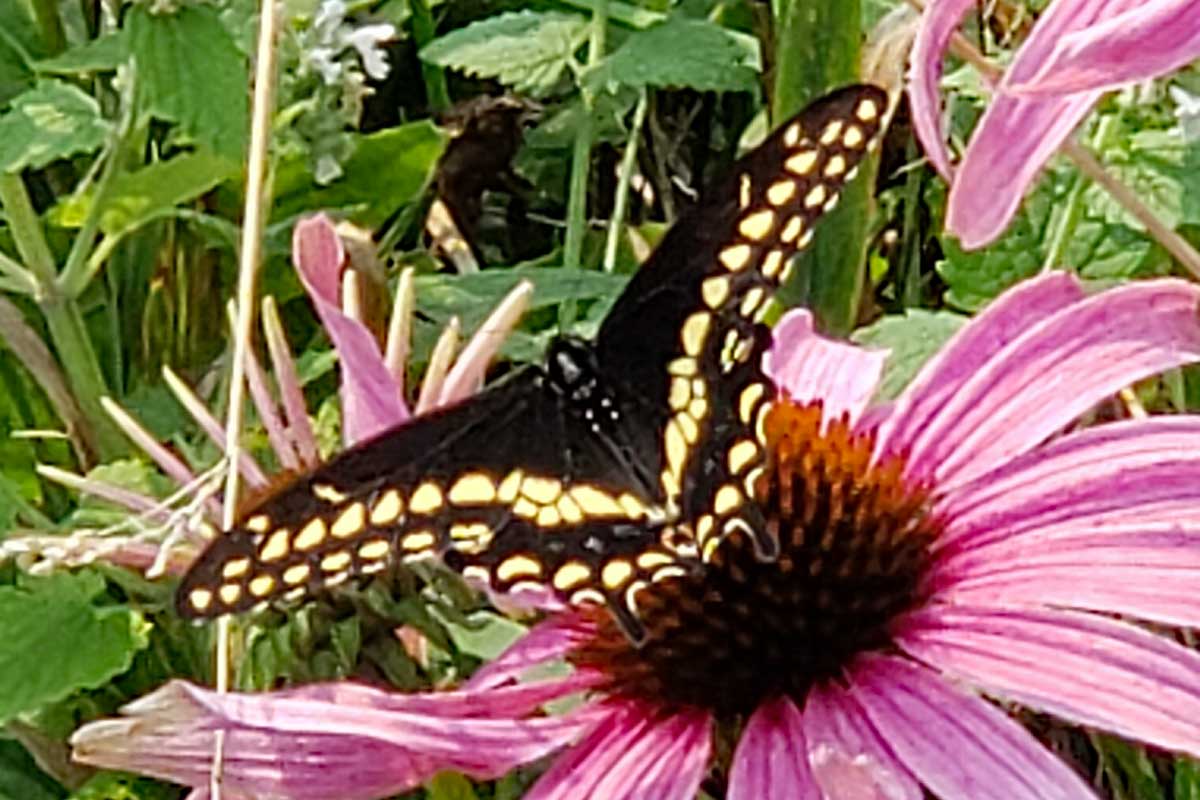
3. Echinacea
Traditionally used for upper respiratory infections and sore throat, echinacea has immune boosting and antimicrobial properties. Try echinacea tea or during early cold onset. Avoid if you have allergies to plants in the daisy family.
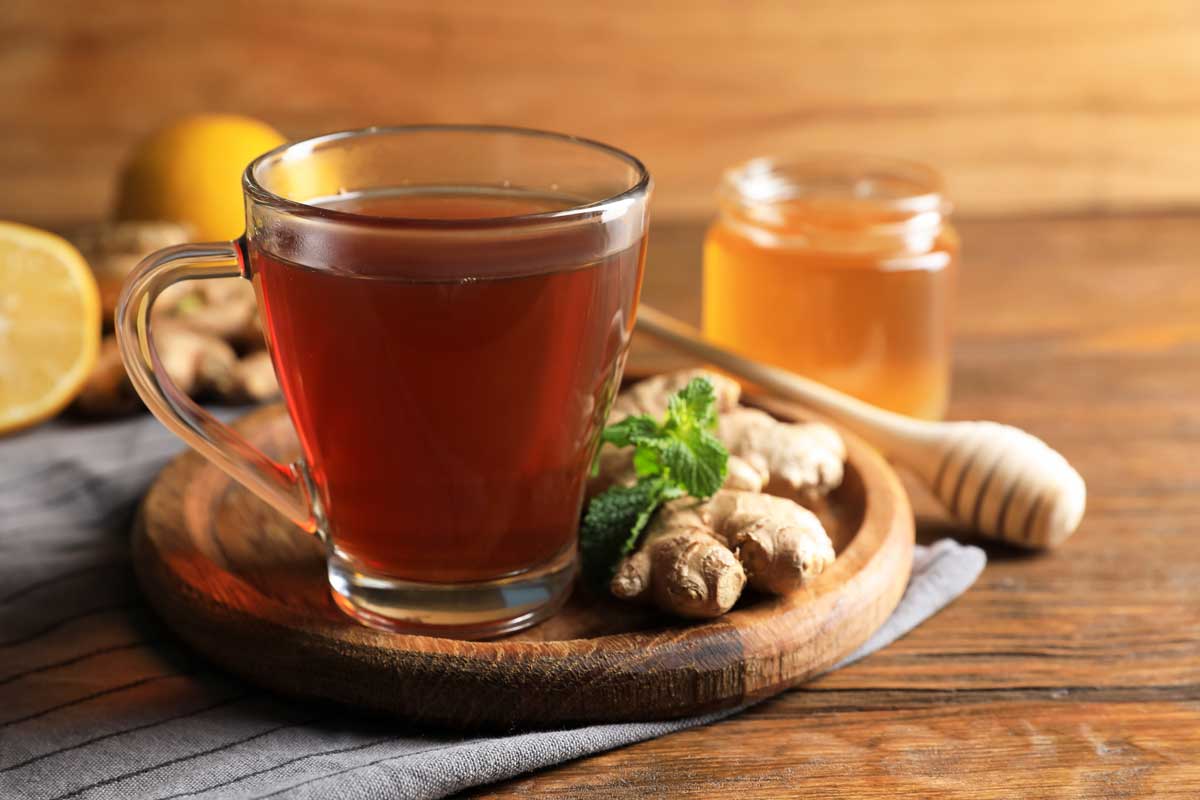
4. Ginger (Zingiber officinale)
Ginger root’s bioactive compounds support the immune system while slowing bacterial growth in lab studies. Use in tea or cooking, or take ginger honey by the spoonful or add to tea.
5. Licorice Root
Traditional licorice root uses include fighting microbes and soothing mucous membranes. Use with caution — at high amounts may elevate blood pressure or cause water retention.
Use 1/2 to 1 teaspoon powdered licorice in 8 ounces of boiling water. Steep the tea for 15 minutes and then strain. Use up to three times per day. This herbal sore throat syrup combines licorice root with other soothing herbs.
6. Oregano & Oregano Oil
Oregano contains carvacrol and thymol. Studies suggest these compounds work against various bacteria, including some resistant strains.
How to use: Culinary use or diluted essential oil (topical use only).
7. Thyme
Thyme’s thymol content gives it antibacterial effects against a range of bacteria. Use in cooking or herbal extracts.
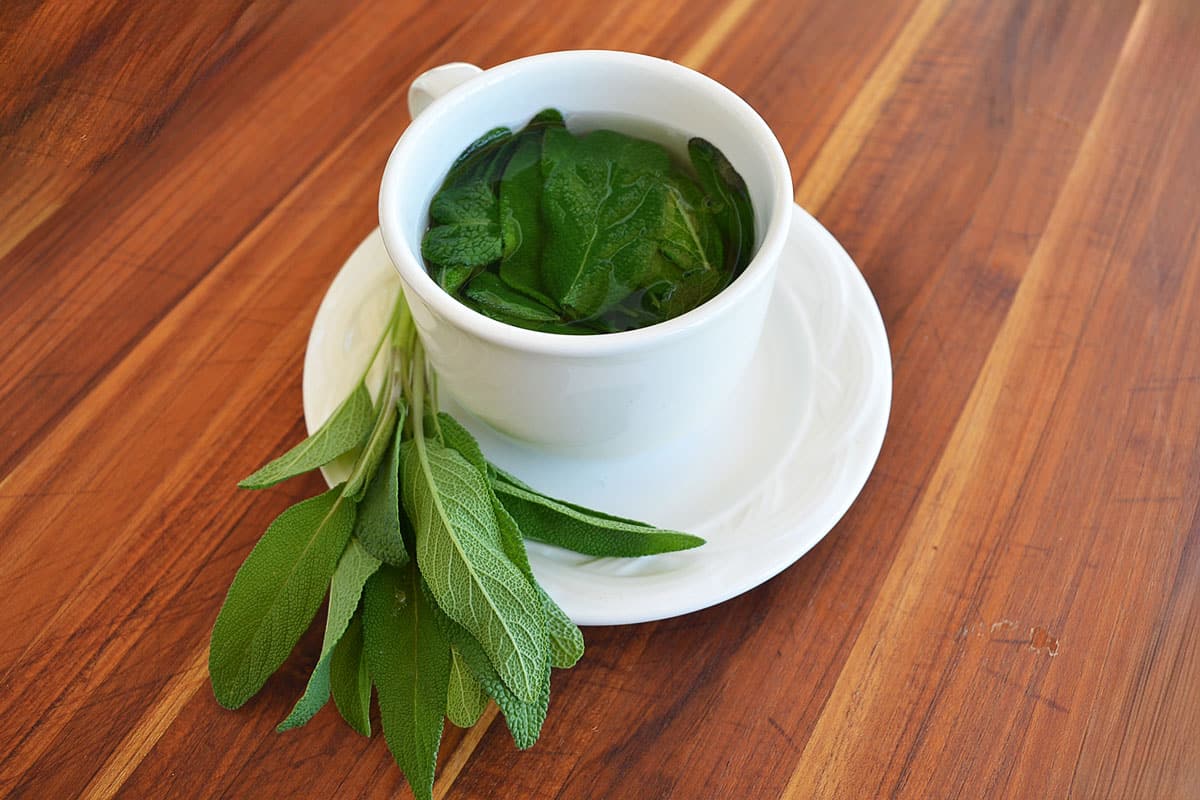
8. Sage (Salvia officinalis)
Sage has traditional use for throat infections, cough, and microbial control. One of the simplest ways to use it is sage tea. To brew it, simply steep 1–2 teaspoons of dried sage in hot water for 5–10 minutes. See “Sage Benefits” for additional information.

9. Aloe Vera
Aloe gel can help soothe skin and wounds while offering antibacterial effects against organisms like Staphylococcus. Honey and aloe vera are two of the most effective treatments for burn victims when applied externally.
To use aloe, slice open the leaves of the fresh plant to get at the sap. Apply the aloe gel to the wound or burn until well covered, repeating as necessary. To use aloe, slice open the leaves of the fresh plant to get at the sap. Apply the aloe gel to the wound or burn until well covered, repeating as necessary.
10. Grapefruit Seed Extract
Often used as a natural preservative, grapefruit seed extract (GSE) has demonstrated activity against bacteria and fungi. Use for gut troubles, diluted in water or in capsule form. Make sure to choose a reputable brand with third party testing, and avoid prolonged internal use.
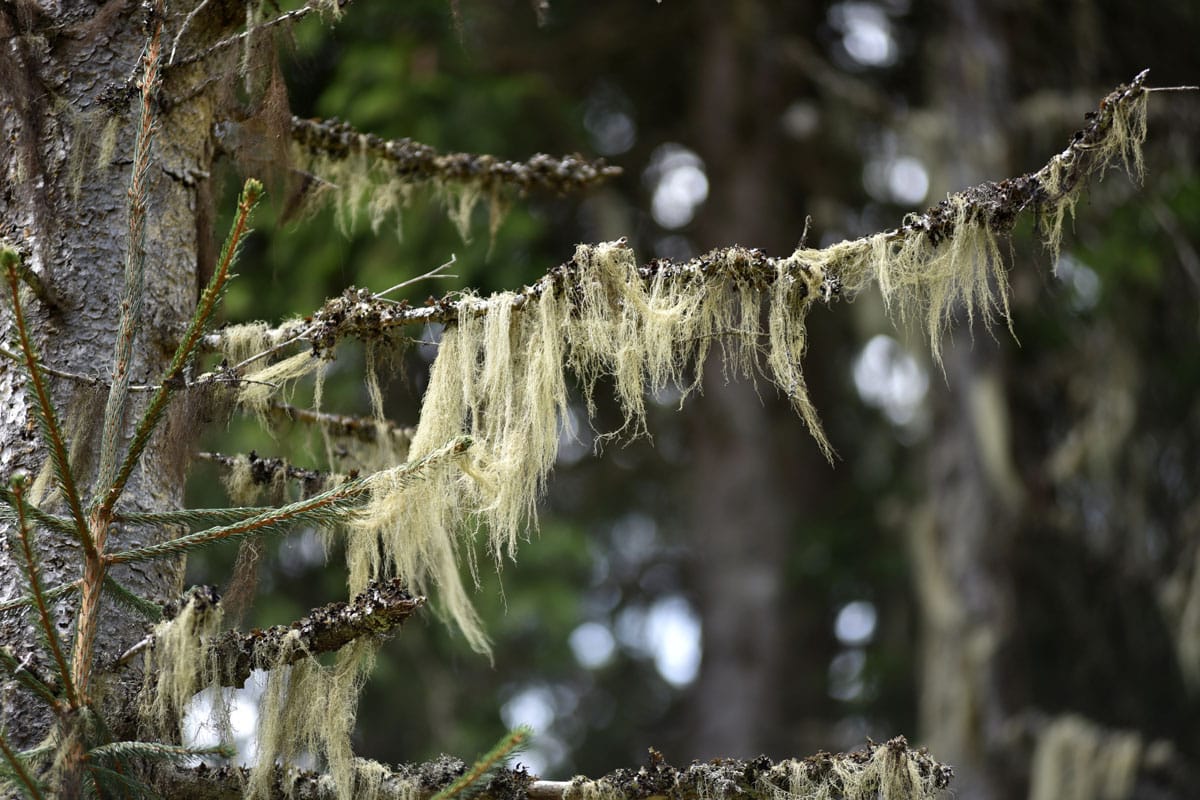
11. Usnea (Old Man’s Beard)
Usnea is traditionally used for wound treatments, respiratory infections, urinary tract support and fever. Studies show that lichen-derived usnic acid shows promise against bacteria the are resistant to standard antibiotics. Most commonly, fresh or rehydrated dried usnea was applied directly to wounds.
12. Juniper Berries
Historical use of juniper includes treatment of urinary tract discomfort and supporting urinary flow — likely due to antibacterial compounds.
13. Wormwood
Wormwood (Artemisia absinthium) has a long history of use as a strong antimicrobial herb. It’s most common traditional use was for intestinal infections, especially when symptoms suggested bacterial or parasitic involvement. Use with caution and professional guidance.
14. Cryptolepis
Used in traditional African medicine, cryptolepis extract is thought to support immune responses and inhibit bacteria. May be difficult to find in the U.S..
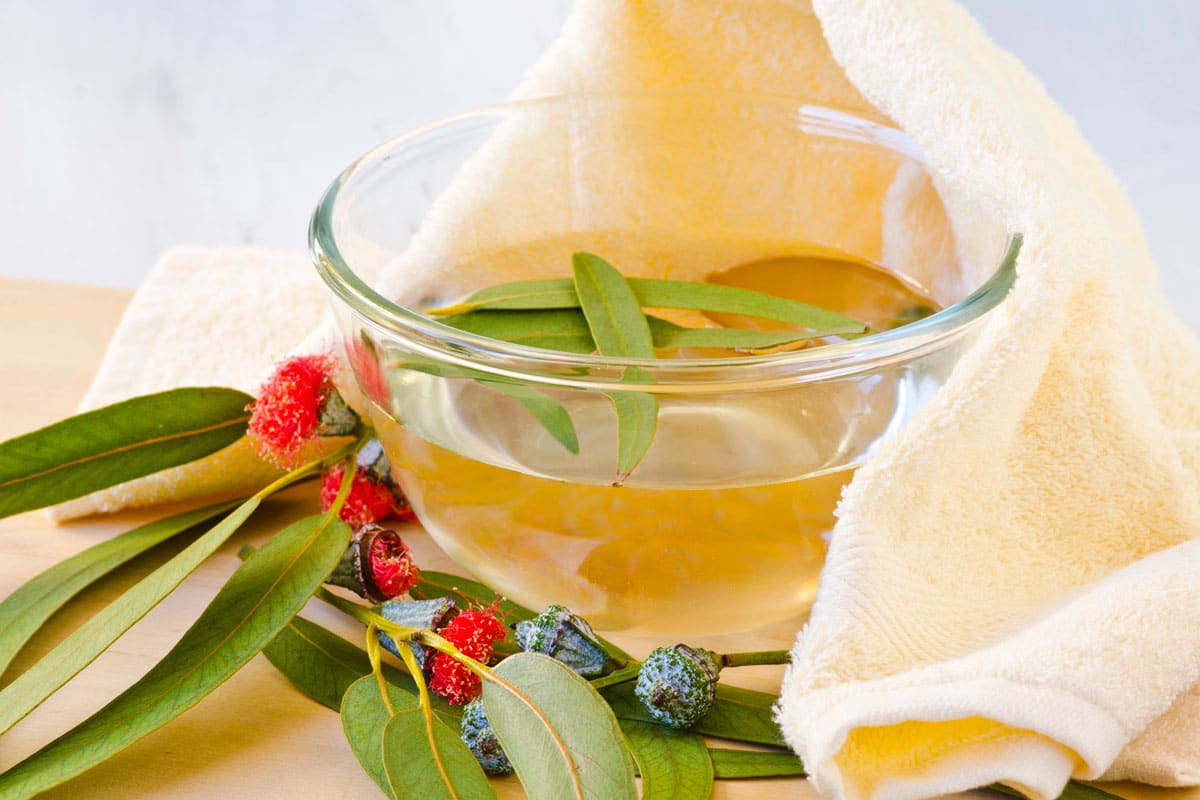
15. Eucalyptus
Known for respiratory support, use eucalyptus in steam inhalation for congestion and sore throat. Eucalyptus leaves and oil contain eucalyptol (1,8-cineole), which:
- Inhibits growth of certain bacteria
- Helps loosen mucus
- Supports easier breathing
This makes eucalyptus especially useful when infection is accompanied by chest tightness or sinus pressure.
Herbal Antibiotics for Common Conditions
Remember, please see your healthcare provider if needed.
Urinary Tract Infections (UTIs)
Most urinary tract infections are caused by E. coli — a common gut bacterium. Manuka honey, garlic, and cranberry products can support healing.
Sore Throat and Respiratory Infections
Herbal teas with echinacea, ginger, sage, and manuka honey can soothe symptoms and support local immune defenses.
Skin Infections & Wounds
Topical manuka honey and aloe vera help create an environment where bacteria doesn’t thrive. See a health care provider for deeper infections.
Antibiotic Resistance & Drug-Resistant Bacteria
Antibiotic resistance occurs when bacteria evolve to survive exposure to drugs that once killed them. Common resistant pathogens include E. coli, MRSA (methicillin-resistant Staphylococcus aureus), and other multi-drug resistant strains.
Bacteria breed and adapt very quickly. When exposed to high levels of antibiotics, one type of bacteria can spread resistance to another. The good news is, once we stop using so many antibiotics, resistance can fade again.
The bad news is that widespread use is too common. Sometimes, substances used for one thing (like weed control), also act as antibiotics. This article notes, “Emergence of resistance in bacteria and fungi is correlated with glyphosate use in the world over the last 40 years.”
Safety, Side Effects & When to See a Doctor
Even “natural antibiotics” can have side effects:
- Gastrointestinal upset (e.g., garlic)
- Allergic reactions
- Interaction with medications (e.g., licorice and blood pressure drugs)
If symptoms are severe, persistent, or involve fever, difficulty breathing, or systemic infection signs — seek medical care promptly.
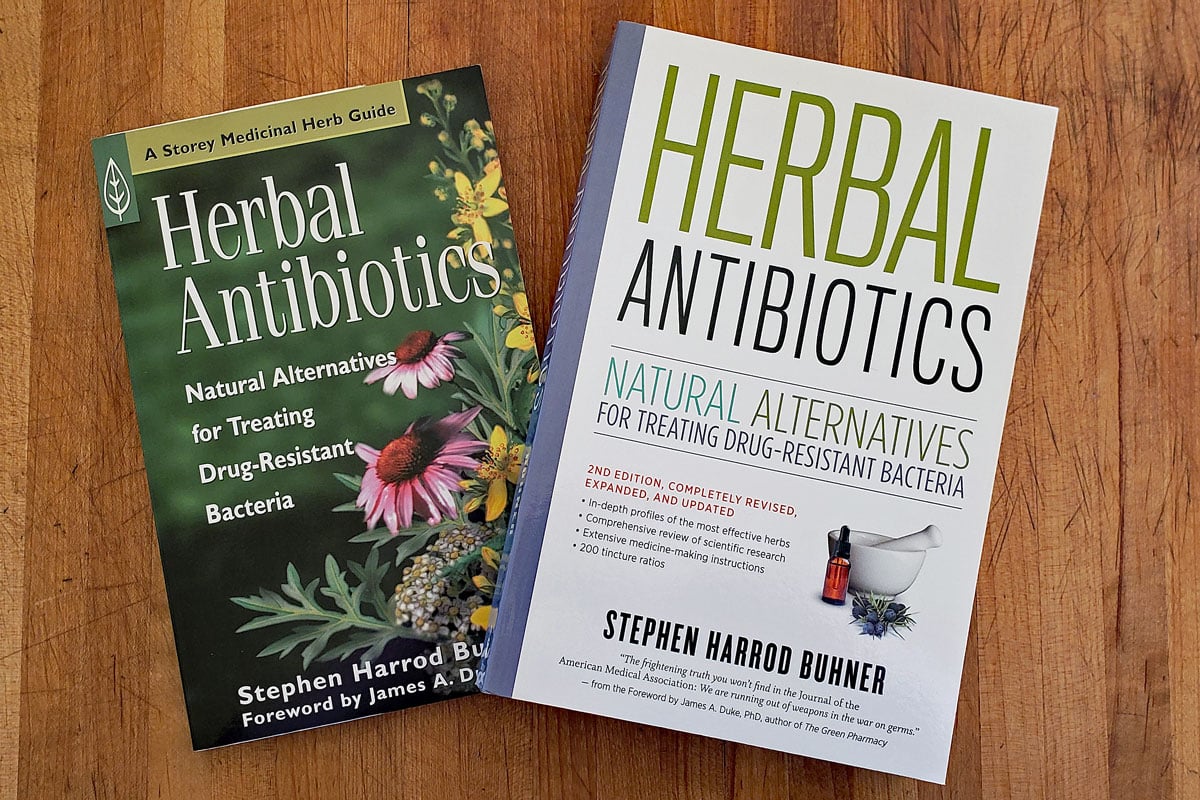
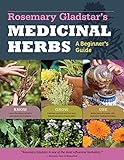
For more information, please read “Herbal Antibiotics” by Stephen Harrod Buhner. The late Mr. Buhner has a first and second edition of this book. The first edition (below left) is out of print, but is easier for the layperson to follow.


Resilient Medicine for Challenging Times
There is so much more to learn about herbal antibiotics. Infectious diseases and strains of bacteria keep changing, so we need to find the best of old and new solutions. Many herbs combat bacterial growth and support immune health. They deserve attention — especially in an era of antibiotic resistance and drug-resistant bacteria.
You may also find useful:
- Best Probiotics for Cold and Flu (+ 5 Ways they Help)
- How to Make Elderberry Syrup with Fresh or Dried Elderberries
- 12 Home Remedies for Earaches
- 25 Immune Boosting Herbs and Spices
- Herbal Gelatin – Immune Boosting Herbs in Finger Gelatin

This article is written by Laurie Neverman. Laurie is a lifelong learner with a passion for natural remedies and holistic healing. She’s successfully improved her eyesight and cleared her psoriasis.
Originally posted in 2012, last updated in 2025.
Laurie, this is a beautifully written piece with so much fantastic information. I am an herbal health and wellness practitioner and am really impressed with your wealth of knowledge and how you address people’s questions and issues. Thank you for putting yourself out there. <3 your newest loyal follower.
What about vaginal bacterial infections? What natural herbs work?
I cannot legally offer treatment for specific illnesses, only general information.
The fun part is that we mystery health disaster people are still on our feet and excited about learning how to do a better job of it!
Dear Sir
Thank you for the good post
Please if you know the natural antibiotics for Ureaplasma and mycoplasma hominims, list for me please
Thanks in advance
John
I’m sorry. It’s not safe or legal for me to diagnose or treat any illness. I can only offer general advice, per FDA guidelines.
Early this fall I watched a number of interviews on an online parasite summit organized by Jay Davidson, a holistic practitioner whose wife had suffered severe illness associated with Lyme’s Disease. At that time, information resources on the disease and its treatment were difficult to find. Dr. Davidson has since networked with numerous practitioners who are developing strategies and knowledge about conditions that arise in parasite infestation and how to manage diets and lifestyles to reduce the effects of these parasites. A number of the practitioners commented that the parasites are actually a natural immune defense present in our bodies to clean up toxins, but when our immune systems become weak from an overload of toxicity, the metabolites from parasites gobbling up our toxic load can itself become so toxic we experience greater illness.
My own physician used diagnostic tools that indicated that when I was around strong electric fields or an excess of electronic equipment, my mitochondria were suppressed, and mycoplasma would proliferate to an overwhelming degree. This was during a period when I knew only a little about how I became so ill. Most of the Parasite Summit presenters commented that a healthy gut flora would aid in lowering the toxicity level in our bodies and aid in keeping parasites in balance. Kefir, a food that can easily be cultured at home, was often discussed as an aid to healthy gut flora.
Antibiotics are becoming recognized as destructive to our necessary and natural variety and quantity of gut flora, and can in themselves result in toxicity that interferes with a healthy immune system. I was treated with an excess of antibiotics as a child and teen. and it has taken decades to learn how to correct the problems that arose from these errors.
Kefir (cultured with live culture a.k.a. “grains”, rather than powdered culture) is one of the key foods that have brought me to a much greater level of health. Dr. Davidson has posted numerous interviews with practitioners on the topic of immune protection and parasite management on his website: drjaydavidson.com Good Luck! The good news is that you have so far survived what is probably a series of complicated immune challenges, and having had the will to survive these, must surely have the will to learn strategies that will strengthen your body and set yourself on a much less toxic and far more vital path.
Thanks for sharing your experience, Sandy. I know you’ve been through a lot.
p.s.–Can I subscribe to your site? I don’t see the option anywhere…
There should be a sign up popup, as well as a sign up box below the post. There’s also a dedicated subscription page at https://commonsensehome.com/subscribe/.
Thank you, Laurie. I told my adblocker to “trust site”, reloaded, and then I was able to see the signup box. Looking forward to reading more of your posts!
Glad you got it to load. Redoing the sign up options is on the to do list, but keeps getting bumped for other projects.
I get that! Having a blog is sort of like having never-ending homework. (Except I enjoy it.) BTW: I also tried to pin one of your posts (on Probiotics) and that also did not work. Not sure if it was on my end or yours, but FYI.
If it’s not working, I have no idea why, as everything seems to be working when I try it.
Love this article! I have found that oregano oil helps early on with a cold–do you know anything about the medicinal properties of oregano?
Yes, I know oregano has started to be used in chickens to reduce antibiotic use. It wasn’t featured in Steven’s original book on the topic.
Need to add Oregano EO to list of antibiotics.
That would be an essential oil, not a whole herb, although it is certainly a useful oil.
Laurie, you have the patience of a saint!!!!
I am taking (still) the intermediate herbal course I asked you about last year at this time. With a new job working nights and a move this year…I’ve had to delay it. I would love to be a nutritionist/herbalist but after working with some folks and of course, seeing how folks comment here…I would no sooner do that then take up pole vaulting.
I AM a health care professional and I still wouldn’t recommend anything to anyone as to do so without a full workup and hands/eyes on exam would be foolish. You are so smart to be so careful. And yet someone still had the temerity to try to take you to task on your article. Sheesh!
I can’t make a living on a blog here in my home state. Laws prohibit affiliate links and other types of home-based businesses. Such a drag but then, I wouldn’t have the patience you do when it comes to ridiculous comments.
On another note….I made my own elderberry tincture from our own elderberry bushes. I was delighted to discover them while they were in bloom. Getting them was hard because the bushes were so tall but we used a combination of limb trimmer and butterfly net to harvest the umbrels. I am so looking forward to putting in my own herb garden both medicinal and culinary.
So much to do this coming spring. I am going to have to plan both the veggie and herb garden in phases or stages as to do it all at once would be staggering.
Sorry to be so wordy today.
Thanks for sharing what you do.
Hi Pam!
It seems, unfortunately, that the internet removes filters and common sense from far too many people. Thank you for understanding.
We’ve had two sub-par growing years in a row, but I’m hoping that 2017 will be the year that our elderberries finally take off. We wild harvested some last season, but were a little late picking. We also in vested in a 3 point picking ladder this season, so we can now better access the trees in our different orchards. Slowly but surely, it’s all coming together.
And no need to apologize for being wordy! It’s nice to “hear from” old friends.
Based on the long and uncompleted list, I’m guessing garlic will be the answer, BUT I’ll ask anyway – any recommendations for treating acute bronchitis and pneumonia?
Per FDA guidelines, I can’t legally or safely provide information on specific treatment of individual conditions, only general information. I can say that I don’t believe garlic would do any harm, unless you are on blood thinners or other medications that interact with garlic. See drugs.com for potential garlic interactions.
Just returned from a long trip that got longer due to weather adding a stuck-cation day to my flight time. Since exposure to food mold can be so common while traveling, I keep a little baggie of dried organic rosehips in my carry-on. It looks like a bit of dried, not too appetizing fruit to TSA. To me it is a guaranteed antidote to the sneezing, itchy sinuses and irritation associated with allergens or mold. I nibble the equivalent of about one rosehip on exposure and again before bed, and in my case, there have been no symptoms the next day.
Do you dry your own or use purchased hips? I know some friends have had issues with critters in their home dried hips.
The organic rosehips I have been eating were purchased from the bulk section of our local coop. I am growing my first rose bush from a cutting my neighbor gave me. My idea was to see if I could grow a rose in a spot that looked likely. The little bush produced 3 beautiful blossoms late this summer, two of which produced rosehips, both got chomped by one of the big critters that commute through here. I had expected to buy a variety of rose valued for its hips. Am wondering how to protect it from the competition and if a location inside my 8 foot high garden fence is sufficient. I tried netting off my strawberries, felt awful about the mice strangling themselves on it. Maybe bagging the hips once they appear?
Physical barriers do tend to be the most reliable.
I made an antibiotic using a mixture of few salts and a delivery liquid. Works every time . A perfect project after retirement . It was design for post operations conditions, Then I found so many uses.
Stops pain also.
Soon I’ll start giving free samples.
It’s more universal than medical antibiotics. Medical antibiotics are dinosaurus !
Realy amazing,your best to kick out this devastating so called MODERN,but in reality killing coventional medication.
What works best and is safest for cold/flu/allergies when you’re pregnant? I know garlic and Echinacea are great, but they are also on the not safe list when pregnant. I hate taking otc meds for anything and currently have my husband and children on daily doses of vitamins/supplements during the fall/winter season to keep them from bringing home illness and spreading germs , but without a PCP or OB/GYN that specializes in natural/herbal remedies it’s hard to know what is recommended and safe in what doses if/when I do catch a bug. Any advice?
The safest option is to work with a trained healthcare provider, since every individual is unique. When I was expecting my guys, I stuck to solutions like steam and hot tea with lemon and honey, just to be extra safe.
Hi, do you have any suggestions on a herb that could kill a urinary tract infections that never go s away .My mother has been suffering from them for years and no antibiotic will work. If you could help in any way it would greatly be appreciated. Thank you Judy
You may want to look into D-mannose, which is discussed in detail in this article from Mercola – http://articles.mercola.com/sites/articles/archive/2011/04/20/a-simple-natural-treatment-for-urinary-tract-health.aspx
I’m an older male and just found out I have what is called diverticulitis of the lower colon. My Doctor gave me a round of antibiotic pills , But had side affects . What herbal antibiotic can a person take as a replacement .
I am not allowed to give medical advice for specific conditions, nor would it be safe for me to do so.
Hi there. I hope it’s ok, but I shared this article on my Facebook page for Holistic Housewives. I think it’s a great article and think that it’s definitely worth sharing. I love your blog, thanks for all the hard work and research!
~ Cari
Thanks for sharing, Cari.
Are there any herbal remedies for UTI’s? Pharmaceutical antibiotics make me nervous so I try to take them as little as possible, but sometimes I have no choice. I’d LOVE it if I could replace them with herbs
Yes, there are herbal treatments for UTIs, but it is not legal or safe for my to prescribe treatment for specific conditions, as they may be others factors involved that are not obvious and I am not a trained healthcare provider. If the infections are a regular occurrence, there is some underlying factor that is triggering them, and that should be addressed as well as the treatment of the condition itself. Introducing probiotics into your diet is generally a good course of action to build up the good bacteria in your body, whether you use standard antibiotics or herbal antibiotics.
Does anyone out there have an herbal antibiotic recipe for diverticulitis. I have a flare up about every six months and it always effects my right side(i have been diagnosed with this). i don’t want to go to the doc every time this happens. If I could start taking something at the first onset, and I can usually tell when it starts, it would be wonderful and save me a doctors visit just to get antibiotic.
By law and for safety reasons, I can’t recommend treatment for specific conditions, but you want to look into the use of Common Plantain (Plantago major) and Common Mallow (Malva neglecta). both are known for their soothing qualities, and are safe to use internally.
I use Oil of Oregano daily when I swish (oil pull). My doctor recently prescribed 3-4 drops twice a day in water as an anti-fungal treatment.
Thanks for the informational post.
Oregano oil has been left out, its a miraculous antibiotic, antiviral, antifungal , and so many other health benifits. I used to get bronchotis 2-3 times ayear, but ive only gotten sick once in 2 yrs and it didnt last long at all… Look it up, it truly is miraculous!! :):)