
Herbal Antibiotics – 15 Natural Ways to Fight Infections

This post may contain affiliate links. Read my full disclosure here.

Herbal antibiotics are plant-based foods and herbs that naturally inhibit the growth of bacterial organisms or support the body’s defenses in fighting infectious diseases. These botanical compounds have a long history of use across cultures. They are gaining interest again as antibiotic resistance and drug-resistant bacteria become serious global health concerns.
Conventional antibiotics transformed modern medicine, but overuse and misuse have led to widespread antibiotic-resistant bacteria. Strains of bacteria such as Escherichia coli (E. coli) and methicillin-resistant Staphylococcus aureus (MRSA) no longer respond well to many drugs.
In this article we’ll explore how herbal antibiotics work, safety considerations, and 15 natural compounds with antimicrobial properties.
Would you like to save this?
Table of contents
- How Herbal Antibiotics Work vs. Pharmaceutical Antibiotics
- 15 Herbal Antibiotics and Natural Antimicrobials
- 1. Garlic (Allium sativum)
- 2. Manuka Honey
- 3. Echinacea
- 4. Ginger (Zingiber officinale)
- 5. Licorice Root
- 6. Oregano & Oregano Oil
- 7. Thyme
- 8. Sage (Salvia officinalis)
- 9. Aloe Vera
- 10. Grapefruit Seed Extract
- 11. Usnea (Old Man’s Beard)
- 12. Juniper Berries
- 13. Wormwood
- 14. Cryptolepis
- 15. Eucalyptus
- Herbal Antibiotics for Common Conditions
- Antibiotic Resistance & Drug-Resistant Bacteria
- Safety, Side Effects & When to See a Doctor
- Resilient Medicine for Challenging Times
How Herbal Antibiotics Work vs. Pharmaceutical Antibiotics
Pharmaceutical antibiotics are typically a single chemical compound designed to kill or inhibit bacteria. While effective, this can make it easier for bacteria to adapt and develop resistance.
In contrast, herbal antibiotics are complex mixtures of compounds — such as terpenes, flavonoids, and phytoncides. These compound can have multiple modes of action against bacteria, fungi, and even viruses.
This diversity makes it theoretically harder for bacteria to adapt. Some research suggests certain herbs may work synergistically with antibiotics or target resistant strains.
Important Note Before You Use Herbal Antibiotics
- They are not replacements for professional medical treatment in serious bacterial infections.
- Please see a trained healthcare provider for severe or prolonged illness or injury.
- Some herbs can interact with medications or have side effects when taken in concentrated therapeutic doses.
- Always consider personal health, allergies, and pregnancy/breastfeeding before use.
15 Herbal Antibiotics and Natural Antimicrobials
Remember, not all bacteria are harmful – many are essential to our health and well-being. Always exercise caution with the use of natural antibiotics, just as you would with commercial antibiotics.
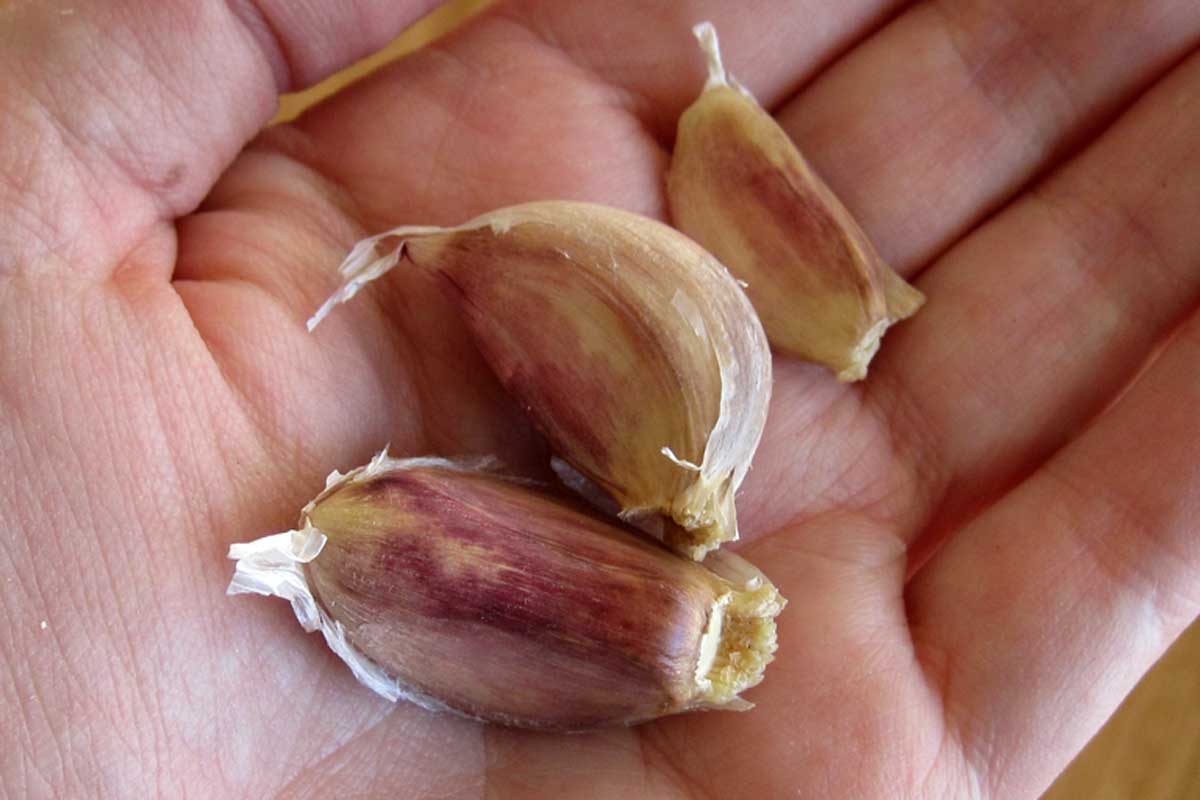
1. Garlic (Allium sativum)
Garlic cloves are a classic natural antibiotic food. Compounds like allicin fight a wide array of bacteria, including E. coli, Staphylococcus, and others.
How to use:
- Fresh minced garlic in food
- Garlic extract or supplement (if tolerated)
- Possible side effects: stomach upset, garlic breath.
Be careful – raw garlic may cause stomach upset and vomiting. Small, frequent doses are generally easier to take than large doses (1/4 to 1 teaspoon juice as needed).
If raw garlic is too strong, try capsules of dried garlic. Ample garlic in food is also helpful. Avoid using large amounts of garlic if you are on blood thinning medication.
2. Manuka Honey
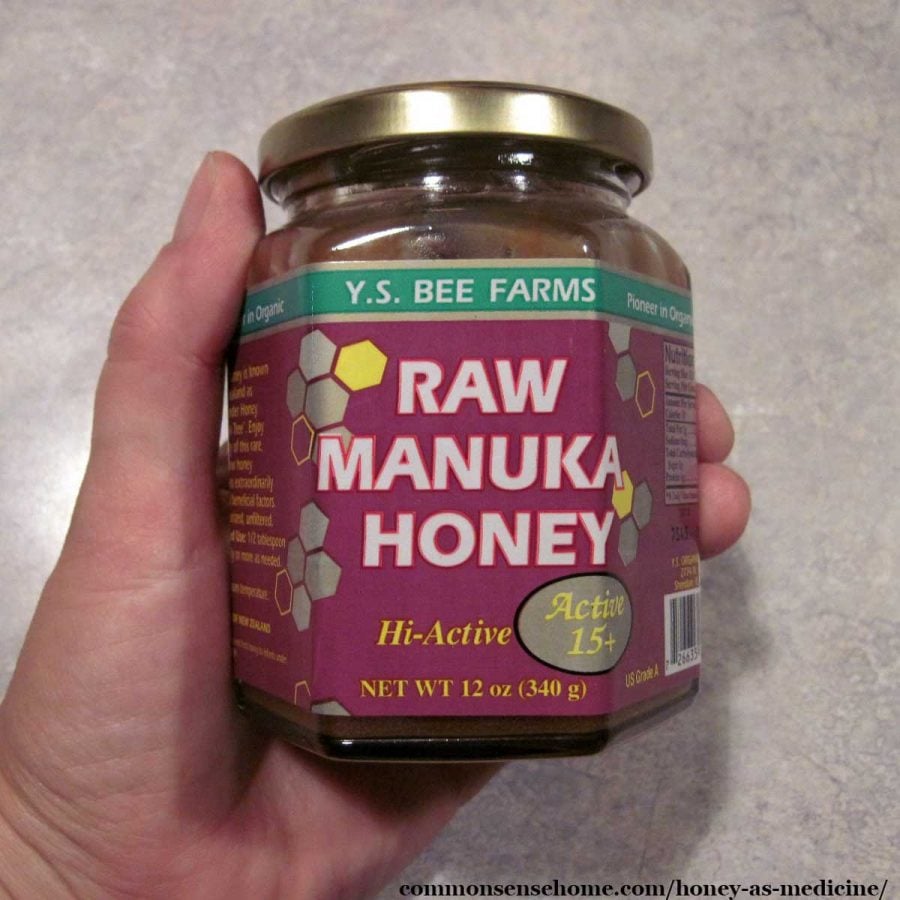
Medical-grade manuka honey contains methylglyoxal and other antibacterial compounds that inhibit bacterial growth and may even synergize with antibiotics. Uses include wound care and infection control, including against antibiotic-resistant bacteria.
How to use:
- Apply topically on wounds
- Add to warm drinks for sore throat relief
Note: Not all honey labelled “manuka” has high antibacterial potency — use UMF/MGO rated varieties. See “Honey as Medicine” for more information.
3. Echinacea
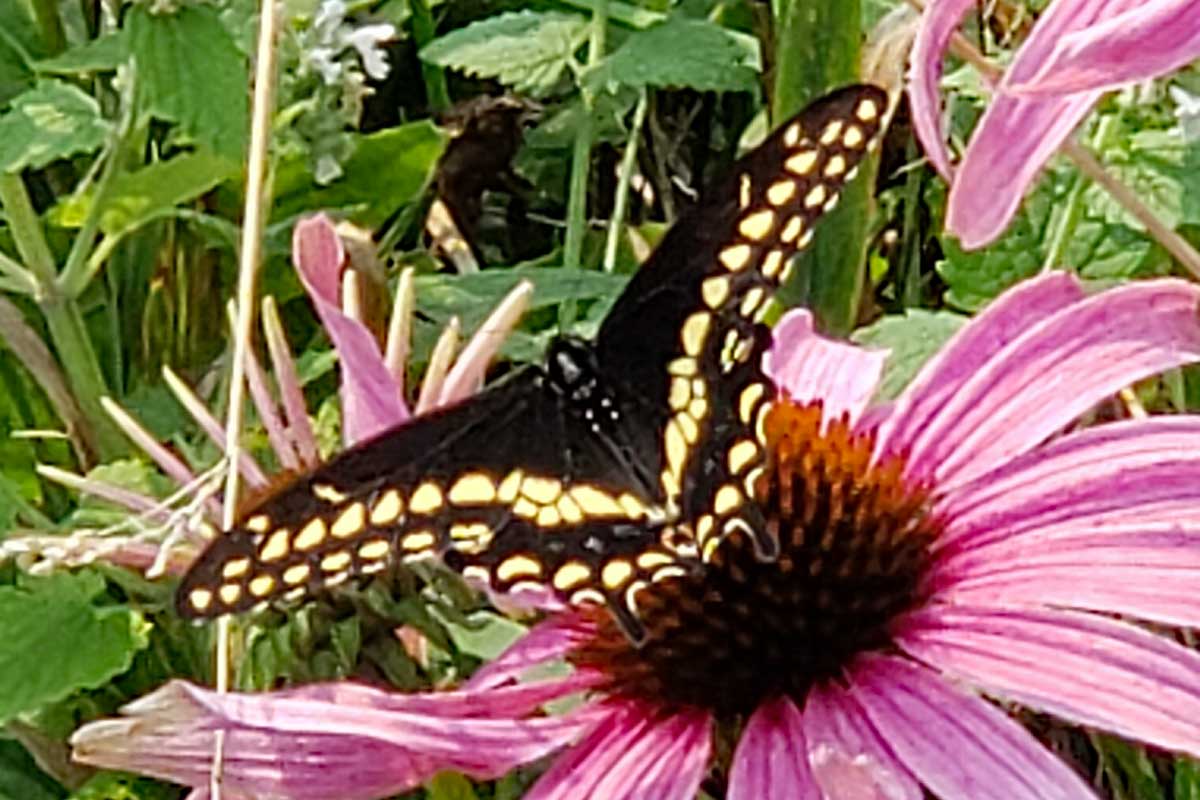
Traditionally used for upper respiratory infections and sore throat, echinacea has immune boosting and antimicrobial properties. Try echinacea tea or during early cold onset. Avoid if you have allergies to plants in the daisy family.
4. Ginger (Zingiber officinale)
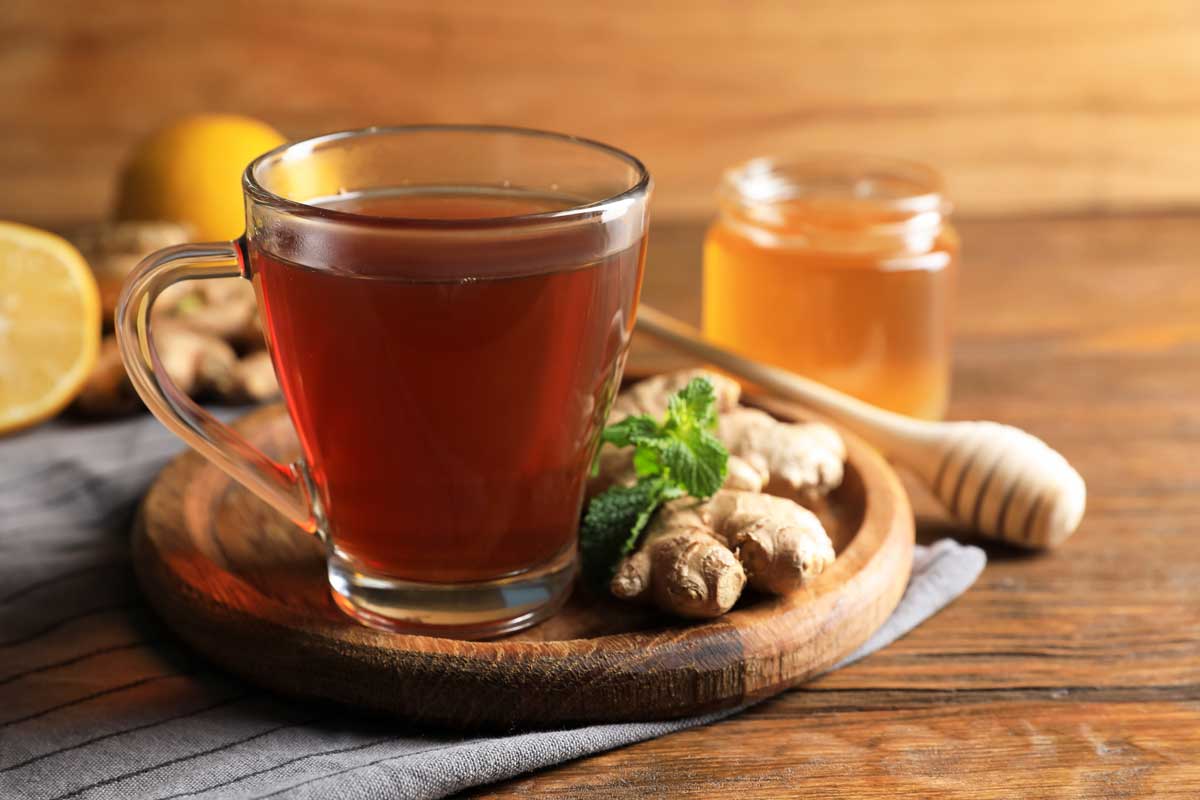
Ginger root’s bioactive compounds support the immune system while slowing bacterial growth in lab studies. Use in tea or cooking, or take ginger honey by the spoonful or add to tea.
5. Licorice Root
Traditional licorice root uses include fighting microbes and soothing mucous membranes. Use with caution — at high amounts may elevate blood pressure or cause water retention.
Use 1/2 to 1 teaspoon powdered licorice in 8 ounces of boiling water. Steep the tea for 15 minutes and then strain. Use up to three times per day. This herbal sore throat syrup combines licorice root with other soothing herbs.
6. Oregano & Oregano Oil
Oregano contains carvacrol and thymol. Studies suggest these compounds work against various bacteria, including some resistant strains.
How to use: Culinary use or diluted essential oil (topical use only).
7. Thyme
Thyme’s thymol content gives it antibacterial effects against a range of bacteria. Use in cooking or herbal extracts.
8. Sage (Salvia officinalis)
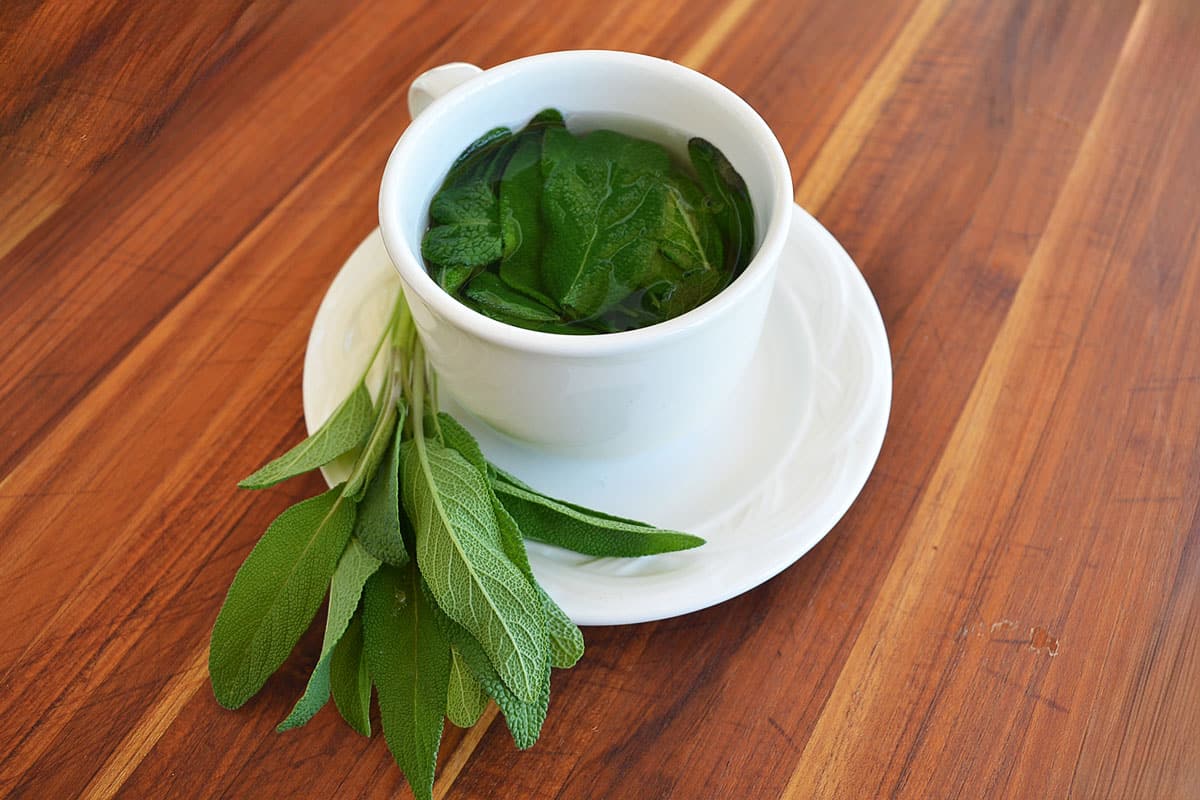
Sage has traditional use for throat infections, cough, and microbial control. One of the simplest ways to use it is sage tea. To brew it, simply steep 1–2 teaspoons of dried sage in hot water for 5–10 minutes. See “Sage Benefits” for additional information.

9. Aloe Vera
Aloe gel can help soothe skin and wounds while offering antibacterial effects against organisms like Staphylococcus. Honey and aloe vera are two of the most effective treatments for burn victims when applied externally.
To use aloe, slice open the leaves of the fresh plant to get at the sap. Apply the aloe gel to the wound or burn until well covered, repeating as necessary. To use aloe, slice open the leaves of the fresh plant to get at the sap. Apply the aloe gel to the wound or burn until well covered, repeating as necessary.
10. Grapefruit Seed Extract
Often used as a natural preservative, grapefruit seed extract (GSE) has demonstrated activity against bacteria and fungi. Use for gut troubles, diluted in water or in capsule form. Make sure to choose a reputable brand with third party testing, and avoid prolonged internal use.
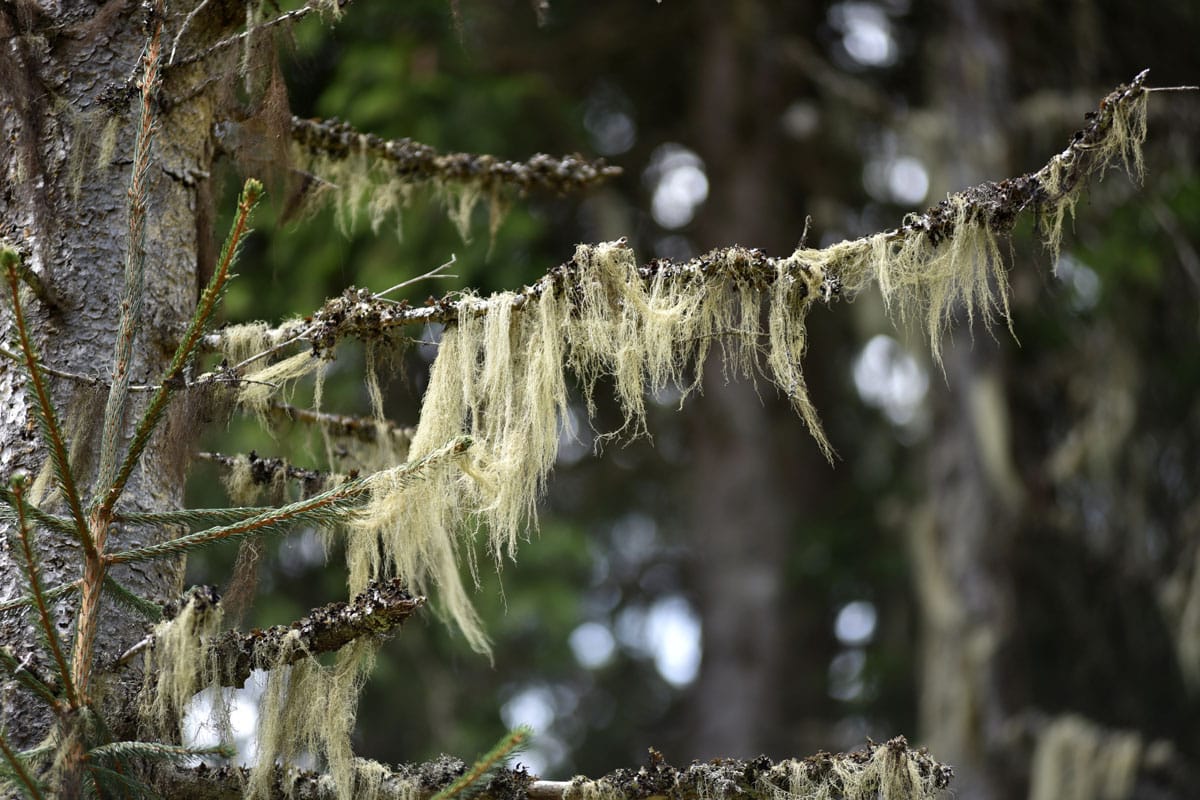
11. Usnea (Old Man’s Beard)
Usnea is traditionally used for wound treatments, respiratory infections, urinary tract support and fever. Studies show that lichen-derived usnic acid shows promise against bacteria the are resistant to standard antibiotics. Most commonly, fresh or rehydrated dried usnea was applied directly to wounds.
12. Juniper Berries
Historical use of juniper includes treatment of urinary tract discomfort and supporting urinary flow — likely due to antibacterial compounds.
13. Wormwood
Wormwood (Artemisia absinthium) has a long history of use as a strong antimicrobial herb. It’s most common traditional use was for intestinal infections, especially when symptoms suggested bacterial or parasitic involvement. Use with caution and professional guidance.
14. Cryptolepis
Used in traditional African medicine, cryptolepis extract is thought to support immune responses and inhibit bacteria. May be difficult to find in the U.S..
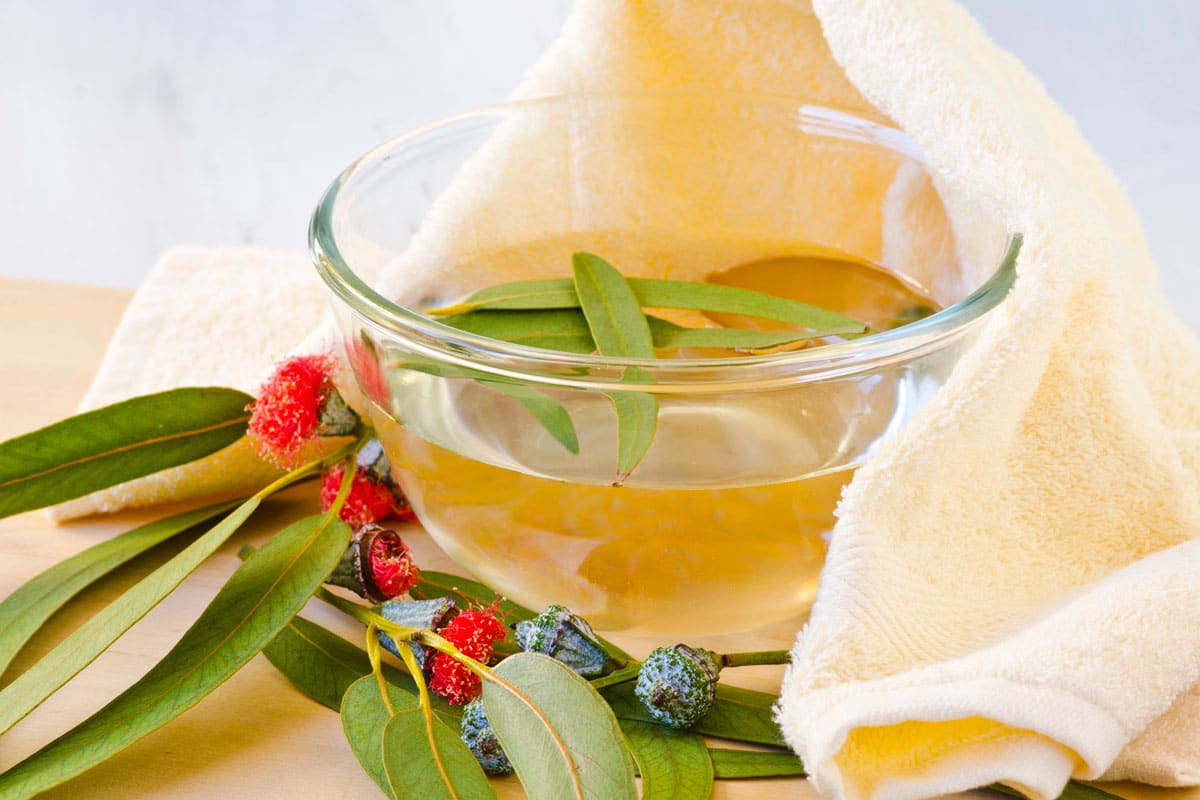
15. Eucalyptus
Known for respiratory support, use eucalyptus in steam inhalation for congestion and sore throat. Eucalyptus leaves and oil contain eucalyptol (1,8-cineole), which:
- Inhibits growth of certain bacteria
- Helps loosen mucus
- Supports easier breathing
This makes eucalyptus especially useful when infection is accompanied by chest tightness or sinus pressure.
Herbal Antibiotics for Common Conditions
Remember, please see your healthcare provider if needed.
Urinary Tract Infections (UTIs)
Most urinary tract infections are caused by E. coli — a common gut bacterium. Manuka honey, garlic, and cranberry products can support healing.
Sore Throat and Respiratory Infections
Herbal teas with echinacea, ginger, sage, and manuka honey can soothe symptoms and support local immune defenses.
Skin Infections & Wounds
Topical manuka honey and aloe vera help create an environment where bacteria doesn’t thrive. See a health care provider for deeper infections.
Antibiotic Resistance & Drug-Resistant Bacteria
Antibiotic resistance occurs when bacteria evolve to survive exposure to drugs that once killed them. Common resistant pathogens include E. coli, MRSA (methicillin-resistant Staphylococcus aureus), and other multi-drug resistant strains.
Bacteria breed and adapt very quickly. When exposed to high levels of antibiotics, one type of bacteria can spread resistance to another. The good news is, once we stop using so many antibiotics, resistance can fade again.
The bad news is that widespread use is too common. Sometimes, substances used for one thing (like weed control), also act as antibiotics. This article notes, “Emergence of resistance in bacteria and fungi is correlated with glyphosate use in the world over the last 40 years.”
Safety, Side Effects & When to See a Doctor
Even “natural antibiotics” can have side effects:
- Gastrointestinal upset (e.g., garlic)
- Allergic reactions
- Interaction with medications (e.g., licorice and blood pressure drugs)
If symptoms are severe, persistent, or involve fever, difficulty breathing, or systemic infection signs — seek medical care promptly.
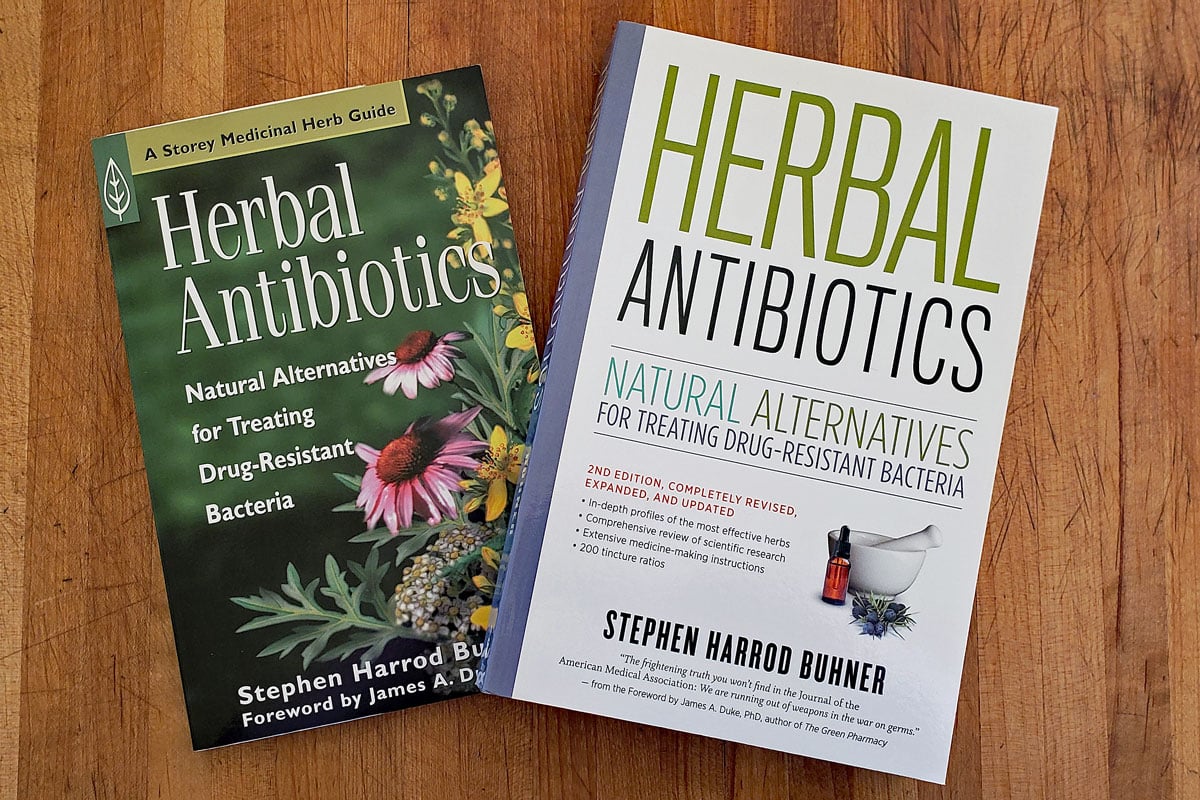
For more information, please read “Herbal Antibiotics” by Stephen Harrod Buhner. The late Mr. Buhner has a first and second edition of this book. The first edition (below left) is out of print, but is easier for the layperson to follow.


Resilient Medicine for Challenging Times
There is so much more to learn about herbal antibiotics. Infectious diseases and strains of bacteria keep changing, so we need to find the best of old and new solutions. Many herbs combat bacterial growth and support immune health. They deserve attention — especially in an era of antibiotic resistance and drug-resistant bacteria.
You may also find useful:
- Best Probiotics for Cold and Flu (+ 5 Ways they Help)
- How to Make Elderberry Syrup with Fresh or Dried Elderberries
- 12 Home Remedies for Earaches
- 25 Immune Boosting Herbs and Spices
- Herbal Gelatin – Immune Boosting Herbs in Finger Gelatin

This article is written by Laurie Neverman. Laurie is a lifelong learner with a passion for natural remedies and holistic healing. She’s successfully improved her eyesight and cleared her psoriasis.
Originally posted in 2012, last updated in 2025.
Olive leaf extract from Ameriden patiented process truley works sorry have no studies or back up guess its not even an herb
This really works
What about Oregano? I thought it has antibiotic type benefits?
Oregano is not specifically addressed in Herbal Antibiotics 1st or 2nd Editions. Typically, when oregano is used as an antibiotic, it is used as oregano oil or “oil of oregano” (oregano essential oil), which is much more concentrated. Wellness Mama has a good post on oregano and oregano oil here: http://wellnessmama.com/8409/herb-profile-oregano/
There has also been some work done using oregano oil to help keep chickens healthy: http://www.nytimes.com/2012/12/26/science/chicken-farms-try-oregano-as-antibiotic-substitute.html?_r=0
I agree!! I use it, and i could not believe how much better i felt!! There are benefits too numerous to count!!
This article starts out strong with facts but then just says garlic fights this and aloe fight that. Where did this information come from? How do you give us references for the background and not for your actual point? Why should I believe you? Explain how the bacteria of garlic works with viral attacks? I’m not disagreeing with the article, but without references or backing your claims are invalid.
Nicole,
As noted in the first paragraph of the post, “This post is based on the book “Herbal Antibiotics” by Stephen Harrod Buhner, and related materials.” Just under the subtitle “Top 15 Antibiotic Herbs”, I note that these are the herbs that Stephen lists as his top choices, and just below the list I note that the herbs listed with a little more detail are ones I use regularly, personally. The specific actions of the herbs listed is summarized from “Herbal Antibiotics: 1st Edition”.
I’m not sure what is meant by “the bacteria of garlic works with viral attacks”. In the paragraph labeled “How are herbal antibiotics different from pharmaceutical antibiotics?”, it is noted that herbs contain a wide variety of compounds, not a single, isolated chemical compound. As such, many herbs have both antibiotic and antiviral qualities.
This material in this post is for informational purposes only and is not intended to diagnose or treat any illness or take the place of a trained herbalist or medical practitioner. I highly encourage you to do additional research. I shared what I learned from the referenced text and what has worked for me.
Love this site! Thank you! I bought Elderberry syrup, oil of oregano and echinchea ….we hardly use over the counter drugs now! All natural herbal products really work! What a blessing.
I am very confused here, wormwood (artemesia absinthium) is pretty toxic. How can it safely be used as an antibiotic?
I’m also surprised that Uva Ursi is not on the list, it is toxic in very large doses, but has been used as an antibiotic for a VERY long time, before sulfa antibiotics were invented. It’s especially good for urinary tract infections, but can be used as a general antibiotic, as well.
More on the historical use of wormwood – http://www.botanical.com/botanical/mgmh/w/wormwo37.html
Like uva ursi, wormwood can be toxic in large doses, but has a long history of medicinal and general use.
The herbal antibiotics on this list were those listed in the first edition of Herbal Antibiotics. The material listed is for informational purposes only, and is not meant to be used for dosage instructions or to take the place of a trained healthcare provider. I shared the information with the intention of letting people know that herbal alternatives exist, but they should work with a trained herbalist. There is an updated version of Herbal Antibiotics that is on my reading list, but I haven’t gotten through it yet.
what would be your recommendation to fight off a sinusitis (the ones above the eyes seem to be infected)?
I’m using niaouli essential oil but that does not seem enough…
I am not a healthcare provider and cannot offer specific medical advice, only share what’s worked for me and my family.
Oil of oregano!
I learned about garlic from an older Chinese scientist, he treated himself with so much garlic it came out of his pores but it stopped a large growth on his forearm. I use it and love it, the best and most delicious way for me is to buy a large jar of olives stuffed with cloves of garlic.
Also, elderberry is great for boosting the immune system and fighting colds and flu. I used to buy sambucus but it is so expensive this year I made my own 3 cups of water boiled with ½ cup dried berries and 1 cup of honey. It stopped a cold in its tracks and I’ve been taking a spoonful daily since. I bought my dried elderberries online from a company that sells wine supplies!
After I finish using my stock of elderberry syrup in the freezer, I plan on buying the berries and making my own syrup also…I have the recipe already.
Care to share where you get your berries??
I would choose amazon but not for your input….thanks.
I have an elderberry syrup recipe here – https://commonsensehome.com/elderberry-syrup/
Frontier carries organic dried elderberries through amazon.
Laurie–that is what I have bookmarked!!!
Great.
Am copying the recipe as I speak.
I just fed some of the gentleman who installed our garage door. He’s been battling some minor “ick” for over a week.
Also, cordyceps mushroom contains an active substance that imitates adeosine, which viruses use to replicate. Thus the virus attempts to replicate, but lacking the adeosine, fails.
I had understood that Chaga mushroom and wild honey (especially manuka) were some of natures strongest antibiotics.. any opinions on them?
Yes, I have used manuka honey, but not the mushrooms, although I have also read good things about many different fungi. Paul Stamets has done a lot of interesting work with ‘shrooms.
Check out his new edition…he takes away garlic and aloe and moves echinacea to immune support not antibacterial.
Sounds like I need to add another book to the wishlist. Have you checked out his book on herbal beers? I’ve seen mixed reviews.
I have bacterial vaginois and have been on three antibioctics and still have it . Please I
respond with a solution for me. thanks
I’m sorry, but I’m not a medical professional and don’t have any experience with that condition. You may find it helpful to check out the list of remedies at Earth Clinic: http://www.earthclinic.com/CURES/bacterial_vaginosis.html
I’m surprised at licorice being so powerful. Funny that something you think of as candy can have such a powerful effect.
A lot of knowledge has been lost over the years. In times past, herbal lozenges (candies) were much more commonly used to treat any number of ailments.
licorice root, not licorice candy
What about Olive Leaf Extract?
http://www.about-olive-leaf-extract.com/natural-antibacterial.html
Many, many herbs and spices (and even natural substances such as wood, bamboo and copper) have antimicrobial properties. The posts covers some that are more readily available for most people and have been tested and widely used.
I live in an area that has a lot of wild flowers, weeds, etc. I don’t know what a lot of the useful weeds or plants look like. I would like to learn how to identify the wild plants that can be used in herbal medicine. I know some of the basic herbs & weeds. Is there a book or something available to me, that will help me to identify these plants? I have fyibromalgia & I’m finding that herbal remedies are helping re-leave some of my symptoms.
I’ve listed some of my favorite wildcrafting identification books at Weekly Weeder #1. These are my “go to” texts for identification and use of wild plants.
We do a lot of foraging for wild foods and medicinals. I have a Pinterest board with a lot of information that may be helpful. http://www.pinterest.com/magicandmayhem/wild-edibles/ There’s also a link there to 25 Facebook pages that focus on foraging. Those are immensely helpful too.
Hi Denise,
Get a copy of “The Book of Herbal Wisdom”, by Matthew Wood. It’s a great book for anyone ready to learn about herbs n so much more. It’s my Bible the past many years n has helped me share with many other folks, it’ an amazing book. Matthew introduced me to the use of Black Cohosh tinctures for whiplash & fibro-myalgia. The keynote symptom calling for Cumin if ughIis tightness n hardness in the trapezeus muscles, where they attach to the shoulder-blades.
He is a great Herbalist, I have learned much from him.
Hope some of this brings you wellness.
Many Blessings
Mary
Another antibiotic I take it’s Propolis and we have really good result.
Thanks, Marie-Denise.
I would like to grow eucalyptus. Would you please tell me which type of eucalyptus seeds to purchase? Thank you
Sue – I’m sorry I’m not familiar with growing eucalyptus. We don’t have the right climate here in Wisconsin.
Perhaps you can grow it inside. Dr. Marc Crawford is a plant pathologist and he is growing Eucalyptus here in South Georgia at Loch Laurel nursery in Valdosta. .
Kathy have you tried nasal rinses? Humidifier? Oil pulling? Ear, nose, throat specialists? My mom has very large sinus cavities and she has very large roots on her molars that are dangerously close to a sinus area. Cold really mess her up too. She ended up with double vision and vertigo for about a year.
@Kathy,
I had the same problem for years when I’ve caught a cold. Now, at the very onset of cold (or allergy) symptoms I will flush my sinuses with sterile saline spray daily. Insert saline bottle tip into one nostril and pinch off the other. Leaning head over sink, squeeze the bottle and breath in the saline (I was told to do this rapidly and deeply to get the fluid up into the sinus cavity).
Do it to both sides. You can then blow out the saline. Normally for me I’ll have fluid dripping from my nose for up to 15 minutes due to inhaling so deeply. No more sinus infections.
You can also use a neti-pot, like I do. It works wonders especially if you alternate with ACV/salt /hot water gargle. I get more “junk” out for the gargle if I do a low to high range tone in my throat. The ‘high’ notes will reach areas that are loaded with the mucus and flush them out. I usually use a 12-16 oz glass for this and use it all. Literally rotate the neti pot and the gargle and it takes about 30 minutes to do a good job, but WELL worth it!
I need to know more about this so I’ll have to look into getting that book. If I get a regular cold it always goes into my sinus cavities and then messes with my ears to the point where I am dizzy and get sick with any movement. I end up on clindamycine (sp?), anti nausea drugs and antivert (meclazine). I need to know what to do if I don’t have these medicines available. I have lost three days of work this week after being infected with a cold. It’s horrible and no one really understands why it’s only colds that do this to me.
If you’re struggling with recurrent infections like this, something’s buggering up your immune system to keep it from doing its’ job. You may want to take a look at the other cold and flu posts, too, which may give you a multi-point strategy for boosting your immune system.
Cold and Flu Remedies
Preparing for Cold and Flu Season: Step 1 – Probiotics
Preparing for Cold and Flu Season with Essential Oils
The Best Vitamins and Minerals for Fighting Colds and Flus
The Best Herbs and Spices for Colds and Flus – Plus a “Secret Weapon”
Stomach Flu Treatment(Why the BRAT diet may not be your best choice)
Elderberries: How to Make Syrups and Jellies
I am a firm believer that, aside from all the good things we can do, any one mineral deficiency can cause a host of issues including chronic or recurring health issues. Add a real sea salt to your diet like Celtic.
Is Celtic better than Himalayan pink salt?
No it’s not. Stick with the pink stuff it’s helped my family in numerous ways. I’ll never go without it again, I even buy it online in 50 lb bricks
salt’s not a gd idea.2 much in the diet causes hbp & othr trouble.betr 2 get minerals elsewhere.
There are many uses for salt besides consumption, and too little salt is just as bad as too much.
Hi Kathy,
Great site aeh 🙂 I am just a visitor here though I read your comment above…and I wanted to share what helped me with the sinus thang….Ocean brand ..natural salt water drops..or easier= use real sea salt… teaspoon mixed in a good quarter cup of clean warm water..eye dropper into the nose or if ya have a good nasal spray bottle…go for this however many times it takes till green goos gone( sinus infection flush ) Yogi tea makes a everydat Detox tea..thats lovely …and have ya ever heard of tigers balm ( any drug store has it) magic in a small jar ladie let me vouch for this…rub on your chest..a little dose a lot ! Also massage~ into the bottoms of your feet real good and cover with some warm booties before bed Keep aloe tissues handy cuz the infection will just drip outta ya physically…Wahlah and a guru asked me “Who” are you irritated with.!!..? Who…is Irritating…or are you feeling that way with in… if this Emotionally fits for you as it did me …either ya have to do some inner psyce work with yourself…or remove yourself from the Irritation…./person /place or ? Only You can answer this ..Okay and hey let me know how ya come out 🙂 my e mail is above..with love Becca
Mayo Clinic says that resentment is the greatest cause of cancer
i also thot xcess stress & no self luv duz the same thing 2.:(
Really great, coming in contact with your page.
Years ago, I was getting sinus infections so often that my physician assistant finally sent me to an ENT; it turned out I had some kind of malformed bone/cartilage. Since it was removed, I haven’t had a single infection.
Perhaps you have something similar?
HI Margaret,
How was the malformed bone/cartilage diagnosed?
thanks.
Jag.
Hi Kathy, you may want to look into Olive Leaf Oil(20% Oleuropein) it is highly antibiotic and antiviral. Many people around the world have used it for centuries and it is very effective. 1 Table spoon a day is the dosage. If you have an acute illness, then you need at least 100mg of oleuropein.
So if you get the 500mg dose capsule of Olive Leaf Extract(or oil if you get the liquid form) off amazon that’s 20%. 500 * .20 = 100mg of oleuropein per pill. You can always increase to dose, just make sure you spread it out. Try 1 in the morning, 1 at night. If you get common side effects such as headaches, stop using it for a couple of days and then get back on it. There is a “die-off” effect where your body is flushing to toxins out while you take it. Nothing to worry about though.
Take care and be healthy,
Vick
Elderbery Syrup taken daily boosts the immune system.
PuritanPride has the best price I’ve found. I keep several 8 oz. jars in the freezer.
No, I’m not connected..just rely on herbs, etc. and at 66 years old am prescription free…not even hormone therapy.
I also have the same issues. I keep Echinacea with goldenseal around but I find that Oil of oregano works well too. 1 dropper full squirt into back of throat & swallow. Don’t taste good at all so try to miss tongue/taste buds. Works for sore throat among other ailments also.
Hello! I would like to know if there’s anything that would help someone with prostate cancer? I’m trying to help someone out with this issue. I know that Mmilk thistle helps.
Food grade Hydrogen Peroxide read the book The One-Minute Cure by Madison Cavanaugh. I hope this helps.
i’ve heard sum stuff about this gd type of hp.tho wut do they mean by 1 min cure.
Small flower willow herb tea. I pick and dry them myself, 2 cups a day. Also, 2 Tbs pumpkin seeds a day. These products dropped my dads prostate numbers to zero.
Oh Yes prostate can be healed, Look up “Be In Health” in Georgia. They also have a book called “A more excellent way by Henry Wright.
Black seed. Make a tincture with either vodka or apple cider vinegar. These and dosage you can find online.
I found that when I switched to an all organic diet, my immune system perked way up! I haven’t had a cold or flu in years. I regularly use organic ginger, garlic, onions and fresh herbs from my garden in my cooking. Herbs should always be organic – for optimum quality and power.
NasaFlo Neti Pot. Comes with small packets of premeasured salt. Doctor recommended. Gross, but safe and very effective for treating a variety of sinus issues.
Floss your teeth twice a day and use a mouth wash. Natural or otherwise. Drink a bit of lemon with water daily and take vitamin d and c. Have your tonsils checked.
I have this almost every spring and fall. My doctor told me to take allergy medications right before the last freezeof the year to stave it off. This year so far is beginning out with no dizzy or cold symptoms. I have two friends having the colds, dizzy, nauseous thing. They ask me what I did to combat it. Hope this helped.
I used to get a sinus infection every year & each year it lasted longer & was harder to get rid of. Many doctors just gave me antibiotics & sent me away. The last time I was getting deathly ill, dizzy, vertigo, fever, & months of antibiotics, didn’t help much. One of them told me I had a lot of ear wax, but didn’t offer to do anything about it, & didn’t seem to think it had anything to do with the infection. I tried several times with those ear cleaning kits of different kinds, but it didn’t feel like to me it was getting it out much. Then I went to a an old country doctor who cleaned out the huge amount of wax in my ears (he had the right tool) & instantly the vertigo & fever was gone. Haven’t been sick in my sinuses since. I don’t know if that helps, just might be something you could maybe get a doctor to look into for you.
Sounds more like sinus and middle ear issues. Probably caused by allergies. An ENT should be able to help you with everything listed.
At the first sign of itchy ears (starts in the ears) put peroxide on a qtip in your ears, breathe salt water in through your nasal passages diwn to your throat and also gargle with it. Think ear, nose, throat. That will prevent anything from going anywhere. Not too salty or it will burn. Cup it in your hand and gently breathe it in. It will kill everything!
That’s the external part. But you can take 2-3 capfuls of apple cider vinegar (with the mother) in about 4oz water with a vitamin c pak or with honey (if you don’t have a c-pack) until you feel better 2-3 x a day.
It will stop it all in it’s tracks! It’s a miracle.