
How to Keep Your House Cool in the Summer (Without AC)

This post may contain affiliate links. Read my full disclosure here.


Keeping your house cool during the summer isn’t just about comfort. Lower indoor temperatures can reduce your electric bill, lessen the strain on your air conditioning, and help your home stay livable during a power outage.
The good news is that you don’t need to rely solely on air conditioning to create a cool, comfortable home. Small changes—like blocking direct sunlight, improving air flow, and choosing the right times of the day to open windows—can make a noticeable difference.
Many of these strategies work best by preventing heat from building up in the first place. Once your home becomes uncomfortably hot, it takes much more energy to cool the air back down.
Would you like to save this?
Table of Contents
- How Homes Heat Up in Summer
- How to Keep Your House Cool in the Summer
- 1. Keep Windows Covered During the Hottest Parts of the Day
- 2. Open Windows at the Right Time
- 3. Use Ceiling Fans and Electric Fans Wisely
- 4. Reduce Indoor Heat Sources
- 5. Lower Humidity to Feel Cooler
- 6. Seal Air Leaks
- 7. Keep the Heat Out with Good Attic Insulation and Ventilation
- 8. Shade Your Home with Trees and Landscaping
- 9. Take Advantage of Thermal Mass
- Should You Leave Your Air Conditioner Running All Day?
- How to Keep Your House Cool During a Power Outage
How Homes Heat Up in Summer
Your home gains heat in several ways throughout the day:
- Sunlight shining through windows
- Warm air leaking inside around doors and windows
- Attics heating up under the summer sun
- Appliances and electronics that produce heat
- High humidity that makes indoor temperatures feel warmer
The goal isn’t simply cooling your home after it gets hot—it’s reducing heat before it enters your living space. That’s often the easiest and most energy efficient approach. Let’s get started.
How to Keep Your House Cool in the Summer
The good news is that you don’t have to tackle every project at once. Some of the best ways to keep your house cool cost little or nothing, while others are long-term improvements that can make your home more comfortable year after year.
Start with the easy wins, like keeping windows covered during the hottest parts of the day and bringing in cooler air at night. Then, as time and budget allow, consider upgrades such as additional insulation, better landscaping, or more energy efficient windows.
1. Keep Windows Covered During the Hottest Parts of the Day
Sunlight pouring through glass can quickly raise indoor temperatures, especially on south- and west-facing windows. My in-laws’ home had huge, beautiful windows overlooking the water of Green Bay – that faced due west. The view was amazing, but the temperature in the home skyrocketed every sunny afternoon.
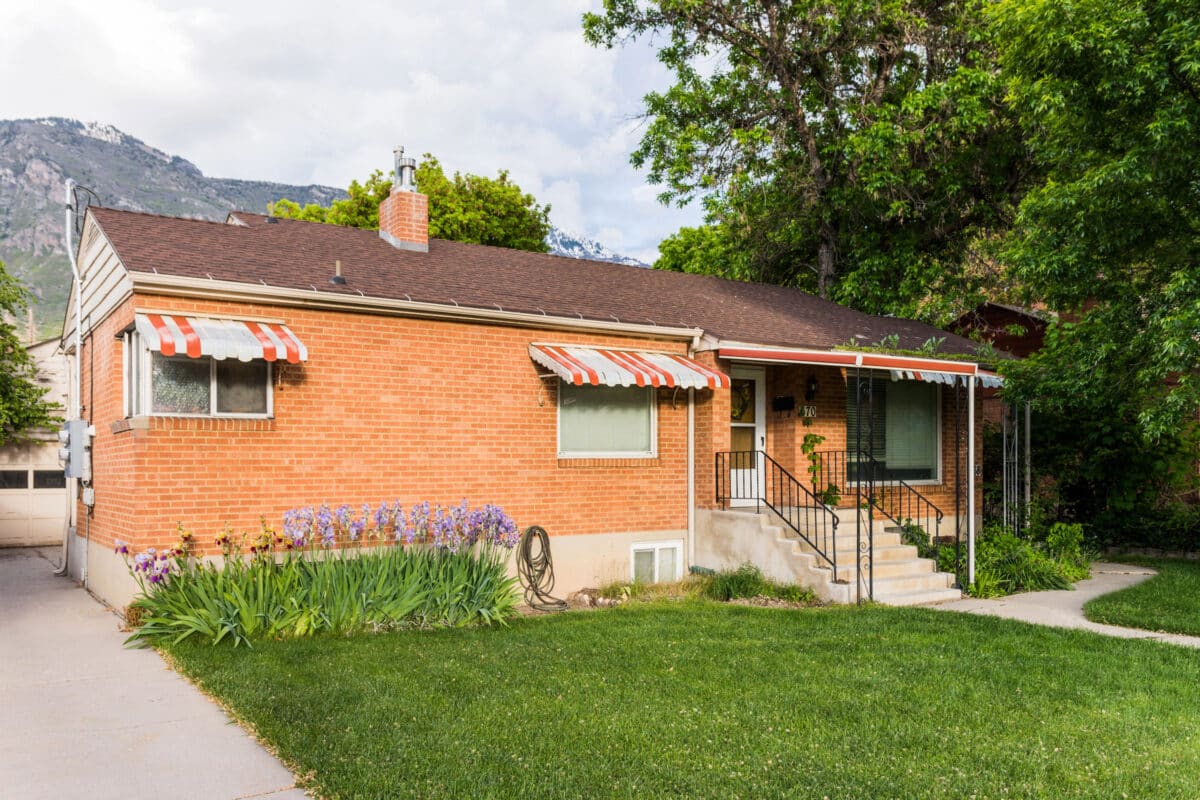
During the hottest parts of the day, keep curtains and blinds closed on windows receiving direct sunlight. Cellular shades, insulated drapes, and blackout curtains all help reduce solar heat gain. Exterior shade from awnings, shutters, shade sails, or trees works even better because it stops the sun before it reaches the glass.
Common Sense Tip
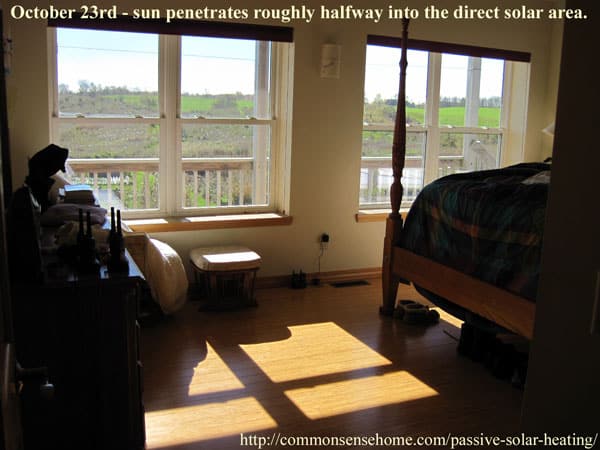
Take a walk through your house on a sunny afternoon and notice which rooms become warm first. Those are the areas where keeping windows covered will have the biggest impact.
2. Open Windows at the Right Time
Many people throw open windows first thing in the morning and leave them open all day. That works only if the outdoor air stays cooler than the air inside your home.
Instead, take advantage of cooler air during the evening, overnight, and early morning. Once outdoor temperatures climb above your indoor temperature, close the windows to keep the cooler air trapped inside.
If your evenings cool off significantly, create cross ventilation by opening windows on opposite sides of the house. This helps flush warm air from your home before the next day’s heat arrives. We sometimes get a breeze off of Lake Michigan in the evening, so we open up when the wind shifts.
3. Use Ceiling Fans and Electric Fans Wisely
Ceiling fans don’t actually cool the air—they cool people. Moving air across your skin increases evaporation, helping you feel several degrees cooler without changing the room temperature.
For the best results:
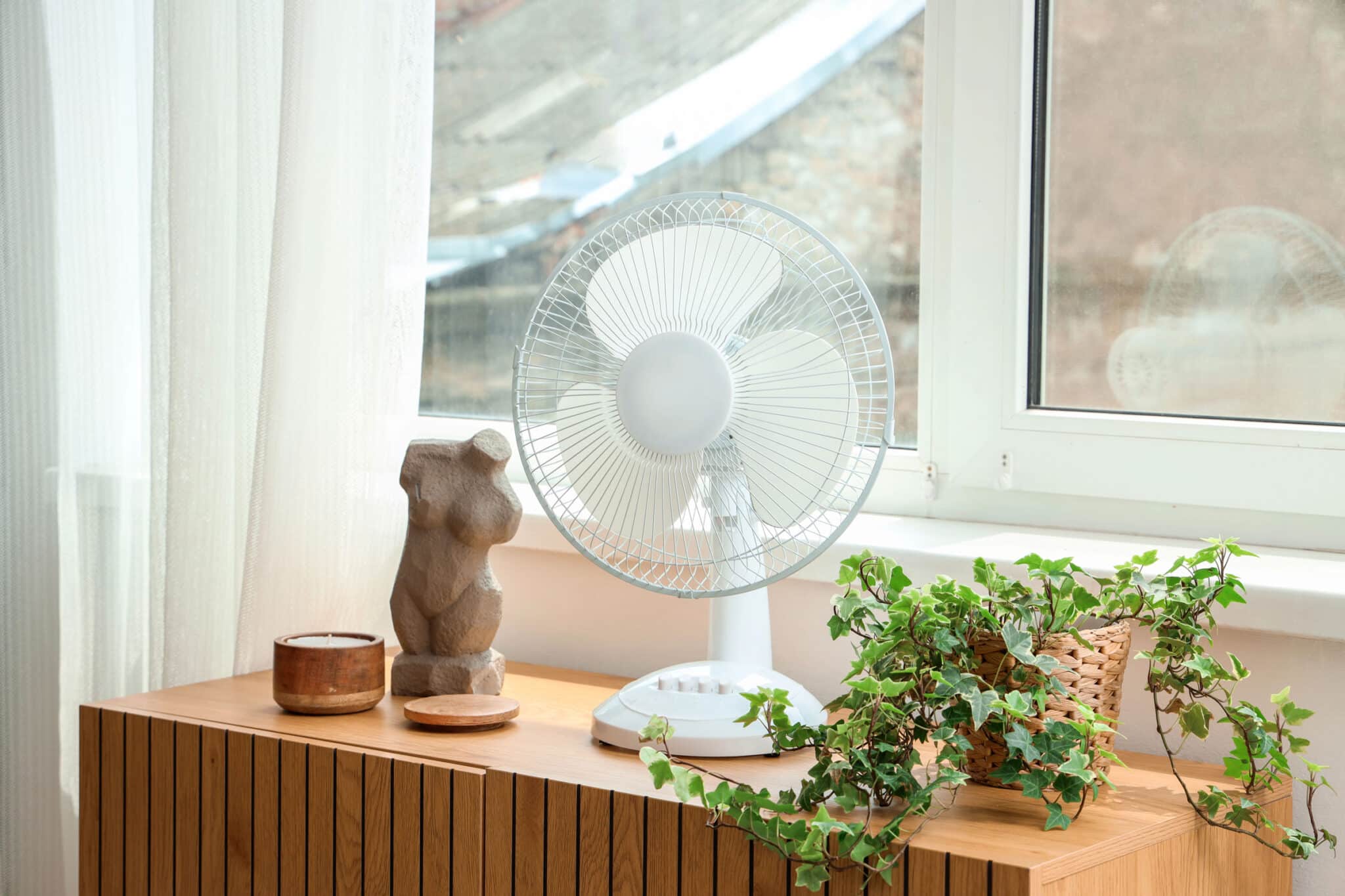
- Set ceiling fans to rotate counterclockwise during summer.
- Turn fans off when you leave the room. They cool people, not empty rooms.
- Use electric fans to create cross ventilation between open windows during cool parts of the day.
- Place a fan in an upstairs window to exhaust warm air that naturally rises. We have an exhaust fan in our bonus room above the garage to help clear hot air.
A little planning can improve air flow throughout the house and make rooms feel much more comfortable.
4. Reduce Indoor Heat Sources
Your kitchen can become one of the hottest rooms in the house. Ovens, stovetops, clothes dryers, and even older incandescent light bulbs produce heat that raises indoor temperatures.
During hot weather, consider these alternatives:
- Grill outdoors.
- Cook with an Instant Pot, slow cooker, or pressure cooker.
- Hang laundry on a clothesline instead of using the dryer.
- Run the dishwasher after sunset.
- Switch to LED light bulbs if you haven’t already.*Note on this below.
These changes may seem small, but together they can noticeably reduce the amount of heat your home has to remove.
*Traditional incandescent bulbs produce considerably more heat than LED bulbs. During the summer, switching to warm-white LED lighting (around 2700K) can help reduce indoor heat while using less electricity. If you’re sensitive to artificial lighting, look for high-quality, low-flicker LED bulbs with a high Color Rendering Index (CRI 90+), which produce a more natural-looking light.
If you live in a northern climate, however, incandescent bulbs aren’t always a bad choice. During the heating season, the heat they produce helps warm your home instead of adding to your cooling load. Many people also prefer the warmer color and smoother light of incandescent bulbs, particularly in the evening.
Whether you choose LEDs or incandescent bulbs, try to avoid very bright, blue-rich lighting before bedtime to support your body’s natural circadian rhythm.
5. Lower Humidity to Feel Cooler
Humidity doesn’t necessarily make the air hotter, but it does make your body less able to cool itself through perspiration. If your house feels sticky or muggy, lowering humidity may improve comfort as much as lowering the thermostat.
Bathroom exhaust fans, kitchen range hoods, and dehumidifiers all help remove excess moisture. Air conditioning also removes humidity as it cools the air. This is one reason moderately cool, dry air often feels more comfortable than colder, humid air.


6. Seal Air Leaks
Hot outdoor air finds its way inside through surprisingly small openings.
Check around:
- Exterior doors
- Windows
- Plumbing penetrations
- Electrical outlets on exterior walls
- Attic hatches
Weatherstripping and caulking are inexpensive improvements that help keep cooler air inside during summer and warm air inside during winter. They also reduce the workload on your heating and cooling systems, making your home more energy efficient year-round.
7. Keep the Heat Out with Good Attic Insulation and Ventilation
If the upstairs of your home is always warmer than the main floor, your attic may be part of the problem.
On a sunny summer day, attic temperatures can climb well over 120°F (49°C). Without adequate insulation, that heat radiates into the rooms below, making your air conditioning work much harder.
Proper attic insulation slows heat transfer into your living space, while good attic ventilation helps remove some of the warm air before it builds up.
If you’re planning home improvements, adding attic insulation is often one of the most cost-effective ways to improve comfort in both summer and winter.
8. Shade Your Home with Trees and Landscaping
One of the best long-term ways to keep your house cool is to stop sunlight before it reaches your walls and windows.
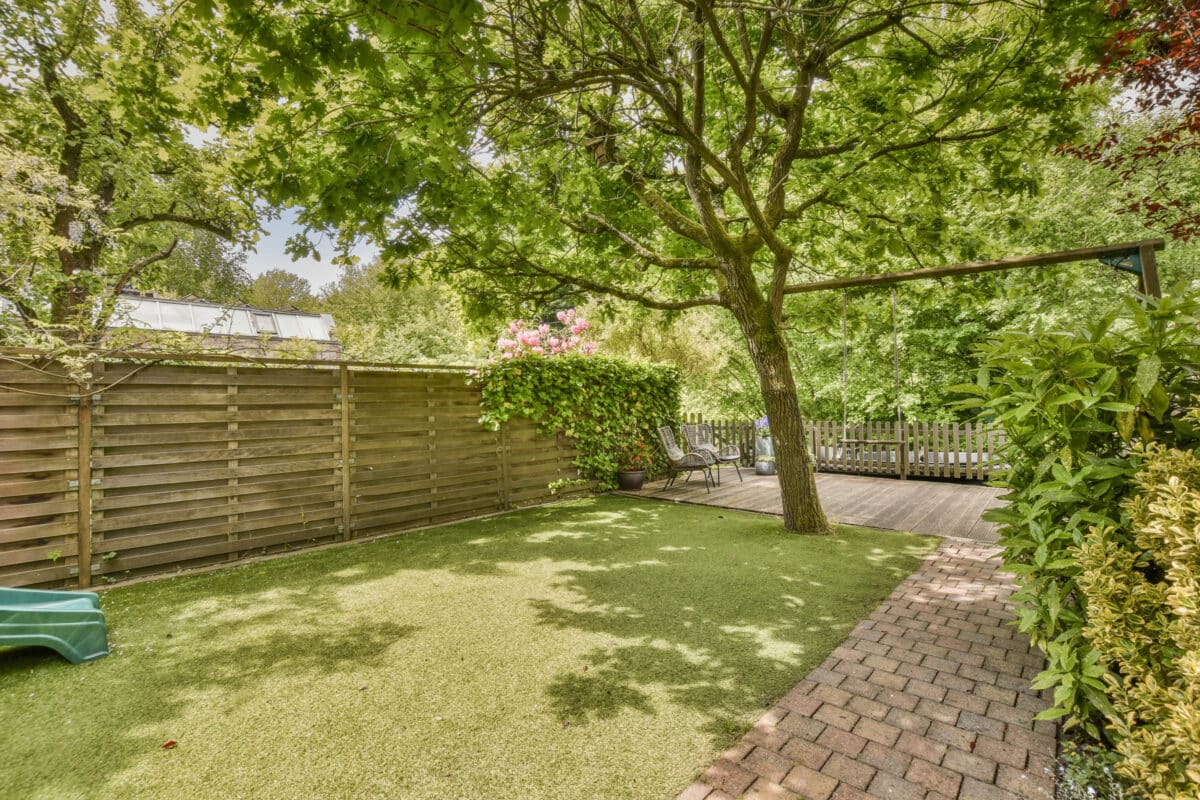
Deciduous trees planted on the south and west sides of your home provide welcome shade during the summer, then lose their leaves in autumn to allow warming winter sunshine through.
Pergolas, shade sails, climbing vines, and large shrubs can also reduce afternoon heat on patios, decks, and west-facing walls.
When choosing new landscaping, think about how the sun moves across your property during different times of the day. A tree planted today may provide decades of natural cooling as it matures.
Common Sense Tip
If you’re planting shade trees, give some thought to their mature size. A tree that’s too close to your home can eventually create problems with roots, gutters, or storm damage. Planting a little farther away allows the tree to provide shade while still having room to grow.
9. Take Advantage of Thermal Mass
Some homes naturally resist temperature swings better than others. Materials such as concrete, brick, stone, adobe, and insulated concrete forms (ICFs) absorb heat slowly during the day and release it gradually as temperatures cool.
Our passive solar home uses insulated concrete forms, which help moderate indoor temperatures year-round. During the summer, we close windows and keep curtains and blinds closed during the hottest parts of the day. Once evening brings cooler air, we open the windows to flush out accumulated heat and prepare the house for the next day.
Even if your home doesn’t have as much thermal mass, you can still benefit from the same principle. Reduce heat gain during the day and bring in cooler air whenever outdoor temperatures allow.
10. Keep Your Air Conditioner Running Efficiently
Even if you’re trying to reduce your reliance on air conditioning, you’ll get better performance and lower energy bills by keeping your system well maintained.
Simple maintenance includes:
- Replace or clean air filters regularly.
- Keep furniture from blocking supply and return vents.
- Clear leaves, grass clippings, and debris away from the outdoor condenser.
- Have the system inspected if cooling performance declines.
A clean, well-maintained system cools the air more efficiently and may last longer than one that’s neglected.
Should You Leave Your Air Conditioner Running All Day?
Whether it’s cheaper to leave your air conditioner running all day depends on your home, your climate, and how long you’ll be away.
For most families, there’s no reason to cool an empty house to your normal comfort temperature. Raising the thermostat by 7 to 10 degrees while you’re away for several hours can reduce cooling costs, especially if you have a programmable thermostat.
However, it’s usually not a good idea to turn the air conditioning completely off during extremely hot weather.
If indoor temperatures climb too high, your home can become uncomfortably hot, and your cooling system has to work much harder to remove all that accumulated heat once you turn it back on. High humidity may also become an issue.
If pets, young children, older adults, or anyone with health concerns will be at home, keep indoor temperatures in a safe range. During periods of extreme heat, comfort becomes a health issue as well as an energy issue.
How to Keep Your House Cool During a Power Outage
Power outages often happen during the hottest weather, when electrical demand is highest. Without air conditioning, preventing heat buildup becomes even more important.
If the electricity goes out:
- Keep curtains and blinds closed on sunny windows.
- Stay on the lowest level of the home if possible, since warm air rises.
- Cook outdoors or use emergency cooking options to reduce heat gain.
- Drink plenty of water and wear lightweight clothing.
- Open windows after sunset if the outdoor temperature has dropped below the temperature inside your home.
- Use battery-powered or rechargeable electric fans to improve air flow.
If your home becomes dangerously hot, consider spending the hottest part of the day at a public library, shopping center, community cooling center, or another air-conditioned building until temperatures moderate.
See Heat Stroke – Symptoms, Treatment, and Prevention.
Planning ahead with a few battery-powered fans, frozen water bottles, and plenty of drinking water can make a summer power outage much more manageable.
Make the Sun Work for You
- Solar Energy Questions and Answers, Pros and Cons
- What’s the Best Solar Cooker?
- Solar Emergency Gear – Lights, Power, Radios, and Ovens

This article was written by Laurie Neverman. Laurie has a masters degree in mechanical engineering with an emphasis in renewable energy. She helped to operate and maintain the world largest flat plate collector solar water heating system. Her family’s home use three types of solar systems and is Energy Star and Wisconsin Green Built certified.
Originally published in 2014, last updated in 2026.
To cool down..put on a wet t-shirt….when it dries, remove it and put on another wet one!
Very good information..I will be following it.
They make roof shading systems, and a double roof works as well as long as both have adequate ventilation. make sure to place metal screening material that hornets and wasps cannot get into to save yourself the trouble of nests in impossible to reach places. You can also add double walls to your home that have space between the main wall and the outer wall. Make sure that they are an off tint of white or light cream color to save even more money and keep temperatures down.
Any idea about the cost to build something like this, and ongoing maintenance? We looked at envelope houses (double exterior walls) back when we built this place (2004), and at that time they were cost prohibitive.
In the thousands range to do it yourself upwards of $10,000 for the double roof because you have to buy the lumbar the metal sheets etc. The cloth system I spoke of costs about $5,000 but personally I would go for something more solid. I got an estimate for roofing with just the aluminum sheeting and it was $19,000.
Thanks a lot for publishing this post! It is very useful!
You’re welcome.
I live in a 1967 concrete block/no insulation house in central Florida- Orlando area- not by the water. Already we are having 100°. No breeze. We cannot have trees within 60′ feet. Of the house due to risk of hurricane winds blowing trees on the houses. The roof is a low slope 5 year old metal (no color, just shiny), 12/1.2 with no attic/crawl space to insulate. I have grown up using all the cooling techniques you mention that I can. It is not financially feasible for me to rebuild the roof to add insulation or add vinyl siding lined with insulation. Any other suggestions? I think you left out using good LED bulbs as they give off minimal heat. Thanks..
RE: LED lighting – see point #3:
Beyond that, I think the post covers most options that are readily available.
If you can’t plant trees, shrubs and shade cloth could still block sun gain from windows and exterior surfaces. Having more taller vegetation in the area (even if you can’t have it right next to the house) tends to create a cooler microclimate than pavement or lawn. This could make your yard slightly cooler than it might otherwise be, indirectly cooling your home.
You can find videos on YouTube on how to refit your home yourself cheaply using geothermal heating and cooling techniques. You can change the temperature inside your home by up to 30° by installing PVC pipes underground in your yard that connects to vents you install inside your home in each room. A small reversible fan inside the pipe allows you to control the airflow direction depending on the season. The cost of running the system is no more than what a small desk fan would cost you to run. This works because the temperature underground is always the same year round and because it is cooler underground during the summer and warmer underground during the winter than it is outside. The intake vents are screened installed with a small drainage box so you don’t have to worry about bugs, vermin, or rainwater getting in the pipes. The depth the pipes must be installed depends on your region and there are charts available online. I hope this helps.
Hey Amber, these are some great tips indeed. While reading tip #12, I remembered an article I saw on The Washington Post stating the The U.S. Department of Energy said that we can reduce our heating and cooling needs by almost 30% if we smartly insulate our homes!
How many people just never think about proper insulation! Anyways, great article!
this is great