
How to Keep Your House Cool in the Summer (Without AC)

This post may contain affiliate links. Read my full disclosure here.


Keeping your house cool during the summer isn’t just about comfort. Lower indoor temperatures can reduce your electric bill, lessen the strain on your air conditioning, and help your home stay livable during a power outage.
The good news is that you don’t need to rely solely on air conditioning to create a cool, comfortable home. Small changes—like blocking direct sunlight, improving air flow, and choosing the right times of the day to open windows—can make a noticeable difference.
Many of these strategies work best by preventing heat from building up in the first place. Once your home becomes uncomfortably hot, it takes much more energy to cool the air back down.
Would you like to save this?
Table of Contents
- How Homes Heat Up in Summer
- How to Keep Your House Cool in the Summer
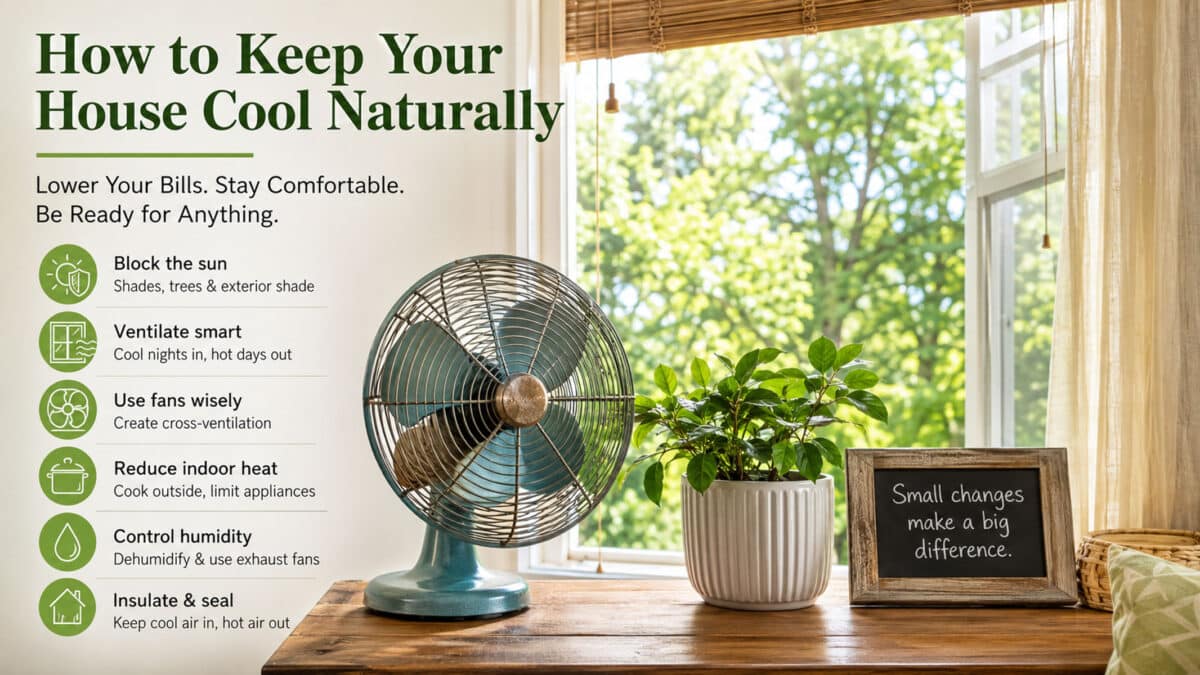
- 1. Keep Windows Covered During the Hottest Parts of the Day
- 2. Open Windows at the Right Time
- 3. Use Ceiling Fans and Electric Fans Wisely
- 4. Reduce Indoor Heat Sources
- 5. Lower Humidity to Feel Cooler
- 6. Seal Air Leaks
- 7. Keep the Heat Out with Good Attic Insulation and Ventilation
- 8. Shade Your Home with Trees and Landscaping
- 9. Take Advantage of Thermal Mass
- Should You Leave Your Air Conditioner Running All Day?
- How to Keep Your House Cool During a Power Outage
How Homes Heat Up in Summer
Your home gains heat in several ways throughout the day:
- Sunlight shining through windows
- Warm air leaking inside around doors and windows
- Attics heating up under the summer sun
- Appliances and electronics that produce heat
- High humidity that makes indoor temperatures feel warmer
The goal isn’t simply cooling your home after it gets hot—it’s reducing heat before it enters your living space. That’s often the easiest and most energy efficient approach. Let’s get started.
How to Keep Your House Cool in the Summer
The good news is that you don’t have to tackle every project at once. Some of the best ways to keep your house cool cost little or nothing, while others are long-term improvements that can make your home more comfortable year after year.
Start with the easy wins, like keeping windows covered during the hottest parts of the day and bringing in cooler air at night. Then, as time and budget allow, consider upgrades such as additional insulation, better landscaping, or more energy efficient windows.
1. Keep Windows Covered During the Hottest Parts of the Day
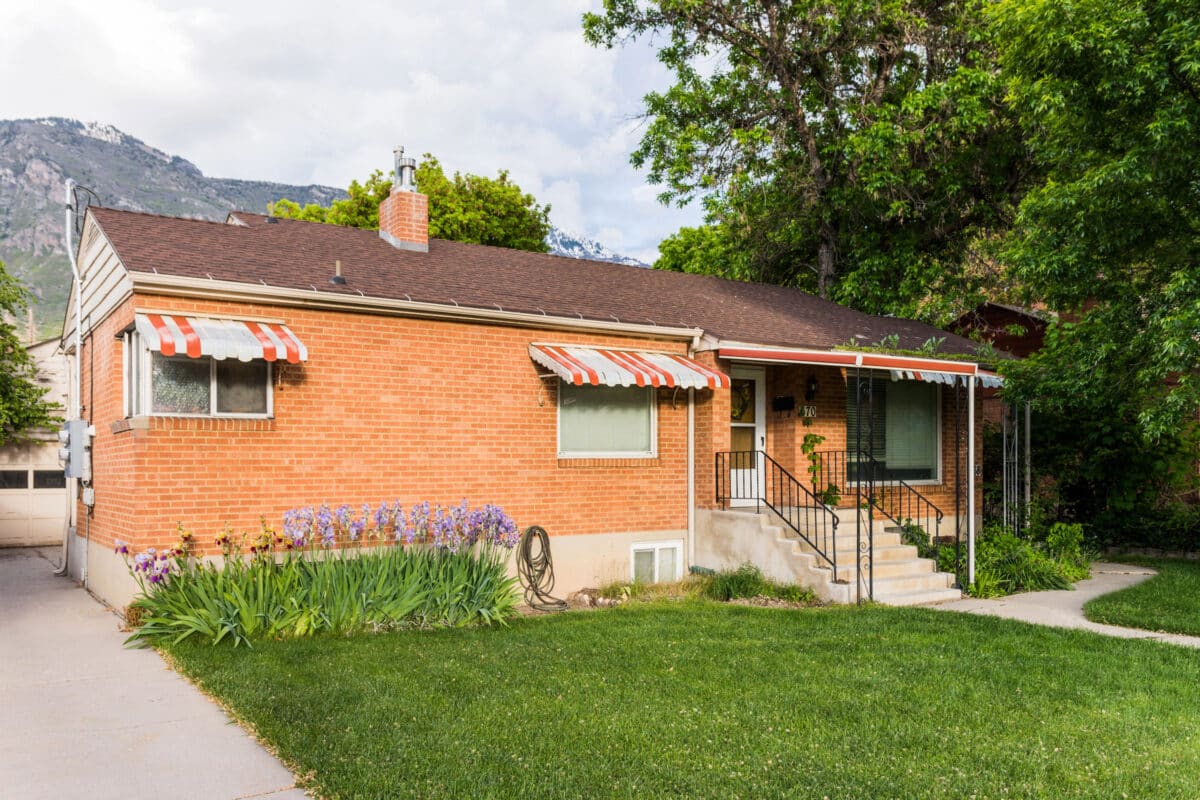
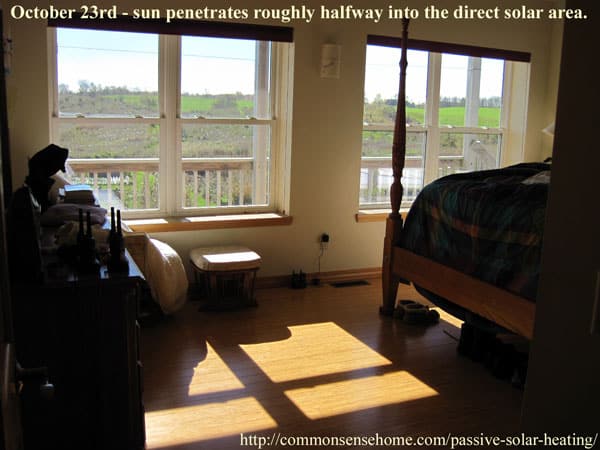
Sunlight pouring through glass can quickly raise indoor temperatures, especially on south- and west-facing windows. My in-laws’ home had huge, beautiful windows overlooking the water of Green Bay – that faced due west. The view was amazing, but the temperature in the home skyrocketed every sunny afternoon.
During the hottest parts of the day, keep curtains and blinds closed on windows receiving direct sunlight. Cellular shades, insulated drapes, and blackout curtains all help reduce solar heat gain. Exterior shade from awnings, shutters, shade sails, or trees works even better because it stops the sun before it reaches the glass.
Common Sense Tip
Take a walk through your house on a sunny afternoon and notice which rooms become warm first. Those are the areas where keeping windows covered will have the biggest impact.
2. Open Windows at the Right Time
Many people throw open windows first thing in the morning and leave them open all day. That works only if the outdoor air stays cooler than the air inside your home.
Instead, take advantage of cooler air during the evening, overnight, and early morning. Once outdoor temperatures climb above your indoor temperature, close the windows to keep the cooler air trapped inside.
If your evenings cool off significantly, create cross ventilation by opening windows on opposite sides of the house. This helps flush warm air from your home before the next day’s heat arrives. We sometimes get a breeze off of Lake Michigan in the evening, so we open up when the wind shifts.
3. Use Ceiling Fans and Electric Fans Wisely
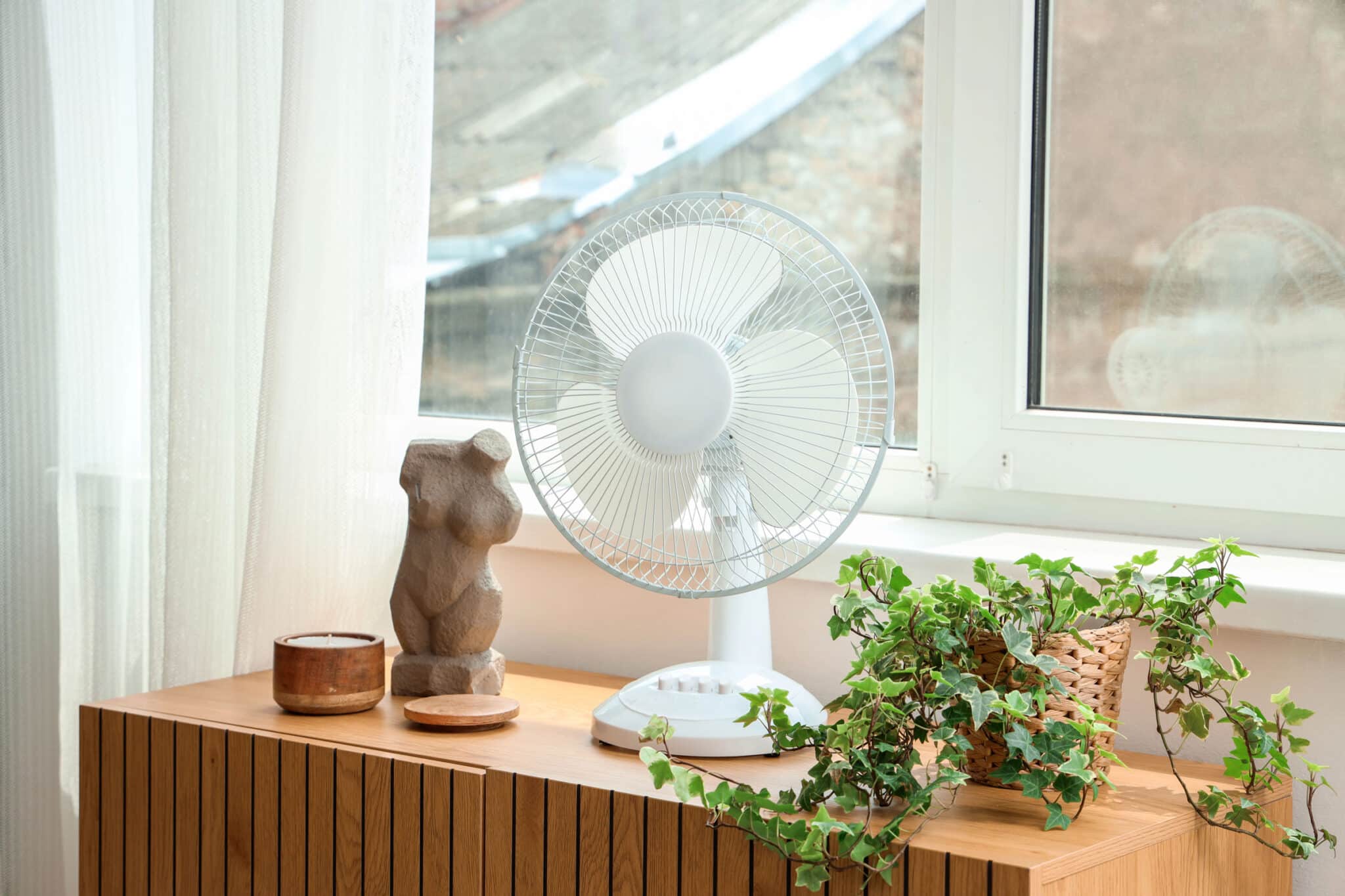
Ceiling fans don’t actually cool the air—they cool people. Moving air across your skin increases evaporation, helping you feel several degrees cooler without changing the room temperature.
For the best results:
- Set ceiling fans to rotate counterclockwise during summer.
- Turn fans off when you leave the room. They cool people, not empty rooms.
- Use electric fans to create cross ventilation between open windows during cool parts of the day.
- Place a fan in an upstairs window to exhaust warm air that naturally rises. We have an exhaust fan in our bonus room above the garage to help clear hot air.
A little planning can improve air flow throughout the house and make rooms feel much more comfortable.
4. Reduce Indoor Heat Sources
Your kitchen can become one of the hottest rooms in the house. Ovens, stovetops, clothes dryers, and even older incandescent light bulbs produce heat that raises indoor temperatures.
During hot weather, consider these alternatives:
- Grill outdoors.
- Cook with an Instant Pot, slow cooker, or pressure cooker.
- Hang laundry on a clothesline instead of using the dryer.
- Run the dishwasher after sunset.
- Switch to LED light bulbs if you haven’t already.*Note on this below.
These changes may seem small, but together they can noticeably reduce the amount of heat your home has to remove.
*Traditional incandescent bulbs produce considerably more heat than LED bulbs. During the summer, switching to warm-white LED lighting (around 2700K) can help reduce indoor heat while using less electricity. If you’re sensitive to artificial lighting, look for high-quality, low-flicker LED bulbs with a high Color Rendering Index (CRI 90+), which produce a more natural-looking light.
If you live in a northern climate, however, incandescent bulbs aren’t always a bad choice. During the heating season, the heat they produce helps warm your home instead of adding to your cooling load. Many people also prefer the warmer color and smoother light of incandescent bulbs, particularly in the evening.
Whether you choose LEDs or incandescent bulbs, try to avoid very bright, blue-rich lighting before bedtime to support your body’s natural circadian rhythm.
5. Lower Humidity to Feel Cooler
Humidity doesn’t necessarily make the air hotter, but it does make your body less able to cool itself through perspiration. If your house feels sticky or muggy, lowering humidity may improve comfort as much as lowering the thermostat.
Bathroom exhaust fans, kitchen range hoods, and dehumidifiers all help remove excess moisture. Air conditioning also removes humidity as it cools the air. This is one reason moderately cool, dry air often feels more comfortable than colder, humid air.


6. Seal Air Leaks
Hot outdoor air finds its way inside through surprisingly small openings.
Check around:
- Exterior doors
- Windows
- Plumbing penetrations
- Electrical outlets on exterior walls
- Attic hatches
Weatherstripping and caulking are inexpensive improvements that help keep cooler air inside during summer and warm air inside during winter. They also reduce the workload on your heating and cooling systems, making your home more energy efficient year-round.
7. Keep the Heat Out with Good Attic Insulation and Ventilation
If the upstairs of your home is always warmer than the main floor, your attic may be part of the problem.
On a sunny summer day, attic temperatures can climb well over 120°F (49°C). Without adequate insulation, that heat radiates into the rooms below, making your air conditioning work much harder.
Proper attic insulation slows heat transfer into your living space, while good attic ventilation helps remove some of the warm air before it builds up.
If you’re planning home improvements, adding attic insulation is often one of the most cost-effective ways to improve comfort in both summer and winter.
8. Shade Your Home with Trees and Landscaping
One of the best long-term ways to keep your house cool is to stop sunlight before it reaches your walls and windows.
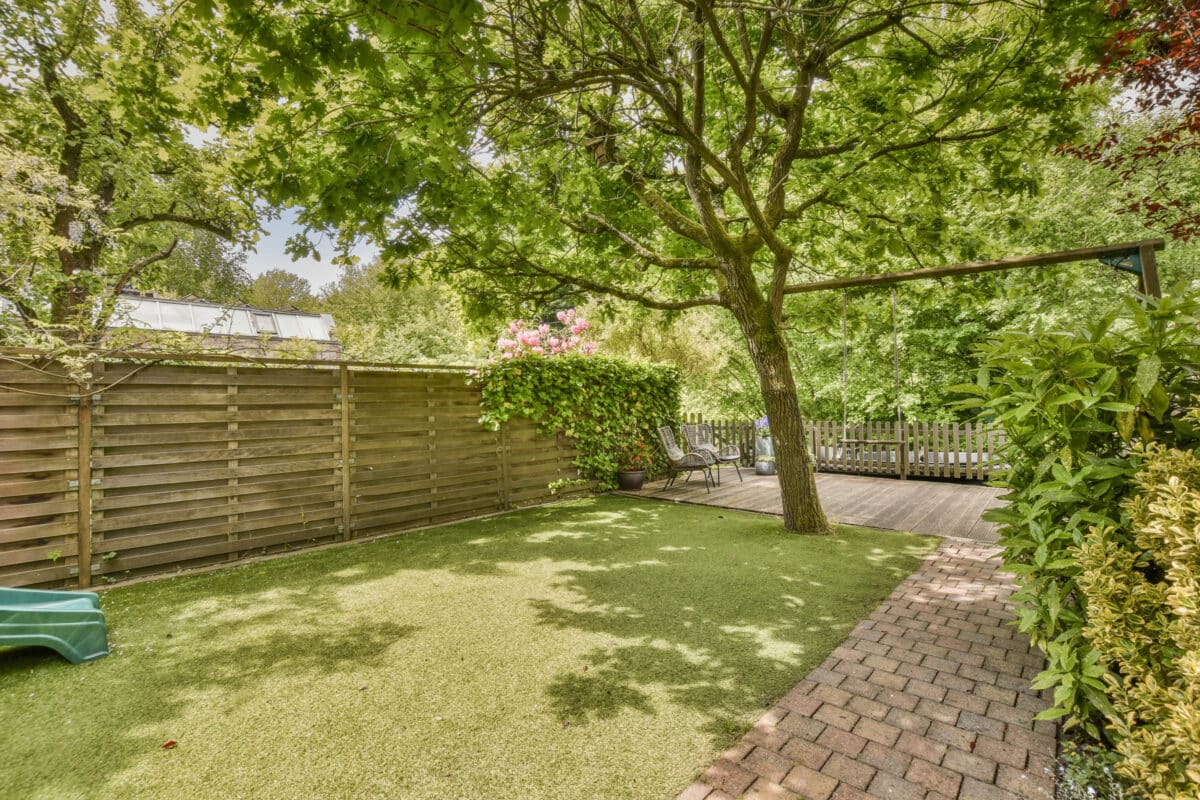
Deciduous trees planted on the south and west sides of your home provide welcome shade during the summer, then lose their leaves in autumn to allow warming winter sunshine through.
Pergolas, shade sails, climbing vines, and large shrubs can also reduce afternoon heat on patios, decks, and west-facing walls.
When choosing new landscaping, think about how the sun moves across your property during different times of the day. A tree planted today may provide decades of natural cooling as it matures.
Common Sense Tip
If you’re planting shade trees, give some thought to their mature size. A tree that’s too close to your home can eventually create problems with roots, gutters, or storm damage. Planting a little farther away allows the tree to provide shade while still having room to grow.
9. Take Advantage of Thermal Mass
Some homes naturally resist temperature swings better than others. Materials such as concrete, brick, stone, adobe, and insulated concrete forms (ICFs) absorb heat slowly during the day and release it gradually as temperatures cool.
Our passive solar home uses insulated concrete forms, which help moderate indoor temperatures year-round. During the summer, we close windows and keep curtains and blinds closed during the hottest parts of the day. Once evening brings cooler air, we open the windows to flush out accumulated heat and prepare the house for the next day.
Even if your home doesn’t have as much thermal mass, you can still benefit from the same principle. Reduce heat gain during the day and bring in cooler air whenever outdoor temperatures allow.
10. Keep Your Air Conditioner Running Efficiently
Even if you’re trying to reduce your reliance on air conditioning, you’ll get better performance and lower energy bills by keeping your system well maintained.
Simple maintenance includes:
- Replace or clean air filters regularly.
- Keep furniture from blocking supply and return vents.
- Clear leaves, grass clippings, and debris away from the outdoor condenser.
- Have the system inspected if cooling performance declines.
A clean, well-maintained system cools the air more efficiently and may last longer than one that’s neglected.
Should You Leave Your Air Conditioner Running All Day?
Whether it’s cheaper to leave your air conditioner running all day depends on your home, your climate, and how long you’ll be away.
For most families, there’s no reason to cool an empty house to your normal comfort temperature. Raising the thermostat by 7 to 10 degrees while you’re away for several hours can reduce cooling costs, especially if you have a programmable thermostat.
However, it’s usually not a good idea to turn the air conditioning completely off during extremely hot weather.
If indoor temperatures climb too high, your home can become uncomfortably hot, and your cooling system has to work much harder to remove all that accumulated heat once you turn it back on. High humidity may also become an issue.
If pets, young children, older adults, or anyone with health concerns will be at home, keep indoor temperatures in a safe range. During periods of extreme heat, comfort becomes a health issue as well as an energy issue.
How to Keep Your House Cool During a Power Outage
Power outages often happen during the hottest weather, when electrical demand is highest. Without air conditioning, preventing heat buildup becomes even more important.
If the electricity goes out:
- Keep curtains and blinds closed on sunny windows.
- Stay on the lowest level of the home if possible, since warm air rises.
- Cook outdoors or use emergency cooking options to reduce heat gain.
- Drink plenty of water and wear lightweight clothing.
- Open windows after sunset if the outdoor temperature has dropped below the temperature inside your home.
- Use battery-powered or rechargeable electric fans to improve air flow.
If your home becomes dangerously hot, consider spending the hottest part of the day at a public library, shopping center, community cooling center, or another air-conditioned building until temperatures moderate.
See Heat Stroke – Symptoms, Treatment, and Prevention.
Planning ahead with a few battery-powered fans, frozen water bottles, and plenty of drinking water can make a summer power outage much more manageable.
Make the Sun Work for You
- Solar Energy Questions and Answers, Pros and Cons
- What’s the Best Solar Cooker?
- Solar Emergency Gear – Lights, Power, Radios, and Ovens

This article was written by Laurie Neverman. Laurie has a masters degree in mechanical engineering with an emphasis in renewable energy. She helped to operate and maintain the world largest flat plate collector solar water heating system. Her family’s home use three types of solar systems and is Energy Star and Wisconsin Green Built certified.
Originally published in 2014, last updated in 2026.
I have a dehumidifier in by basement and use it when I notice the water pipes sweating and dripping on the cement floor. It fills the reservoir in less than a day and I use the water for outside flowers. I use my furnace fan to send cool air from the basement through the air vents which helps cool my house plus circulates air plusI have 4 ceiling fans. I have bubble wrap on most windows that is cut to fit and needs only water sprayed on the window to make it stick. It helps keep out cold, heat and is also good for privacy. I live in Ontario Canada and we get high humidity in summer that makes it feel much hotter than it really is. In a recent heat wave the temperature went to 100-120 f. There were many heat related deaths (30-50+) in Quebec. I sometimes also cool off in front of a fan with a cold wet face cloth.
I live in Canada (Ontario) and we get heat waves and lots of snow and freezing winters. I made what I call a “window quilt” the first winter to keep the cold coming in at night through a large living room window. It also works to keep out summer heat. This window is on the east side of my house where there are no trees and most of the heat comes in. I made this quilt out of a large white sheet (doubled) and stitched a quilt batting inside it. I used cup hooks under the top window frame and sewed plastic rings on the quilt to match each hook. I also am able to roll it up and have long ties that can be tied or released when needed. I have plants and seedlings on shelves in front of the window but when it got too hot I dropped the quilt and put them outside where they get part shade.
I live in Canada as well. Such weather extremes here.What part do you live in? Very great idea your window quilt. My house is old with old Windows , I must try tbis.
When we lived in Madison WI our summers were hot and typically very humid. We got a dehumidifier, It helped dry our air, but also generated a noticeable amount of heat. We tried running it wile at work during the day in our tub where it could drain freely, and turning it off at night. Could this increase of heat indicate that we were operating it incorrectly? We now live up North where we have a few hot, humid days each summer. I think we still have the dehumidifier in storage and wonder how it can be used to dehydrate without increasing heat? Our cottage is about 525sf with a 14 ft open beam ceiling and good insulation. We get pretty good shade on the south and west sides from the forest around us and cool off at night except for those few miserable nights each summer.
All dehumidifiers will throw off some heat, but it it’s getting excessively hot, it may be undersized for the area. Look for a unit that’s Energy Star rated to be more efficient, and sized to tackle the area your want to dehumidify. The hOmeLabs 6 Gallon (50 Pint) Dehumidifier Energy Star Safe Mid Size Portable Dehumidifiers for Basements Large Rooms up to 2500 Sq Ft is one of the better ranked ones on Amazon right now.
Here’s a tip for those of you who live in desert climates. Use Styrofoam sheets in the inside of your west facing windows. Cut them to fit and you can wedge them into the inside window sills. Since they are white, the light gets through, but it really blocks out the heat. Also, fro the exterior, they are not an eyesore like aluminum foil or newspaperWe learned this from an RV’er and decided to use it at home in our 8 foot wide west-facing picture window. You can get huge sheets from Lowe’s or Home Depot for about $20. They will cut them for you so you can get them home without a truck. The thicker the better, or use two thinner sheets for thickness.
Also, I can vouch for the tip someone posted of using a hose to spray your foot top. I would say to also hose down your west facing exterior walls. The hottest days of the year are the weeks surrounding the longest day of the year, June 22. I make it a point to hose down the west side of the house and roof every 2 hours from 11 am to 7 PM.
Last tip for desert dwellers. I live in wet/damp t-shirts and/or jump into the shower every 2 hours or so. That way, I can keep my a/c set to 81 degrees and still be comfortable.
Blessings,
Frugal pensioner in AZ
Thanks for sharing your tips, Kim.
The hottest time of day in Oregon is around 4pm. I am less likely to open a window at the time when it is hotter. Our A/C broke on the hottest day of this year, and unfortunately we have two fans between 4 adults. We are keeping windows open when we can do so safely (people break in if they know windows are open), and using the two pedastal fans, as well as our ceiling fan. We put up canopies right outside our house in the backyard to shade from the sun.
I hope you can get your AC fixed, or find a good deal on another fan or two. If the weather channel is right, August may be above average temps in your area.
I live in west texas and we can have 100+°in the day and then get grapefruit sized hail in the evening.one thing we did was get everyone in the family a cooling towel.(the heavier ones that have like dots) walmart has them. You wet them,wring them out slightly,and shake them out (or snap them). Put them on your neck,or head,they keep you cool. Just keep rewetting them. They are washable.
Amber has used those for her family, too. Thanks for sharing your experience.
Thanks for the prepper tips on how to cool your home without ac . One never knows when it may
Go out .
You’re welcome, Bob. Helps keep the electric bill lower when everything is working, too.
Great tips! I liked the part about unplugging everything electrical, even if it only brings down the temperature down a smidgen, it’s certainly saving a little electricity and money, which is the biggest reason many people don’t have an AC.
Open the windows at night and place fans in the windows to suck the cool air in, then during the day shut all your windows and this should keep your house relatively cool for a majority of the day. I think you accidentally got Ohio’s weather. I live in Ohio and we’ve had rain 19 out of the last 20 days and yesterday I straight up had to wear a COAT. Usually it’s 100+ degrees and unbearably hot this time of year.
A lot of heat energy is delivered to your house in the form of rays from the sun. If you have blinds that will block the light from entering the house and reflecting a bunch of it back outside, less heat energy is dumped inside. And things stay cooler.
Obviously the color of your blinds will also play a role, dark colored blinds will absorb a portion of the energy and act as radiators in your house. White blinds will reflect most of the energy back out again.
We have a westward facing home and live in the high desert. You make a great point about how reducing the sunlight that gets into your home during the summer can significantly help keep your home cool. We always regret the days were we forget to close our window shades in the morning before we leave for work. It really helps to cut back on our energy bill. We’ll also have to see if we can plant some shade for our home to help as well.
Thanks for writing this article, Amber! Too often, I feel burdened down with my energy costs, so I’m glad that I stumbled upon your article! I’ll be sure to follow your suggestion by making sure my fans are rotating in the right direction; I hadn’t thought of that one before! I might also want to look into my HVAC system—I think something might be wrong with my filters! Thanks for sharing! 🙂
I have also heard a different ‘spin’ on the ceiling fan direction… I heard that a slower speed, blowing down in winter moves the warmer air that naturally rises back down toward you – make it a slower speed so as not to feel the ‘wind chill’ effect. And then faster speeds upwards in the summer creates an ‘updraft’, forcing the warmer air up top to flow along the ceiling and down the walls to mix with the cooler air and then get sucked back up as a cycle. Personally, I prefer feeling the breeze more strongly and directly, but the science seems sound. Just thought I’d share.
These are all great tips!!! Thanks so much for sharing!
Thanks for sharing your thoughts, Matt.
How I ‘envy’ all of you who have either heat pumps, cooling systems or even insulation!!
My home was built in 1945, and not well. I have NO insulation except in a few areas, a horrible foundation, (the west facing wall, I can clearly see the ground and sunlight through it, and have pushed long round 6’ long pillows into it to keep ‘critters’ out!) and no space between walls to even blow insulation! The boards used are nearly petrified wood now, as I have tried using nails or screws for hanging items, and if I hit a stud, they immediately buckle and bend….hence the theory the wood has petrified! I love my home and small acreage, but wish there were things I could do to really keep cool in the summer heat. We have high 90’s almost all summer, and when it starts cooling down to the 70’s at night, my house starts to really heat up. I put fans in the doors, but that isn’t secure, and I live alone. I do keep it dark, and closed until it cools, My windows are all stuck shut from decades of bad painting, so air conditioners are out….. I keep it dark without lighting at night, mostly due to not wanting others to know my doors are open. I would shade the windows, but again, petrified wood and a horribly cheap & crappy plastic siding someone installed before I purchased it….As for the fans, I do have two, one upstairs and one down, however I had the Fire Chief over to ‘inspect’ my home soon after I bought it, and he shuddered and told me that the front porch light was just a hard wired extension cord (not even heavy duty one either) into the wall! The ceiling fan works off that switch, and when using it once, it smelled like fire, so I haven’t used it since! (I actually called my dad and asked him to drive by the next day to make sure I hadn’t died in a fire!!!LOL!)
Now all of you should be thankful about your homes!
someday, I will probably have this place completely re-done, all new electrical, plumbing, and foundation (not in that order) but for now, I just bake!
Cool dreams!
Are you ok
Wow! You’re home sounds like mine. I bought it for the lsnd, ran out of money to make it comfortsble. It is livable, just. Hope your situation has improved!
I’d add another two techniques that work in many locales.
1. If temperatures cools down substantially at night, set up timers to run fans that circulate that cool air through your house from about 2 a.m. until sunrise. That’ll soak in the coolness and may allow you to coast through all or much of the day. You might push in at one side of the house and pull out at the other.
2. Heat pumps and air conditioners work most efficiently when the difference between indoor and outdoor temperatures are not that great. Cool down your house to slightly chilly first thing in the morning when it’s still cool out, perhaps ten degrees cooler than what you’re setting inside. Then coast through the hottest part of the day when the temperature outside may be 25 degrees cooler than you want indoors. In many cases, combined with ceiling fans that’ll let you do without air conditioning at all.
The second trip works in reverse in the winter with heat pumps. Warm your house up into the mid to high seventies during the warmest part of the day, probably early to mid-afternoon. Then turn off your heat and see if you can coast through those chilly nights. (Good insulation helps.) That’s particular true when the temperature drops into the twenties or lower at night. At those temperatures, most heat pumps work so poorly, they switch over to an emergency mode in which they use very expensive resistant heaters.
All these are great tips on keeping your home cool. I had many trees and plants around my house so that it remains cool. Again we had home cooling systems which circulates cool night air around the home. We could actually feel the cool air coming into our bedrooms which is different from the air from our ceiling fans.
Finally! I have not had luck finding articles regarding our southern, STICKY, WET, heat. I’m originally from Michigan and I thought it was humid there but now having lived in Central Florida for 15 years, I sometimes long for those dry winter months. You described the sticky, humid, heat perfectly and thank you for addressing it with suggestions about cooling off! At this time of year all I normally find are articles on how to keep our home warm as most of the country starts to cool off. (….as a twinge of jealousy sets in….) 🙂
I talked to Amber about the timing, since I’m in Wisconsin, and she assured me that plenty of people were still quite hot and sticky. 🙂 Glad you found the article useful.
These are great tips – so many people forget about the direction their ceiling fan spins.
During the 2012 derecho we were without power for 10 days. Tips 5, 7, 8, and 9 kept our basement in the low 70’s when the air temp was reaching low 90’s. One other thing we did was spray the roof with the garden hose. Much like sweat, it evaporated and cooled the house off a few degrees upstairs which saved us a few degrees in the basement.
Basements can be a useful retreat area in summer and winter.
#6 is wrong. Many fans do the reverse.
From DelMar Fans and Lighting “What is the Proper Ceiling Fan Direction?”
If you happen to have a fan that functions differently, by all means, adjust accordingly.
The advice on ceiling fans is incorrect….in the summer you want the fan to pull the cool air up from the floor and past your body. As hot air rises why would you want to push that air down towards your body? And in the winter the fan should blow the heated air at the top of your rooms down onto your body
You put the air blowing towards you in summer because the air current causes evaporation from the skin, creating a cooling effect. There is typically not a huge temperature difference between person height and fan height.
David is right. If you live in a hot/humid area; on a particularly hot day, you’ll actually sweat more right under the fan. Pedestal fans are preferred for sweat evaporation. That’s why exhaust fans are put at the top of the wall. You’d be surprised at the difference you can feel. You want to throw the air at the top OUT, not on you. It will also delay the cooling of the room.
If you turn your fan to push the air down you are moving all the hot air from the ceiling as warm are rises.