
Elderflower: Benefits, Uses, Harvesting, and Recipes

This post may contain affiliate links. Read my full disclosure here.
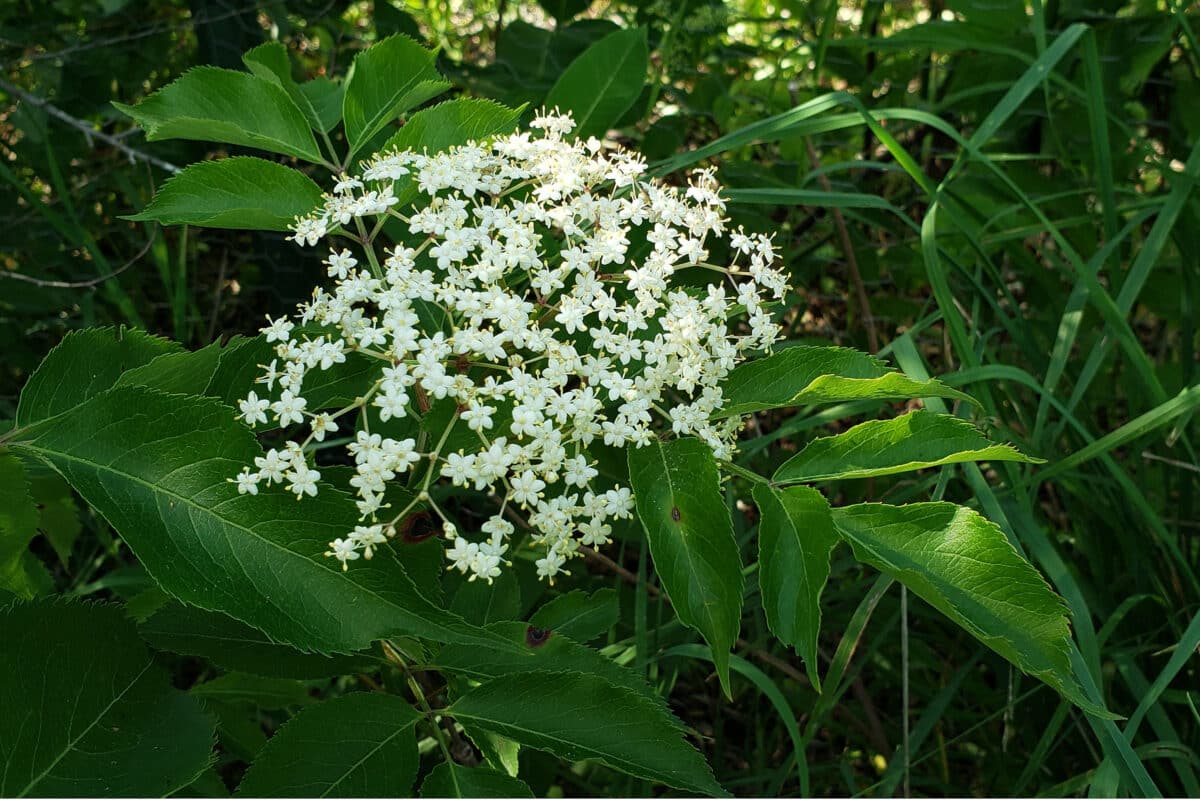
In late spring and early summer, elderflowers burst into bloom with large, creamy-white clusters of tiny flowers. Their sweet fragrance fills the air, attracting bees, butterflies, and other beneficial insects.
While many people know elderberry trees for their dark purple berries, the elderflower blossoms are a harvest worth celebrating in their own right. They can be used to make refreshing drinks, herbal teas, syrups, desserts, and traditional elderflower cordial. If you leave some of the flower heads on the plant, they’ll later develop into the elderberries used for jams, syrups, wines, and other recipes.
Whether you’re growing your own elderberries or foraging wild elders, here’s what you should know about harvesting and using these fragrant blooms.
Would you like to save this?
Table of Contents
What Are Elderflowers?
The blossoms are the fragrant flowers of the elder tree (Sambucus nigra and related Sambucus species).
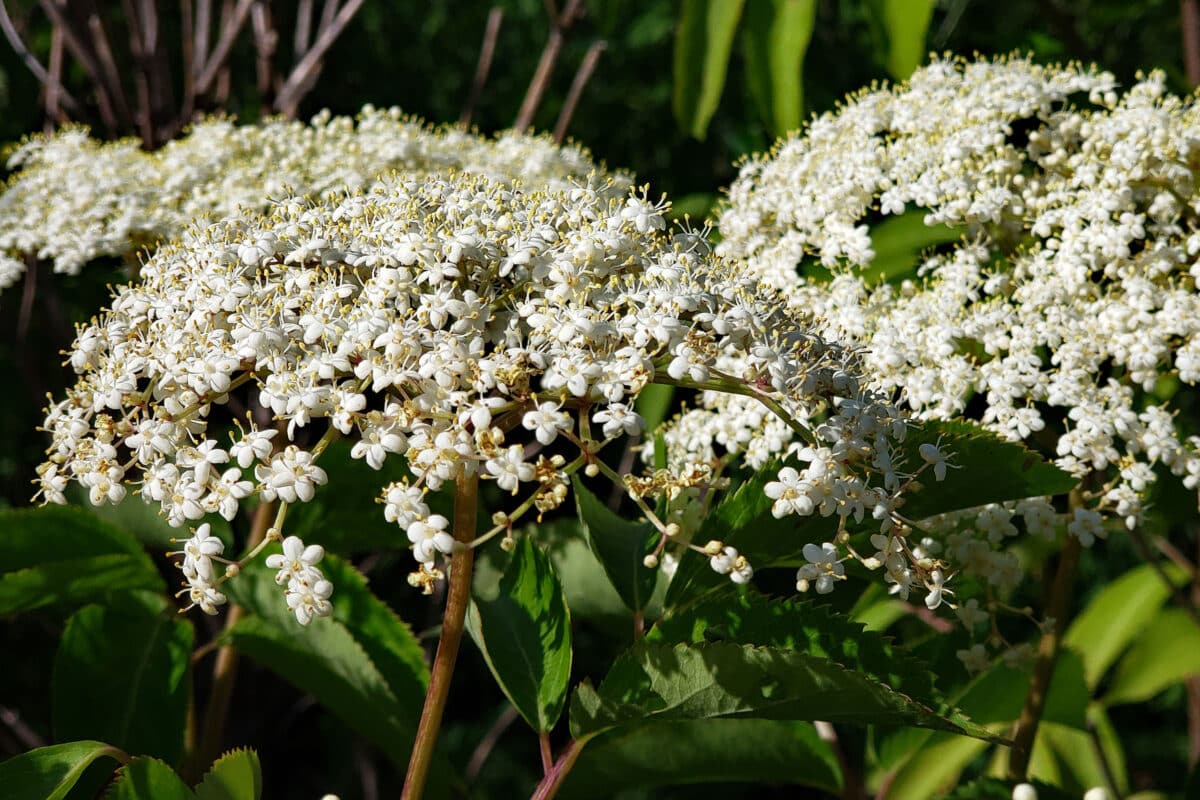
Each bloom consists of hundreds of tiny white flowers grouped into large, flat-topped flower heads called umbels. They typically appear from late spring into early summer, depending on your climate.
Once pollinated, the blooms develop into clusters of elderberries later in the season.
Which Elder Species Can You Use?
The European elder (Sambucus nigra) is the species most commonly used in traditional recipes such as elderflower cordial and elderflower liqueur.
American elder (Sambucus canadensis), now often classified as Sambucus nigra subsp. canadensis, produces nearly identical blooms and can be used the same way.
Do Elderflowers Turn Into Elderberries?
Yes. Every elderflower head has the potential to become a cluster of berries. That means every blossom you harvest is one less berry cluster you’ll collect in late summer.
If you’re growing elders primarily for fruit, harvest only a portion of the blooms and leave plenty behind for berry production. Our elderberry patch is big enough that we can enjoy both harvests.
What Do Elderflowers Taste Like?
The blossoms have a delicate floral flavor with subtle notes of:
- Honey
- Pear
- Lychee
- Citrus
- Vanilla
The flavor is light and refreshing rather than overpowering, making them popular in beverages and desserts.
How to Harvest the Blossoms
Harvest on a dry morning after the dew has evaporated but before the afternoon heat.
Choose flower heads that:
- Are fully open
- Smell sweet and fresh
- Show little or no browning
- Have not begun developing berries
Use scissors or hand pruners to snip the entire flower head. Shake each cluster gently to encourage insects to leave before bringing them indoors.
Many recipes recommend avoiding washing the blossoms because rinsing removes some of the fragrant pollen that contributes to their flavor. If cleaning is necessary, gently shake or lightly brush away insects instead. Avoid harvesting near dusty roads or sprayed areas.
Health Benefits
These fragrant flowers have a long history of traditional herbal use.
They naturally contain:
- Flavonoids
- Phenolic compounds
- Antioxidants
- Small amounts of essential oils
Traditional herbalists commonly prepared tea from the blossoms to support the body during seasonal illnesses and to encourage perspiration during fevers. Modern research suggests the flowers possess antioxidant and anti-inflammatory properties, although much of the research has focused on concentrated extracts rather than teas or foods.
The flowers may also benefit digestion, stimulating intestinal peristalsis and increasing the secretion of hydrochloric acid and bile.
Popular Ways to Use the Blossoms
One of the best things about this harvest is its versatility. The mild flavor lends itself to a variety of preparations.
Elderflower Cordial
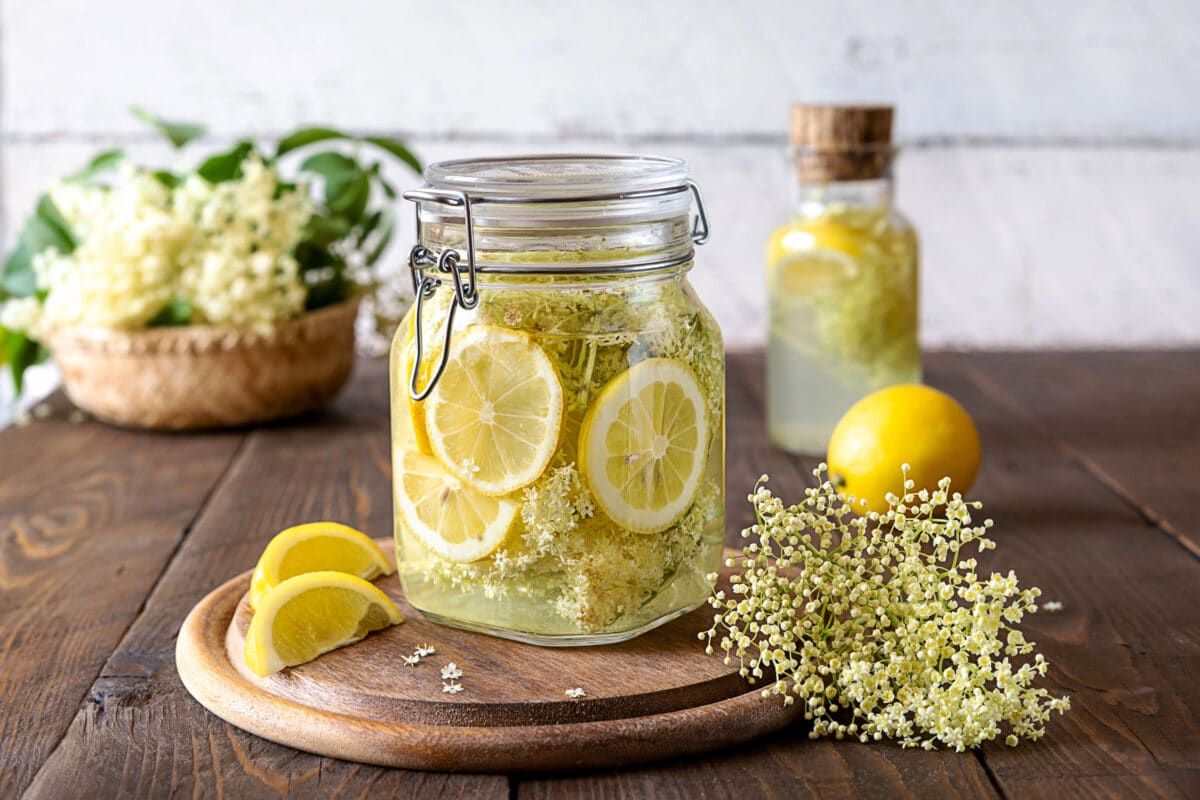
Perhaps the best-known use for the blossoms is elderflower cordial, a traditional European drink concentrate. The flowers are steeped with sugar, water, lemon slices or lemon juice, and often a small amount of citric acid, which brightens the flavor and helps preserve the cordial.
The finished concentrate is typically diluted with still or sparkling water, making refreshing elderflower drinks. It also adds a floral touch to lemonade, iced tea, cocktails, and desserts.
Elderflower Syrup
Elderflower syrup is similar to cordial but is usually prepared as a sweeter, more concentrated syrup for drizzling over foods rather than primarily serving as a drink. Drizzle it over pancakes, yogurt, fruit, or ice cream – or mix it in drinks. The two terms are often used interchangeably.
Herbal Tea
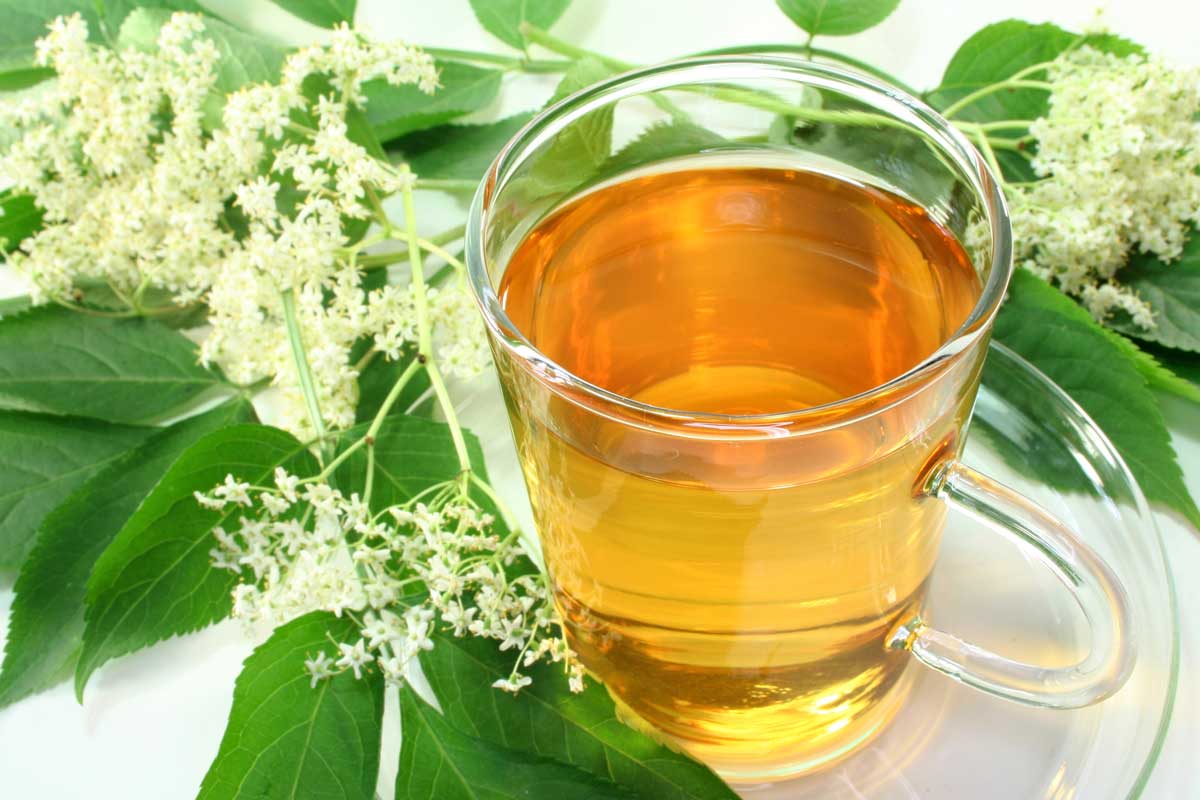
Fresh or dried blooms make a pleasant caffeine-free herbal tea. Enjoy them alone or blend them with mint, chamomile, lemon balm, or linden flowers.
Cover 1–2 teaspoons dried elderflowers (or 2–3 fresh flower heads) with one cup boiling water. Cover and let steep for 10–15 minutes (covering keeps in the beneficial vapors). Strain and sweeten with honey or lemon if desired.
Elderflower Liqueur
The blossoms are also used to flavor homemade and commercial elderflower liqueur, which has become increasingly popular in cocktails and desserts.
Baking and Desserts
Try adding the flowers to:
- Cakes
- Muffins
- Scones
- Jelly
- Sorbet
- Ice cream
- Fruit salads
Their delicate floral flavor pairs especially well with strawberries, gooseberries, rhubarb, and lemon. My neighbor, Betty, likes to batter the flower heads and make fritters. You can use our dandelion fritter recipe and swap in fresh elder blossoms.
Can You Dry Elderflowers?
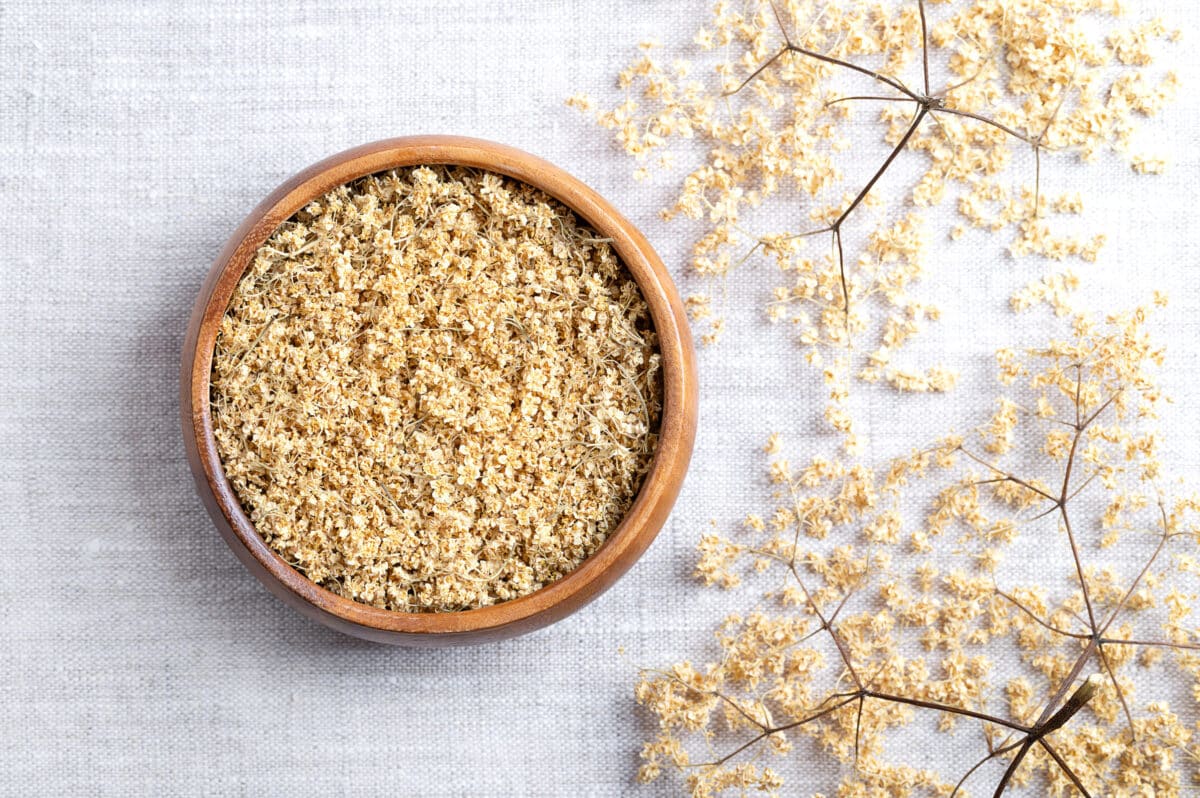
Yes. To dry, spread the flower heads on drying screens or dehydrator trays set to low heat. Once dry, gently rub the flowers from the stems and store them in airtight glass jars away from heat and sunlight. The dried blossoms work well for herbal tea.
Frequently Asked Questions
Small amounts are commonly used fresh in recipes or battered and fried. However, most people enjoy them infused into syrups, teas, or other preparations. Avoid eating large amount of raw stem, as it is mildly toxic and likely to come back up.
Yes. Freeze freshly harvested flower heads in airtight freezer bags until you’re ready to make syrup or cordial.
Most elder shrubs bloom for two to four weeks, depending on the weather and the variety. We grow several different varieties to extend the harvest.
From Blossoms to Berries
One of my favorite things about growing elders is that they provide two harvests from the same plant. First come the fragrant blooms of early summer, followed by clusters of dark berries later in the season.
By harvesting only part of the flowers, you don’t have to choose between them. You can enjoy homemade elderflower tea now and still gather elderberries for syrup, jelly, or wine in the fall.
I love having these plants as part of our homestead abundance. They provide food for pollinators and wildlife, as well as providing food and medicine for us. They also smell absolutely delightful.
Want even more elderberry uses? Check out The Wild Apothecary – Volume 1, which features elderberry, plantain, and sweet violet.

This article is written by Laurie Neverman. Laurie was raised on a small dairy farm in northwest Wisconsin, where she gathered wildflowers from the woods and pastures. She and her family now live in northeast Wisconsin, where they combine intentional plantings and semi-wild areas. Every season is a new opportunity to learn more about working with wild plants.