
Root Cellars 101 – How to Build & Use One Successfully

This post may contain affiliate links. Read my full disclosure here.
A root cellar is one of the simplest and most reliable ways to keep food cool without electricity. Long before modern refrigeration, families used natural cooling to store vegetables and fruit through the winter.
I don’t know about your area, but we’ve had a lot more power outages in recent years. It makes me appreciate this type of food storage even more. A root cellar doesn’t replace every other preservation method, but it can keep a surprising amount of food in good condition without using any power at all.
When properly designed, a root cellar maintains cool temperatures, high humidity, darkness, and enough air circulation to slow spoilage and keep produce fresh for months.
Whether you want to build a root cellar, retrofit an existing storage area, or simply make better use of natural cold storage, we’ll walk through the basics—from vent pipe placement and humidity to the best root crops and other foods to store.
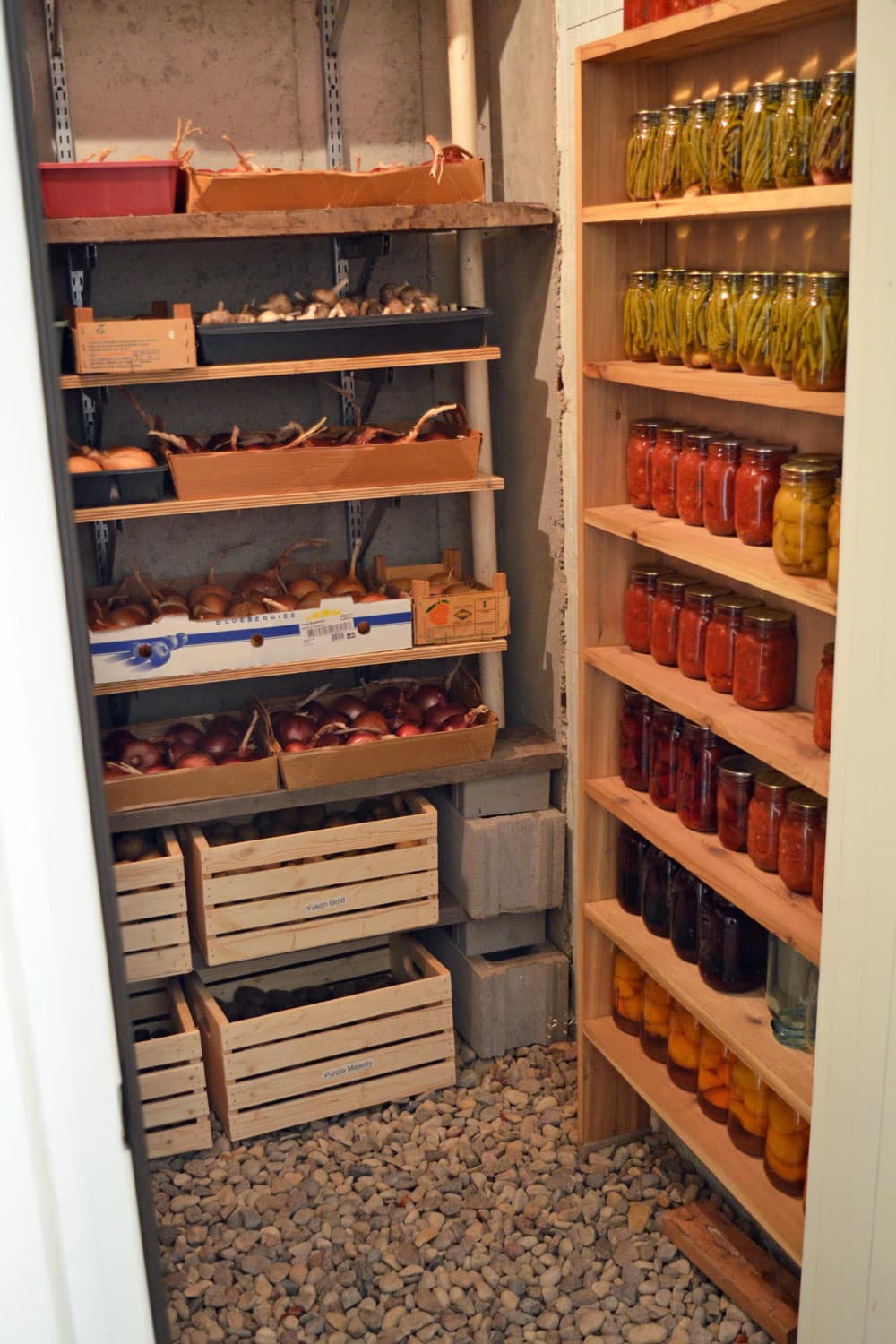
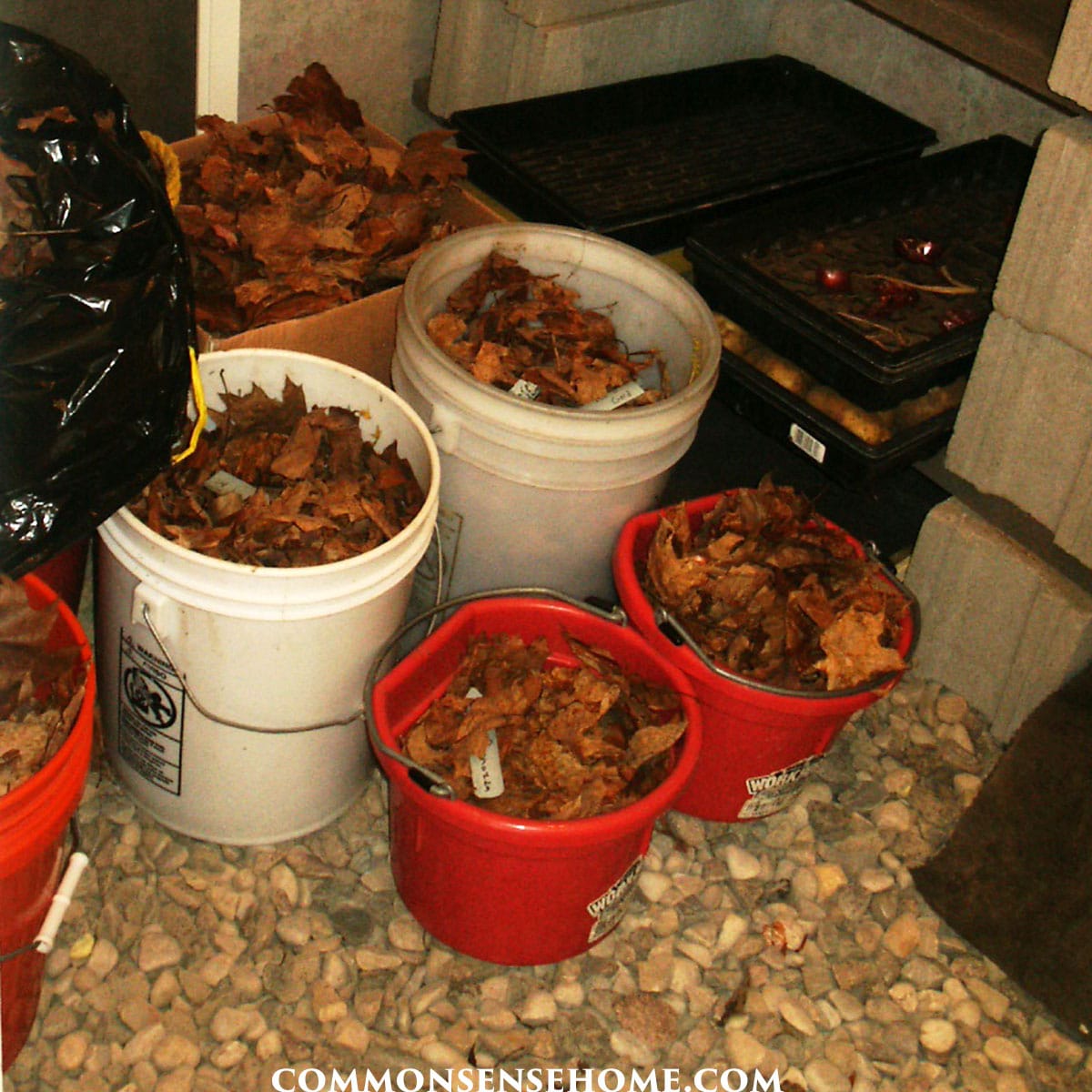
The photos in this article are from our root cellar in northeast Wisconsin. It’s under our front porch and accessible from the basement, but sits outside the heated envelope of the home. We use it to store vegetables, home canned goods, wine, and more.
Free Root Cellar Resource Pack
Planning a root cellar—or looking for ways to improve the one you already have?
Get our free Root Cellar Resource Pack, including:
- PowerPoint slides from my Homesteaders of America presentation, How to Design, Build, and Use a Root Cellar
- Printable Root Cellar Storage Requirements Chart
- Root Cellar Planning Checklist
Keep the resources handy as you plan your space, choose what to store, or troubleshoot an existing root cellar.
Get the Free Root Cellar Resources →
Table of Contents
What is a Root Cellar?
A traditional root cellar is an underground storage space for vegetables and fruits. They sometimes include storage for canned goods or other foods. Root cellars take advantage of cool, moist underground conditions to store food without electricity.
5 “Must Haves” for Building a Root Cellar
There are five major elements that a root cellar requires:
- Ventilation: Some fruits and vegetables give off ethylene gas, which can cause other produce to spoil. Also, a tightly sealed cellar increases mold risk. Make sure fresh air can get in, stale air can get out, and air can circulate around the produce.
- Earth-shelter: Soil insulates and maintains a cooler temperature. A packed earth floor or gravel floor is better than concrete for keeping moisture (humidity) levels higher. Avoid tree roots.
- Humidity: A high humidity level of 80-95% keeps produce from drying out. This may cause canning jar lids to rust, so be sure to check lids and rotate stock if you store canned goods in the root cellar. Build in well-drained soil, and avoid flood prone areas.
- Darkness: Light can trigger sprouting, so if you have a window in your root cellar, keep it covered, and don’t leave the lights on.
- Shelving/Storage bins: Wood shelving and bins are naturally antibacterial. Wood also conducts heat more slowly than metal, and doesn’t rust. Avoid treated wood, and stick to those that are naturally rot resistant.
How much does it cost to build a root cellar?
Root cellar costs vary tremendously depending on what you already have and how much work you do yourself. A simple basement conversion or DIY underground storage area might cost around $500. A larger purpose-built cellar can easily cost $2,500 to $5,000 or more.
If you’re trying to keep costs down, start by looking at the space you already have. Converting a suitable basement corner is generally less expensive than excavating and building a separate structure. Doing some or all of the labor yourself also reduces costs.
For new construction and retrofits, you may be able to design the space to serve more than one purpose. A reinforced root cellar may also function as a storm shelter or safe room. See our Safe Rooms Checklist for more information.
10 Tips for Root Cellar Fruit and Vegetable Storage
Key storage tips to remember:
- Choose varieties bred for storage. Late-maturing varieties often store better than early varieties. Healthy produce from healthy plants generally keeps longer, too.
- Store only sound produce. Set aside damaged or bruised vegetables for immediate use or other preservation methods. Check stored food regularly and remove anything that’s starting to spoil.
- Cure crops that need curing. Potatoes, sweet potatoes, onions, garlic, and winter squash all benefit from proper curing before long-term storage.
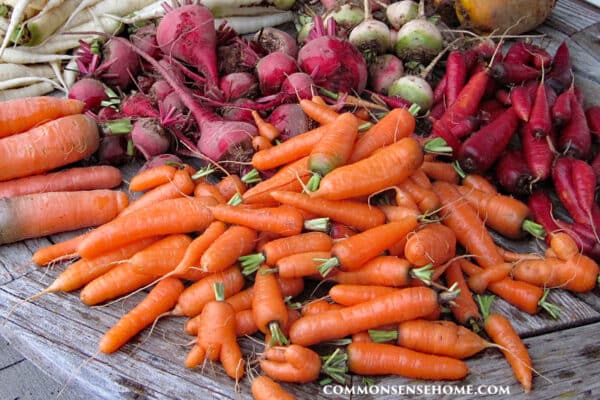
- Don’t scrub root vegetables clean. Brush or wipe off excess dirt. We pack many of our root vegetables in lightly dampened leaves. Fresh straw, sand, or sawdust may also be used, although sand and sawdust can be messier.
- If you wash produce, dry it well. Excess surface moisture encourages rot. Crops that require curing should still be properly cured before storage.
- Work with the conditions you have. Perfect conditions aren’t always possible. Use the microclimates within your storage area. Cooler air settles, so carrots may do better lower down while winter squash prefers a warmer location higher up.
- Separate ethylene producers from sensitive crops. Apples and pears release ethylene gas as they ripen. Good ventilation helps, but physical separation is even better when possible.
- Separate strong-smelling produce. Cabbage, turnips, and similar vegetables may transfer odors to other foods. Keep them away from produce that readily absorbs odors—and preferably somewhere the aroma won’t drift into your house.
- Don’t let produce freeze. Once most vegetables and fruit freeze and thaw, cell damage leaves them soft and prone to rot.
- Monitor your conditions. A thermometer and hygrometer take the guesswork out of root cellar management. Keep the door closed as much as practical so you don’t lose your cool, moist storage conditions.
Root Cellar Fruit and Vegetable Storage Chart
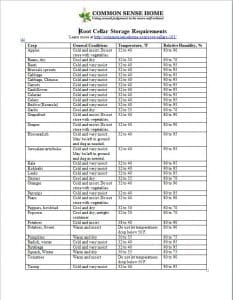
Different crops prefer different storage conditions. Our printable Root Cellar Storage Requirements Chart gives recommended temperature and humidity ranges for a variety of vegetables and fruit.
Click HERE or on image below to download Printable PDF version of Root Cellar Storage Requirements.
For crop-specific storage tips, see:
- How to Store Potatoes Long Term
- Storing Onions so They Last
- How to Store Garlic
- When to Harvest Pumpkins (and the Best Ways to Store Them)
A root cellar is only one piece of a good food storage system. Some foods are best kept cool and moist, while others are better canned, frozen, dehydrated, fermented, or stored dry.
See Home Food Preservation – 11 Ways to Preserve Food at Home for more options.
Types of Root Cellars and Natural Cold Storage
Natural cold storage options include (click on any item in the list to jump to more information below):
- Basement or Under Porch Root Cellar – accessible from inside the home
- Traditional Root Cellar – buried below ground, accessible from outside
- Earth Berm – at ground level or partially above ground
- Above Ground Root Cellar – bermed, spring cooled or other above ground root cellars
- Barrel in the ground
Before you start digging, check your water table and soil depth. An underground root cellar is a poor choice if you’re likely to end up with an underground swimming pool.
Root Cellar in Warm Climates
Root cellars don’t work as well in warmer climates, because the soil temperature isn’t as cool.
That doesn’t mean natural or low-energy food storage is impossible. Southern gardeners also have the advantage of a longer growing season, which can reduce the need to store an entire winter’s supply at once.
See Above Ground Root Cellars & Other No-Dig Food Storage for more ideas. The article “Build Your Own Walk In Cooler with a CoolBot Controller and A/C Unit” shares how to build low cost cold storage.
Retrofitting a Root Cellar in an Existing Home
One of the easiest ways to build a root cellar is to section off part of an existing basement.
Old unheated basements with dirt floors are particularly well suited to food storage because they tend to stay cool and naturally maintain higher humidity.
If possible, choose a north-facing corner with a window. The window makes it easier to add ventilation. Replace or cover the window with exterior-grade plywood and run the vent pipes through the plywood. This also blocks unwanted light.
With a north-facing corner, you may have two exterior walls exposed to cool soil. Insulate the interior walls and ceiling to separate the root cellar from the heated part of the house.
The root cellar itself should not have standard heating or cooling. Insulate heating ducts, hot water pipes, or other heat sources that run through or near the space.
Add a Root Cellar to a New Home
If you’re building a home, look for spaces that can do double duty. Many houses have a small concrete exterior porch with foundation walls and dirt backfill underneath. Since the foundation is already there, that space may be converted into a root cellar instead of simply being filled.
That’s what we did with ours.
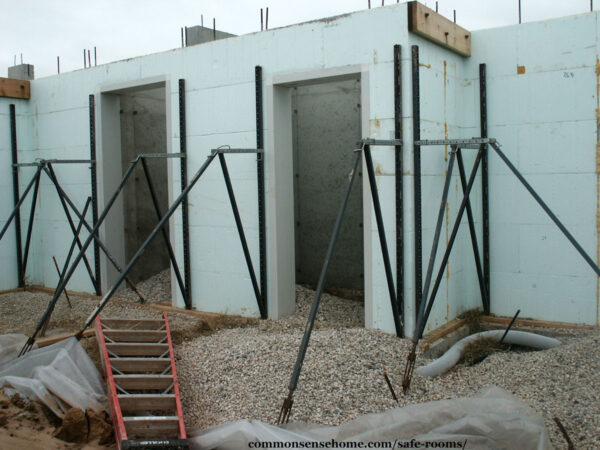
Our root cellar is under the front porch. During construction, we used full foundation walls, an insulated exterior-grade access door from the basement, and two four-inch vent openings.
The walls adjoining the heated basement are insulated. The exterior walls in contact with soil are not, because we want heat exchange with the surrounding earth.
Our cellar is roughly 6 by 8 feet. That’s enough space for a good supply of root vegetables, winter squash, canned goods, and other storage items without taking up a huge amount of the house.
Building a Root Cellar Outside the Home
The same basic rules apply to a freestanding cellar: keep it cool, dark, ventilated, and earth sheltered. A north-facing entrance is ideal because it reduces solar gain.
For a traditional underground or bermed cellar, aim for at least one to two feet of soil cover where practical. More earth generally means more stable temperatures.
Some people use new precast septic tanks, concrete culverts, or purpose-built root cellar kits.
Whatever you choose, make sure the structure is engineered to withstand the pressure of wet soil.
Don’t simply bury a shipping container. Shipping containers are designed to carry loads at their corners, not to withstand tons of soil pushing against their sides and roof.
Traditional Root Cellar
This is what most of us think of when we hear the phrase “root cellar”. There are insulated doors that lead down into the earth. These cellars go down or into the side of a hill.
Walls are concrete, cinder block, or more creative materials like old tires. You need to make sure the roof and walls are well supported to avoid collapse. Engage an architect or engineer to ensure your safety.
Earth Berm Root Cellar
Above ground root cellars are usually partly sunken with earth mounded on 3 sides and the door avoiding the direct sun. See the Above Ground Root Cellars post for more information.
Barrel in the ground for (Zones 6-9)
This is a winter storage option. The size and depth depends on the zone you live in. (For more information on zones see: Plant Hardiness Zones & Microclimate.)
Take a large container, with holes drilled in the bottom and top. Bury it level with the soil with a bale of hay as an insulating cover. This will work into zone 7 and possibly into zone 6 depending on cover and conditions.
Barrel in the ground for (Zones 3-6)
Buy one 55gal large heavy duty garbage can, and a 32gal smaller garbage can that fits inside the larger one. Both the larger garbage can and the smaller one need holes in the bottom.
The inside can needs a cover with vents / screen. Cover exterior holes with screens to keep rodents out. It also needs significant insulation above it (over it). Bales of hay, or piles of leaves can insulate it.
Prepare a hole that is deeper than the large garbage can, with rocks and gravel in the bottom to create a simple French drain. Another trick is to dig a very deep, large hole next to the garbage can hole and fill that hole with rocks. The deeper hole acts as a drain for your shallower garbage can root cellar.
Once you have the large garbage can in the ground and secure, lower the smaller one into the larger barrel. Store food in the small barrel.
When you need access, grab from the top or pull out the smaller barrel. This makes it easier to reach food the bottom. There are many variations on this type of in ground storage.
How to Get Better Results from your Root Cellar
Once you have a storage space, a little monitoring and adjustment can make a big difference. A root cellar isn’t a refrigerator with a thermostat. Conditions change with the seasons, weather, location, and what you put inside. Learn how your cellar behaves and work with it.
Root Cellar Temperature
Ideally, many root cellar crops prefer temperatures not far above freezing. Around 40°F (4.4°C) is a useful general target, although individual crops have different requirements.
The temperature of the soil several feet below ground is much more stable than the air temperature, but it varies with latitude, soil type, moisture, groundwater, and season.
In extreme cold, parts of a root cellar can freeze—especially near the exterior door and vent pipes.
If we’re expecting a short spell of severe subzero weather, we move vulnerable food away from the vents. In extreme conditions, you may need to temporarily reduce airflow through the vents. Don’t leave them closed permanently. Ventilation is important.

This soil temp database will likely be more accurate. Your root cellar is likely to be slightly warmer than either estimate, on average. Winter will be cooler than summer, which is what makes them useful for storage crops.
Root Cellar Ventilation
Poor ventilation is one of the most common root cellar design mistakes. People naturally think, “I want to keep the cold in,” so they build an airtight storage space. Unfortunately, that can trap ethylene gas and excess moisture along with the cold.
For passive ventilation, use two vent pipes, about 3-4 inches in diameter. Place the exhaust vent high, near the ceiling, where warmer stale air and ethylene gas can escape. Bring the intake vent down near the floor, where it introduces cooler fresh air.
Ideally, put the vents on opposite sides of the room to improve air circulation. Ours are next to each other due to building constraints, and they still work reasonably well. Real houses don’t always cooperate with textbook diagrams.
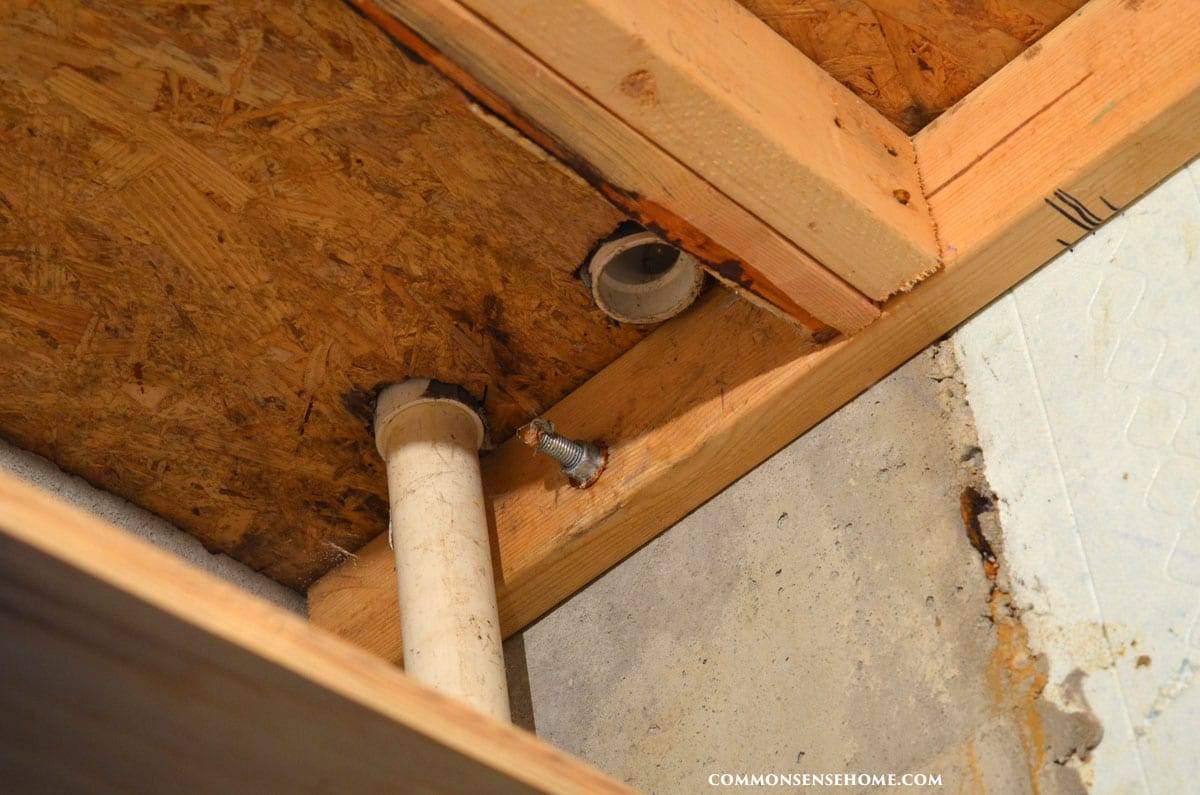
For our roughly 6-by-8-foot cellar, we use four-inch PVC vent pipes.
Larger storage areas may require larger vents or additional ventilation. Screen exterior openings to keep out mice and other small animals, and design the vent caps so rain, snow, and debris can’t fall into the cellar.
Preventing Ethylene Gas Problems
Apples, pears, and some other fruits release ethylene gas as they ripen. Ethylene can shorten the storage life of sensitive vegetables and contribute to sprouting, yellowing, bitterness, softening, and other quality problems.
When possible, separate heavy ethylene producers from sensitive crops. Because our root cellar is fairly small, we generally store fruit in our insulated garage or on the enclosed front porch instead of packing everything together.
This same principle applies to the produce drawers in your refrigerator.
Root Cellar Lighting
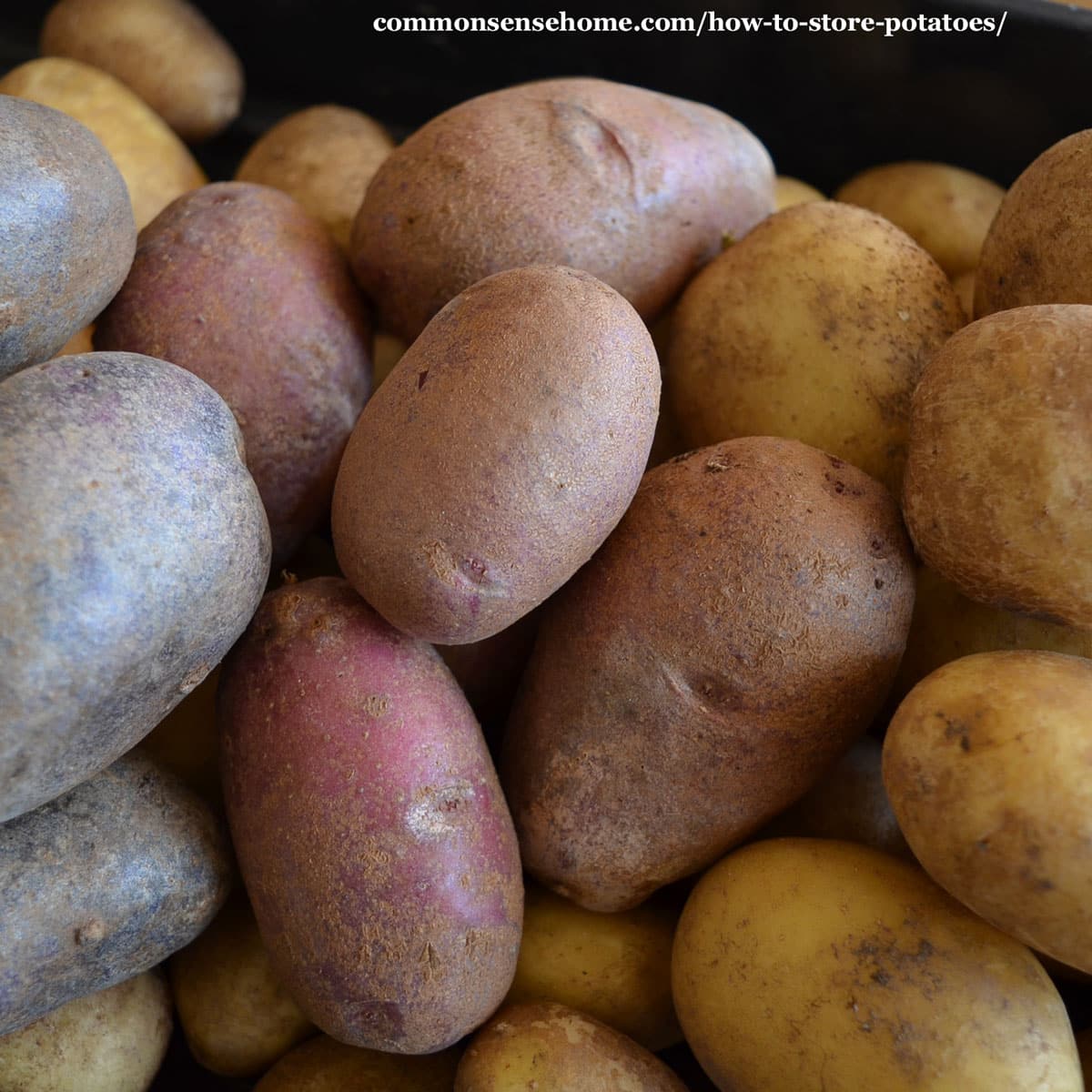
Food storage likes the dark. Light encourages sprouting and causes potatoes to produce chlorophyll and potentially higher concentrations of glycoalkaloids. It can also degrade the color and quality of canned and dried foods.
If you’re venting through a window, cover the unused portion of the window. It’s fine to install a light so you can inspect your food safely—just turn it off when you leave. We sometimes use burlap or newspaper over bins to block light while still allowing air circulation.
Monitoring Humidity and Temperature
A simple thermometer and hygrometer tell you whether the cellar is actually performing the way you think it is. Most root crops prefer high humidity, often around 80 to 95 percent. A dirt or gravel floor naturally helps maintain moisture levels.
Electronic temperature and humidity monitors are also available if you want to track conditions over time. I keep a simple Digital Indoor Thermometer in ours.
Electronic monitoring is an option if you want more precise records. The Govee Thermometer & Hygrometer has a simple display and can sync via Bluetooth.
Keep Things Moist But Not Wet
If stored vegetables start to shrivel, your root cellar may be too dry. A dirt or gravel floor often provides enough natural moisture. In dry conditions, lightly misting the storage area or using a shallow container of water may help increase humidity.
But more isn’t always better. Standing water, dripping condensation, or constantly wet produce encourages mold and bacterial growth. The goal is humid air, not wet food.
Ideal Root Cellar Shelving
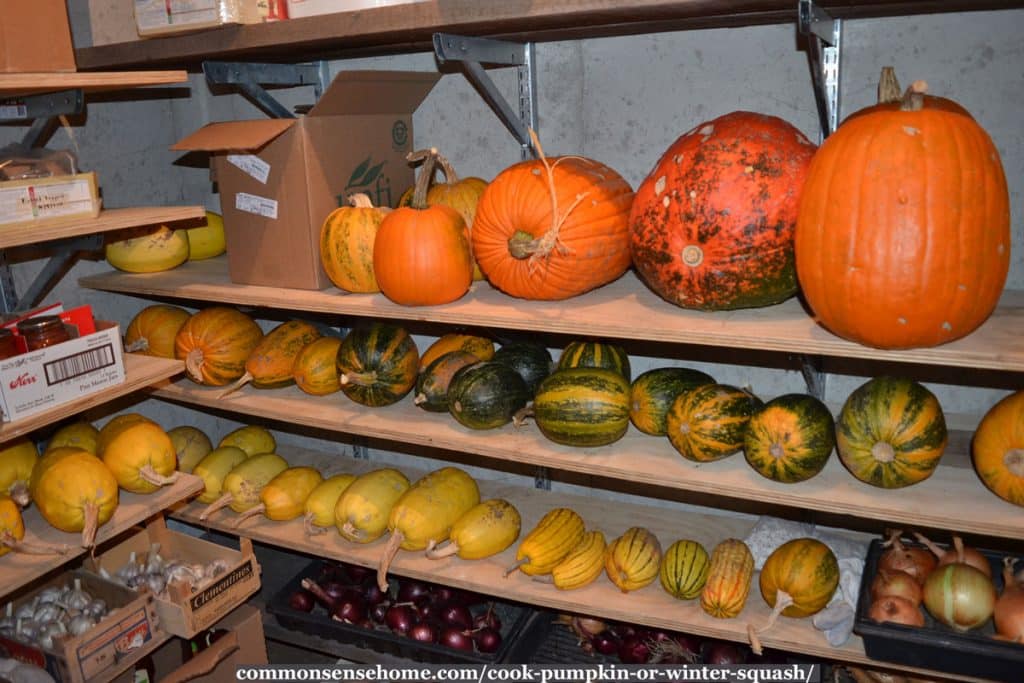
Shelving should maximize your storage area without blocking airflow. Leave a gap between shelves or bins and the walls. Don’t pack produce so tightly that air can’t circulate.
Remember that cooler air settles. Crops that prefer colder conditions can go lower, while foods that tolerate slightly warmer conditions can go higher. We store carrots and beets in buckets or bins packed with leaves. Our gravel floor helps maintain humidity.
Recommended Root Cellar Books
The classic root cellar guide is the book Root Cellaring: Natural Cold Storage of Fruits & Vegetables by Mike and Nancy Bubel.
The book contains detailed explanations of no electricity vegetable and fruits storage with specific temperature and humidity recommendations for each variety. There are also good photos and diagrams, which I really like.
The Complete Root Cellar Book is more recently published, and also received good reviews. Recipes from the Root Cellar helps you use your storage crops in the kitchen.



Make Your Food Storage Work for You
A root cellar doesn’t have to be perfect to be useful.
Our own cellar has taught us that the best storage system is one that works with your climate, your home, and the foods your family actually eats. We use the root cellar where it makes sense, the garage or porch for some crops, and canning, freezing, dehydrating, and other preservation methods for others.
The goal isn’t to recreate the way food was stored 150 years ago. It’s to use simple, reliable methods to make the most of the food you grow or buy—and build a little more resilience into everyday life.
For more practical food storage help, see:
- Long Shelf Life Foods – What Lasts Best (with Chart)
- Preparedness Storage – Finding Room and Keeping it Safe and Sound
- Home Food Preservation – 11 Ways to Preserve Food at Home
And if you’re still in the planning stage, don’t forget to grab the Root Cellar Resources above.

This article is written by Laurie Neverman. Laurie and her family have 35 acres in northeast Wisconsin where they grow a food forest and annual gardens. Along with her passion for growing nutrient dense food, she also enjoys ancient history, adorable ducks, and lifelong learning.
Originally posted in 2010, last updated in 2026.
Thank you for the great article and useful links. Any concerns about rodents with the hole in the ground methods?
You’re welcome. Mice are always a concern. If you don’t pack the produce into containers that are mouse proof within the hole, odds are that they will find it. They love a free meal and a snuggly spot to hide.
I am semi retired and my wife and I have only ourselves to provide for so I made a small root cellar when we first moved here 7 or 8 years ago. It probably resembles a grave (sorry) but its very efficient and practical. 8ft by 3 by about 4 ft deep. We live in Ontario Can about 20 miles north of Minnesota. I store carrots, potatoes and parsnip and thats about it. I layer the carrots and parsnips in sand usually in rubber maid totes, potatoes i just leave in a bin. Then I cover the whole works with bags of shavings. When the snow comes I pile it up on the lid, which means I need to dig it out when we need veggies. But it’s well worth it. The produce tastes like it just came from the garden, even in March.
No problems with the Rubbermaid totes not breathing enough? I suspect we had issues with them because our storage was too warm, a problem you shouldn’t have at your location.
Thanks for sharing your setup, and I’m glad it works well for you.
So there are different weights of burlap; so If I want to cover my potatoes or squash with burlap, what is the ideal weight?
Weight isn’t critical. With the potatoes, you want to block the light to inhibit sprouting, but not cut off air flow. I’ve used a couple of sheets of newspaper, too. I don’t usually cover my squash.
Somewhere is this article I saw something about curing your vegetables and which ones they were. Now I can’t find it . Lawd me ! Also what is curing vegies and how do you do it? Thank you.
It was mentioned in the tips for storage. Curing is a drying process to toughen the skin of the produce so it lasts longer in storage. Right now we have three articles that discuss curing. They are:
When to Harvest Pumpkins (and the Best Ways to Store Them)
How to Store Onions So They Last
How to Grow Garlic – From Planting to Harvest
I was wondering if a person could use or modify a hot tub for storage.
It would be a little tricky, but maybe? I don’t know how it would hold up to burying, since they are made to withstand water pressure from inside, not dirt pressure from outside. You’d need to plan for ventilation and access, just like any other cold storage.
Would you think it ok to dig a root cellar under my shop? The shop is 32′ X 18′ with a concrete floor. I’m only looking for about 6’x8′ of space. I live in zone 7, Tennessee.
Hi David. This map from the Library of Congress indicates soil temeperature4s at a depth of 20 inches between 61F and 49F. with most of the state tending towards the high end of that range. Deeper should be cooler, but I’m not sure how cool you can get. You may want to check with your local cooperative extension office, or a land and soil conservation office, as they may be able to offer more insight before you start digging.
I was going to use a old broken chest freezer with Styrofoam coolers in it And in a unheated garage to store vegetables. Any ideas on how it would work and what vegetable limitations it would have?
It depends. You make no mention of where you are, what the temperature range is in the garage, or whether or not you have ventilation to the coolers and/or freezer.
I’d say start experimenting and see how it works. Get a thermometer for in the garage and one or more for inside your freezer so you have some data to work with. You might want to snag one that does relative humidity, too.
Make sure there is airflow into and out of the freezer and coolers. Watch out for temperature extremes in either direction, and build up of ethylene gas.
This is an amazing article. It helped me a lot renovating my basement root cellar. Thank you. Greetings from Lithuania 😉
I’m glad it was helpful, and hello from Wisconsin.
How do you store things like garlic and onions that prefer humidity of 60-70% in the same cellar as the rest that want a higher humidity of 90-95%?
I keep the moisture loving veggies closer to the ground (earthen floor) and the ones that want it drier about waist height. Some people segment their storage, but we don’t have that much room. Our potatoes would like it a little cooler and damper, but we work with what we have. The preferred temperature and humidity levels are starting points, but the produce will keep outside those ranges. Maybe not as well, but it still works.
We’ve recently built an outdoor root cellar partially in the ground. As I’m just moving my canned goods in, I’m noticing droplets of water on the ceiling. We have a dual chamber, but the hygrometers that we got are not accurate. Is this normal moisture in a root cellar? Your help is greatly appreciated!
It sounds like you may need to work on air circulation, especially if you want to store your canned goods in there. With water droplets coming off the ceiling, those will rust.
Many foods need higher moisture conditions to keep well, but you have to balance that with enough air movement to avoid excess condensation. Too much condensation leads to rot.
I want to know if you can build a root cellar in northwest Florida (Zone 8b). Our property has a slight hill on it and we could dig into that, but I’m not sure if the cellar would be cool enough. A cool room in the basement is not an option as I am looking for ways of keeping resources cool without the need for power. Any advice?
I checked a soil temperature map for north Florida, and I’m seeing temps in the 80-90F range near the surface. I don’t know how deep you need to go to get cooler temps, but if you do a search on “soil temperature (you location)”, you should be able to get better data and possibly data for different depths.
My suspicion would be that you can’t easily get deep enough to get cool enough, but I’m not 100% certain.
My friend, Paula, shared her experience keeping local produce on the table year round here – https://commonsensehome.com/above-ground-root-cellars/2/
I tried building a root cellar a dug a hole which filled with water after a few days.My whole property is flat and would have that problem no matter where I dug.I also have very untusting nosy neighbors so above ground won’t work either. I really would like a solution for the underground problem but until I can find it it will be a lot of work for nothing. And the trash can won’t work because it will either fill up or just pop out of the ground.
If you can’t build below ground and you can’t build above ground, I don’t see how you could build a standard root cellar.
You may want to look into turning some space within the house or garage into a walk in cooler – https://commonsensehome.com/build-walk-in-cooler/
Or finding other cool storage areas within the existing footprint of your home – https://commonsensehome.com/above-ground-root-cellars/
Hi Laurie, I love what you’re doing, your informative material is helpful and practice. I signed up for your newsletter but am not too savvy on computers and didn’t realize i was basically signing a subscription which at this time I really and truly can’t afford. I can’t seem to find the unsubscribe option anywhere….help! I really like your blog it reminds me of mother earth news with so much great information, but I’m gonna have to pass as I can’t afford the subscription at present. Thankyou
William – good news – the only one who pays for your email subscription is me. I have to pay to maintain the email service, but it’s completely free for subscribers. I do sometimes send out emails that have products for sale in them, but purchase is always optional.
If you still want to unsubscribe, I can do it for you, or you can use the link at the bottom of every email. Just let me know what you decide.
Wondered if you had any thoughts on building a root cellar with access from floor of a shed building? I want to make it accessible from my craft/wood shop that I’ll build but we also live in the PNW where it is wet and we seem to live in a dry area as far as water table goes but we haven’t lived here through the rainy winter. Snow is occasional. I do like the ICF ideas and have done a bit of research with waterproofing those. Our property is flat so I don’t have inclines/hills to work into. Thanks for your thoughts.
ICF would be counterproductive for a root cellar, since you want to tap into the ground temperature, not isolate the storage from it.
Any chance you could find someone local who has a root cellar and see if they have any moisture issues? With black dimpled membrane on the outside of the cellar and somewhere for the water to go, it should be okay, but I’d definitely talk it over with a couple of experienced local contractors, given the location. If they are familiar with basement work, a root cellar should be similar.