
Abundance Gardening – Crops That Keep Feeding You

This post may contain affiliate links. Read my full disclosure here.
Abundance gardening is all about getting more food, more harvests, and more value from the garden space you already have. Instead of focusing only on garden size, abundance gardening centers on productivity.
Which crops keep producing? Which plants give the biggest return for the effort? How can one garden bed provide food for weeks or months instead of a single harvest? If there is a single harvest, how large is it, and does it store well?
This type of gardening fits naturally with resilient living. It helps stretch your grocery budget, makes better use of limited space, and creates a garden that feels generous instead of scarce.
Even a modest backyard garden can provide an impressive amount of food when you combine healthy soil and the right crop choices and care.
Would you like to save this?
Table of Contents
What Is Abundance Gardening?
Abundance gardening is the practice of growing crops that provide ongoing harvests, repeated yields, or high production over an extended season.
Instead of focusing only on how many plants fit in a space, abundance gardening asks:
- Which crops keep producing?
- Which plants give the greatest return for the effort?
- How can one garden bed feed us for months instead of days?
It’s less about squeezing plants together and more about building a garden system that stays productive.
That might include:
- Vertical growing
- Succession planting
- Cut-and-come-again harvesting
- Choosing long-producing varieties
- Improving soil health
- Mixing annuals and perennials
- Harvesting frequently to encourage new growth
Over time, these small choices add up to a garden that feels remarkably productive without necessarily getting larger.
Crops That Keep Feeding You
Some vegetables seem almost determined to provide more food as long as you keep picking. Pick a little today, and the plant often responds by flowering and producing even more.
Pole Beans
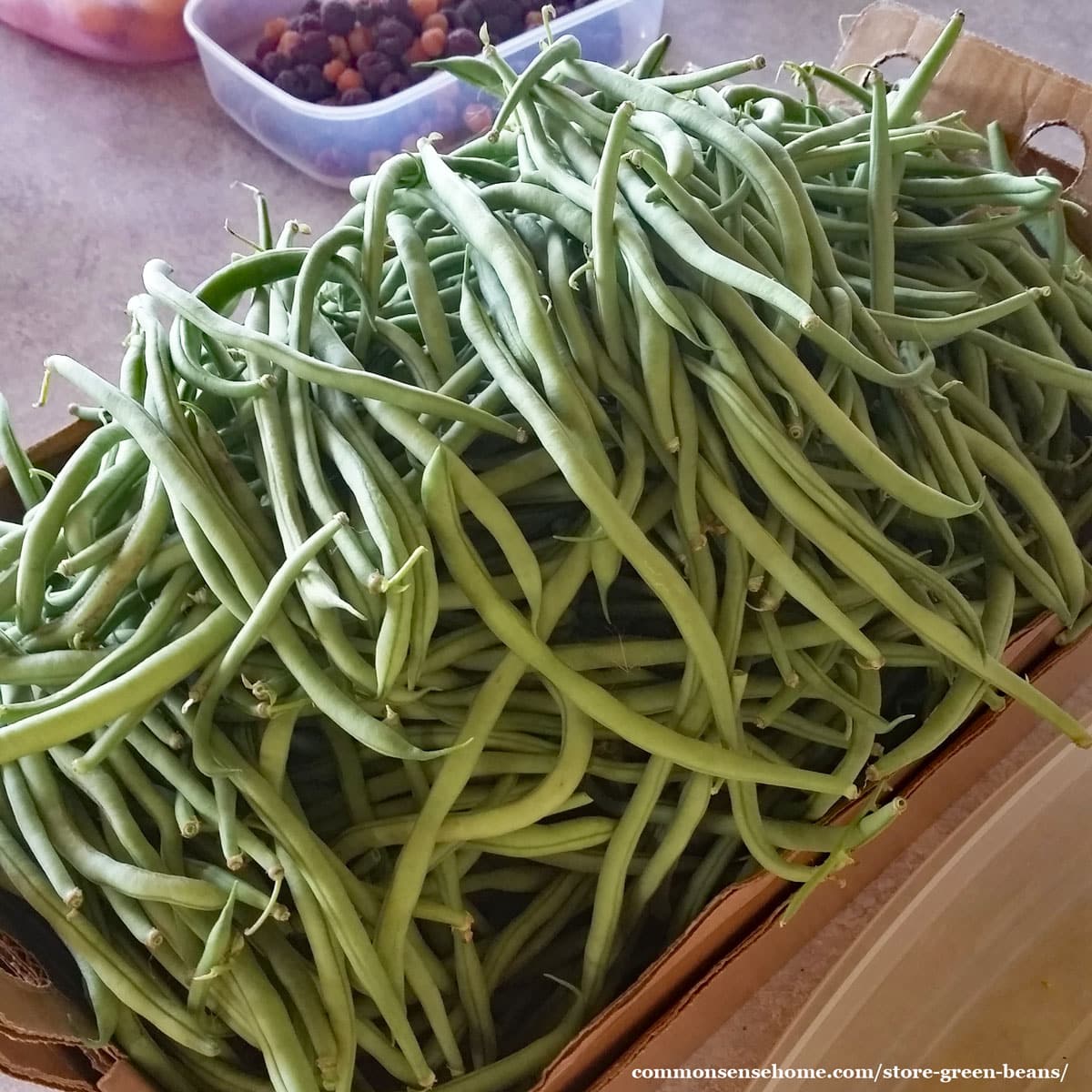
Pole beans are one of the best abundance crops for small gardens. Once they start producing, they often continue for weeks or even months.
The more frequently you harvest, the more beans the plants typically produce. A sturdy trellis lets you grow upward instead of outward, dramatically increasing production in a small footprint.
Bush beans can also be productive, but pole beans usually provide a longer harvest season. We usually grow pole beans for ongoing harvests, and bush beans for those that are harvested once as dry beans.
Tomatoes
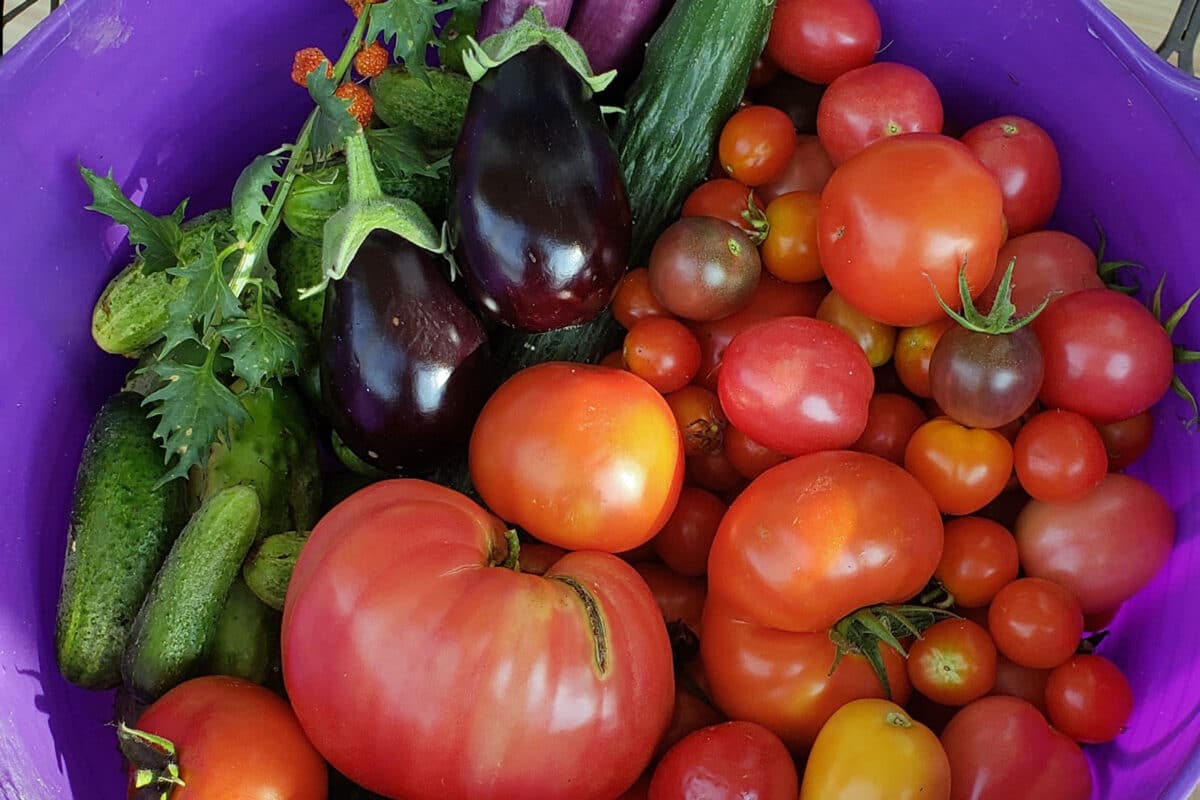
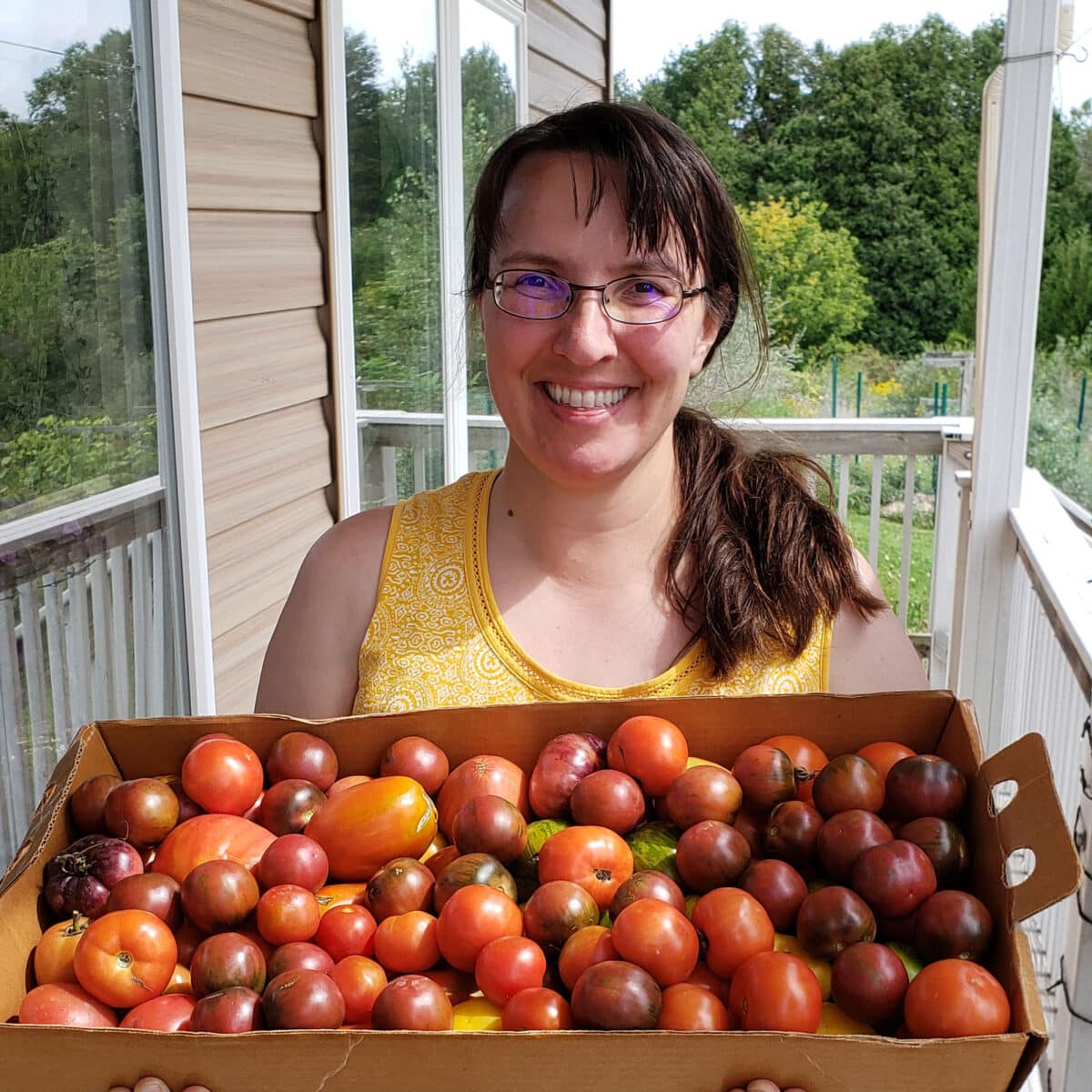
Tomatoes are classic abundance garden plants. A single healthy indeterminate tomato plant can provide pounds and pounds of fruit over the course of a season.
Cherry tomatoes are especially prolific. Sometimes it feels like you can barely keep up with them. Proper pruning, trellising, mulching, and consistent harvesting all help increase production.
Zucchini and Summer Squash
Gardeners joke about sneaking zucchini onto neighbors’ porches for good reason. A healthy squash plant can produce heavily for weeks. The key is harvesting regularly while fruits are still relatively small and tender. Oversized squash slow the plant down because it shifts energy into seed production.
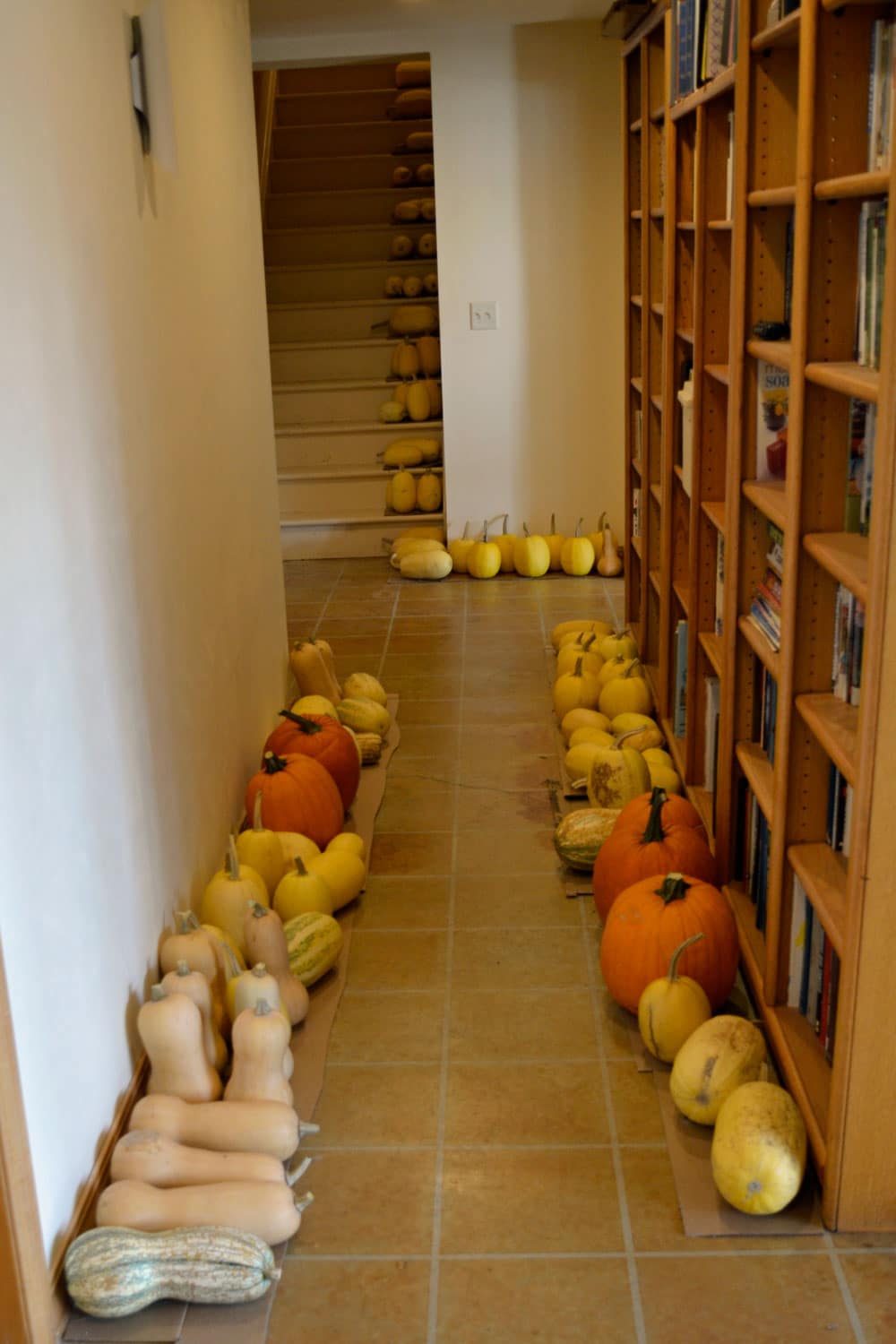
That said, as the end of the season approaches, I let the fruit mature more fully. Now that our soil health is very good, I can harvest zucchini in September and keep them for months. No processing required, they just sit on a shelf at room temp until I need them.
I currently (at the time of this writing) have a zucchini on my kitchen counter that is eight months old. There are no signs of spoilage, but I know the seeds will be sprouting inside and the flesh is getting dryer. Sometime in the next few weeks I’ll feed the seeds to the chickens and make a batch of zucchini casserole with the rest.
Cucumbers
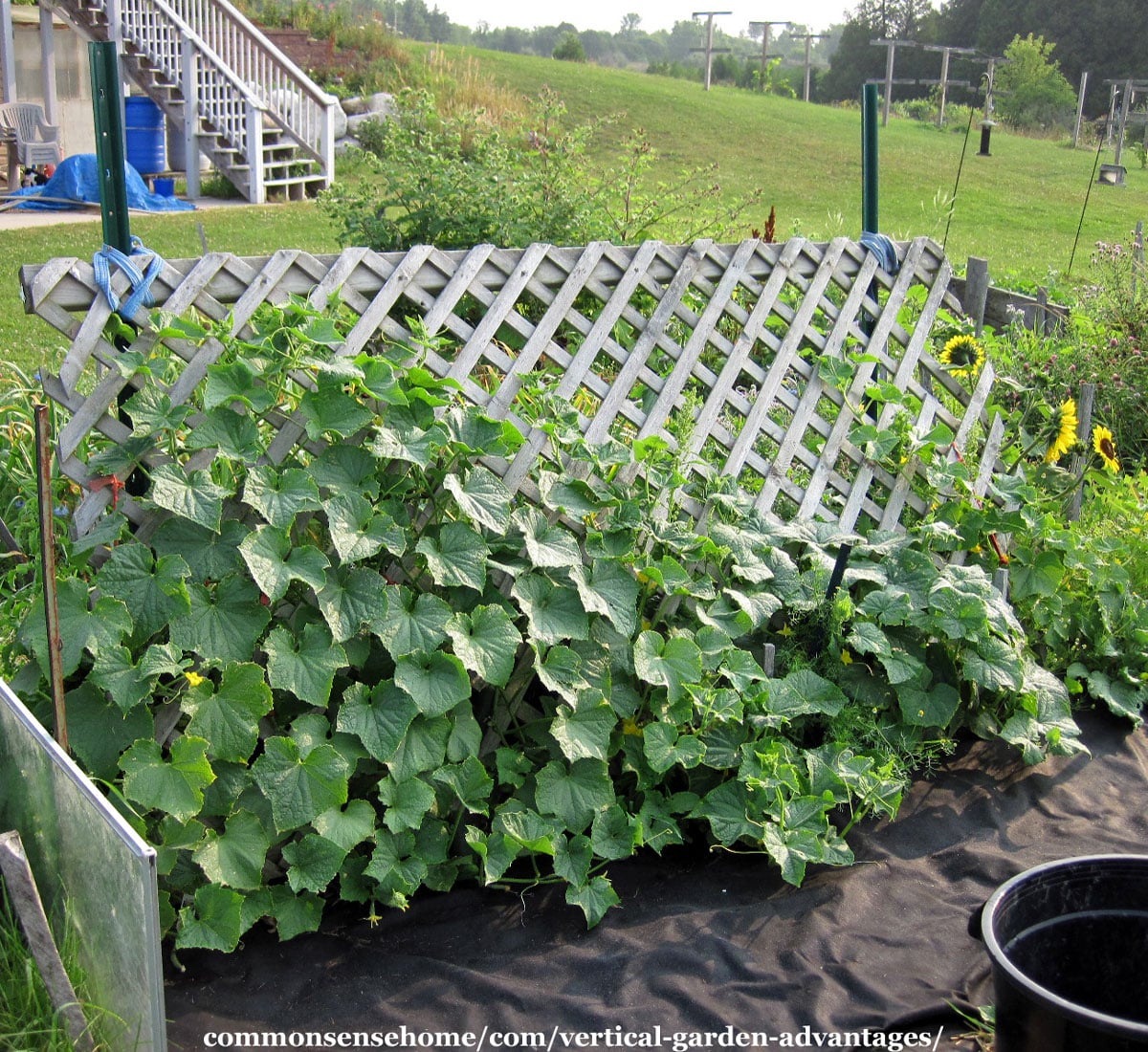
Cucumbers are another crop that rewards frequent harvesting. Pick often, and the vines keep flowering and setting more fruit. Trellising cucumbers vertically also improves airflow, saves space, and makes harvesting easier.
Peas
Peas may not produce through the heat of summer, but during cool weather they can provide generous harvests. Snow peas and snap peas are especially productive because you eat the pod along with the peas inside.
Peppers
Pepper plants often produce steadily from midsummer until frost. Like tomatoes, harvesting ripe fruits encourages the plant to continue flowering and setting more peppers. Hot peppers can be particularly abundant producers. The variety Hungarian Hot Wax goes crazy in our garden.
Cut-and-Come-Again Vegetables
Some crops are practically designed for abundance gardening because you don’t harvest the whole plant at once. Instead, you harvest outer leaves while the center keeps growing.
Excellent Cut-and-Come-Again Crops
- Leaf lettuce
- Kale
- Swiss chard
- Spinach
- Arugula
- Strawberry spinach
- Mustard greens
- Parsley
- Cilantro
- Green onions
A small patch of greens harvested consistently can provide salads and cooking greens for weeks. Greens also work well in tower planters. This is one of the easiest ways to make a garden feel abundant without requiring much space.
Perennial Crops Build Long-Term Abundance
Annual vegetables are important, but perennial food plants help create lasting productivity. Once established, they return year after year with less work.
Reliable Perennial Producers
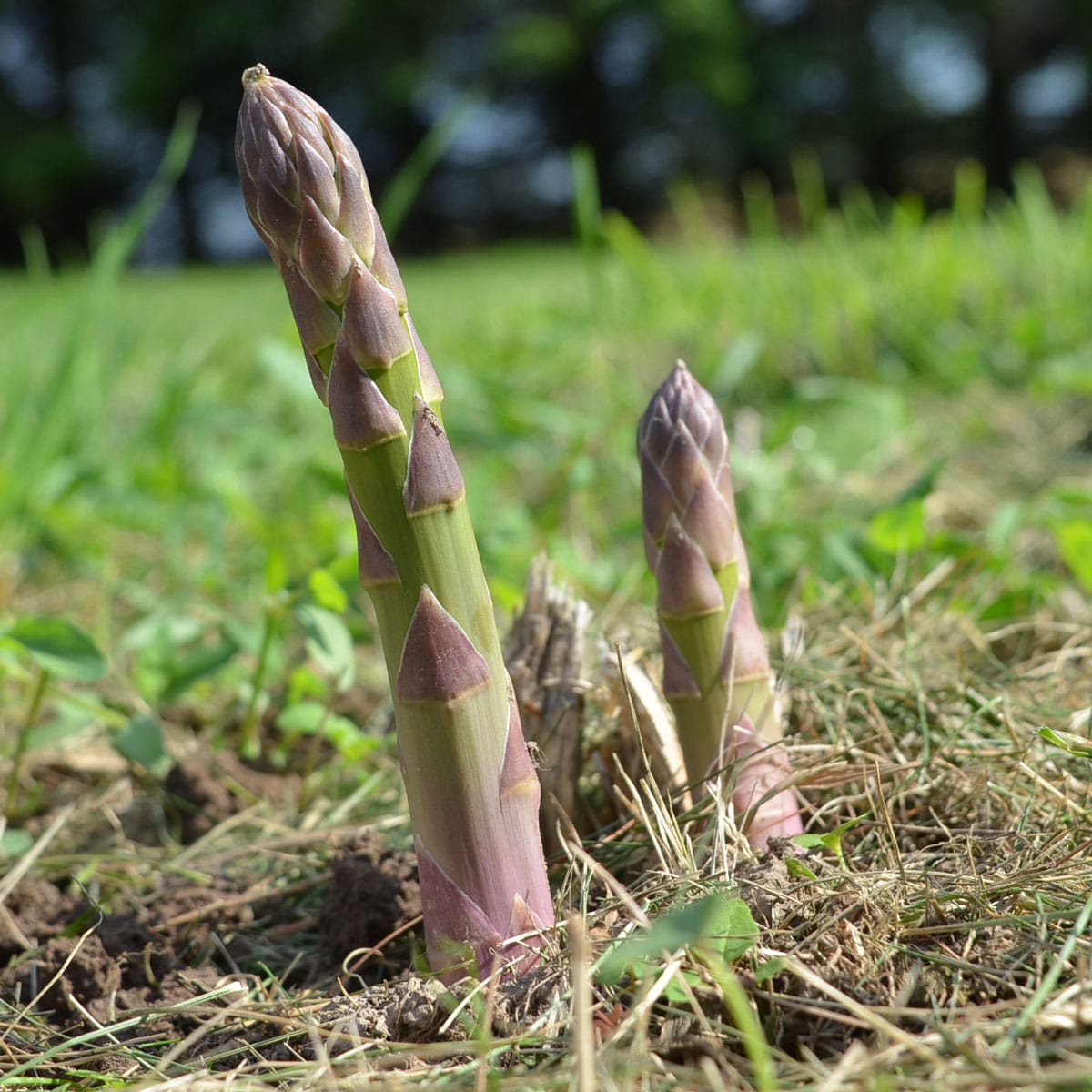
Perennials often produce during times when annual gardens are just getting started, helping stretch the harvest season naturally. There’s nothing quite like that first crisp stalk of asparagus, munched right out in the garden.
High-Calorie Crops Matter, Too
Abundance isn’t only about constant picking. Some crops are “one and done”. You plant them, harvest once, and the space is finished for the season. We include some of them, too – especially those that store well.
Some crops provide a tremendous amount of food energy from a relatively small area. They are especially valuable for resilience gardening and practical food production.
High-Yield Staple Crops
- Potatoes
- Sweet potatoes
- Dry beans
- Winter squash
- Dent corn
- Jerusalem artichokes
While these aren’t “pick every day” crops – they store well and provide substantial calories for long-term food security. A truly abundant garden usually combines both fresh continuous harvests and storage crops.
Simple Strategies That Increase Garden Abundance
Often the biggest gains come from improving efficiency instead of expanding space.
Grow Vertically
Trellises, cages, and supports let you grow upward instead of outward.
Good candidates for vertical growing include:
- Tomatoes
- Pole beans
- Cucumbers
- Peas
- Malabar spinach
- Small melons
Vertical gardening also improves airflow and makes harvesting easier.
Harvest Frequently
As mentioned above, many plants respond to harvesting by producing more flowers and fruit. Regular picking keeps plants in “production mode” instead of “seed-saving mode”.
Build Better Soil
Healthy soil supports healthier, more productive plants. Adding compost, mulching, reducing soil disturbance, and maintaining living roots all help improve long-term productivity. Healthy plants also tend to resist pests and drought stress more effectively.
Check out the “Resilient Gardening System – Fix My Soil Kit” for more information.
Succession Planting
When one crop finishes, another can take its place.
For example:
- Spring spinach → summer beans
- Peas → fall carrots
- Lettuce → bush beans
- Garlic → fall greens
This keeps beds producing instead of sitting empty.
Mix Fast and Slow Crops
Fast-growing crops can fill spaces while slower plants mature. Radishes, lettuce, and spinach are excellent “filler” crops around tomatoes, peppers, cabbage, or broccoli.
Abundance Starts With Attention
An abundant garden isn’t necessarily the biggest garden on the block. A well-tended small garden often produces far more food than a larger garden that’s neglected.
Part of abundance gardening is learning to notice opportunities. Sometimes those opportunities are cultivated crops like pole beans climbing a trellis or cherry tomatoes producing by the bowlful. Sometimes they’re volunteer plants or edible weeds already growing nearby, or adding edible flowers to the mix.
Many traditional “weeds” are surprisingly productive food plants. Lambsquarters, for instance, makes an excellent warm weather substitute for spinach when summer heat causes true spinach to bolt. Purslane, violets, dandelions, and other wild plants can also add to the harvest while requiring little or no care.
Over time, abundance gardening becomes less about fighting nature and more about guiding it.
A few productive crops, healthy soil, regular harvesting, and careful observation can turn even a modest garden into a steady source of fresh food for much of the growing season – and beyond.
This article is written by Laurie Neverman. Laurie and her family have 35 acres in northeast Wisconsin where they grow dozens of varieties of fruiting trees, shrubs, brambles, and vines, along with an extensive annual garden. Along with her passion for growing nutrient dense food, she also enjoys ancient history, adorable ducks, and lifelong learning.
I love your articles! I wish that they were easily printable because some of them I would like to put in a notebook. Have you considered adding a print function for easier formatting. Currently I copy and paste the information that I need but it is time consuming. Just a thought. Beth
Hi Beth. You’d think that would be a simple feature to add, but I just went hunting for print software and the options aren’t great. There are about 5 different plugins (the modular software options that work on the website). A couple haven’t been updated in years, another had reviews saying that it caused critical errors on sites. The most popular option is filled with ads, and the one I ended up picking for now doesn’t let you customize what gets printed, so images are still included. The buttons are there for printing, but I need my son to customize them so they show up correctly.