
How to Get Rid of Dandelions Without Chemicals

This post may contain affiliate links. Read my full disclosure here.

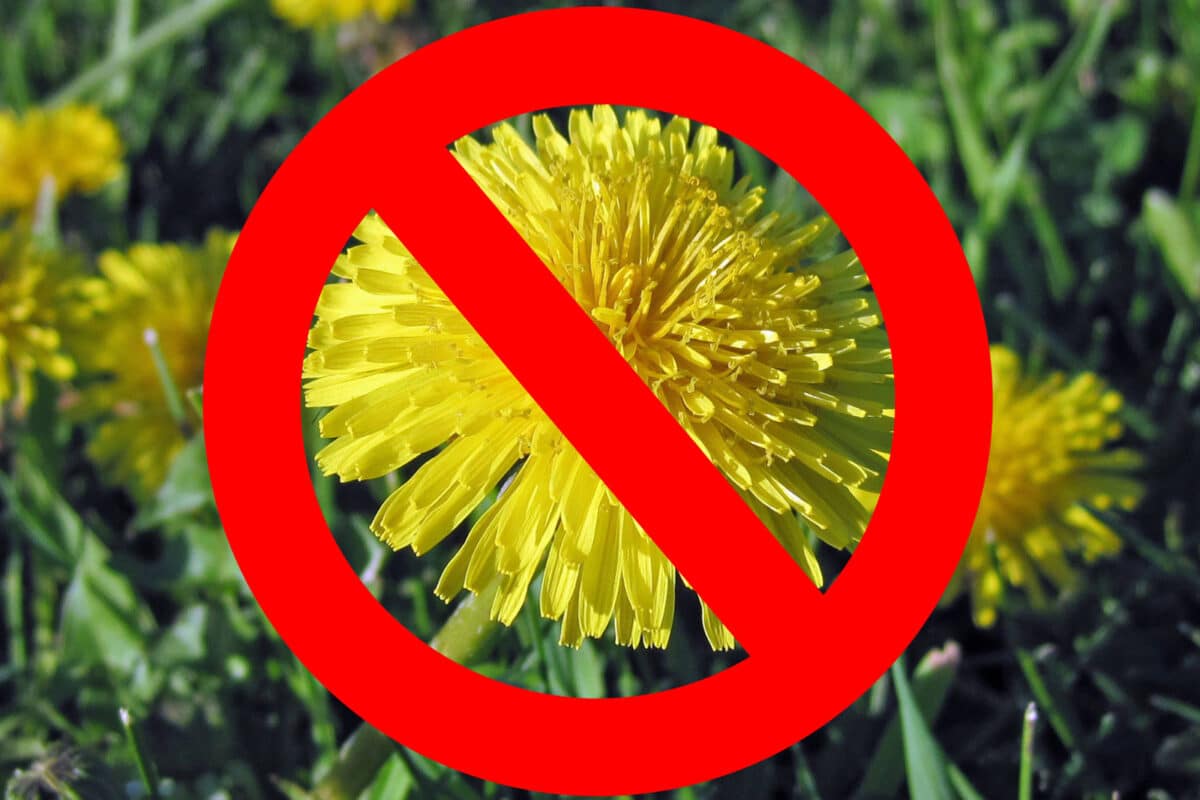
Why would I write about how to get rid of dandelions when I thoroughly enjoy these bright yellow flowers? Though I like them, I know they’re not always welcome. For instance, a friend had a toddler who was allergic to bees and a yard full of blossoms. Not a great combination.
As a member of Team Dandelion, we use the flowers, roots, and leaves in a variety of ways. We turn them into dandelion jelly, fritters, dandelion root tea, homemade wine. and more. Still, we don’t try to save every dandelion plant.
Sometimes you need them out of garden beds, away from bee-allergic children, or the neighbors squawk about them in the lawn.
The key is balance. Instead of declaring war, it’s better to manage dandelions thoughtfully while improving the health of the soil underneath. If you have to wear protective gear to kill plants, what the heck is that poison doing as it sits in your yard?
I cringed when the little white “stay off the grass” signs went up in our old neighborhood back in the suburbs. There are better options.
Would you like to save this?
Table of Contents
Before You Kill Dandelions, Consider Why They’re There
Dandelions are part of nature’s rehab crew. These deep-rooted plants thrive in compacted, stressed soil where grass struggles to grow. Their long taproots help break up hard ground and pull nutrients from deeper layers of soil.
Dandelions also commonly appear in areas with low calcium availability. In many cases, they’re less of a “problem weed” and more of a sign that the soil needs help.
If you only focus on weed control without improving the soil, new dandelions will usually move right back in. Seeds may stay viable for years in the soil, and more can always blow in on the wind.
Get Rid of Dandelions by Improving Soil Health and Management
The best long-term way to prevent dandelions is to create conditions where healthy grass and groundcovers outcompete them.
Reduce Soil Compaction
Compacted lawns favor dandelion plants because their taproots can penetrate where shallow grass roots cannot.
To loosen compacted soil:
- Aerate the lawn (our ducks do this naturally as they hunt for works, but they are a bit messy)
- Add compost or organic matter
- Avoid repeated traffic on wet ground and improve drainage, if needed
- Overseed thin patches
A thick, healthy lawn naturally leaves less room for weeds.
Add Calcium if Needed
Dandelions often show up where calcium levels are low. Their deep taproots pull up calcium and other minerals, concentrating them in the dandelion leaves. As the leaves die, they enrich the topsoil.
You can improve calcium availability with:
- Agricultural lime for faster results
- Gypsum for a gentler calcium boost without significantly raising soil pH
A soil test can help determine what your lawn actually needs before adding amendments.
Tips for Hand Pulling Dandelions
For spot removal, hand weeding remains one of the most effective chemical-free methods. The trick is removing as much of the taproot as possible. Small root fragments left behind may regrow.
I prefer a handheld dandelion weeder with a shallow notch at the tip instead of a deep “V” shape. The shallow notch grabs the root more securely, while deep “V” weeders often let roots slip right through. (This Garden Guru Dandelion Weeder Tool has a proper tip shape.)
For easiest removal:
- Weed after rain or watering
- Loosen soil beside the root
- Pull slowly and steadily
- Reseed bare spots afterward
Bare patches invite new weeds to move in. Mulch, grass seed, or other plants in the bare spots helps keep the dandelions in check.
Mowing Habits Make a Difference
Do not scalp your yard. Grass cut too short struggles to compete with weeds. I’ve seen plenty of people who shave their grass to stubble, and then wonder why it fails to thrive.
To help prevent dandelions:
- Keep grass around 3–4 inches tall
- Leave clippings to feed the lawn
- Avoid scalping during summer heat and/or dry conditions
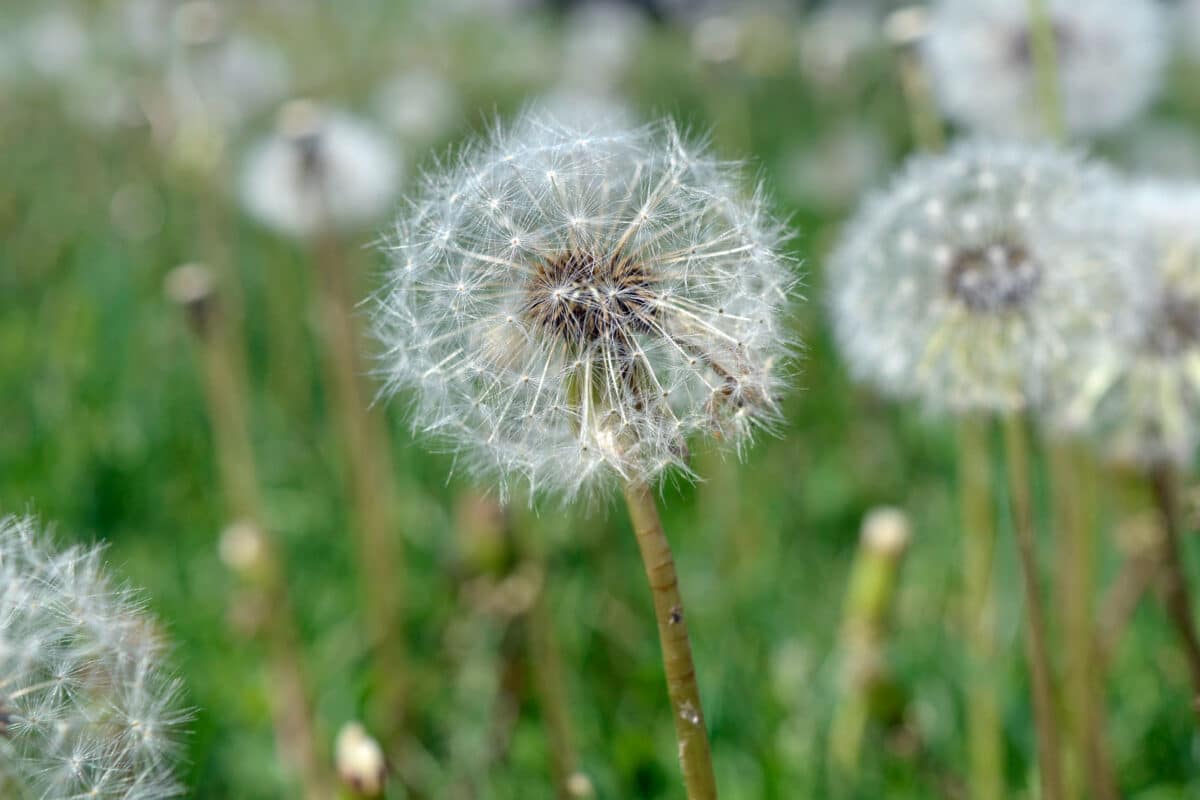
Taller grass shades the soil and reduces weed seed germination naturally. Cut off the flowers before they go to seed. This helps reduce future infestations. Regular mowing during flowering season can also help limit spreading.
Important Safety Note About Using Herbicides to Get Rid of Dandelions
If dandelions or other weeds have been sprayed with herbicides, do not eat or use the plants for human or animal feed. If you’re unsure whether an area has been treated, it’s safest to avoid harvesting entirely.
How long residues remain unsafe depends on:
- The specific chemical used
- Application rate
- Weather conditions
- Soil biology
- Whether the herbicide is systemic or contact-based
Some herbicides break down fairly quickly, but others can persist far longer than many people realize. Certain broadleaf herbicides may remain active in soil, compost, manure, or plant material for months or even years. These products contain aminopyralid, clopyralid, picloram, and similar chemicals.
According to the Maine Board of Pesticides Control, some persistent herbicides have caused garden damage more than three years after application. These herbicides survive composting, being eaten by livestock, drying, freezing, and thawing.
Other possible side effects associated with herbicide exposure, include:
- Skin and eye irritation
- Respiratory irritation
- Risks to pets and wildlife
- Potential long-term health concerns tied to repeated exposure
Is it worth it to coat your surroundings with poison in the quest for a “perfect” lawn or garden?
Don’t Panic Over Every Yellow Flower
Modern lawn culture has convinced many people that a “healthy” yard should look like a golf course. In reality, many older lawns included clover, violets, and dandelions alongside grass — and they functioned just fine. A few dandelion plants scattered through the yard are not a crisis.
In fact, dandelions are surprisingly useful:
- Eat young leaves fresh or cooked (older leaves get quite bitter)
- Use flowers for fritters, jelly, and dandelion wine
- Brew roots into tea or roast them as an herbal coffee alternative
- Dandelions also have many medicinal benefits
- Remember, the plants support pollinators early in the season
If you already have dandelions, you may as well get some use out of them.
You don’t necessarily need to love dandelions to coexist with them a little more peacefully. Get rid of dandelions where they truly cause problems. Improve the soil so fewer return over time. Harvest and enjoy the unsprayed plants if you’re inclined. And maybe leave a few bright yellow blooms for the bees while you’re at it.

This article is written by Laurie Neverman. Laurie was raised on a small dairy farm in northwest Wisconsin, where she gathered wildflowers from the woods and pastures. She and her family live in northeast Wisconsin, on a 25 acre homestead. Every season is a new opportunity to learn more about working with wild plants.