
What to Do With Rose Petals – 15 Ways to Use Them

This post may contain affiliate links. Read my full disclosure here.
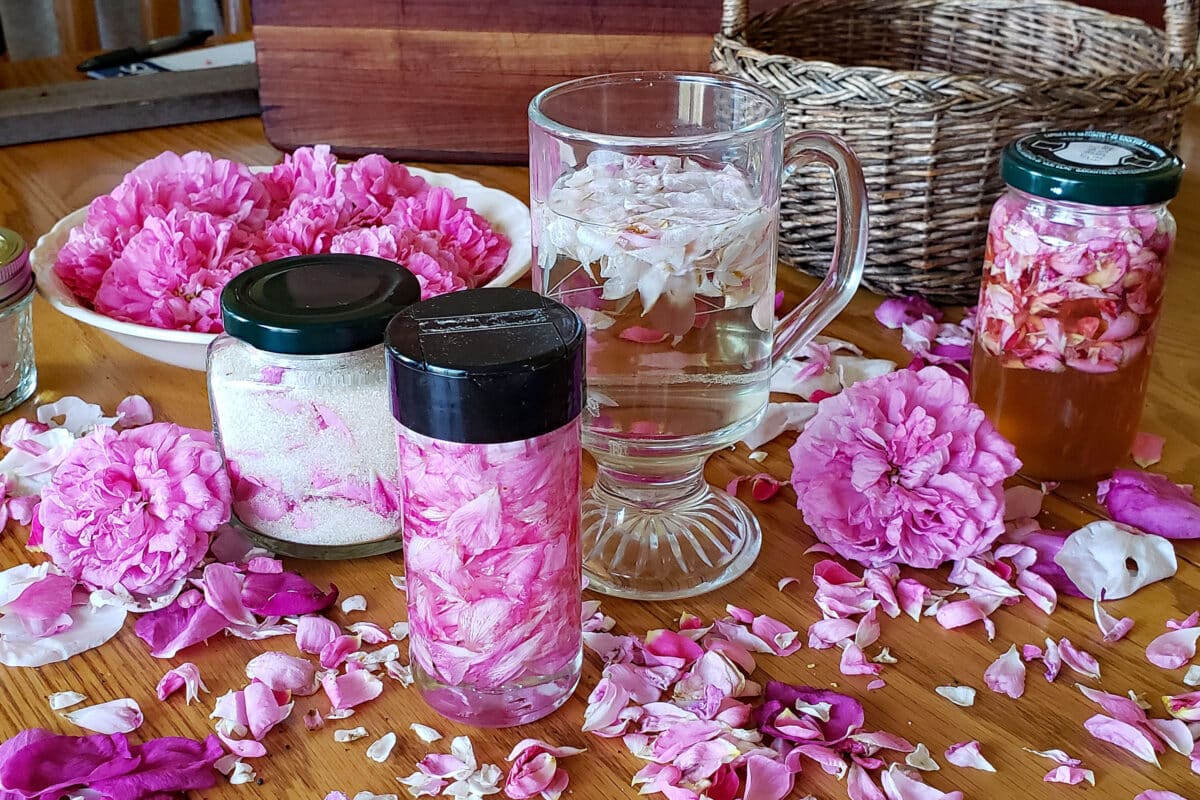
When my roses bloom, it’s hard not to stop and breathe them in. We have fragrant heirloom roses that have been passed down from my grandmother to my mom to me near the front door. We grow rugosa roses for their large, vitamin C-rich hips and have a scattering of wild roses around the property. Each one has its own purpose.
While many gardeners admire roses only while they’re blooming, the petals are surprisingly useful. From the kitchen to the medicine cabinet to homemade gifts, there are plenty of ways to enjoy them outside the garden.
Here are some tips for what to do with rose petals – fresh or dried.
Would you like to save this?
Table of Contents
- Before You Use Rose Petals
- 1. Make Rose Petal Tea
- 2. Dry Rose Petals for Later
- 3. Create Homemade Potpourri
- 4. Make Rose Sugar
- 5. Infuse Honey
- 6. Create Rose-Infused Vinegar
- 7. Make Rose Water
- 8. Infuse Oil for Salves and Balms
- 9. Add Them to Homemade Soap
- 10. Make Bath Salts or Bath Tea
- 11. Freeze Rose Petals in Ice Cubes
- 12. Decorate Desserts
- 13. Make Natural Confetti
- 14. Add Them to Crafts
- 15. Compost the Rest
- Which Roses Have the Best Petals?
- Don’t Forget the Rose Hips
- Every Bloom Has a Purpose
Before You Use Rose Petals
If you plan to eat or use rose petals on your skin, make sure they come from plants that haven’t been treated with chemicals. Florist roses are often heavily treated and aren’t intended for culinary use or skin care.
Harvest petals in the morning after the dew has dried but before the afternoon heat fades their fragrance. Choose flowers that have just fully opened for the best scent and flavor.
Give the petals a gentle rinse if needed and pat dry.
1. Make Rose Petal Tea
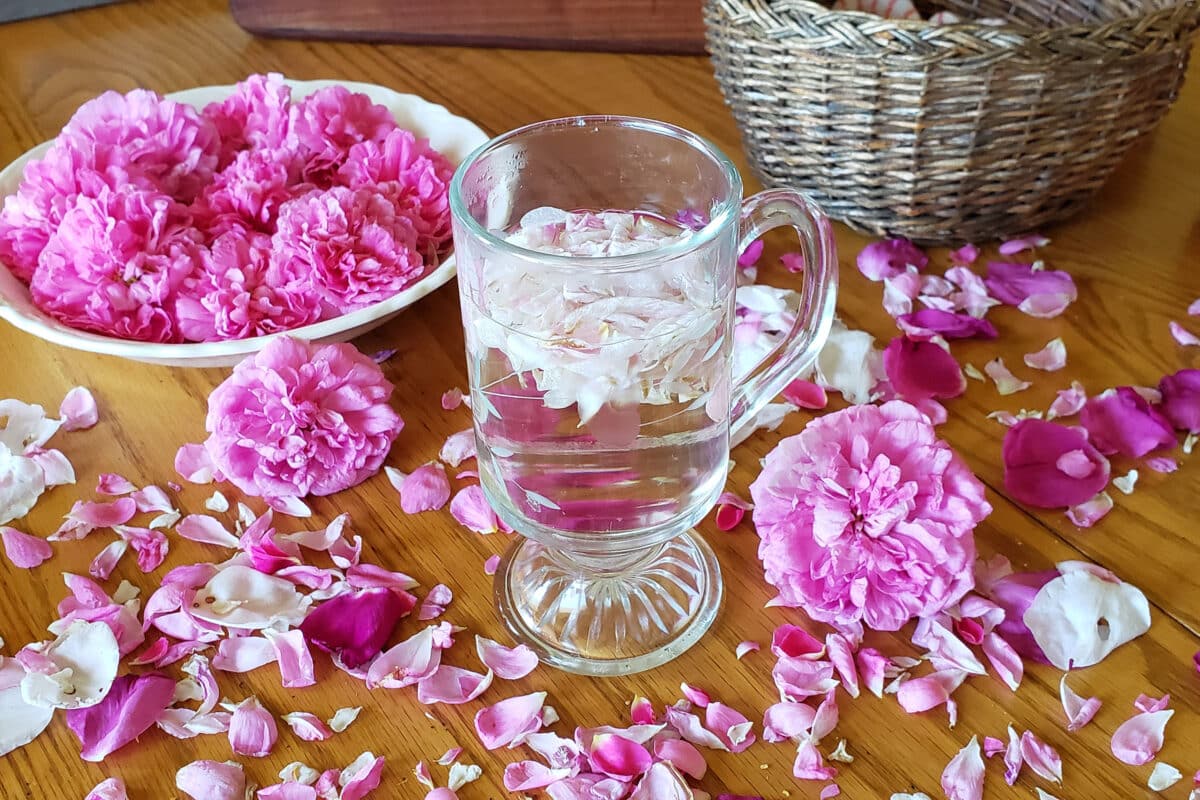
Fresh or dried petals make a delicate herbal tea with a mild floral flavor. Rose petal tea is naturally caffeine-free and pairs well with mint, chamomile, lemon balm, lavender, or hibiscus.
Steep about one tablespoon of fresh petals (or one teaspoon dried) in hot water for 5 to 10 minutes. Sweeten with a little honey if desired.
2. Dry Rose Petals for Later
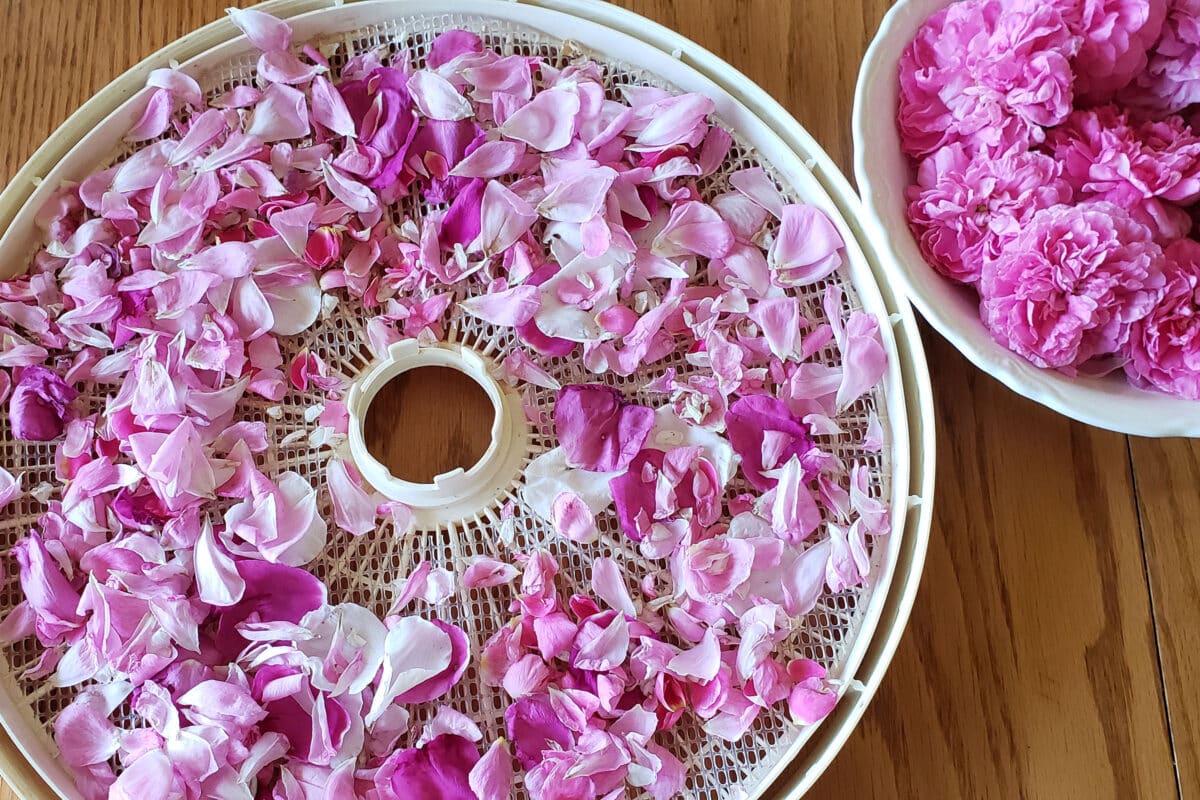
Drying lets you enjoy your harvest all year long. Spread petals in a single layer on a screen or drying rack in a warm, shaded location with good airflow. You can also use a dehydrator set to its lowest temperature.
Store completely dry petals in an airtight glass jar away from heat and sunlight.
3. Create Homemade Potpourri
Rose petals are the classic ingredient in homemade potpourri.
Mix dried petals with lavender buds, mint, lemon verbena, rosemary, cinnamon chips, citrus peel, cloves, or pine needles. Add a few drops of rose essential oil if you’d like the fragrance to last longer. Package the mixture in decorative bowls or fabric sachets.
4. Make Rose Sugar
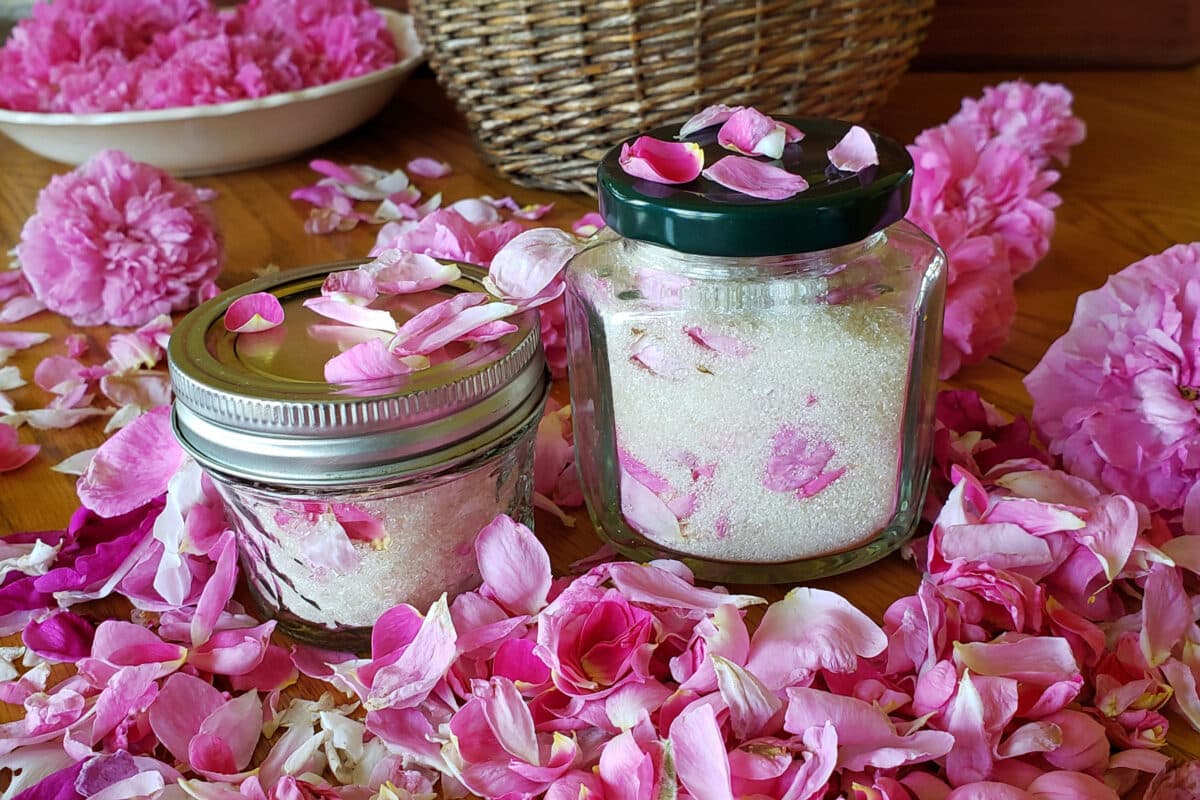
Rose sugar captures the fragrance of fresh blooms. Layer clean, dry petals with granulated sugar in a jar and let the flavors infuse for a week or two before removing the petals. You can also pulse dried petals with sugar in a food processor.
Use rose sugar in tea, cookies, cakes, or homemade shortbread.
5. Infuse Honey
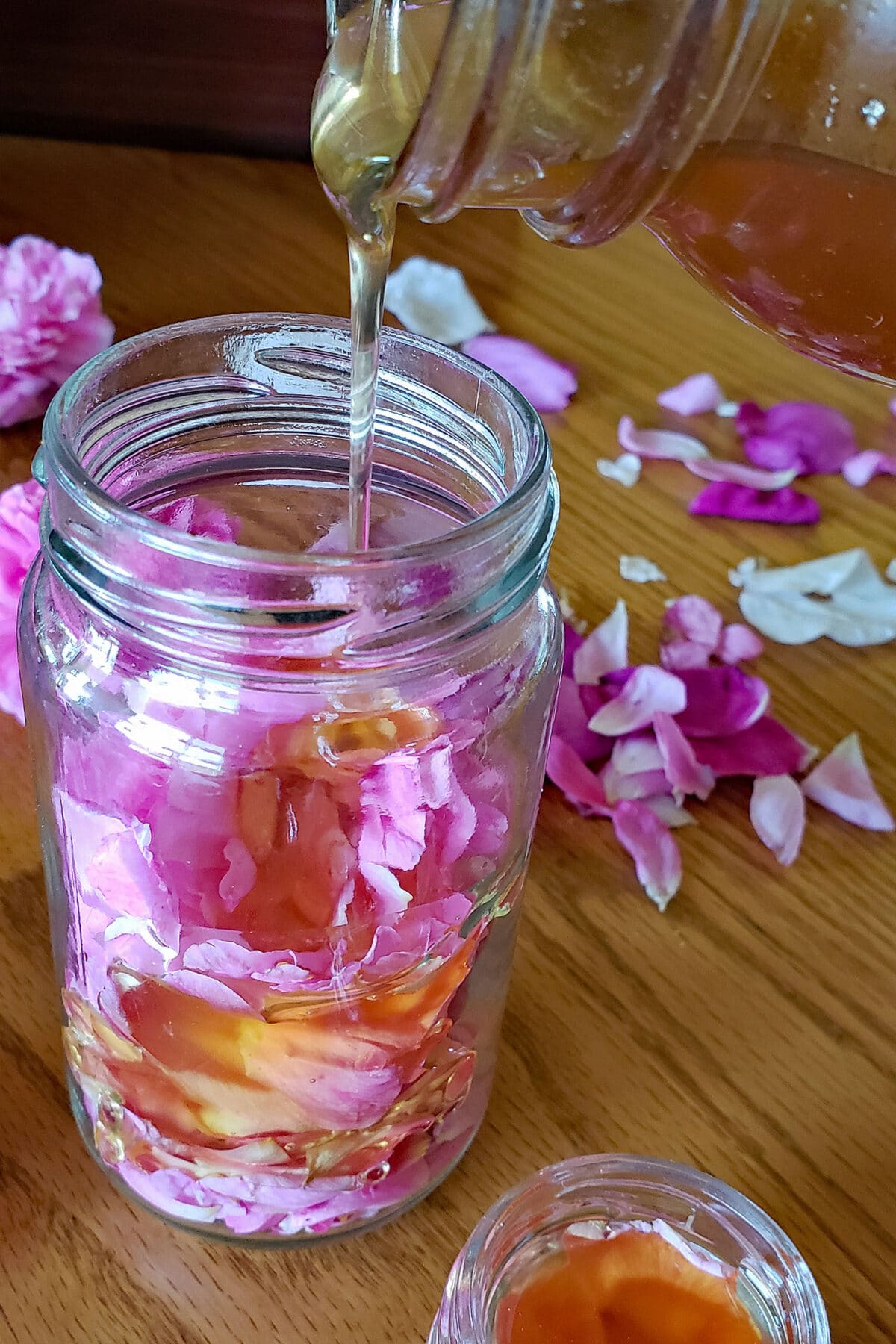
Place fresh, dry petals in a jar and cover completely with honey. After one to two weeks, strain if desired. The finished honey is wonderful stirred into tea, drizzled over yogurt, or spread on fresh biscuits.
6. Create Rose-Infused Vinegar
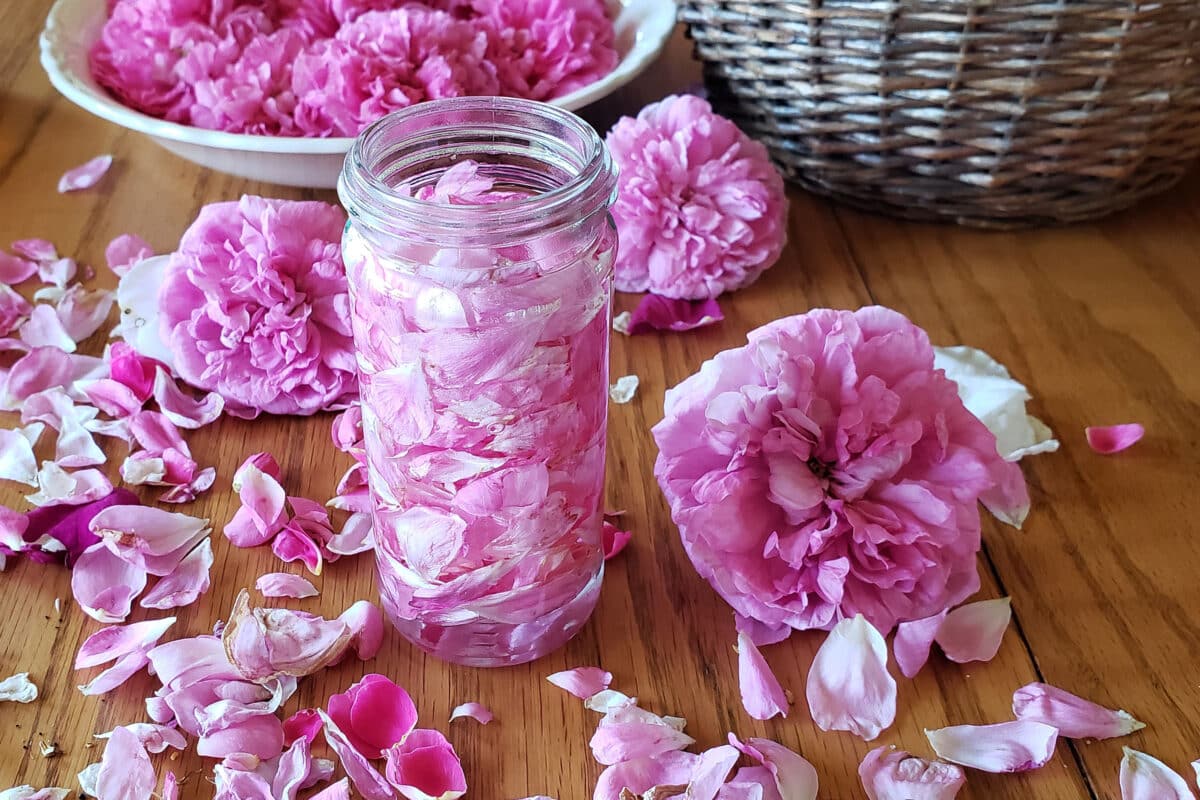
Rose vinegar adds a light floral note to homemade vinaigrettes. Fill a jar loosely with petals and cover with white wine vinegar or apple cider vinegar. Let steep for one to two weeks before straining.
7. Make Rose Water
Rose water has been used for centuries in cooking and skin care. Simmer petals gently with distilled water until they’ve lost their color, then strain and refrigerate. Use homemade rose water in baking, facial toners, linen sprays, or homemade beauty products.
8. Infuse Oil for Salves and Balms
Dried rose petals can be infused into oils such as olive, sweet almond oil, or fractionated coconut oil. The finished oil works well in homemade lip balm, lotion bars, massage oil, and herbal salves. Rose petal extract is known for its anti-inflammatory properties.
Be sure the petals are completely dry before infusing to reduce the risk of spoilage. You can place your infusion in the refrigerator for spoilage extra protection.
9. Add Them to Homemade Soap
Whole petals or crushed dried petals add natural color and texture to handcrafted soaps. Rose-infused oil also contributes a subtle floral scent and skin-loving properties.
10. Make Bath Salts or Bath Tea
Mix dried petals with Epsom salt, sea salt, lavender, chamomile, or oatmeal for a relaxing bath soak. For easy cleanup, place the herbs inside a reusable muslin bag before adding them to the bath.
11. Freeze Rose Petals in Ice Cubes
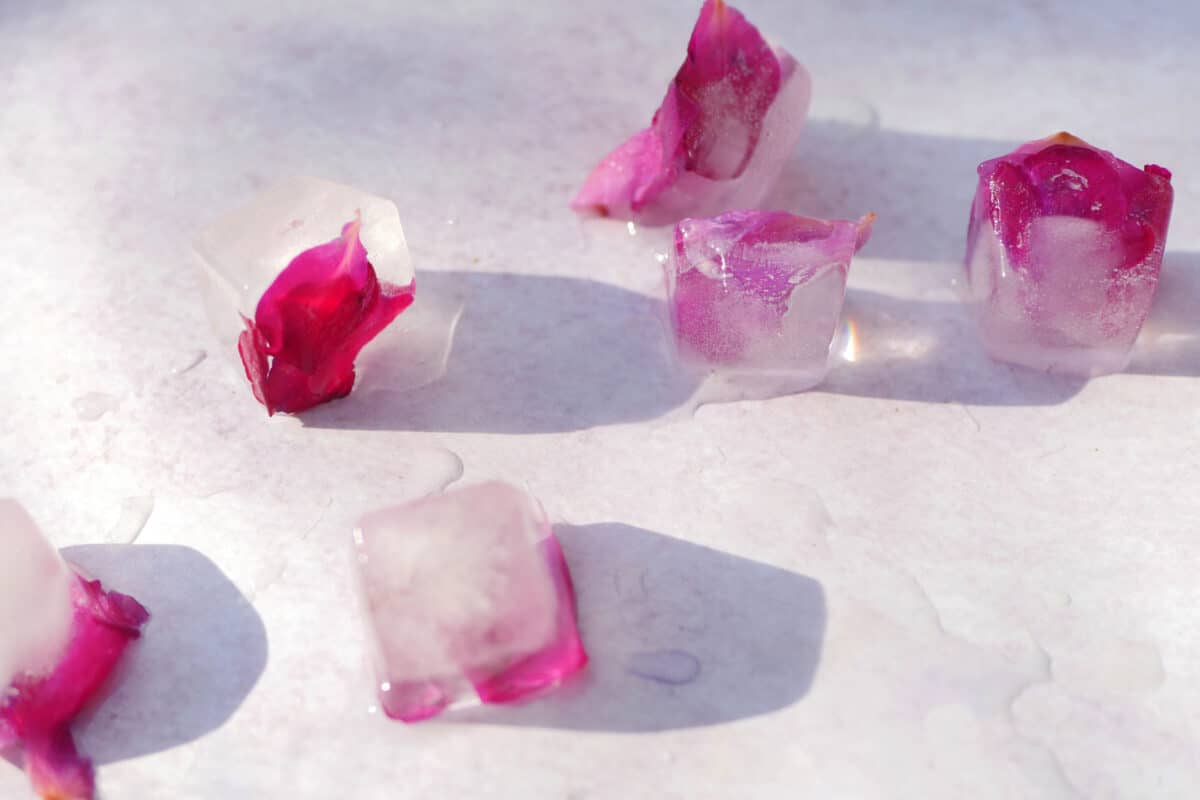
Fresh petals frozen inside ice cubes make beautiful additions to summer drinks. Use only edible, unsprayed petals, and avoid serving them to anyone with flower allergies.
12. Decorate Desserts
Fresh petals make elegant garnishes for cakes, cupcakes, fruit salads, cookies, and other desserts. For special occasions, crystallized rose petals create a stunning edible decoration.
13. Make Natural Confetti
Dried rose petals are a biodegradable alternative to paper confetti for weddings, anniversaries, or celebrations. Unlike plastic confetti, they return naturally to the soil.
14. Add Them to Crafts
Rose petals are perfect for homemade paper, greeting cards, bookmarks, candles, wreaths, and pressed flower art. (And you’re not likely to keep finding them for months after like glitter.) Children also enjoy using pressed petals in simple nature crafts.
15. Compost the Rest
Even petals that are past their prime still have value. Add faded blooms to your compost pile, where they’ll break down and help build healthy garden soil for next year’s flowers.
Which Roses Have the Best Petals?
Many roses are edible, but some varieties have stronger fragrance and better flavor than others.
Old-fashioned heirloom roses are often among the most fragrant, making them excellent for teas, syrups, and potpourri. Rugosa roses produce wonderfully scented petals and later reward you with large, nutritious rose hips. Wild roses usually have fewer petals but often carry an intense fragrance.
Modern hybrid tea roses can also be used if they haven’t been sprayed, though many have been bred more for appearance than fragrance. We had beautiful rose bushes by our first home – and they had hardly any fragrance. They look nice for craft projects, but won’t add much “oomph” to your potpourri.
Don’t Forget the Rose Hips
If you’re harvesting petals from rugosa roses, leave some flowers on the plant so they can develop into rose hips later in the season. Or you can carefully remove the petals as they start to fall off and leave the rose hip behind.
Rose hips are one of my favorite wild foods. They’re packed with vitamin C and can be used to make teas, syrups, jams, jellies, and other recipes. See Harvesting Rose Hips for Food and Medicinal Uses.
Every Bloom Has a Purpose
One of the things I love most about our heirloom roses is that they’re more than just beautiful flowers. They’ve survived for generations, carrying family history along with their incredible fragrance.
Whether you brew a cup of tea, make rose sugar, or dry petals for winter potpourri you can enjoy every part of the harvest. That’s one more small way to make your garden a little more beautiful, a little less wasteful, and a little more resilient.

This article is written by Laurie Neverman. Laurie and her family have 35 acres in northeast Wisconsin where they a food forest and an annual garden. Along with her passion for growing nutrient dense food, she also enjoys ancient history, adorable ducks, and lifelong learning.