
Easy Homemade French Bread Recipe

This post may contain affiliate links. Read my full disclosure here.
There’s nothing quite like the smell of homemade French bread wafting from the oven. This simple recipe makes loaves with a crisp, golden crust and a soft, chewy inside. It’s perfect for pairing with soups, stews, or simply slathering with butter. You don’t need fancy equipment to make it, just a few pantry staples and some hands-on time.
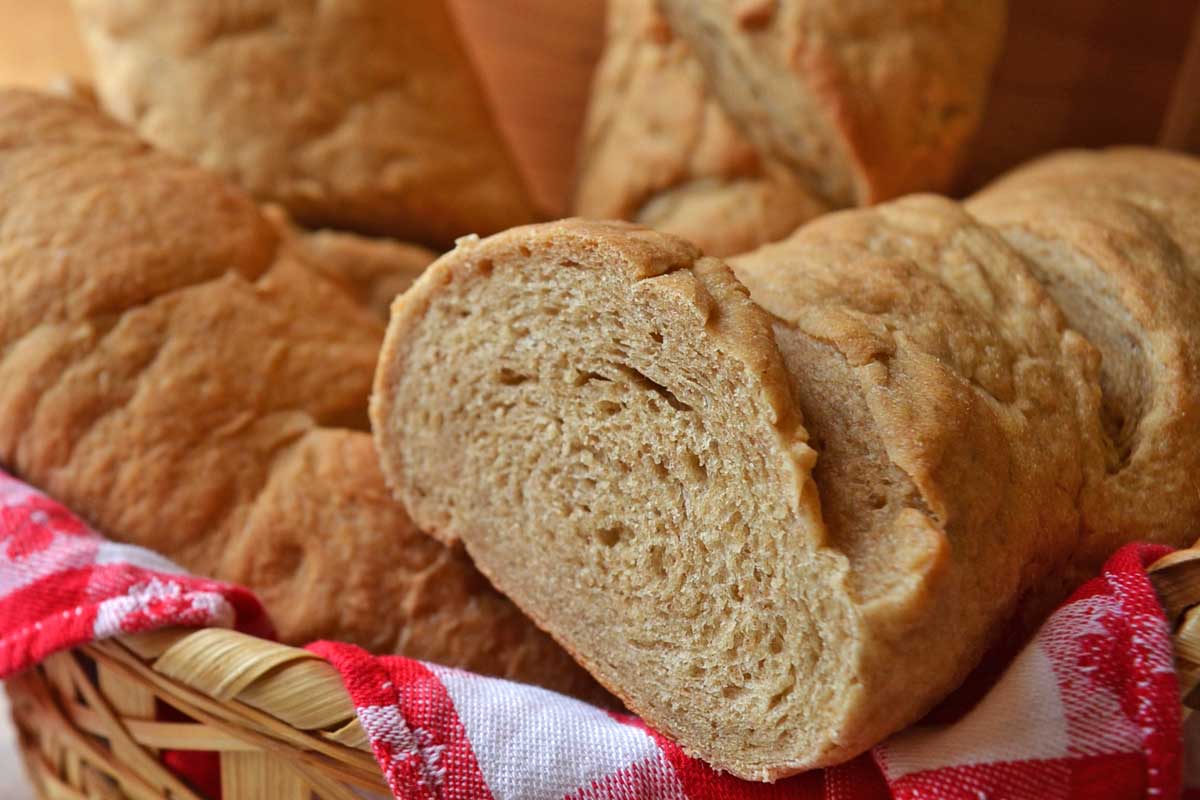
Table of Contents
Easy Homemade French Bread Recipe
This recipe comes together with everyday ingredients and simple steps. Here’s what you’ll need to get started.
Ingredients
Dough:
- 1 1/4 cup warm water
- 1 tablespoon sugar
- 1 tablespoon bread machine yeast (instant yeast)
- 1 teaspoon salt
- 3 1/2 cups of flour (bread flour preferred)
Glaze:
- 2 tablespoon water
- 1/2 teaspoon salt
Instructions
Mix the dough: Dissolve sugar, yeast and salt in warm water in a large bowl or mixer of choice. Add flour cup by cup, mixing after each addition. As you get near 3 cups, add the flour a little at a time, to make a soft dough that pulls away from the sides of the bowl.
Knead: Turn the dough onto a floured surface. Knead by hand for 8–10 minutes until smooth and elastic (or 8 minutes with a stand mixer and dough hook).
First rise: Place the dough in a greased bowl, turning once to coat. Cover with a clean towel and let rise about 15 minutes, punch down. Cover and let rise until doubled in size, about 1 hour.
Shape the loaves: Punch down the dough and roll each into a rectangle, then shape into long loaves (baguette-style) or round loaves. Place on a greased baking sheet or parchment-lined pan.
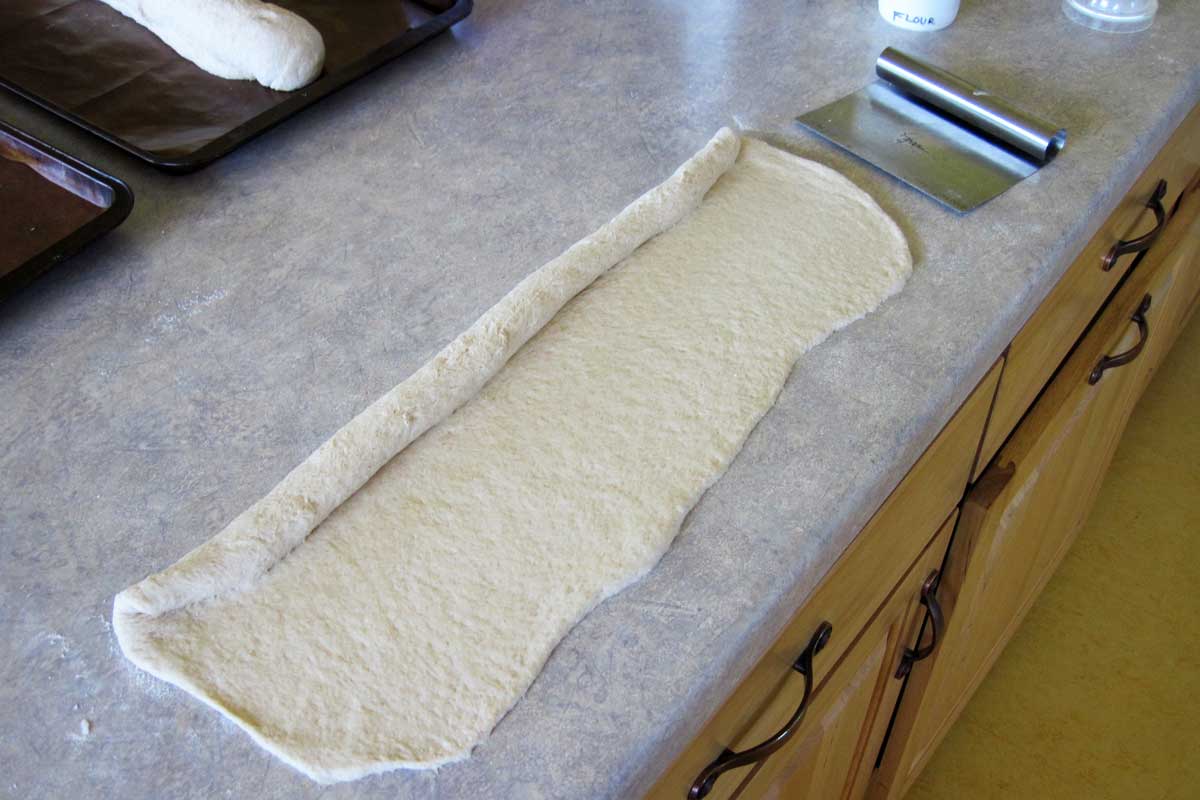
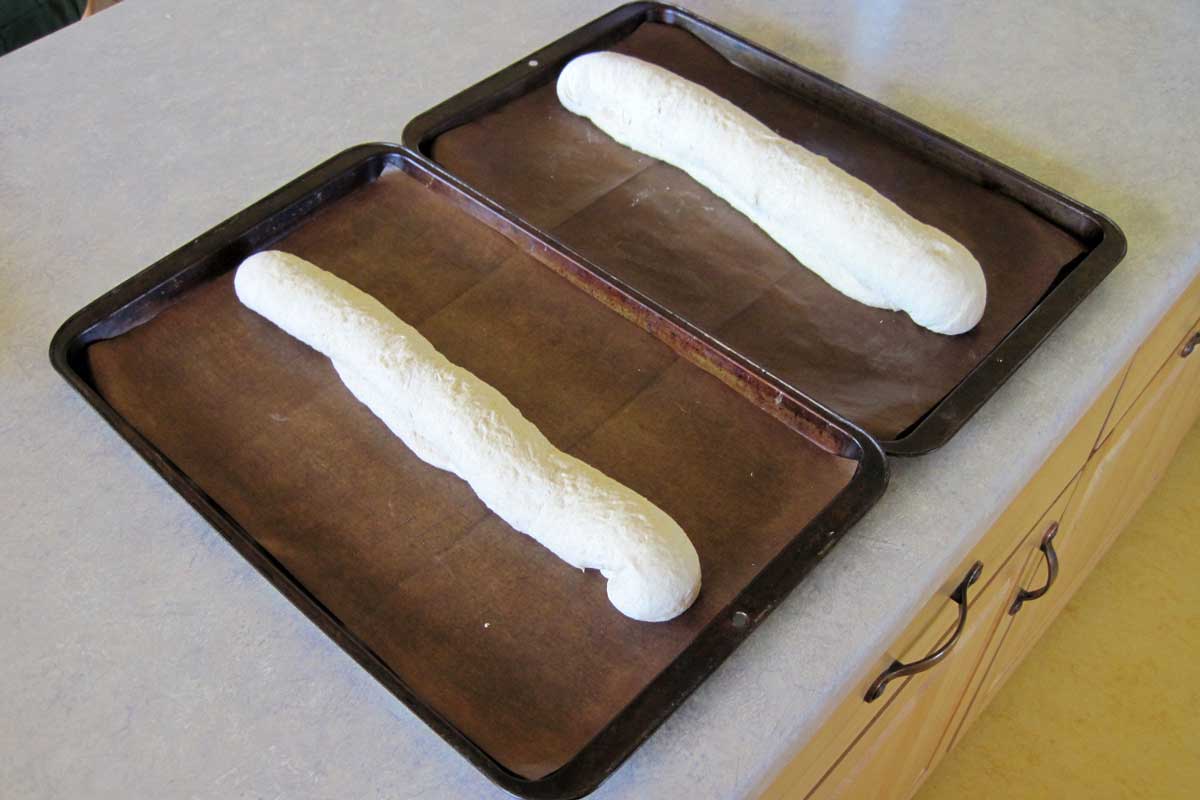
Second rise: Cover loosely and let rise until nearly doubled, 30–40 minutes. Preheat oven to 400°F (204°C).
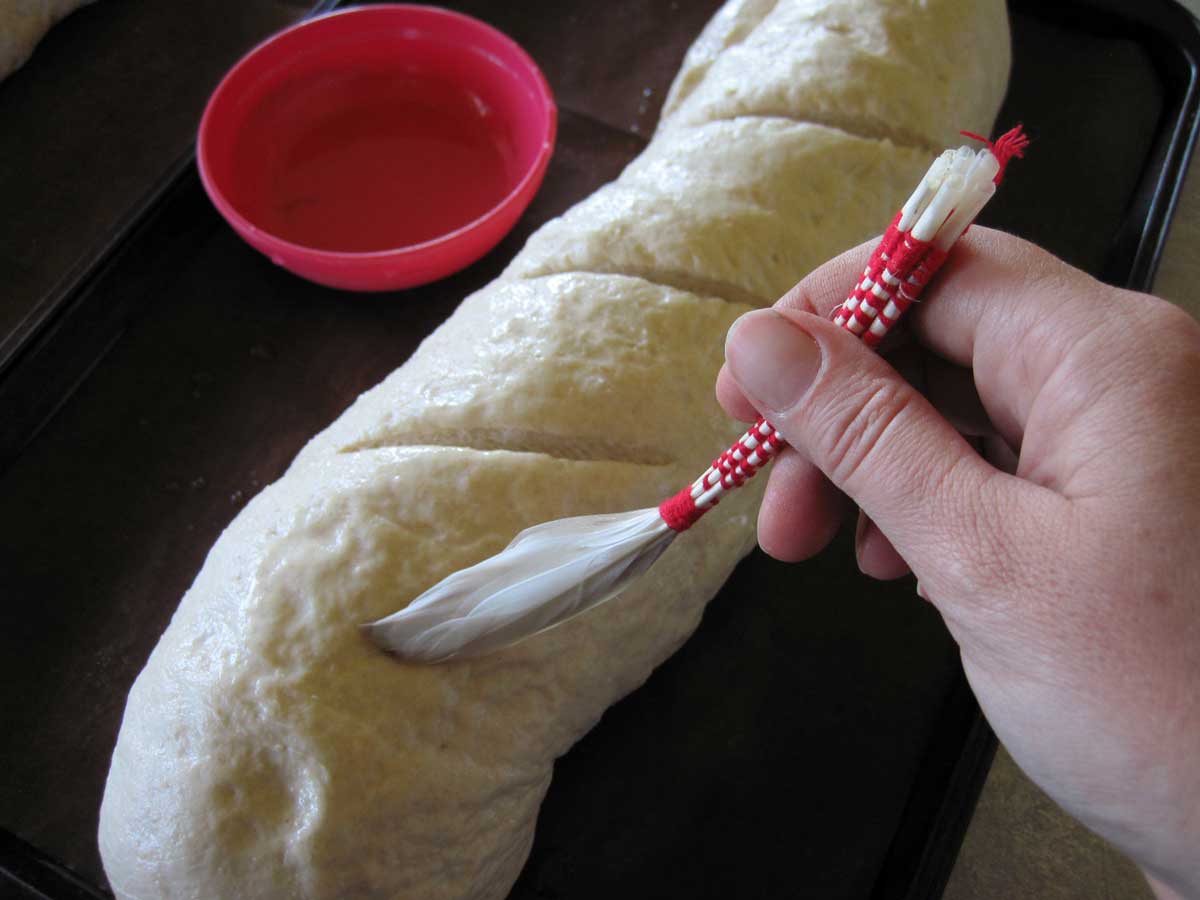
Brush with glaze and bake bread: Slash each loaf diagonally with a sharp knife or razor blade. For crusty French bread, brush with saltwater glaze. Bake for 20-25 minutes, until golden brown and hollow-sounding when tapped on the bottom.
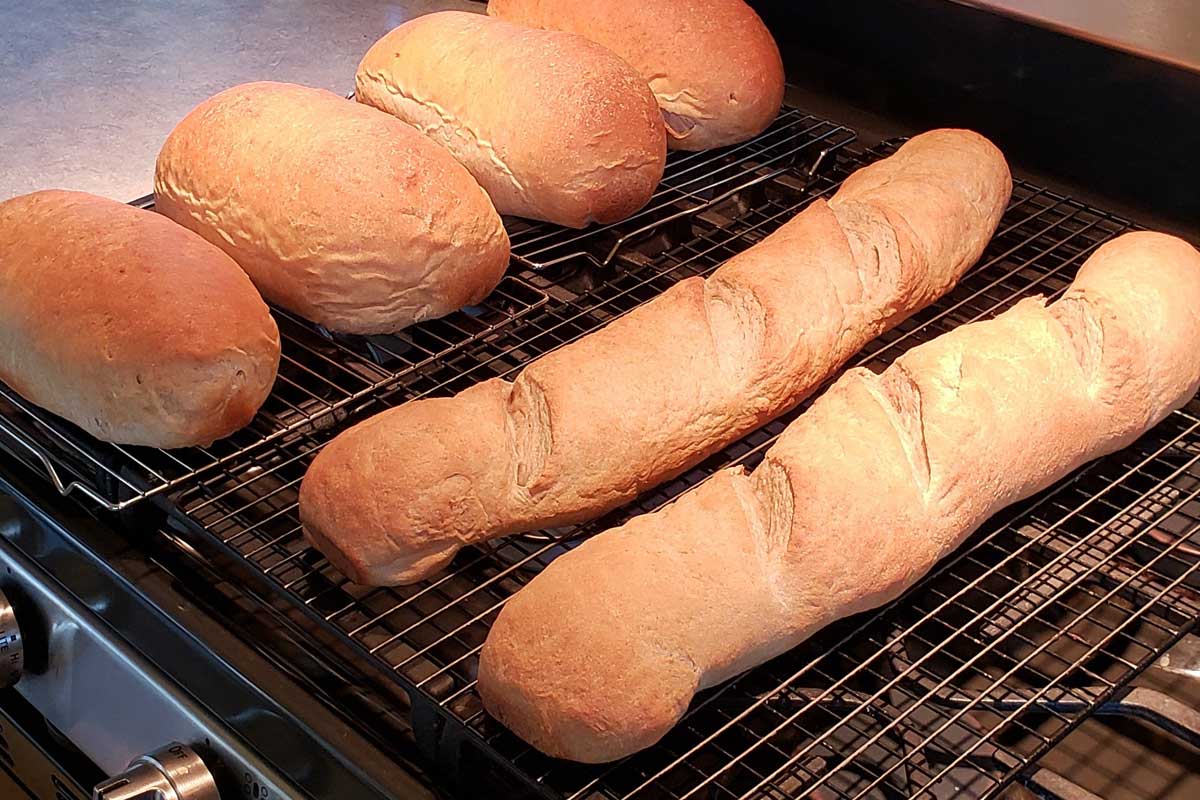
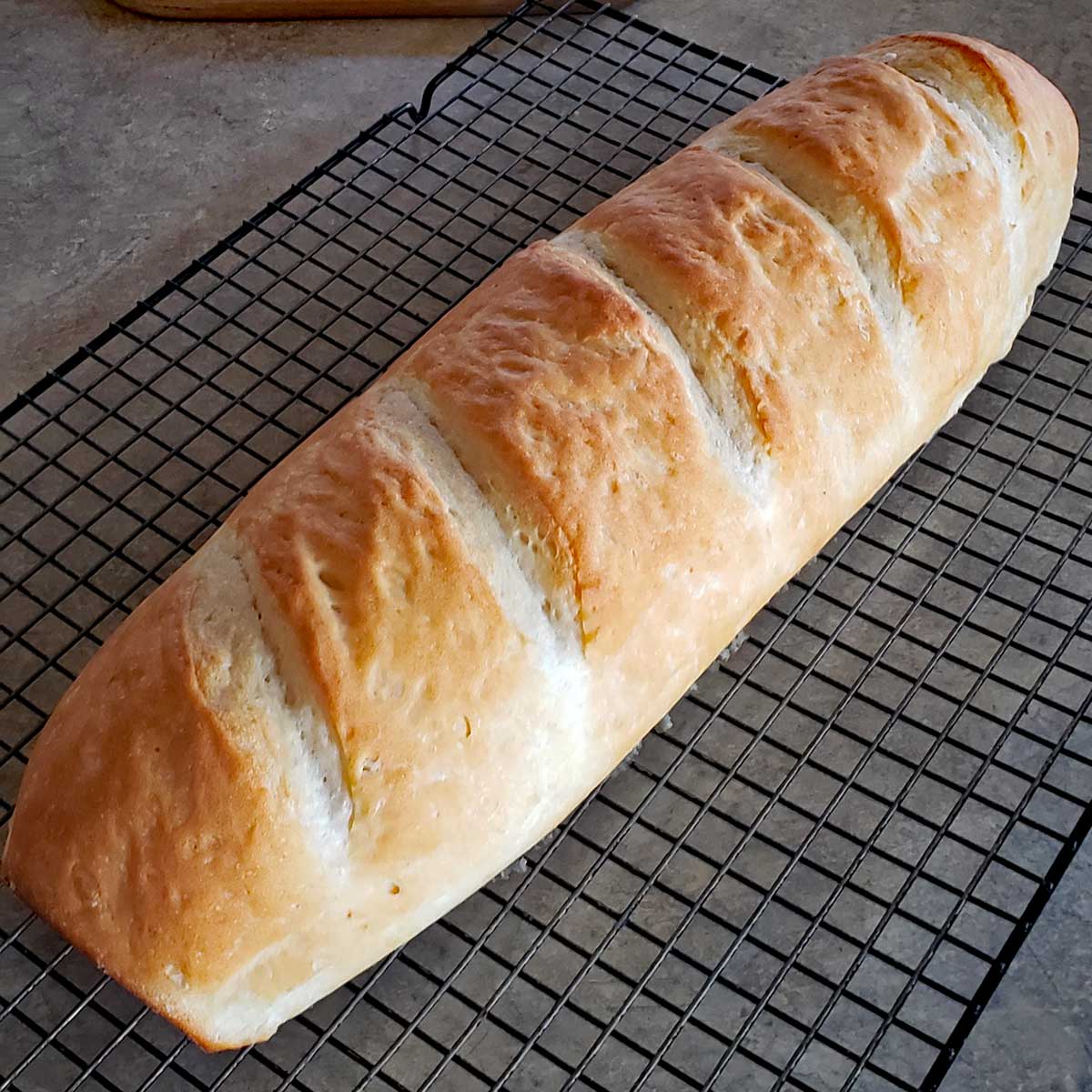
Cool and enjoy: Transfer to a wire rack to cool slightly before slicing. Serve warm or allow to cool to room temperature. The bread is at its best when it’s fresh.
A single batch makes one large loaf of bread. We often make a double batch to eat one loaf fresh and use the second loaf the next day for French toast.
Variations
- French Baguette Style: Shape dough into long, thin loaves (12–14 inches). Use a baguette pan for support if you have one.
- Round Boule: Shape into rustic round loaves for a country-style French bread.
- Overnight Rise: For deeper flavor, refrigerate the shaped loaves overnight before baking.
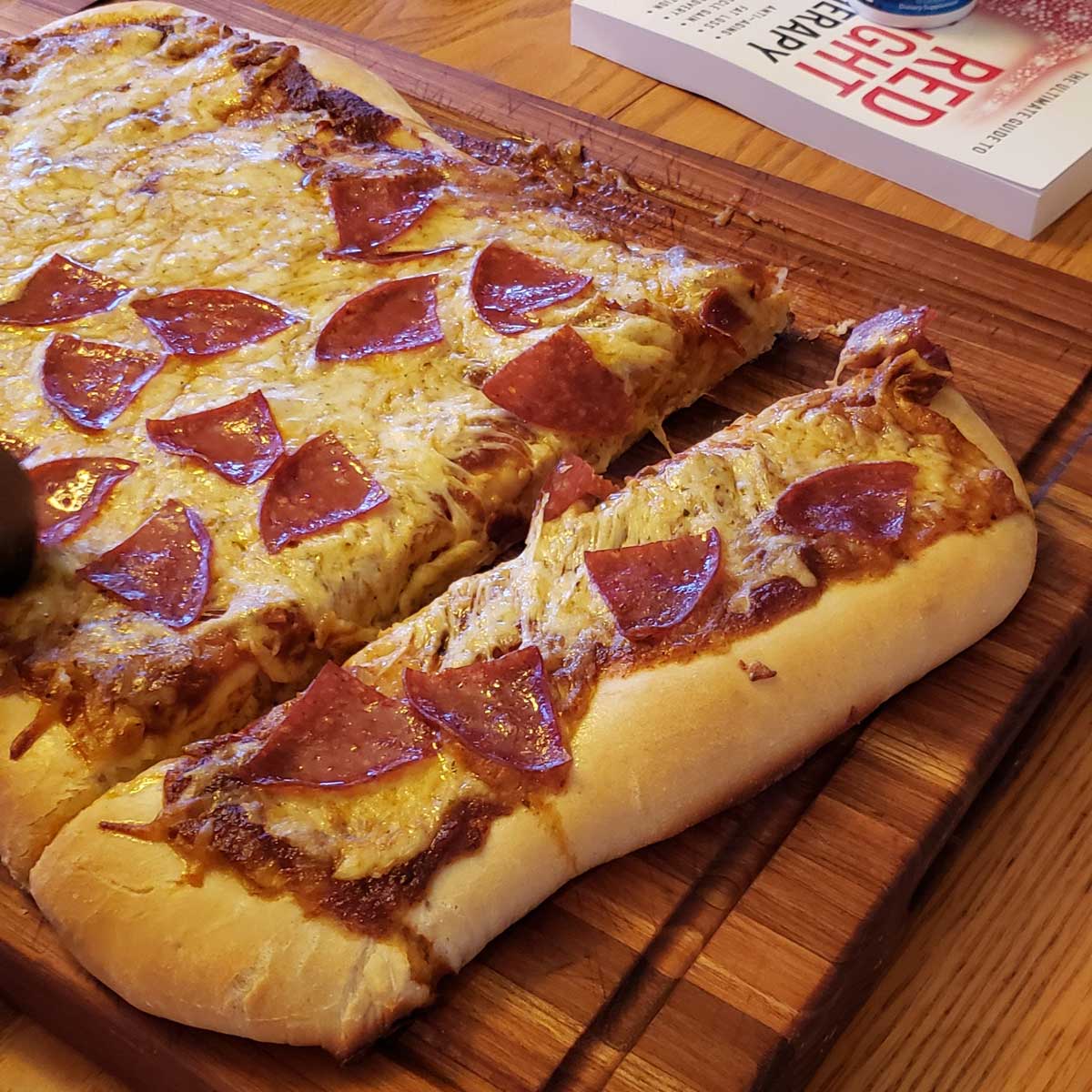
French Bread Dough Pizza Crust: One evening, I was planning on making French bread, and turning it into French bread pizza. Instead, to save time, I rolled out the dough into a rectangle to fill the baking sheet.
I let it rise, brushed with the salt glaze, and par-baked it for 10 minutes. Then we added toppings and baked for around 12 minutes more (until the cheese was nicely browned). This is now our favorite pizza crust recipe.
Tools
For grinding your own fresh flour, I recommend the Nutrimill Classic Grain Mill. It’s reasonably compact, easy to use, and doesn’t heat up the flour like some other mills.
To knead the dough, mix in a heavy stand mixer with dough hook or Bosch Universal Mixer, or mix by hand. I use my Bosch mixer, which can handle up to a triple batch.
I use a stainless steel chopper/scraper for cutting and shaping dough. This bread is typically baked on a half sheet pan, which you either grease or line with parchment paper.
A large grid cooling rack is good for bread and for keeping smaller items like cookies from falling through the rack.
Ingredient Tips
My preferred French bread ingredients:
Would you like to save this?
- SAF-INSTANT yeast
- Frontier Celtic sea salt
- King Arthur bread flour or other organic bread flour such as Heartland Mills
- Organic cane sugar
- Non-chlorinated water
This recipe works well with SAF-INSTANT yeast, a reliable instant yeast favored by many home bakers. Since it’s instant, you can mix it right into the flour without proofing first, though you may still proof if you like to check freshness.
Remember – keep opened yeast in an airtight container in the refrigerator or freezer to extend its shelf life. Stored this way, SAF-INSTANT and other dry yeasts can stay active for months beyond the “best by” date. It’s best to let frozen yeast warm to room temperature before using – but I usually don’t worry about it.
Salt does more than add flavor—it also strengthens gluten and helps control yeast activity. Skipping or reducing salt can make bread rise too quickly and taste flat.
Both all-purpose flour and bread flour work in this recipe. Bread flour has more protein, which develops stronger gluten for a chewier texture and higher rise. All-purpose flour makes a slightly softer loaf. Use what you have on hand—both will turn out delicious French bread.
This recipe uses a small amount of sugar to help feed the yeast and balance flavor. I opt for organic cane sugar to eliminate risk of glyphosate contamination.
Water Quality Tip: If possible, use non-chlorinated water when making bread. Chlorine in tap water can weaken or kill the yeast, leading to poor rising and dense loaves. Filtered, spring, or well water will give you the best results.
Yeast Substitution Tip
You can use instant yeast and active dry yeast interchangeably in this recipe. If using instant yeast, add it directly to the dry ingredients. If using active dry yeast, dissolve it in the warm water first, along with the sugar. Let sit 5–10 minutes, until the mixture becomes foamy.
For best results, substitute 1 ¼ Tablespoons active dry yeast for 1 Tablespoon instant yeast to match rising power.
Tips for the Best Homemade French Bread
- For extra crunch: Bake on a preheated baking stone or steel.
- For shine: Brush loaves with a beaten egg white before baking.
- Flavor twists: Sprinkle sesame or poppy seeds on top; add garlic butter glaze after baking; or mix in fresh herbs.
- Storage: Wrap cooled bread in foil or store in a paper bag at room temperature for up to 2 days. Freeze tightly wrapped loaves for up to 3 months. Reheat at 350°F (175°C) for 10 minutes to refresh the crust.
French Bread FAQ
Not exactly. A baguette is a specific type of French bread—long, thin, and baked to a crisp. This recipe can be shaped into baguettes or round loaves.
Dense bread usually means not enough kneading (to develop gluten) or not enough rise time. Be patient and let the dough double before shaping and baking. Fresh milled flour will also give the bread a heavier texture.
Yes! This recipe works perfectly with hand-kneading. It just takes a little more elbow grease.
Yes. You can refrigerate the dough after the first rise and finish shaping and baking the next day. This slow fermentation adds more flavor.
Serving Ideas for French Bread
Fresh French bread is versatile and pairs well with almost anything. Here are some favorite ways to enjoy it:
- With olive oil: Tear off warm pieces and dip into a shallow dish of extra virgin olive oil. Add a splash of balsamic vinegar or season with garlic, herbs, or Parmesan for more flavor.
- With soup or stew: The crisp crust and chewy crumb make French bread ideal for soaking up broths and sauces.
- As garlic bread: Slice, butter, and toast with garlic and herbs for a quick side dish.
- For sandwiches: Use for sub sandwiches, paninis, or open-faced melts.
- As crostini or bruschetta: Slice thin, toast lightly, and top with tomatoes, cheese, or spreads.
- For breakfast or dessert: Toast slices and spread with jam, honey, or Nutella, or use leftovers for French toast or bread pudding.
What to Do with Leftover French Bread
If your French bread goes a little stale, don’t toss it—there are plenty of delicious ways to give it new life:
- French toast: Stale bread soaks up custard beautifully without falling apart, making it perfect for this breakfast favorite.
- Croutons: Cube, season, and bake until crisp to top soups and salads.
- Garlic bread: Slice, butter, and broil with garlic and herbs for a quick side dish.
- Bread crumbs: Dry completely and pulse in a food processor for homemade bread crumbs.
- Bread pudding: Combine chunks of bread with eggs, milk, sugar, and spices for a comforting dessert.
- Stuffing: Cube and season for homemade stuffing to pair with poultry or roasted meats.
Easy Homemade French Bread
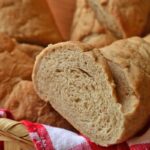
Homemade crusty French bread recipe – This recipe is perfect for bread bowls, French bread pizza, garlic bread or accompanying soup or stew. Makes great French toast!
- Prep Time: 1 hour
- Cook Time: 20 minutes
- Total Time: 1 hour 20 minutes
- Yield: 1 loaf 1x
- Category: Bread
- Method: Baking
- Cuisine: French
Ingredients
Dough:
- 1 1/4 cup warm water
- 1 tablespoon sugar
- 1 tablespoon bread machine yeast
- 1 teaspoon salt
- 3 1/2 cups bread flour
Glaze:
- 2 tablespoon water
- 1/2 teaspoon salt
Instructions
- Mix the dough: Dissolve sugar, yeast and salt in warm water in a large bowl or mixer of choice. Add flour cup by cup, mixing after each addition. As you get near 3 cups, add the flour a little at a time, to make a soft dough that pulls away from the sides of the bowl.
- Knead: Turn the dough onto a floured surface. Knead by hand for 8–10 minutes until smooth and elastic (or 8 minutes with a stand mixer and dough hook).
- First rise: Place the dough in a greased bowl, turning once to coat. Cover with a clean towel and let rise about 15 minutes, punch down. Cover and let rise until doubled in size, about 1 hour.
- Shape the loaves: Punch down the dough and roll each into a rectangle, then shape into long loaves (baguette-style) or round loaves. Place on a greased baking sheet or parchment-lined pan.
- Second rise: Cover loosely and let rise until nearly doubled, 30–40 minutes. Preheat oven to 400°F (204°C).
- Brush with glaze and bake bread: Slash each loaf diagonally with a sharp knife or razor blade. For a crisp crust, brush with saltwater glaze. Bake for 20-25 minutes, until golden brown and hollow-sounding when tapped on the bottom.
- Cool and enjoy: Transfer to a wire rack to cool slightly before slicing. Serve warm or allow to cool to room temperature. The bread is at its best the day it is baked.
Love Fresh Bread?
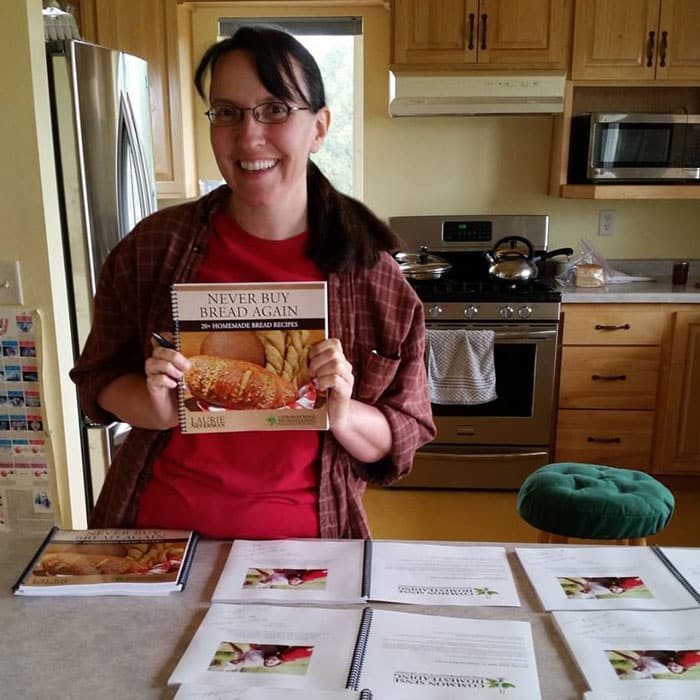
Bread baking doesn’t have to be complicated or intimidating. My sons started baking bread when they were just 10 years old—if they can do it, you can too!
In Never Buy Bread Again, you’ll find:
- Step-by-step recipes for loaves, rolls, and more.
- Troubleshooting guides for the most common bread-baking problems.
- Tips for high-altitude baking, freezing, and storing bread (including par-baked rolls).
- Creative ideas for using up leftover bread.
- Delicious extras, like flavored butters and spreads that pair perfectly with homemade bread.
Whether you’re brand new to baking or just want reliable recipes that work every time, this book will help you put fresh, homemade bread on the table.
Click here to get “Never Buy Bread Again” – available in spiral bound print and ebook formats.
Don’t forget to check out:
- Troubleshooting Tips to Help You Bake the Perfect Loaf of Bread
- Is Commercial Bread Making You Sick?
- Nutrimill Artiste Mixer Review
Please Share or Pin if you’ve enjoyed the post!

This article is written by Laurie Neverman. Laurie grew up in the kitchen, learning baking and home cooking from her momma. At age 15, she and her mom and two sisters created Irene’s Custom Cakes & Catering. This was her summer job through most of high school and college.
Originally posted in 2015, last updated in 2025.
How can I up the fiber content a bit for us old folks?
You can use whole grain flour if you prefer. The bread in the top photo was made with fresh ground hard white wheat. Mixing in a tablespoon or two of ground flax is fine, too, though you may want a little extra liquid to balance it out (or less flour). We typically pair the bread with a meal with plenty of veggies, so extra fiber comes in there, too. For instance, we had baked beans, green beans, and cole slaw at the family dinner last week.
Laurie, you don’t knead your (French) bread recipe?
We do knead as the flour is being added and once the flour is in to get the dough texture right. Let me make that clearer in the instructions.
This recipe worked very well for me, and using your mix of glaze , well, just will take your taste buds to a higher level. Thank you for always sharing your great, easy recipes with us out here in the digital world.
Thank you for your kind words, Rose.
Hi. I have both King Arthurs all purpose flour and wheat flour, which one would you recommended for this bread?
All purpose flour is normally wheat flour, unless you have gluten free all purpose flour. If it’s AP wheat flour, that will work. If the other wheat flour is bread flour, that may work a little better.
Can this be made into rolls?
Sure. Just cut the bake time a little.
Hi
First time i tried my bread was just amazing. However, i tried twice since then and dont know why my bread are coming out hard. my daughter even said she can kill someone with that stone. I dont what i am doing wrong. any help?? Thanks
It’s tough to say what’s going on without having more information, I’d suggest checking out the post “Troubleshooting Tips to Help You Bake the Perfect Loaf of Bread” to see if you spot any of the common problems.
Could this recipe work with Einkorn flour?
I haven’t tried it, but I don’t see why it wouldn’t.
Will King Arthur white whole wheat flour work for this recipe? In prev question I wanted to ask about whole wheat flour that you could recommend for this recipe? thank you
Galina
I think King Arthur would work very well. I’ve always been happy with their quality.
What bread flour do you recommend?
Thank you
I have several that I use, and sometimes I grind my own. My favorite “off the shelf” brand is King Arthur flour. I regularly buy organic Gold N white flour from Natural Mills through our bulk foods buying club. Any good quality bread flour will work just fine. I do personally try and stick with organic, since now sometimes conventional wheat is dried down with glyphosate at harvest to increase yields.
Well. I’ve been baking french bread for many years – first using the bread machine to make the dough, until it died; then, I started trying different recipes here and there from Martha Stewart to Bon Apetit to a few off the internet – ALL to no success. (They were not rising, made flat loaves, greasy loaves, had no structure and I KNEW it was not my yeast! I also knew it was not my all purpose flour – I had been using AP with the bread machine and that specific recipe that came with it and it always worked fine.) Today, hallelujah, I found your recipe for French Bread. It rose up perfectly beautiful and is baking right now – the house smells DIVINE. AND I used AP flour. Thank you for a PERFECT RECIPE, FINALLY!!! 😀
Yeah! So glad that it worked out well for you.
I made this last night & It was a complete hit!!! First time making bread & it came out beautiful & delicious!!! Thank you for the recipe & easy to follow instructions!
Just tried this recipe. I had my bread machine make the dough. I had never used bread flour before, only all purpose. This was AMAZING! The family polished off the loaf, still warm with butter. This recipe has gone into My Favorites!!
Excited to try your easy French Bread. Thanks for the photos as well.