
Home Freeze Drying – What to Know Before You Buy

This post may contain affiliate links. Read my full disclosure here.

Home freeze drying lets you preserve fruits, vegetables, meats, and even complete meals without refrigeration. The finished food is lightweight, stores well, and often tastes remarkably close to fresh when rehydrated.
But is a home freeze dryer worth the investment?
I’ve been using a Harvest Right freeze dryer since 2016, preserving everything from garden strawberries to homemade fajita filling. I love the convenience of having ready-to-use foods in the pantry, but freeze drying isn’t the best choice for every food—or every household.
Let’s look at how freeze drying works, what foods you can safely preserve, how much work is involved, and how the major home freeze dryer brands compare.
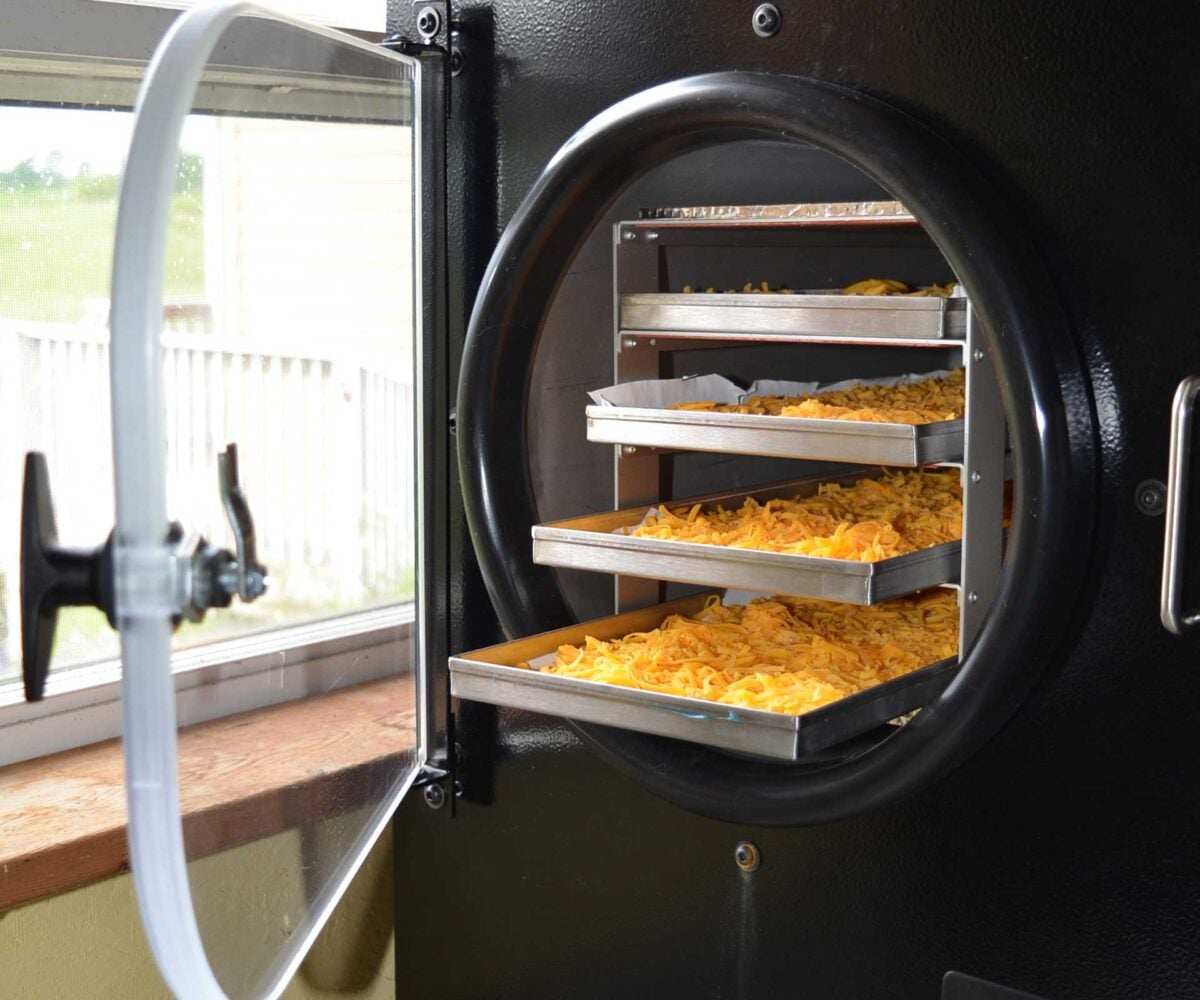
Table of Contents
What Is Home Freeze Drying?
Freeze drying is a food preservation method that removes moisture from food while it’s frozen.
Unlike ordinary dehydrating, which uses warm air to evaporate water, freeze drying uses extremely cold temperatures and a powerful vacuum to turn frozen water directly into vapor. This process is called sublimation.
The result is food that’s extremely dry, lightweight, and often retains much of its original shape, flavor, and color.
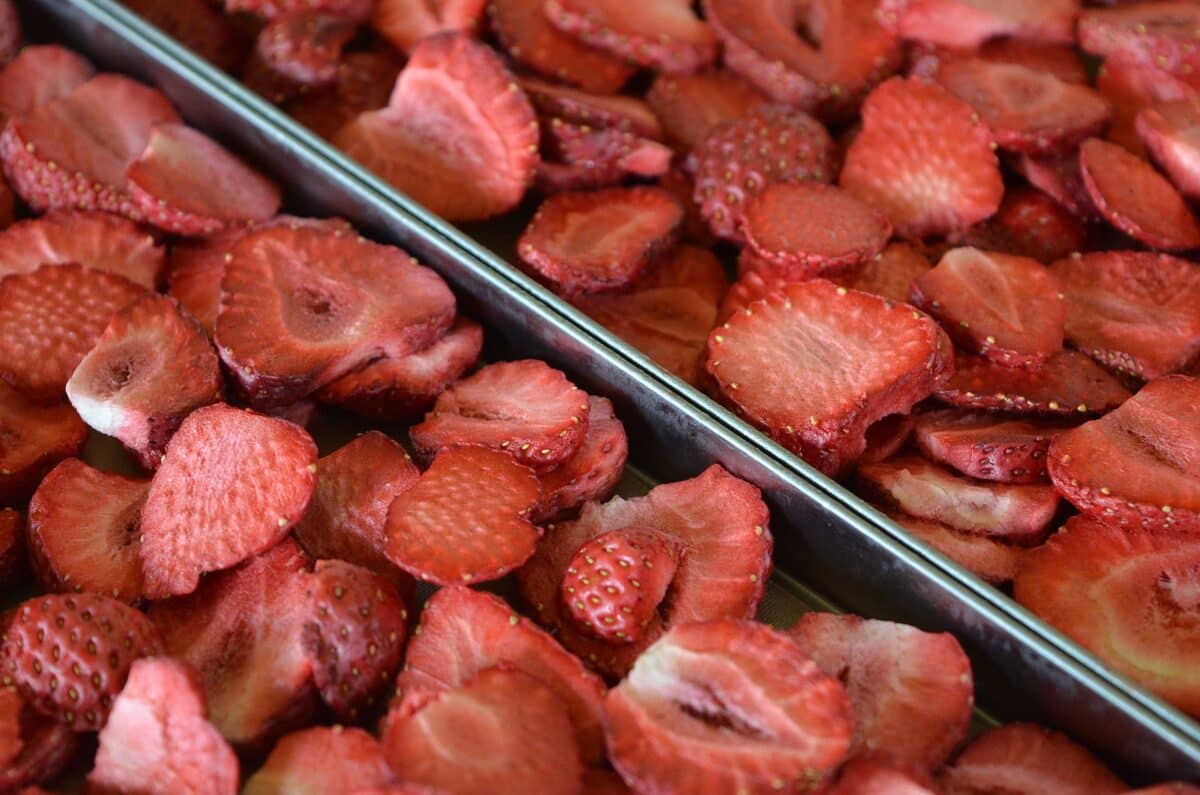
Freeze dried strawberries, blueberries, and apple slices make delicious crunchy snacks. Cooked meats, vegetables, and meals can be rehydrated with water for quick meals.
Can You Freeze Dry Food Without a Freeze Dryer?
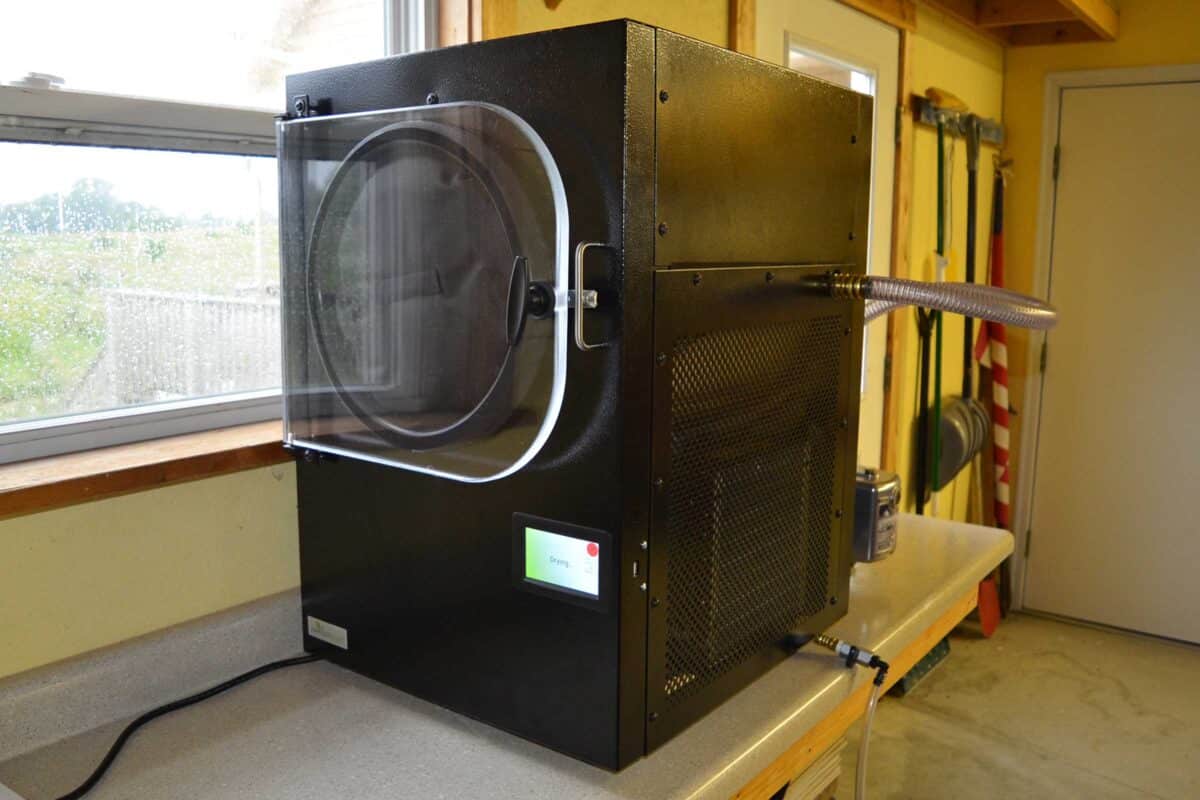
No—not reliably. This is a common misunderstanding. Some people assume that freezing food and then putting it in a dehydrator will produce freeze dried food. It won’t.
A home freeze dryer combines three important functions:
- Freezing: The machine freezes food to extremely low temperatures.
- Vacuum drying: A powerful vacuum pump reduces the pressure inside the chamber, allowing ice to change directly into vapor.
- Controlled heating: The machine gently warms the food during drying to help remove the remaining moisture.
A regular freezer and food dehydrator cannot duplicate this process. You can sometimes observe natural freeze drying outdoors in extremely cold, dry conditions, but that’s not a reliable method for producing safely preserved food.
For more information, see Dehydrator Versus Freeze Dryer – What’s the Difference?
How to Freeze Dry Food at Home
Modern home freeze dryers automate most of the process, but preparing the food properly makes a big difference.
- Prepare the food. Wash produce, trim away unwanted portions, and cut food into small, uniform pieces. Blanch vegetables when appropriate, just as you would before freezing.
- Fill the trays. Spread food evenly without overloading. Pre-freezing food on the trays can shorten the processing time.
- Start the freeze drying cycle. Follow your machine’s instructions. It will freeze the food, create a vacuum, and gradually remove moisture.
- Check for dryness. Break open several of the thickest pieces from different trays. There should be no ice, damp spots, or moisture remaining in the centers. Add drying time if needed.
- Package promptly. Freeze dried foods absorb moisture from the air quickly. Transfer them to appropriate moisture-proof containers as soon as they’re finished.
Most batches take many hours, often a full day or longer. Drying time varies with the food, thickness, moisture content, machine, and room temperature.
What Foods Can You Freeze Dry?
One of the biggest advantages of home freeze drying is the variety of foods you can preserve.
Good candidates include:
- Fruits: Strawberries, blueberries, apples, peaches, bananas, and other fruits.
- Vegetables: Peas, corn, carrots, green beans, broccoli, and many garden vegetables.
- Lean meats: Cooked chicken, ground beef, turkey, and other lean meats.
- Prepared meals: Soups, casseroles, pasta dishes, and rice-based meals.
- Dairy foods: Yogurt, cottage cheese, and some other dairy products.
We especially enjoy freeze dried fruit. The flavor becomes concentrated, and the light, crunchy texture makes it an appealing snack. My sons also enjoyed freeze dried fajita meat strips, which they nicknamed “Meatos.”
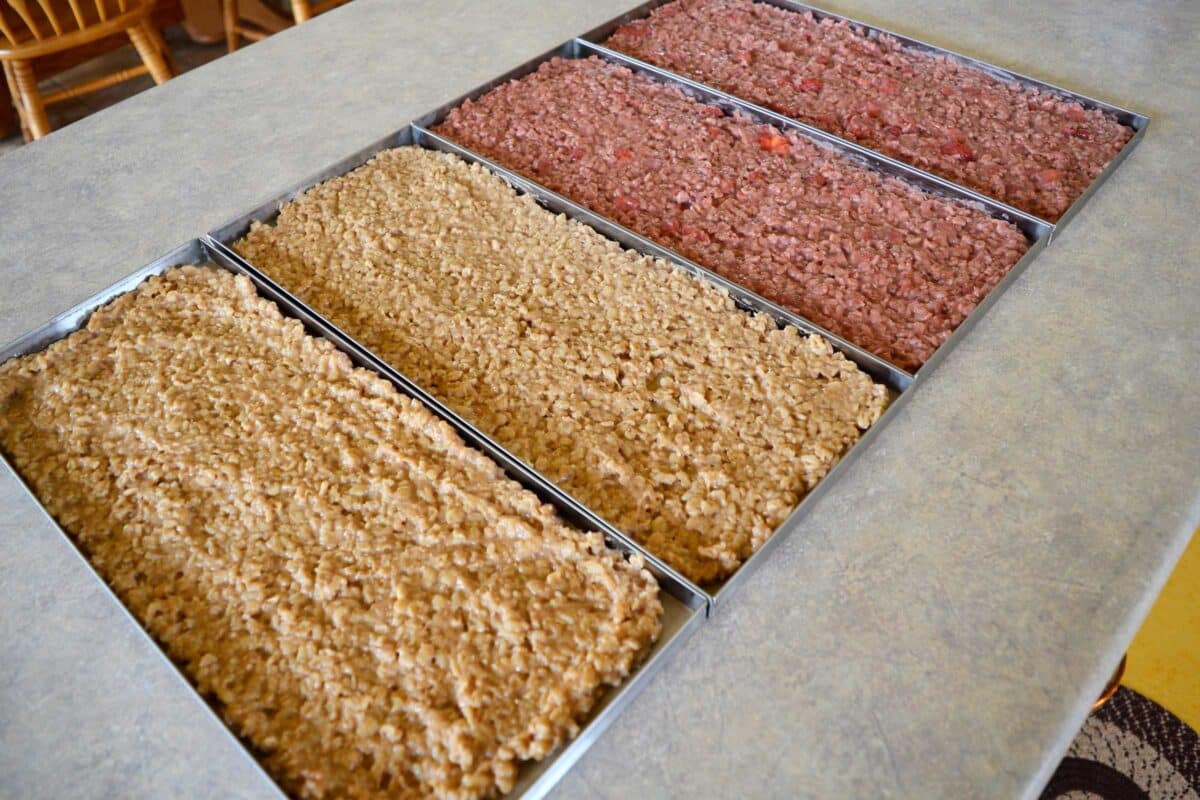
You can grind freeze dried fruits and vegetables into colorful powders for smoothies, baked goods, or natural food coloring.
What Foods Shouldn’t You Freeze Dry?
Not everything belongs in a freeze dryer.
High-fat foods are poor candidates because fat doesn’t freeze dry. Butter, cooking oils, peanut butter, and very fatty meats may spoil or become rancid during storage.
I learned this the messy way when I tried freeze drying precooked pork sausage patties. The fat melted and coated the inside of the machine.
High-sugar foods can also be troublesome. Honey, syrup, and many jams remain sticky because sugar interferes with moisture removal.
Other foods, including some baked goods and dense, thick portions of food, may dry unevenly.
Freeze drying also doesn’t sterilize food. Bacteria and other microorganisms can survive the process and become active again when moisture returns.
For food safety, use good sanitation practices, cook foods that require cooking, and make sure everything is completely dry before packaging. Treat rehydrated raw foods as raw foods.
For more guidance, see Utah State University Extension’s guide to safe freeze drying.
How Long Does Freeze Dried Food Last?
Commercially freeze dried foods sometimes advertise a shelf life of up to 25 years. However, that doesn’t mean everything you freeze dry at home will remain in good condition for decades.
Proper drying, packaging, and storage conditions all affect shelf life. High-fat foods are especially prone to rancidity, and even well-preserved foods can gradually lose flavor, color, and nutritional value.
Our Experience Storing Freeze Dried Food
We’ve had mixed results with long-term storage.
Some of the freeze dried foods we packaged in Mylar bags and stored in our basement storage area have picked up moisture over time. That’s disappointing, especially considering the work involved in processing them.
In contrast, the foods we vacuum sealed in glass jars have remained dry. However, we’ve noticed that their colors have faded over time, even though the lights in our storage area are only on occasionally.
Based on our experience, I recommend:
- For long-term storage: Use quality, high-barrier Mylar bags with appropriate oxygen absorbers, then place the sealed bags inside airtight containers, such as five-gallon buckets with gasketed lids.
- For foods you’ll use regularly: Vacuum-sealed glass jars are convenient because you can see the contents and easily inspect their condition. Keep them protected from light.
- For all freeze dried foods: Store in a cool, dark, dry location. Lower, stable temperatures help preserve quality.
The bucket provides an extra layer of protection, but it won’t make up for a poor seal or packaging that allows moisture through.
Rotate Your Freeze Dried Foods
One of the biggest mistakes people make with long-term food storage is putting food away and forgetting about it.
A friend recently told me about people who purchased a freeze dryer, filled their pantry with freeze dried food, and then stopped using the machine and largely ignored their stored food. I worry about what they’ll find when they finally open those packages.
We recommend rotating freeze dried foods just like canned goods, frozen foods, and other pantry staples.
Use the oldest packages first, inspect your storage periodically, and replace foods as you use them. Try rehydrating some of your stored foods occasionally, too, so you know how they taste and how to prepare them.
The goal isn’t simply to store food for 25 years. It’s to have good food available when you need it. (Just because it’s safe to eat old food doesn’t mean that it’s optimal to eat old food.)
If you discover moisture, mold, unusual odors, or other signs of spoilage, discard the food rather than tasting it to see whether it’s still good.
Comparing Home Freeze Dryers: Harvest Right, Blue Alpine, and StayFresh
When I purchased my first freeze dryer in 2016, Harvest Right was one of the few practical choices for home users.
Today, there are several manufacturers worth considering.
| Brand | Main advantages | Things to consider |
|---|---|---|
| Harvest Right | Wide selection of machine sizes from small countertop to commercial, established home-user community, oil-free pump options. | Compare pump upgrades, accessories, and electrical requirements. Some quality control and customer service issues as the brand has expanded. |
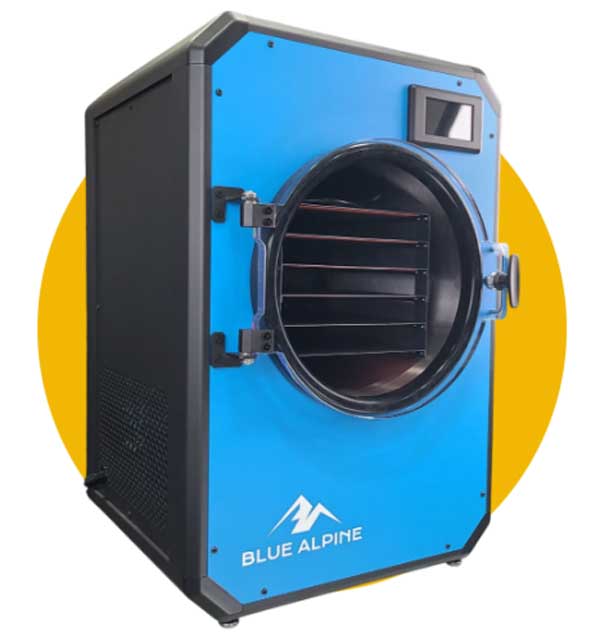
| Blue Alpine | U.S.-assembled machines, generous tray space, standard baking-sheet-style trays on certain models. Right to Repair – it’s easy to order replacement parts, if needed. | Fewer household size choices; check pump and circuit requirements. Well rated customer service. |
| StayFresh | Multiple machine sizes from small countertop to Mega, generous drying capacity, different pump packages. Lifetime free technical support. | Compare overall dimensions, service options, and warranty coverage. Discounts available for military, first responders, and teachers. |
All three brands offer machines capable of preserving substantial quantities of food. Both Harvest Right and StayFresh now have small countertop units available for order at a lower price point.
The best choice depends on how much food you want to process, how much room you have, and how frequently you’ll use the machine.
Before purchasing, compare:
- Batch capacity: How many pounds of fresh food fit in one load?
- Electrical requirements: Does the machine need a dedicated 15- or 20-amp circuit?*
- Vacuum pump: Does it require oil changes, and what maintenance is involved?
- Dimensions: Is there room for the machine, pump, drainage, and ventilation?
- Warranty and service: What parts are covered, and how are repairs handled?
Prices and model specifications change, so check the manufacturers’ current information before ordering.
*We ended up adding a dedicated 20 amp circuit in our garage for our freeze drier after my husband tripped the breaker by using the garage door opener while the freeze dryer was running.
Disclosure: The links below are referral links. If you purchase a freeze dryer through one of these links, I may earn a commission at no additional cost to you. Your purchases help support Common Sense Home and allow me to continue sharing practical food preservation information. Thank you for your support!
Shop Blue Alpine Freeze Dryers
Check out Harvest Right Freeze Dryers
Is a Home Freeze Dryer Worth the Money?
Home freeze dryers cost thousands of dollars, plus electricity, packaging supplies, and occasional maintenance. They also require substantial space and make noticeable noise while operating.
For occasional food preservation, canning, freezing, or dehydrating may be more economical.
But a freeze dryer may be a worthwhile investment if you regularly preserve large harvests, want lightweight meals for camping or travel, or prefer to store homemade foods without refrigeration.
One of my favorite benefits is having quick meals available when life gets busy. We’ve freeze dried homemade fajita filling, casseroles, soups, pulled beef, taco meat, and other family favorites. For a quick meal, we can add water, heat, and serve.
Home freeze drying also gives you control over ingredients. This is especially helpful for families managing food allergies or sensitivities. Also, most pre-made freeze dried meals are light on protein. You can dry meat separately to add to other foods, or bump up the protein ratio in prepared meals.
If you want a freeze drying cookbook, Freeze-Drying the Harvest by Carolyn Thomas looks like a safe bet. Carolyn’s been a part of the online homesteading community for years. As a mother of 11, she spends a lot of time in the kitchen.
For a closer look at operating expenses, see Harvest Right Freeze Dryer – Cost Analysis and Optimizing Load Size.
Freeze Dryer Maintenance and Placement
A freeze dryer is more complicated than a typical kitchen appliance. Most models include a refrigeration system, stainless steel drying chamber or trays, vacuum pump, and drainage system.
Choose a location with adequate ventilation, a suitable electrical circuit, and enough room to access the equipment. We keep ours in the garage, where the noise is less noticeable.
Ambient temperature matters, too. Extremely hot conditions increase processing time, while freezing temperatures can damage components if water remains in the system.
Oil-based vacuum pumps require maintenance, including oil changes or filtering. Oil-free pumps generally cost more but reduce routine oil handling. Follow the manufacturer’s maintenance schedule rather than assuming all pumps require the same care.
For more information, see Harvest Right Freeze Dryer Oil Change and Filtering.

Is Freeze Drying Right for Your Household?
I appreciate freeze drying because it adds another option to our food preservation toolbox. It doesn’t replace canning, dehydrating, root cellaring, or freezing. Each method has advantages.
For example, I still prefer canned foods for many everyday meals, dehydrating for certain herbs and snacks, and root cellaring for crops that store naturally.
Freeze drying shines when we want lightweight foods, quick meal ingredients, or long-term storage without relying on electricity after processing.
If you’re considering a machine, think about what you actually eat and how often you’ll use it. A freeze dryer that sits idle isn’t much of an investment.
If you’re just getting started with food preservation, see Home Food Preservation – 10 Ways to Preserve Food at Home. And for more ideas on building a practical pantry, explore our food storage and preparedness resources.
About the Author

Laurie Neverman is the creator of Common Sense Home and author of Common Sense Preparedness. Raised on a Wisconsin dairy farm, she has decades of hands-on experience with gardening, cooking, and food preservation. She’s been using a home freeze dryer since 2016 and shares practical ways to build a more resilient and abundant household.
Originally published in 2016, last updated in 2026.
so In case of elect outages for extended time. I would like an alternative my to filling my freezer just to lose during next storm. Can we freezedry instead of reg freezer our meats (and how)
Freeze drying isn’t a one to one match for freezing. There’s no method that will give you the exact same quality as a freezer.
Some people freeze dry large whole cuts of meat, but it’s difficult to get the interior completely dry. I prefer to freeze dry meat that’s completely cooked and in small pieces. It’s easier to dry, and easier to prepare from dry. (It dries faster and rehydrates faster.)
For instance, we’ve done ground beef (seasoned and plain), fajitas, chopped ham, chopped chicken, and shredded beef. Lean, thin beef patties work fairly well, too. We also freeze dry casseroles and soups that contain meat.
Fat does not freeze dry well, so it’s important to work with lean meat.
Canning is another alternative for food storage. With a pressure canner, you can safely can meat chunks and ground meat, as well as canning safe recipes that contain meat.
Thank you for this very informative article. I found it in looking for ways to put up pears that a neighbor gifted us. Just to be clear, do we have to freeze the food before putting it in the dehydrator? I ask as you recommended a special freezer also. Will a regular freezer work?
This article specifically talks about home freeze drying, which requires a dedicated device called a freeze dryer. You cannot freeze dry food with a freezer and a dehydrator. Regular freezers don’t get cold enough to freeze dry, and you need a vacuum pump and thermocycling and it’s a rather complicated process.
For your pears, I recommend checking out the article 9 Ways to Preserve Pears, Plus Tips to Prevent Browning.
To dehydrate pears, see Dehydrating Pears (with tips for prep and storage).
“add a vacuum pump that can suck the stripes off a zebra” LMAO
But seriously, thank you for the well-put-together piece here. Very informative and I’m still on the fence with the freeze drier as I read and understand more. It’s also nice to know Harvest Right is standing behind their units for 3 years.
As I note in the article, it’s like any piece of equipment, only worth the investment if you use it. Some people cover the cost of the freeze dryer purchase by freeze drying foods for others, or selling freeze dried food. (A local friend did this.)
Lately we’ve been using ours to freeze dry excess eggs for winter use, as the duck patrol stops laying entirely for winter, and the chickens don’t lay very much. I’ve been considering upgrading to one of the new models, but our original is still working, so no rush on that.
Our local Costco has the small Harvest Right freeze drier, and your article will help us decide.
Do you happen to have the recipe for the Berry Yogurt bites that are freeze dried? I tried clicking on it but got nothing.
It’s just layered berry puree and yogurt.