
Colostrum Benefits – Gut Health, Immunity & More

This post may contain affiliate links. Read my full disclosure here.
If you’ve spent much time around newborn farm animals, you know how important that first feeding is. Before a calf is ready to explore the pasture, it needs colostrum, the nutrient-rich first milk that helps give its immune system a healthy start.
Colostrum is sometimes called liquid gold, and for good reason. It’s packed with antibodies, proteins, and other compounds that help protect newborn animals during their first days of life.
But colostrum isn’t just for babies anymore. Bovine colostrum supplements are becoming increasingly popular for adults, with claims ranging from better gut health and immune support to improved athletic performance and healthy aging.
So, is colostrum worth trying? Let’s look at what makes it special, what the research says, and what I’ve noticed while trying it myself.
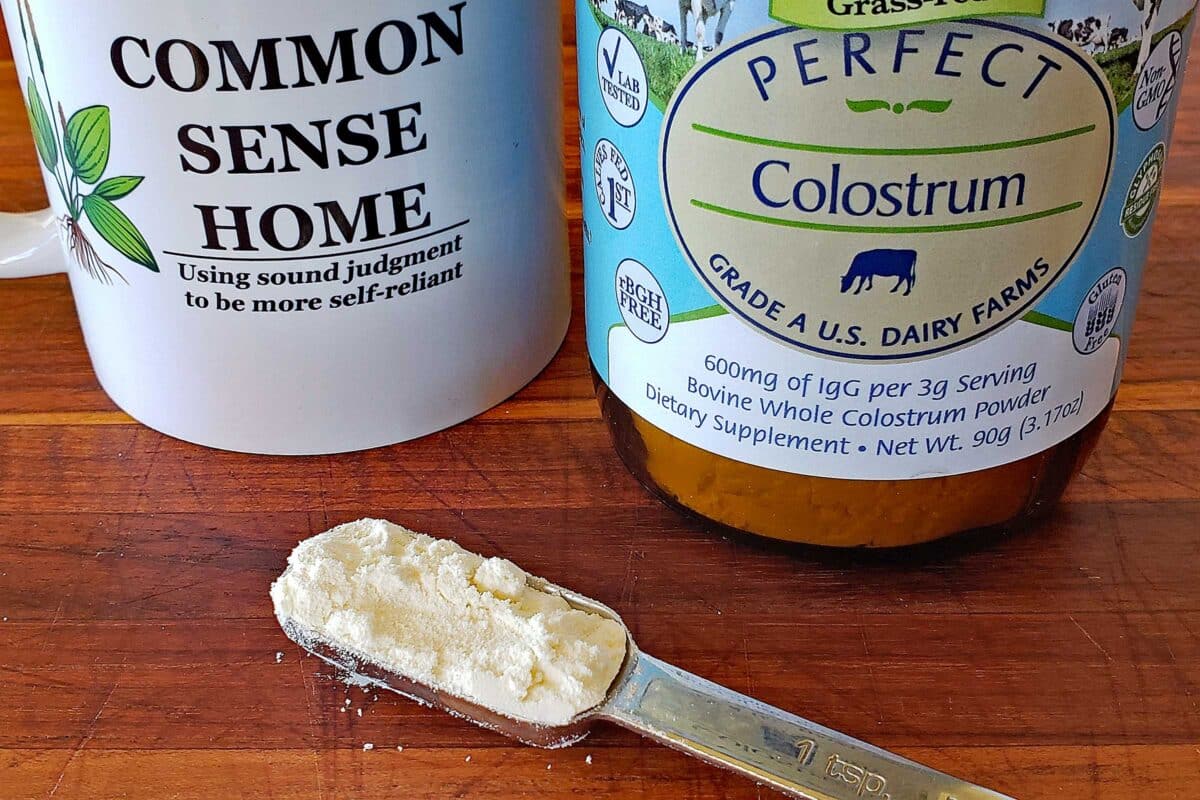
Table of Contents
What Is Colostrum?
Colostrum is the first milk produced by mammals after giving birth. Cows, goats, sheep, and humans all produce colostrum, although its composition varies by species.
Compared to mature milk, colostrum is thicker, often yellowish, and contains high concentrations of antibodies and other protective compounds.
In cattle, producing colostrum begins before the calf is born. The first milk is especially important because newborn calves don’t receive much antibody protection from their mothers before birth. Instead, they depend on drinking colostrum during their first hours of life.
Growing up on a dairy farm, I learned early on that making sure a newborn calf got its colostrum was one of the most important parts of caring for it. Human colostrum serves a similar protective purpose, although human babies receive antibodies through the placenta before birth as well.
Most colostrum supplements are made from colostrum from cows. The liquid is carefully dried into a powder that can be mixed into beverages or added to foods.
What Makes Colostrum Different from Regular Milk?
Regular milk is nutritious, but colostrum has a different job to do. Think of mature milk as everyday nourishment, while colostrum provides extra support during those vulnerable early stages of life.
Along with protein, vitamins, and minerals, colostrum contains a remarkable collection of biologically active compounds.
Some of the most interesting include:
- Immunoglobulins: These antibodies help recognize and defend against harmful microorganisms. Bovine colostrum is especially rich in IgG.
- Lactoferrin: A protein that binds iron and plays a role in immune defense and controlling microbial growth.
- Growth factors: Including insulin-like growth factor, epidermal growth factor, and transforming growth factor (TGF-β). These help regulate cell growth and tissue maintenance.
- Cytokines: Signaling compounds that help immune cells communicate with each other.
- Oligosaccharides: Special carbohydrates that may help nourish beneficial bacteria in the digestive tract.
Researchers are particularly interested in how these immune proteins, growth factors, and cytokines interact with the intestinal lining.
Of course, there’s an important distinction between what colostrum does for a newborn calf and what a powdered supplement might do for an adult. Our digestive systems and nutritional needs are quite different. Still, the research is interesting.
5 Potential Colostrum Benefits
1. Colostrum May Help Support Gut Health
Of all the potential benefits of colostrum, this is one I find especially interesting. Our digestive tract does much more than break down food. The intestinal lining also acts as a protective barrier, allowing nutrients to pass through while helping keep unwanted substances out of the bloodstream.
Under certain circumstances, including illness, intense exercise, and physical stress, that barrier can become more permeable than normal. Researchers have been studying whether bovine colostrum supplementation can help maintain a healthy intestinal barrier.
A 2024 meta-analysis of clinical trials found that colostrum reduced certain measurements of intestinal permeability. Another 2024 systematic review looked at colostrum and digestive symptoms in 1,427 participants. Many of the studies reported improvements in diarrhea frequency, although results for abdominal pain and other symptoms were mixed.
These findings suggest that colostrum may be helpful in certain situations involving digestive stress.
2. Colostrum May Give the Immune System Extra Support
When you think about what colostrum does for newborn animals, it’s not surprising that researchers are interested in its effects on the immune system. Colostrum contains antibodies and other proteins that help defend against microorganisms.
One interesting question is whether taking colostrum regularly might help adults get sick less often. A 2022 review of seven randomized clinical trials, involving 445 participants, found that people taking bovine colostrum reported fewer upper respiratory tract infections than those taking a placebo.
However, not every study has found improvements in immune function. A 2020 meta-analysis found little change in several measured immune markers among physically active adults.
3. Colostrum May Help Active People Recover
Colostrum has been used by athletes for years, with hopes that it might improve endurance, recovery, and resistance to illness during demanding training schedules.
Some studies suggest that colostrum may help protect the intestinal lining from the stress of intense exercise. That’s important because prolonged strenuous activity can temporarily affect digestion and intestinal permeability.
A 2021 scientific review discussed the potential benefits of colostrum for exercise-related intestinal stress and immune support. However, results for improvements in strength, muscle growth, and overall athletic performance have been inconsistent. I think it’s worth investigating.
4. Colostrum Contains Compounds Involved in Tissue Repair
One of the unusual things about colostrum is its collection of growth factors. These include epidermal growth factor, insulin-like growth factor, and transforming growth factor. Our bodies use these compounds as part of normal cellular maintenance and repair.
Researchers have found that certain colostrum components can influence intestinal cells in laboratory studies, which may help explain some of the interest in colostrum for gut health.
The trick is that our digestive systems break down many proteins before they can travel elsewhere in the body. How many get where they need to go and do what they need to do varies by individual.
5. Colostrum May Have a Place in Healthy Aging
As we get older, maintaining good digestion, immune function, and muscle health becomes increasingly important. It’s easy to see why a food naturally rich in protective compounds would attract attention in the healthy aging community.
A small 12 week study with older adults did find the colostrum reduced inflammation and improved immune function. It’s not a magic bullet, but could be part of a healthy lifestyle. Always start with real food, regular movement, adequate rest, and time outdoors.
Are There Side Effects from Colostrum Supplements?
Colostrum is generally well tolerated in short-term studies, but that doesn’t mean it agrees with everyone.
Some people experience mild digestive symptoms, including:
- Bloating or gas
- Abdominal discomfort
- Nausea
- Loose stools or diarrhea
Because bovine colostrum comes from cows, it contains milk proteins and some lactose. Anyone with a cow’s milk protein allergy should avoid it. People who are lactose intolerant may also have trouble with certain products.
Long-term safety studies are limited, and there isn’t enough information to establish its safety during pregnancy or breastfeeding. If you have a significant medical condition or take medications that affect your immune system, check with your healthcare professional before trying it.
What Should You Look for in a Colostrum Supplement?
If you’re considering colostrum, quality matters. Colostrum is a natural product, and its composition can vary depending on when it’s collected, how it’s handled, and how it’s processed.
Here are a few things I’d pay attention to.
Responsible sourcing: Newborn calves need colostrum. A reputable supplier should make sure calves receive what they need before collecting surplus for supplements.
Immunoglobulin content: Look for information about the amount of IgG in each serving. This gives you a better idea of the concentration of one of colostrum’s key components.
Gentle, safe processing: Some of the beneficial proteins in colostrum are sensitive to heat. Processing should balance preserving biological activity with ensuring the product is safe to consume.
Independent testing: Third-party testing can help verify purity and check for unwanted contaminants.
Simple ingredients: I prefer products without unnecessary sweeteners, artificial colors, or other additives.
It’s also worth comparing serving sizes. Some studies used much larger amounts of colostrum than those found in everyday supplements. Even a well-made supplement may not produce the same results observed in a clinical trial.
My Experience with Perfect Supplements Colostrum
Disclosure: Perfect Supplements provided a complimentary sample for me to try. I’m also an affiliate partner, which means I may earn a commission if you purchase through my links, at no additional cost to you.
Perfect Supplements is one of my longtime affiliate partners, and I’ve used several of their products over the years. When they offered me a sample of their new colostrum powder, I was curious enough to give it a try.
The flavor is mild, slightly sweet, and milky. It’s best to add it to cool or warm food or liquid, not hot. When I mixed it into my warm coffee, I got clumps. I don’t mind them, personally, but the powder mixes better into smoothies, chia pudding, iced coffee, and such.
Interestingly, I think I may be experiencing a little less bloating. I can’t say for certain that the colostrum is responsible. There are plenty of things that can influence digestion, and sometimes improvements happen for reasons we don’t fully understand. Still, it’s a pleasant possibility.
You can learn more about Perfect Supplements Colostrum on their site. Make sure to check out their recipes like “Strawberries & Cream Colostrum Smoothie” and “Creamy Chocolate Colostrum Chia Pudding”.
Is Colostrum Worth Trying?
Colostrum is one of those natural products that reminds me how much we’re still learning about the complexity of food. It’s been nourishing and protecting newborn mammals for as long as mammals have existed, yet we’re only beginning to understand whether some of those same compounds can benefit adults.
For someone who’s curious about supporting digestive or immune health, a responsibly sourced, carefully tested product may be worth exploring. As always, I favor a little curiosity, a healthy dose of common sense, and paying attention to how your own body responds.
See also:
Collagen Benefits: Healthy Skin, Joints, and More
Benefits of Sun Exposure: More Than Vitamin D
5 Benefits of Walking Barefoot
About the Author

Laurie Neverman is the creator of Common Sense Home and author of Common Sense Preparedness. Raised on a Wisconsin dairy farm and trained in mathematics and engineering, she combines practical experience with a lifelong interest in gardening, real food, natural health, and self-reliant living. She shares research-informed information and hands-on experience to help readers build healthier, more resilient lives.