
Why We Still Plant Gardens

This post may contain affiliate links. Read my full disclosure here.
This spring has tested my patience. The weather can’t seem to make up its mind. We’ve gone from freezing temperatures to summer heat in less than 48 hours. March and April brought torrential rains, and now we’ve gone weeks without significant rainfall. The plants are confused. My internal thermostat is confused.
When I was in my twenties, I could work from sunrise to sunset and still have energy left over. These days I have to pace myself. My body reminds me that I’m no longer twenty, even if my to-do list hasn’t figured that out yet.
Sometimes I look at the garden and wonder if all the effort makes sense. Maybe it’s time to cut back, or take a year off?
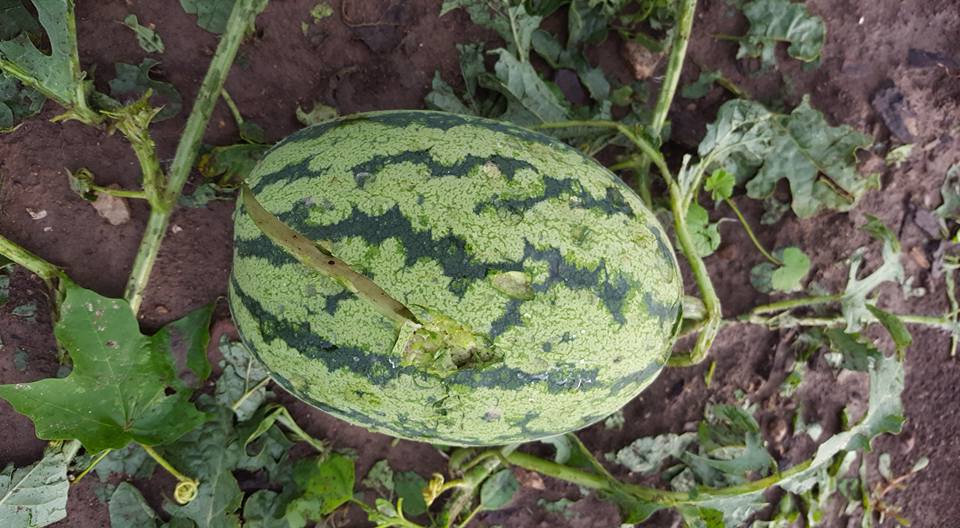
Gardening costs money. It takes time. The weather may destroy months of work overnight. I cried when we got hit with an August hail storm that split melons on the vine and shredded leaves.
Would you like to save this?
Insects arrive uninvited (though thankfully, now that our soil is improved, they rarely do much damage). Weeds never seem to miss a season (though again, with proper management, they are easier to control).
Every gardener eventually faces disappointment. And yet every spring, millions of people plant gardens anyway.
Why?
Because gardening has never been only about the harvest.
A garden is an act of faith.
When we tuck a seed or plant into the soil, we’re making a statement. We believe tomorrow matters. We believe there will be a summer worth growing for and a harvest worth gathering. We choose hope over cynicism. We choose action over reaction.
That’s not always easy.
Turn on the news and you’ll find plenty of reasons to worry. Economic uncertainty. Extreme weather. Rising costs. Political drama. A steady stream of people explaining why everything is falling apart.
The garden offers a different message – life goes on, and it can be beautiful.
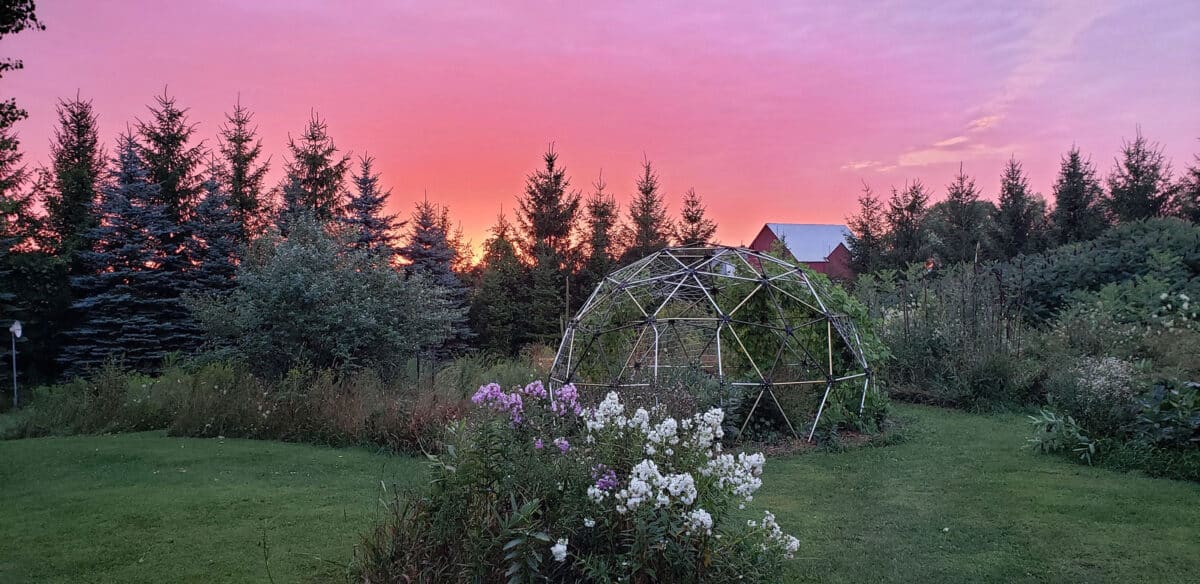
Even in this strange spring, the yard is filled with signs of life. The ducks enthusiastically “help” whenever we work the soil, darting in to grab every worm they can find. The birds are busy raising families. This year I’ve identified dozens of species using the Merlin app, including a bright yellow warbler that stopped by for a visit.
And then there are the surprises that bring a smile to my face, like our fig tree producing its first fig. It’s just one small fruit, but it represents years of waiting, learning, and caring for a plant that many people would never attempt to grow in Wisconsin.
Gardens teach patience like that. Not everything happens immediately. Some rewards take years.
The soil itself tells a story. Decades of composting, mulching, cover cropping, and careful stewardship have transformed ground that once struggled into rich, living soil full of earthworms and beneficial organisms. I know the nutrient value of our produce knocks the socks off of average grocery store produce.
Building healthy soil is a lot like building a good life. You rarely notice the progress day by day. You simply keep showing up. You make small improvements. And eventually one day you realize you’ve created something valuable.
Planting gardens also connects us to the rhythms of the natural world – as does preserving the harvest. While the sun moves through the sky outside, my canning jars rotate from empty to full in the canning pantry and root cellar.
The weather may not cooperate, but nature is remarkably adaptable. Late frosts delayed planting this year, but odds are good we’ll gain some extra growing time on the back end. Long-season crops that seem hopeless in May may surprise us by October.
Perhaps the greatest gift of gardening isn’t the food at all, it’s the conversations. Some of the best discussions in our family happen while we’re working outside together. We weed, plant, harvest, and talk. Not through screens. Not through text messages. Face to face.
In a world where people often sit next to each other while staring at separate devices, gardening creates space for real connection.
You work side by side. You solve problems together.
You share stories. You notice things. You build memories.
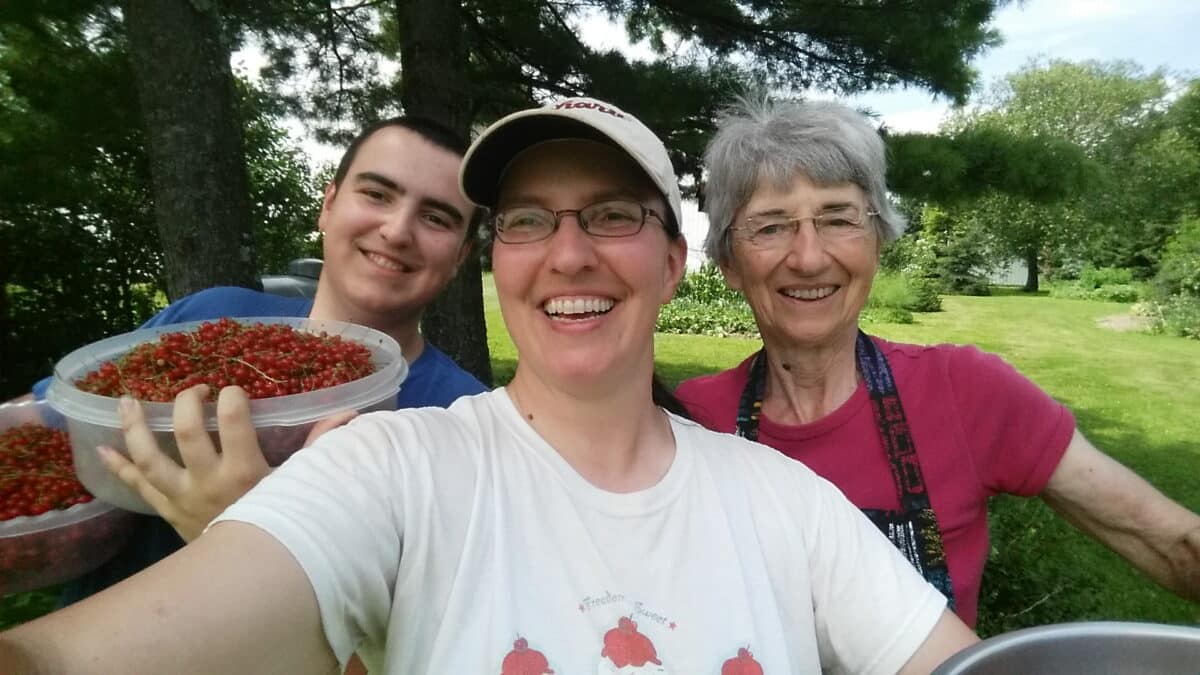
The tomatoes, beans, peas, and squash are wonderful, but those moments are harder to replace. (Of course, excellent food is also a good motivator.)
Every gardener knows the taste difference. A sun-warmed tomato picked at peak ripeness barely resembles what passes for a tomato in most grocery stores. Fresh peas are sweeter. Homegrown grapes are richer and more “grapey”. New potatoes dug from the garden still carry the scent of the soil.
The harvest nourishes more than our bodies. It reminds us that effort matters, and that good things take time. That abundance often begins with something small – a handful of seeds, a patch of dirt, a little hope.
Maybe that’s why we still plant gardens.
Not because it’s always logical, or easy. Not because success is guaranteed. We plant because gardening is ultimately an investment in the future.
It’s a declaration that tomorrow is worth preparing for. It’s a choice to participate in creation rather than simply consume. And every spring, despite the challenges, despite the uncertainty, despite the aches and pains that come with getting older, we make that choice again.
We plant.
And in doing so, we quietly affirm that life is still good, the future is still worth building, and hope is still worth growing.
You may also enjoy:
Future Food – How to Feed the World
A Homestead Night Before Christmas
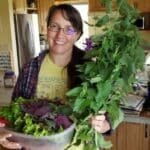
This article is written by Laurie Neverman. Laurie and her family have 35 acres in northeast Wisconsin where they grow dozens of varieties of fruiting trees, shrubs, brambles, and vines, along with an extensive annual garden. Along with her passion for growing nutrient dense food, she also enjoys ancient history, adorable ducks, and lifelong learning.
We plant gardens because that’s what God created us to do. Adam’s first job was keeping up the garden that God planted and then, imitating God in planting his own gardens.
God also gave the ancient Israelis the gift of a year of Sabbath rest each 7 years. It gives your land a year of rest where you don’t plant anything, but trust God for your food, harvest only what grows of itself and learn about His provision. This is another layer of the Sabbath day of rest every 7th day that God gave to all His creation right from the very beginning. It’s not supposed to be just a Jewish thing.
I haven’t always been motivated or trusting enough to do the Sabbath year thing, but when I do, He provides for us in marvelous ways. It’s all about learning to trust His love and care.