
Natural Stomach Flu Treatment: What Works and Why

This post may contain affiliate links. Read my full disclosure here.

The “stomach flu” isn’t really the flu at all. It’s viral gastroenteritis, most often caused by norovirus, rotavirus, or adenovirus. It strikes fast, bringing vomiting, diarrhea, and fatigue that can leave you wiped out for days.
While there’s no cure for the stomach flu, home treatments can shorten recovery time and ease symptoms. Studies suggest that probiotics, electrolyte-rich fluids, and gentle real foods help restore balance to your gut and prevent dehydration — the biggest danger of this illness.
Would you like to save this?
Table of Contents
What Causes the Stomach Flu?
Despite the name, the stomach flu has nothing to do with influenza. It’s caused by several viruses that inflame the stomach and intestines, damaging the intestinal lining and leading to watery diarrhea and vomiting.
The most common culprits include:
- Norovirus – affects all ages and spreads rapidly in households, daycares, and schools.
- Rotavirus – primarily impacts infants and children.
- Adenovirus – can cause longer-lasting diarrhea in children under two.
- Astrovirus – more common in young children and the elderly during the winter months.
You’re contagious as soon as symptoms start and may continue spreading the virus up to two weeks after recovery.
Remember to wash your hands regularly (and remind children to wash their hands). Avoid touching your mouth with unwashed hands.
Symptoms of Viral Gastroenteritis
Typical symptoms appear within 12 to 48 hours after exposure and can last from one to three days (sometimes longer).
- Watery diarrhea
- Nausea and vomiting
- Stomach cramps
- Low-grade fever
- Headache or muscle aches
- Fatigue and chills
If symptoms last longer than two days or include bloody diarrhea, persistent vomiting, or dehydration, seek medical care. You want to make sure you’re dealing with a stomach bug, not contaminated food or an intestinal infection.
Stomach Flu Treatment at Home
Most cases clear on their own, but supportive care can make a big difference in comfort and recovery. These home remedies are simple, natural, and supported by current research.
#1 – Stay Hydrated (The Most Important Step)
Dehydration is the main risk of stomach flu. Research from the World Health Organization recommends oral rehydration solutions (ORS) — mixtures of water, glucose, and electrolytes — to prevent complications.
At home:
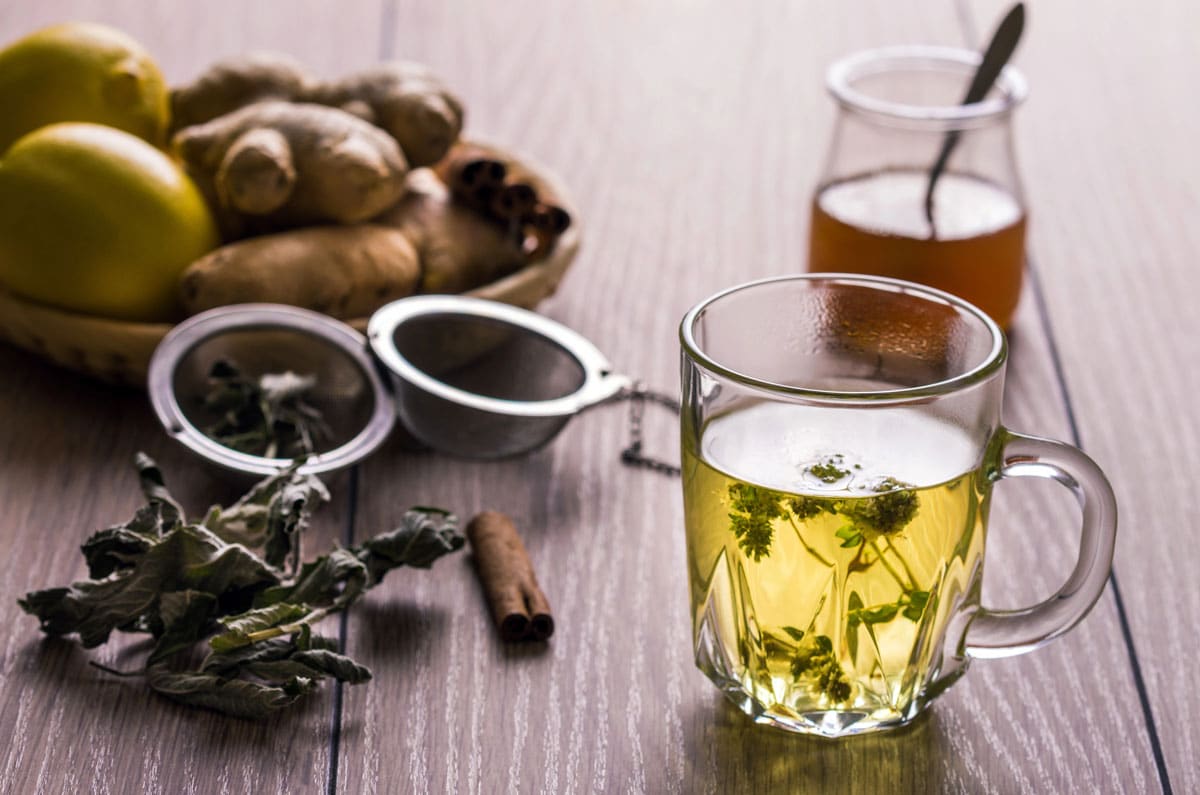
- Drink plenty of liquid, but do it slowly. Sip coconut water, switchel, homemade bone broth, or weak herbal teas (such as peppermint, ginger, or chamomile).
- Avoid drinks with high sugar, caffeine, or artificial dyes — they can worsen diarrhea.
- Take small, frequent sips instead of large gulps to reduce nausea and replace lost fluids.
Health Tip: A 2025 study found that bone broth provides amino acids and minerals that may help support gut healing and hydration.
Learn how to make homemade chicken bone broth and beef bone broth. We also explain more options for natural hydration.
#2 – Support Your Gut with Probiotics
Studies show probiotics can shorten the duration of diarrhea caused by viral gastroenteritis. Certain strains — including Lactobacillus rhamnosus GG and Saccharomyces boulardii — reduced symptoms by about one day.
Try these probiotic-rich foods:
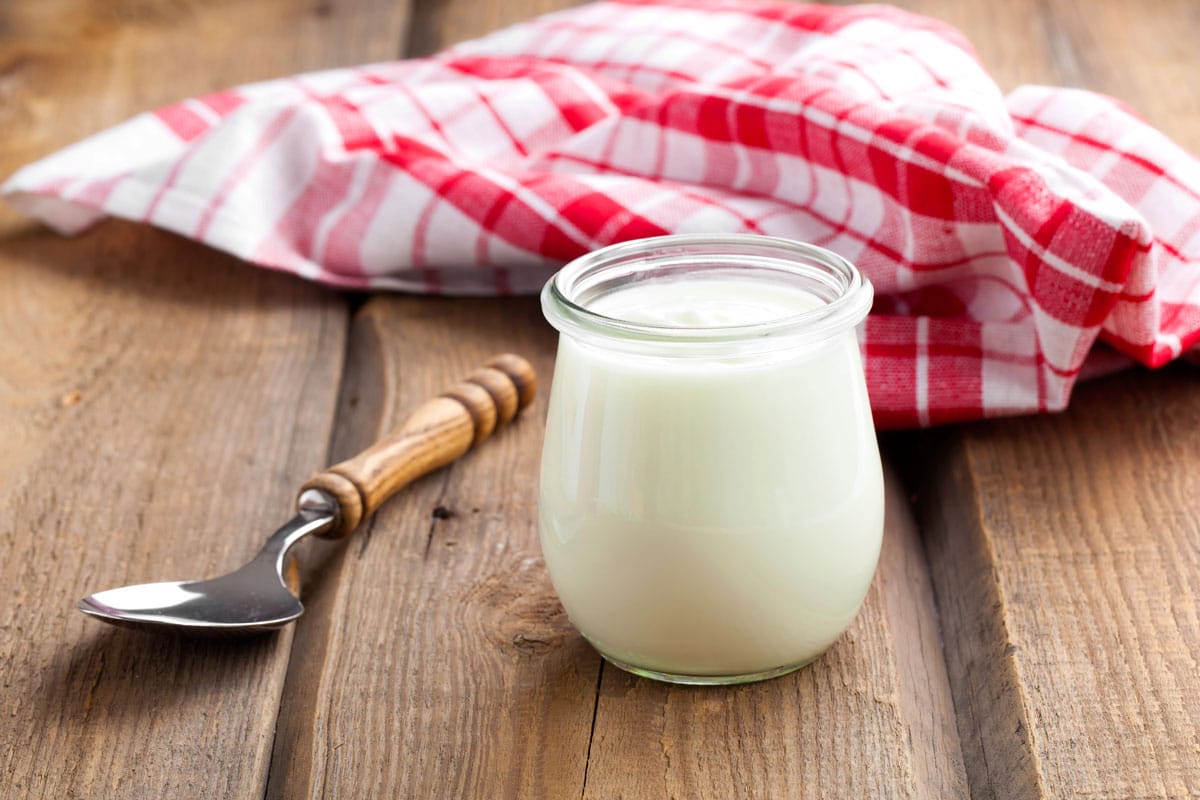
- Yogurt or kefir with live cultures
- Sauerkraut or other lacto-fermented fruits and vegetables (if you can tolerate solid food)
- Kombucha (in small amounts, 2–4 oz at a time)
- Probiotic supplements (especially useful for children and adults recovering from illness)
#3 – Eat Gentle, Healing Foods (Skip the Old BRAT Diet)
The old BRAT diet (bananas, rice, applesauce, toast) was once recommended, but it’s now considered too low in protein, fat, and nutrients for recovery.
Instead, eat light but nourishing foods such as:
- Plain oatmeal or rice porridge
- Steamed potatoes or carrots
- Yogurt or kefir
- Lean meats or scrambled eggs once vomiting stops
A 2025 study found that oral nutritional supplements don’t worsen diarrhea and may help speed recovery.
See also How to Stop Diarrhea Fast: Home Remedies That Help.
#4 – Try Chia for Soothing Hydration
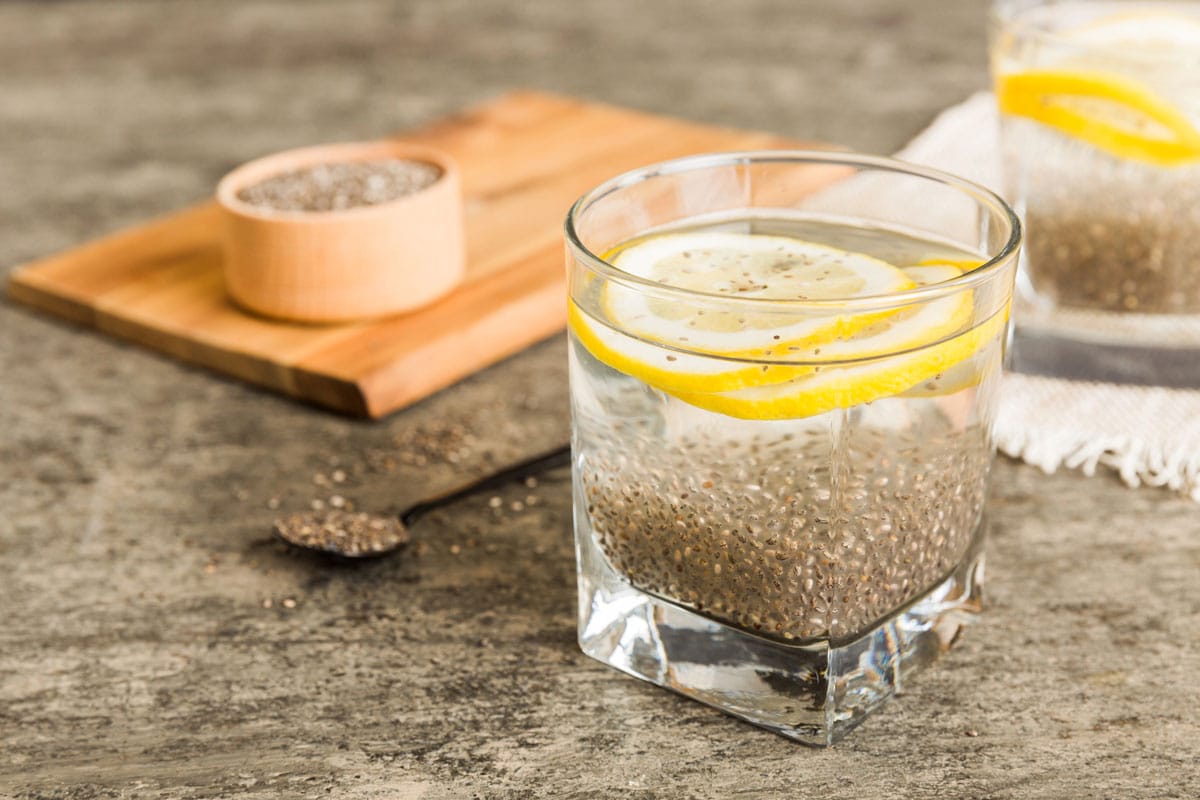
Chia seeds absorb up to 12 times their weight in water, forming a gel that can gently rehydrate and soothe the digestive tract. They also help slow fluid loss during recovery.
Chia Fresca Recipe
- 1 tablespoon chia seeds
- 10 oz water
- 2 tsp lime juice or 1 tbsp lemon juice
- 1 tsp sugar or stevia (optional)
Mix and let stand for 10 minutes before drinking.
#5 – Rest and Rebuild
Give your body time to heal. Warm baths with Epsom salts or a hot compress over the abdomen can ease muscle soreness and cramps once active symptoms subside.
Gentle movement or stretching helps once energy returns, but pushing too soon can trigger a relapse. Think “nourish and rest” — not “power through.”
Why Antibiotics Don’t Help
Because viral gastroenteritis (stomach flu) is a viral infection, antibiotics won’t help. They may even disrupt gut bacteria further. If your symptoms are severe or persist longer than expected, see a doctor to rule out bacterial food poisoning or another cause.
When to Call a Doctor
Seek medical attention if you experience:
- Signs of dehydration (dry mouth, dark urine, dizziness)
- Persistent vomiting or diarrhea lasting more than 48 hours
- High fever (over 102°F)
- Blood in stool or vomit
- Symptoms in infants, elderly adults, or anyone with a weakened immune system
The Bottom Line
Most stomach flu cases resolve on their own, but proper hydration, probiotics, and gentle nutrition can help you recover faster and feel better sooner.
Stick to clean fluids, probiotic foods, and real nourishment — not sugar-loaded sports drinks or restrictive diets — and let your body do what it was designed to do: heal itself.
More Help for Cold and Flu Season
If you’ve found this post helpful, you may also enjoy the other posts in this series:
- Probiotics for Colds and Flu – Fewer Symptoms, Faster Recovery Time
- The Best Supplements to Prevent and Treat Cold and Flu
- Copper Kills Germs (Here’s How to Use it At Home)
See also – treatments for coughs, congestion, earaches and sore throat.

This article is written by Laurie Neverman. Laurie is a lifelong learner with a passion for natural remedies and holistic healing. She’s successfully improved her eyesight and cleared her psoriasis.
Originally posted in 2012, last updated in 2025.
Where I came from, a simple veggie or chicken broth with a spoonful of miso added just before serving is the go to remedy for illness involving intestinal symptoms. If you are too wiped out to cook, just very hot water with a couple of heaping teaspoons of miso does the job. A little fresh grated ginger root or a pinch of ginger powder gives it a little more zing, flavor and herbal benefit. Traditional miso is made with cooked soybeans cultured with rice that has been inoculated with a beneficial variety of aspergillus spore, referred to as “koji”, that is an aid to digestion, and sea salt. Most traditional miso is made with soybeans, rice and koji, some are made with a combination of beans fermented with the soybeans , but in recent years some companies make a great , delicately flavored chickpea miso with no soybeans that also uses rice koji. I am very reactive to a number of molds, but miso has never been a problem. Two excellent organic miso makers who offer organic chickpea miso without soybeans are Great Eastern Sun and South River. Exact recipes vary. Both companies sell their miso via retailers and online.
I have lived in Wisconsin long enough that when I saw the term “BRAT” I was intrigued that bratwurst, in addition to it’s many alluring charms, was therapeutic! Those foods would definitely not have worked for me during my dysbiosis days!
A further word of caution regarding the use of fiber: The liquid fibers are helpful for me in keeping a regular bowel pattern. With a gut that is still a bit sensitive, the roughage or bran types of fiber can be very irritating, causing mild irritation to cramping. Dysbiosis can be a lifetime adventure!
How about bone broth… something that will help heal your gut, I love the chia recommendation.
Yes, that would be in the #1 recommendation “Stay with soothing drinks like mint or chamomile tea, or restorative ones like coconut water or bone broth. Broth contains nutrients and minerals that aid healing. For my broth recipe, shown at the top of the post in a batch of chicken soup, visit How to Make Homemade Chicken Broth.”
Just a correction from a quote above. Fiber actually helps your gut move more and brat diet is LOW fiber which would slow the movement of things ????
I’m sick with the stomach flu and your post about the stomach flu was very helpful & useful. Thank you!
You’re welcome. I hope you feel better soon.
Most dormant symptoms of the stomach ache are the shooting pain in the abdomen.
The problem with the BRAT diet is the banana and rice cancel each other out. You either use one or the other. In a homeopathic diet you use rice for diarrhea and banana’s for constipation. This is what we used to use for our infant son’s diet when he got sick as well with a stomach issue.
I didn’t know that the reason why my son have stomach ache that come and go is because of stomach flu. Thanks for sharing Laurie.
My daughter and grandson were visiting for Christmas, and as soon as they got back home home, (actually, my grandson was sick when they first got here, as his normally good mood was gone and he threw tantrums that were not like him at all) they both got horribly sick. As soon as my daughter texted me about this, I began taking vitamin C and zinc every hour on the hour. I did this for 4 days, and I never got sick, but everyone else they came in contact with did.
Thanks for sharing your experience, Carol. (Sorry everyone else got sick, but glad that you didn’t.)
Yes! Vitamin C (not ascorbic acid) on the hour. 1000mg to bowel tolerance and cut in half the following day. It really works. “Doctor yourself” protocol.
I also think activated charcoal is a blessing to have on hand. I was out of VIT c and gave AC to the older ones that would accept it, and they were barely sick compared to the others.
Yoghurt and other acid foods and beverages (like lime for example) can actually worsen the nausea and the vomiting.
Lime, lemons, oranges are alkaline forming