
Best Pumpkin for Pie – Our Favorite Baking Varieties

This post may contain affiliate links. Read my full disclosure here.

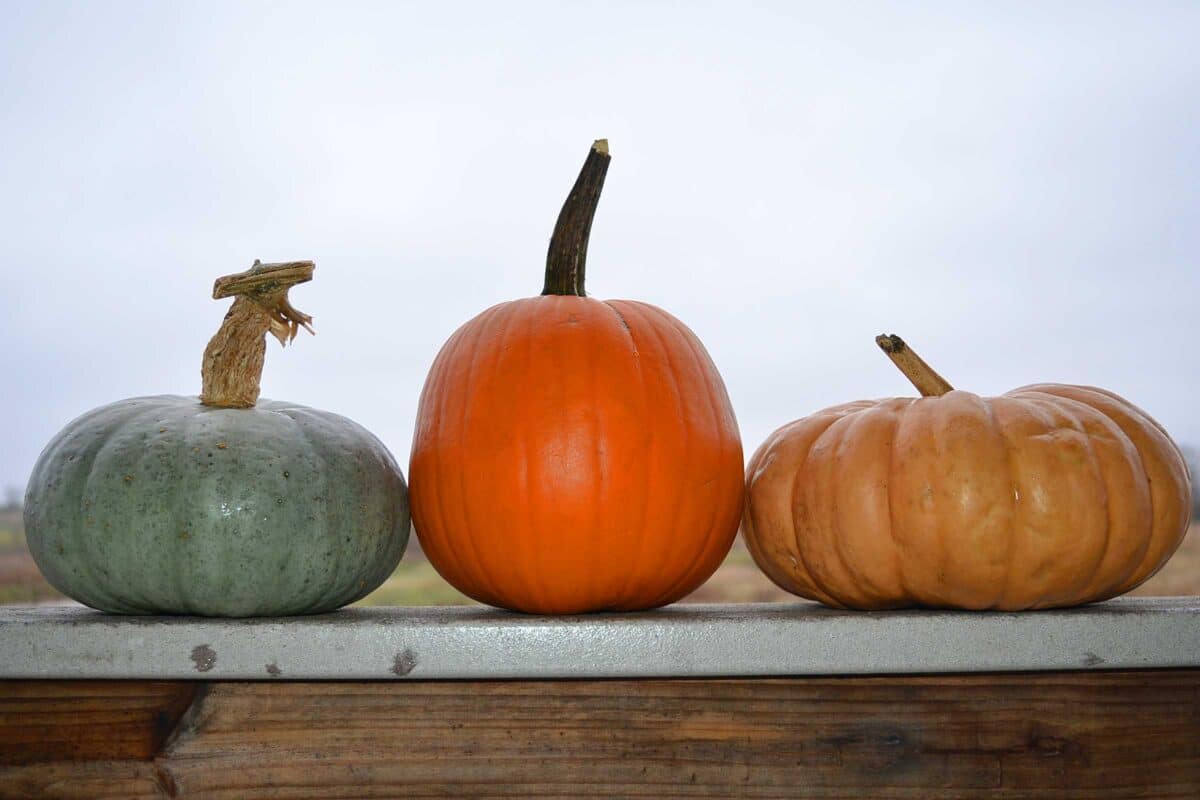
What’s the best pumpkin for pie? After decades of growing and cooking with pumpkins and winter squash, I’ve found that some of the best pumpkin pies aren’t made with traditional orange pumpkins at all.
Some of our favorites include Dickinson pumpkin, Long Island Cheese pumpkin, Sweet Meat squash, and Waltham Butternut. These varieties have dense, flavorful flesh that makes rich, creamy pumpkin pie without the excess water found in many carving pumpkins.
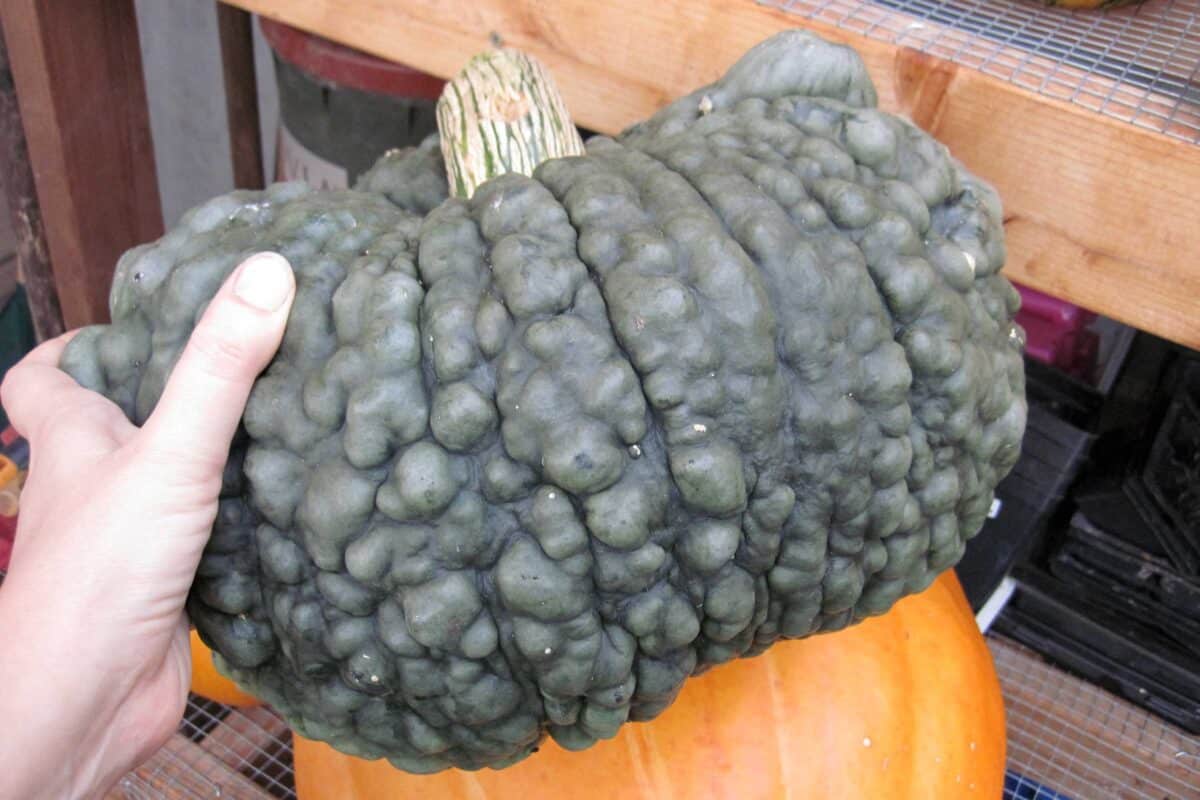
You don’t need an orange pumpkin to make a delicious pie. Some of the best baking varieties have tan, green, or blue-gray skin with deep orange flesh inside.
Here’s what we’ve learned about choosing the best pumpkins and winter squash for baking, based on years of growing and cooking with them in our northeast Wisconsin garden.
Would you like to save this?
Table of Contents
- What Makes a Good Pumpkin for Pie?
- Best Pumpkins and Winter Squash for Pie
- Pumpkin vs. Winter Squash – What’s the Difference?
- Does Orange Flesh Mean Better Pumpkin Pie?
- Can You Use Butternut Squash Instead of Pumpkin?
- How to Cook Pumpkin or Winter Squash for Pie
- Choosing Winter Squash for Your Garden
- Frequently Asked Questions
- Try These Homemade Pumpkin Recipes
What Makes a Good Pumpkin for Pie?
The best pumpkin for pie has sweet, dense flesh that cooks into a smooth puree.
Look for these qualities:
- Rich flavor: Naturally sweet flesh that complements cinnamon, ginger, and nutmeg.
- Low moisture: Dense flesh produces a thick puree without excessive draining.
- Smooth texture: Fine-textured squash makes a creamy custard filling.
- Deep orange flesh: Orange pigments give the finished pie its appealing color.
- Good storage quality: If you’re growing your own, you want squash that lasts beyond the fall harvest.
The outside color isn’t especially important. A squash with green skin may have beautiful orange flesh, while a bright orange carving pumpkin may be pale and watery inside.
Best Pumpkins and Winter Squash for Pie
These are varieties we’ve grown and used in our kitchen. Some are better for long-term storage, while others are best enjoyed soon after harvest.
| Variety | Why We Like It | What to Know |
|---|---|---|
| Dickinson Pumpkin | Smooth, flavorful puree; excellent for pie | Tan skin; good processing variety |
| Long Island Cheese | Sweet, fine-textured orange flesh | Good baking squash with vine borer resistance |
| Sweet Meat | Dense, rich flavor; plenty of flesh | Large fruits are great for batch cooking |
| Waltham Butternut | Sweet, smooth, versatile | Good keeper; vine borer resistant |
| Buttercup | Sweet, dry flesh; excellent for baking | Proven performer in northern gardens |
| Red Kuri | Rich flavor and deep orange color | Sometimes almost too dry |
| Galeux d’Eysines | Delicious, sweet flesh | Bumpy rind can complicate storage |
| Marina di Chioggia | Dense, flavorful flesh | Knobby rind can trap dirt and moisture |
| Banana Squash | Productive and tasty | Hasn’t kept especially well for us |
Our Top Four Favorites
Dickinson Pumpkin (Cucurbita moschata)
Dickinson pumpkins are elongated or somewhat oval, with tan skin and orange flesh. They don’t look like typical Halloween pumpkins, but they’re excellent for making puree.
The flesh is smooth and flavorful, making Dickinson a dependable choice for pies, muffins, and quick breads. Libby’s canned pumpkin is made with this variety. It’s also vine borer resistant.
Sweet Meat (Cucurbita maxima)
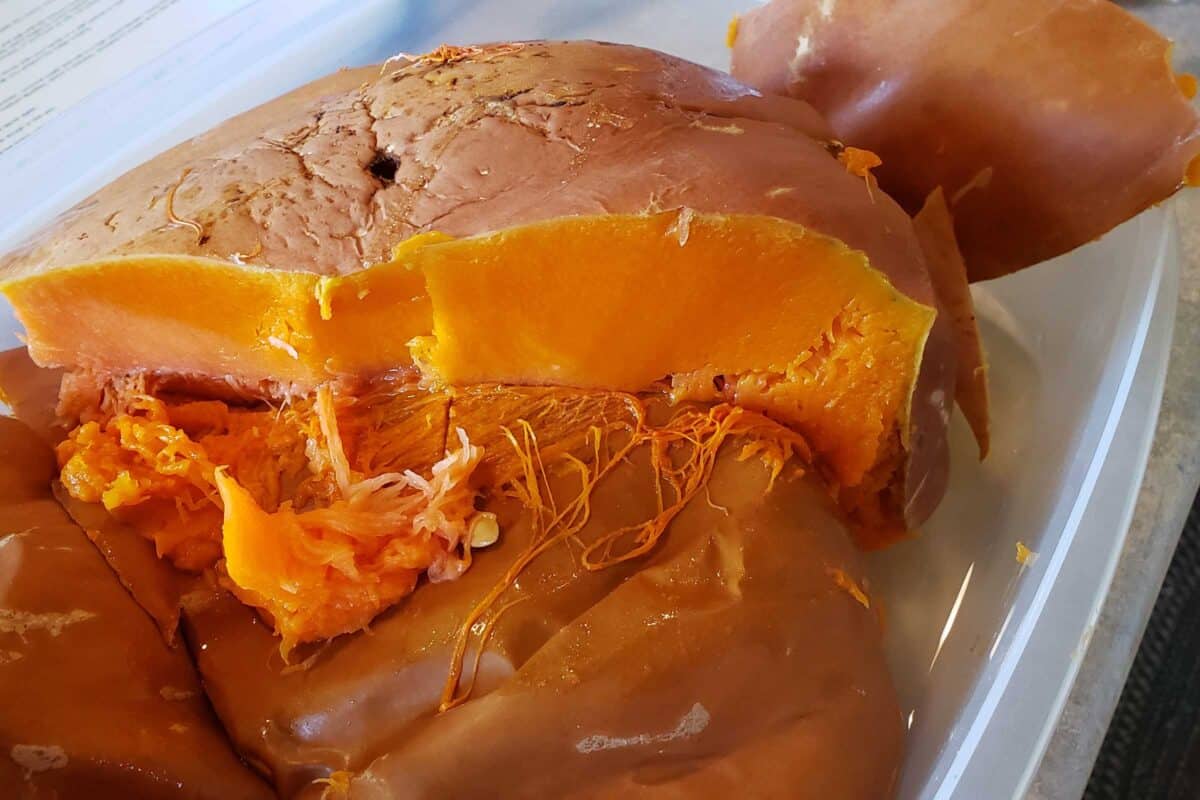
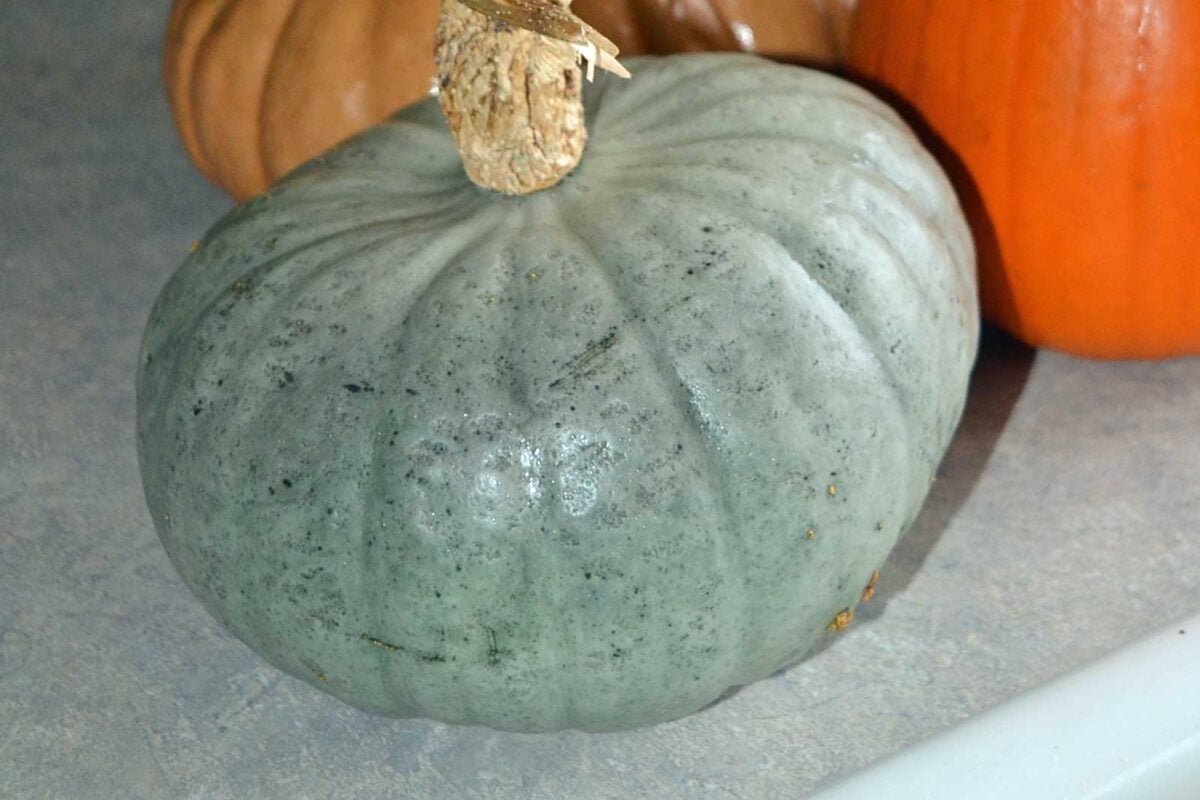
Sweet Meat squash have blue-gray to green skin with thick orange flesh inside. They’re large, flavorful, and excellent for baking. One squash can provide enough puree for several pies or batches of baked goods.
If you’re cooking for a crowd or filling the freezer, that generous yield is handy.
Long Island Cheese (Cucurbita moschata)
These flattened, buff-colored pumpkins resemble old-fashioned wheels of cheese, which explains their name. The flesh is sweet, smooth, and orange. Long Island Cheese is one of our favorite baking varieties, and its natural resistance to squash vine borers is an added benefit.
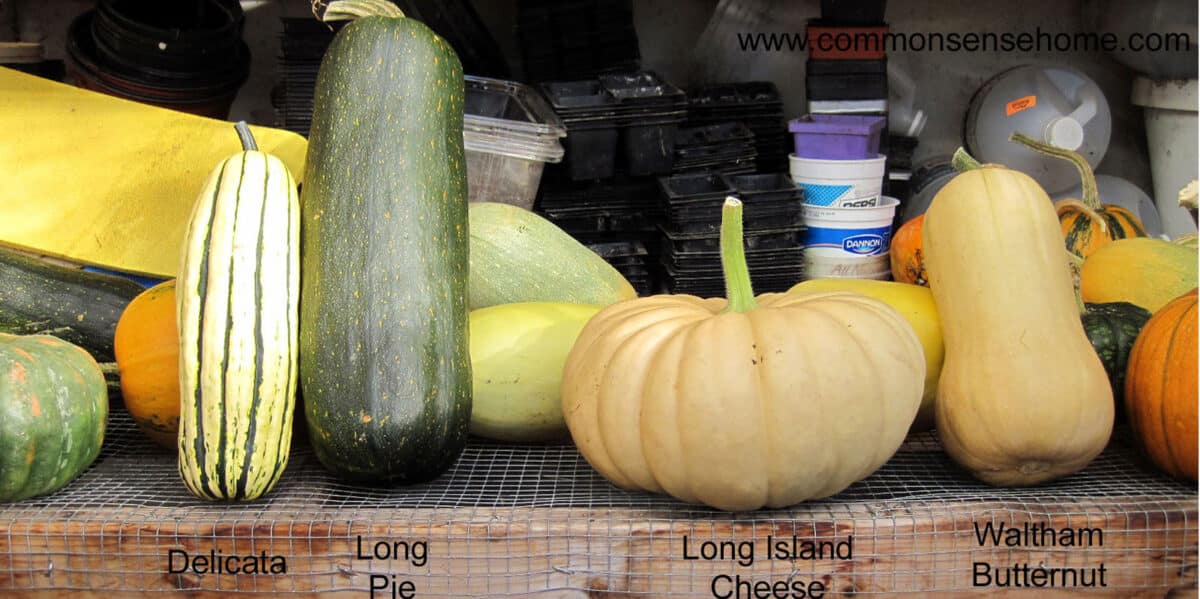
Waltham Butternut (Cucurbita moschata)
Butternut squash is one of the easiest baking varieties to find, even if you don’t grow your own. The tan skin hides sweet, orange flesh with a smooth texture. Most of the seeds are concentrated in the bulbous end, leaving the long neck almost entirely solid flesh.
Waltham Butternut is a dependable all-purpose squash for pies, soups, muffins, and roasting. It’s also a good keeper and has natural resistance to squash vine borers.
Other Favorites Worth Growing
Buttercup Squash (Cucurbita maxima)
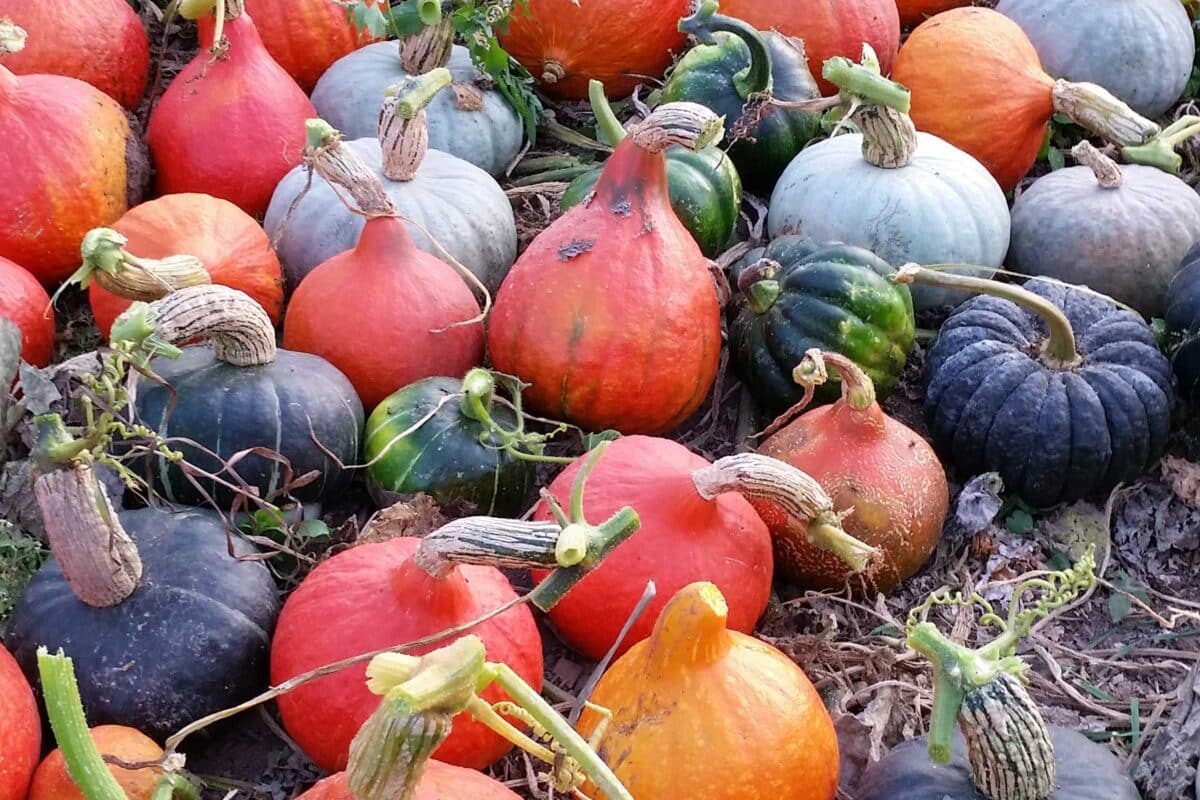
My mom grew Buttercup squash in northwest Wisconsin, where she gardened in USDA zone 3. These dark green, somewhat flattened squash have sweet, dense, relatively dry flesh that makes excellent pie. They’re a good reminder that you don’t need a long, hot growing season to enjoy homegrown winter squash.
Red Kuri (Cucurbita maxima)
Red Kuri has reddish-orange skin and deep orange flesh with a rich, sweet flavor.
It’s excellent for baking, but I’ve found that it can be almost too dry. While most homemade pumpkin puree needs draining, Red Kuri sometimes needs a little water added to blend smoothly.
Galeux d’Eysines and Marina di Chioggia (Cucurbita maxima)
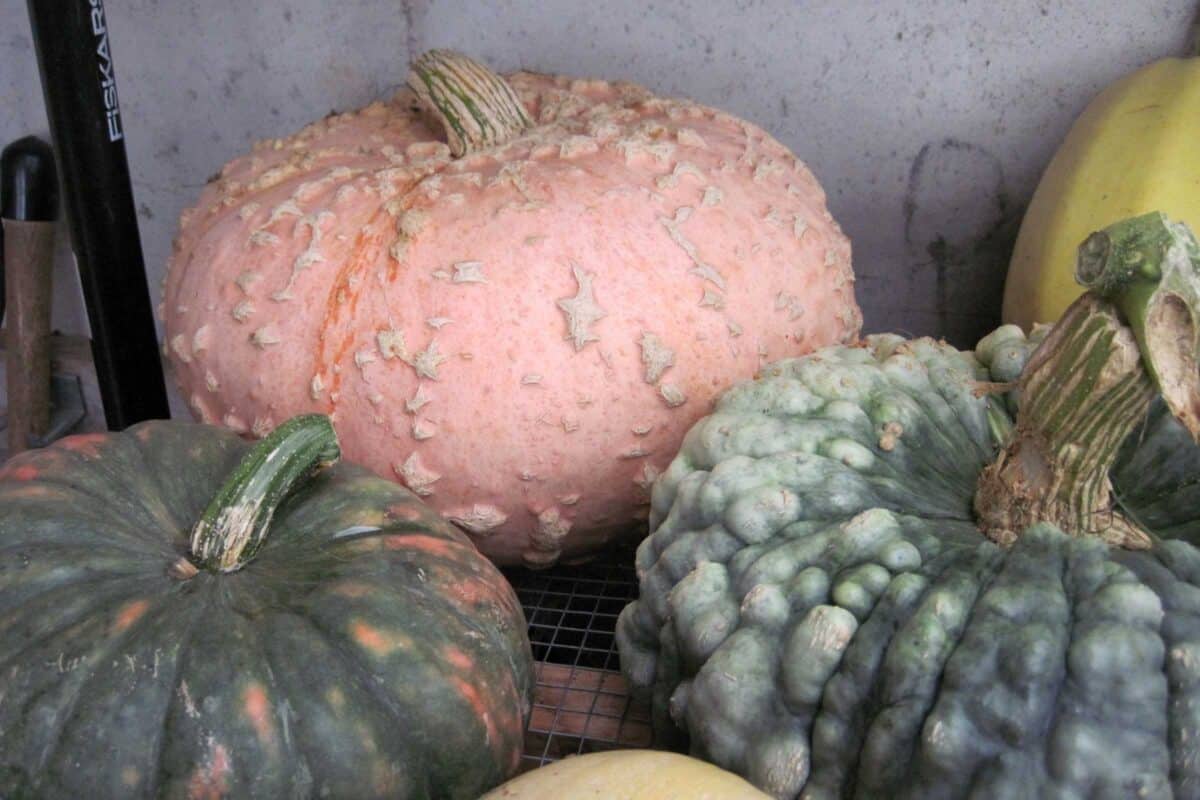
Both varieties are delicious, but their unusual rinds create some challenges. Galeux d’Eysines has salmon-colored skin covered with corky bumps. Marina di Chioggia has a deeply ribbed, knobby green rind.
In wet years, we’ve found that dirt and moisture can collect around the bumps, making these squash more prone to spoilage. I enjoy growing them, but I pay extra attention to cleaning and checking them during storage.
Banana Squash (Cucurbita maxima)
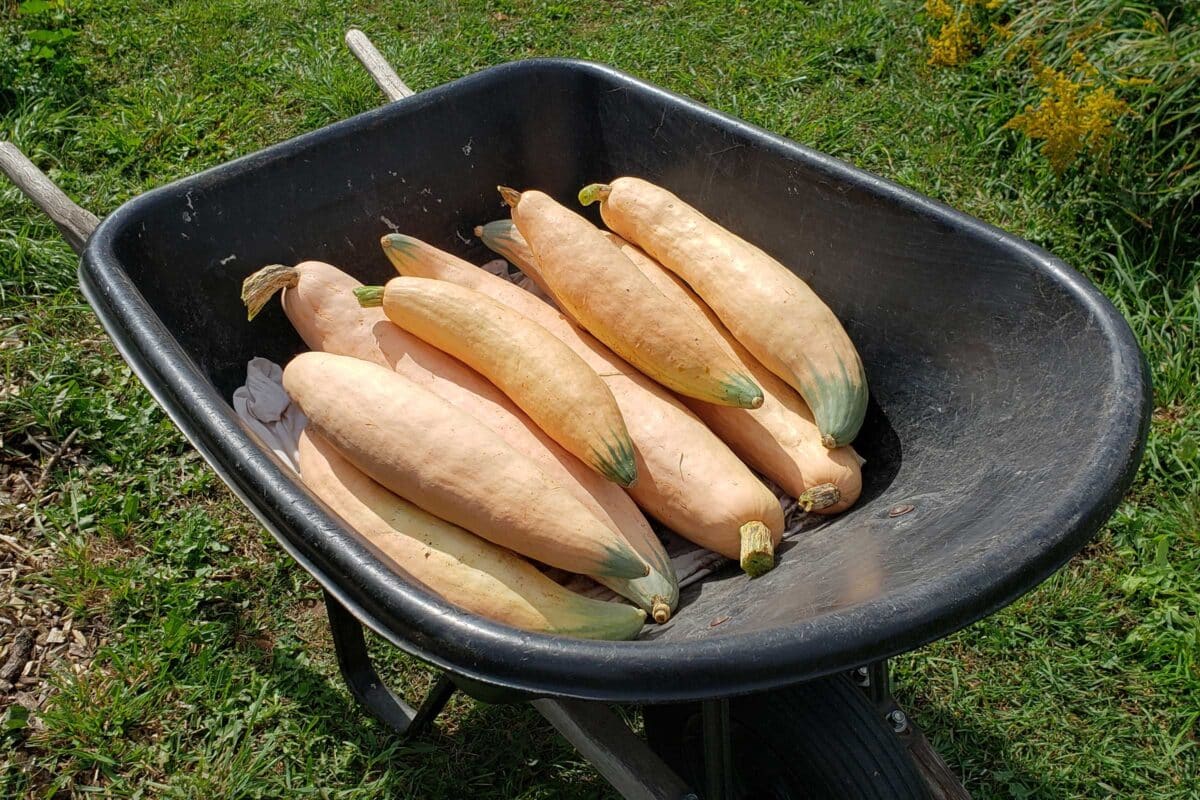
Banana squash are productive and tasty, with large, elongated fruits that provide plenty of flesh. Unfortunately, they haven’t been especially good keepers for us. I’d rather cook and freeze the puree than count on storing them until spring.
Pumpkin vs. Winter Squash – What’s the Difference?
Here’s where things get interesting. Botanically, pumpkins and winter squash are closely related. The names overlap, and the word pumpkin doesn’t refer to just one species.
Most familiar pumpkins and winter squash belong to three species:
| Species | Common Examples |
|---|---|
| Cucurbita pepo | Jack-o’-lantern pumpkins, sugar pumpkins, acorn squash, delicata, zucchini |
| Cucurbita maxima | Buttercup, Sweet Meat, Red Kuri, Hubbard, Banana squash |
| Cucurbita moschata | Butternut, Dickinson, Long Island Cheese |
Some of the best varieties for pumpkin pie are technically called squash, while others are called pumpkins even though they look nothing like a traditional orange pumpkin.
The important thing isn’t the name. It’s the flavor and texture of the flesh.
Why I Don’t Use Jack-o’-Lantern Pumpkins for Baking
There’s nothing inherently wrong with eating a carving pumpkin, as long as it’s sound, hasn’t been carved, and has been handled safely.
However, most large jack-o’-lantern pumpkins are selected for their size, shape, and appearance rather than eating quality. They often have stringier, more watery flesh and less concentrated flavor than varieties bred for cooking. Small sugar pumpkins are better suited for baking, but I still prefer many winter squash varieties.
If you’re going to spend time making homemade pumpkin pie, why not start with the most flavorful squash you can find?
Does Orange Flesh Mean Better Pumpkin Pie?
Not necessarily, but it can be a useful clue. The orange color in pumpkin and winter squash comes from carotenoid pigments, including beta-carotene. Varieties with deep orange flesh often make beautiful golden-orange pies.
However, color doesn’t tell you everything about sweetness, flavor, or texture. Some orange colored pumpkins are relatively bland, while green or tan-skinned squash may have rich, sweet flesh.
When choosing squash for baking, I pay more attention to the variety, maturity, flavor, and moisture content than the outside appearance.
Can You Use Butternut Squash Instead of Pumpkin?
Absolutely! Butternut squash is one of my favorite substitutes for pumpkin in baking. You can generally substitute thick, cooked butternut squash puree for plain canned pumpkin puree in equal amounts.
For example:
- 1 cup canned pumpkin puree = 1 cup thick butternut squash puree
- 2 cups canned pumpkin puree = 2 cups thick homemade winter squash puree
The key is matching the consistency. If your homemade puree is watery, drain it before measuring. If it’s extremely dry, add a little water until it blends smoothly.
The same approach works with Buttercup, Sweet Meat, Dickinson, and other good baking varieties.
What About Sweet Potatoes?
Sweet potatoes are another option for making a rich, creamy pie. They have naturally sweet, dense flesh and work with many of the same spices used in pumpkin pie.
That said, sweet potato pie has its own distinct flavor and texture. It’s not quite the same as using winter squash.
How to Cook Pumpkin or Winter Squash for Pie
Once you’ve chosen your squash, preparing it for baking is straightforward. I prefer roasting or baking rather than boiling because it concentrates the flavor and avoids adding unnecessary water.
The basic process is simple:
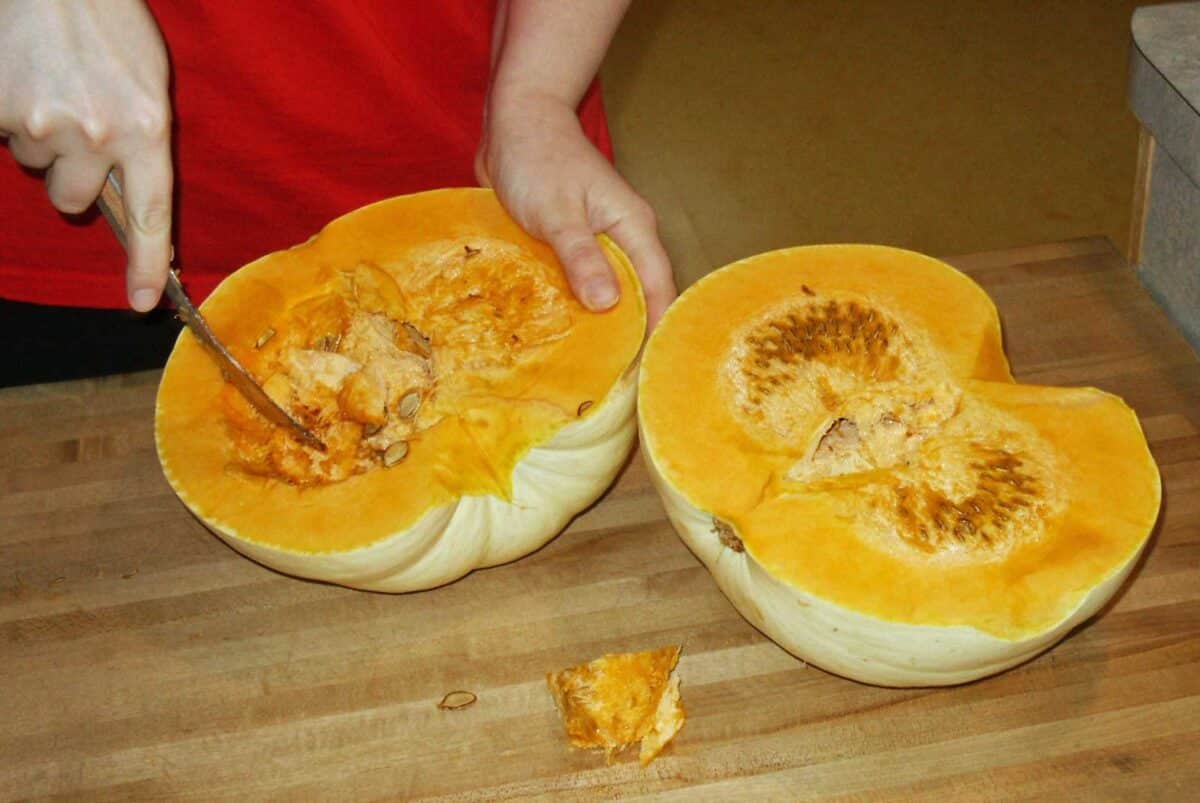
- Wash the squash and remove the seeds.
- Bake until the flesh is tender.
- Scoop the cooked flesh away from the rind.
- Mash or puree until smooth.
- Adjust the moisture if necessary.
For detailed instructions, see How to Cook Pumpkin or Winter Squash – 3 Easy Methods.
That guide covers oven, stovetop, and microwave cooking, plus tips for making smooth homemade puree. I often cook several squash at once (or one large one), then freeze the puree in recipe-sized portions.
Food safety note: Freeze homemade pumpkin or squash puree rather than canning it. There are no tested home-canning processes for safely preserving mashed or pureed pumpkin or winter squash. You may pressure can pumpkin chunks in water.
Choosing Winter Squash for Your Garden
If you’re growing your own baking squash, flavor is only part of the equation. You also need varieties that mature in your climate and store well enough to enjoy after harvest.
Consider Your Growing Season
Here in northeast Wisconsin, we have to plan around cool spring weather and fall frost dates. My mom’s success with Buttercup squash in zone 3 shows that northern gardeners can grow excellent baking squash. Check the days to maturity when selecting seeds, especially for large-fruited varieties.
Look for Squash Vine Borer Resistance (If Needed)
One advantage of Cucurbita moschata varieties is their natural resistance to squash vine borers.
Dickinson, Long Island Cheese, and Waltham Butternut are all C. moschata types. Their tougher stems make them less vulnerable than many C. pepo varieties, although they’re not completely immune.
Don’t Overlook Storage Quality
Some winter squash keep for months under good conditions, while others deteriorate much sooner. Storage depends on the variety, growing conditions, maturity at harvest, curing, and storage environment.
We’ve found that bumpy varieties can be more difficult to keep clean and dry in wet seasons. Banana squash have also been less dependable keepers for us.
For long-term storage, choose mature, undamaged squash and cure them before storage. Check fruit regularly for signs of spoilage.
See our When to Harvest Pumpkins and How to Store Them guide for more information.
Frequently Asked Questions
Is Canned Pumpkin Really Pumpkin?
Yes. Commercial pumpkin puree is often made from processing varieties that look different from traditional orange Halloween pumpkins. Some are tan-skinned Cucurbita moschata types, closely related to butternut squash.
That doesn’t make canned pumpkin fake. It simply shows how much overlap there is between plants commonly called pumpkins and winter squash.
Is Sugar Pumpkin or Butternut Squash Better for Pie?
Both can make good pie, but I generally prefer butternut squash. Its smooth, naturally sweet flesh makes a thick puree without excessive draining.
Can I Use Any Winter Squash for Pumpkin Pie?
Most edible winter squash can be used, but some work better than others. Dense, sweet varieties such as Buttercup, Sweet Meat, Dickinson, and butternut are particularly good choices.
Spaghetti squash isn’t a good substitute because of its stringy texture. (Though it works great in spaghetti squash au gratin.)
Try These Homemade Pumpkin Recipes
Once you’ve discovered how good winter squash can be in baking, there’s no reason to limit it to Thanksgiving pie.
- Pumpkin Pie with Graham Cracker Crust – Our maple-sweetened pumpkin pie with a creamy custard filling.
- Pumpkin Oatmeal Cookies – Soft cookies with cranberries and walnuts.
- Pumpkin Leather – Make pumpkin snackable with this fruit leather alternative.
The Best Pumpkin for Pie Might Not Look Like a Pumpkin
After years of growing winter squash, I’ve learned that appearance doesn’t tell the whole story. Some of our favorite baking squash are tan, green, or blue-gray on the outside, with beautiful orange flesh inside.
And while we enjoy experimenting with unusual varieties, practical considerations matter. A squash that tastes wonderful but spoils quickly isn’t necessarily the best choice for a garden meant to feed the family through winter.
Whether you’re shopping at a farmers market or planning next year’s garden, don’t limit yourself to pumpkins labeled for pie. You may discover that your favorite pumpkin pie starts with something that doesn’t look like a pumpkin at all.
What’s your favorite pumpkin or winter squash for baking? I’d love to hear which varieties have worked best in your garden and kitchen.

This article is by Laurie Neverman, author of Common Sense Preparedness and founder of Common Sense Home. Laurie grew up on a Wisconsin dairy farm and has spent over 20 years growing, storing, and cooking with homegrown produce on her northeast Wisconsin homestead. She shares practical advice based on decades of gardening and from-scratch cooking experience.