
Stevia Plant – How to Grow It & Use It

This post may contain affiliate links. Read my full disclosure here.
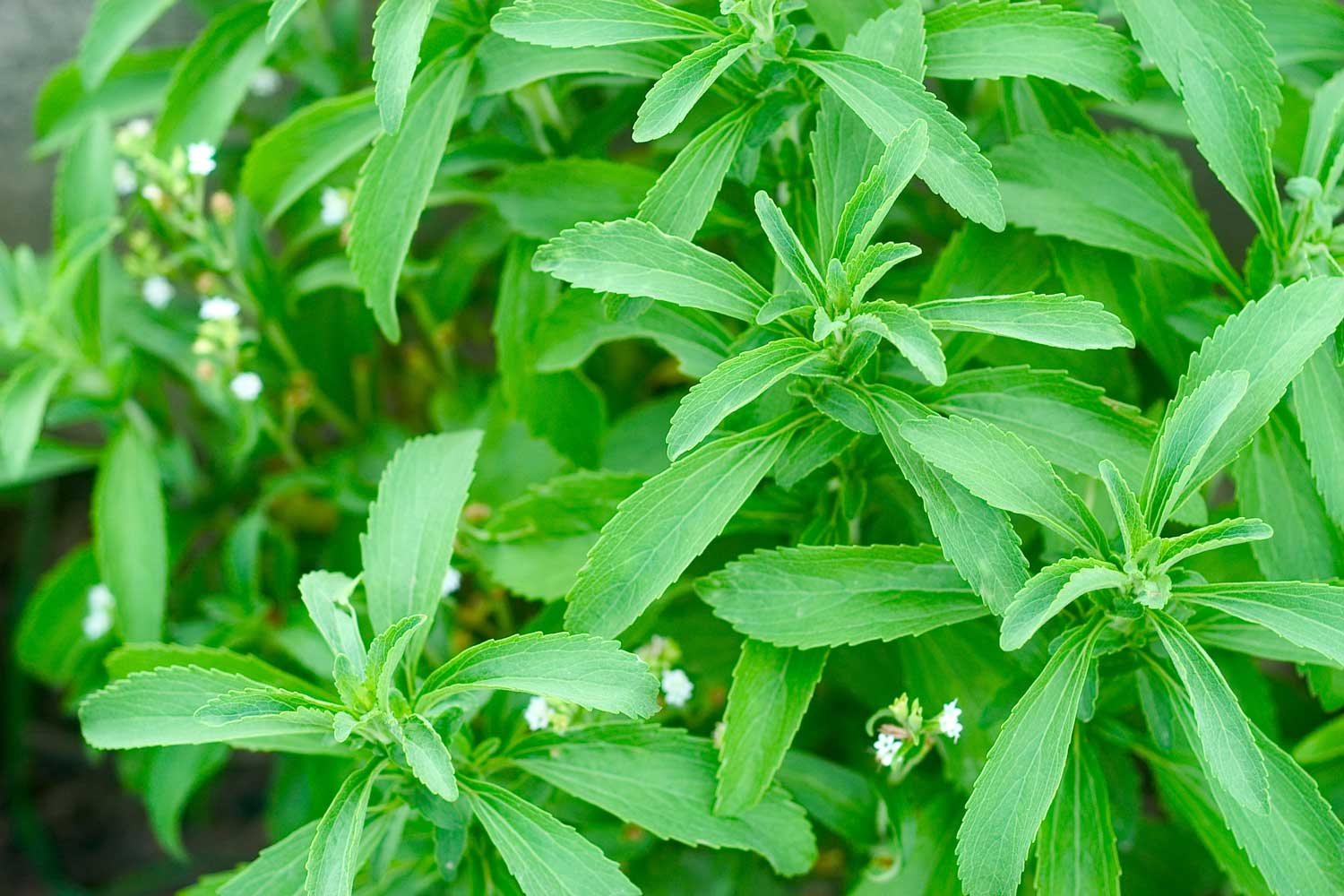
The stevia plant (Stevia rebaudiana) is one of those garden additions that easily pays for itself. This sweet herb produces intensely sweet leaves you can use fresh, dried, or turned into extract—making it a practical, homegrown sugar substitute.
If you’ve ever looked at those tiny bottles of stevia extract and thought, “That’s pricey for what it is,” you’re not wrong. The good news? Growing stevia at home is straightforward, and once you have a healthy plant, you can make your own sweetener for pennies.
Let’s walk through what stevia is, how to grow it successfully, and how to make stevia extract at home.
Would you like to save this?
Table of contents
What is a Stevia Plant?
Stevia is a small shrub native to South America, especially Brazil and Paraguay, where it has been used for centuries as a natural sweetener. The leaves contain compounds called steviol glycosides, primarily stevioside and rebaudioside, which are responsible for its intense sweetness.
Depending on the variety and growing conditions, stevia leaves can be 50 to 300 times sweeter than sugar—without raising blood glucose levels. That’s why stevia has become popular as a natural sweetener for those trying to reduce sugar intake.
Unlike many artificial sweeteners, stevia is heat stable, so it can be used in cooking and baking (though it behaves differently than sugar, which we’ll touch on later).
The Joint FAO/WHO Expert Committee on Food Additives has evaluated purified steviol glycosides and considers them safe within recommended intake levels. This helped pave the way for wider use in commercial stevia products.
See “Are There Any Side Effects of Stevia” for a more in depth discussion.
Growing Stevia in Your Garden
Growing stevia is similar to growing other tender herbs, but it does have a few quirks to keep in mind.
Stevia prefers full sun, especially in cooler climates like ours in northeast Wisconsin. In hotter areas, a little afternoon shade can help prevent stress. It thrives in well-drained soil rich in organic matter, and like many herbs, it doesn’t appreciate heavy chemical fertilization. Too much nitrogen can lead to lush growth with reduced sweetness.
Consistent moisture is important. In its native habitat, stevia often grows near water sources, so aim for evenly moist soil—not soggy, but never bone dry. A layer of mulch helps regulate moisture and soil temperature.
Plants typically grow 1–3 feet tall and about as wide, forming a bushy, leafy plant. Give them room to spread, whether in garden beds or containers.
Since stevia is frost-sensitive, treat it like a tender perennial. It may overwinter in warm climates (zone 8+), but in colder regions, you’ll want to bring plants indoors or take cuttings before frost.
A well-tended stevia plant may produce for 3-5 years or more, but becomes less vigorous with age. You can start new plants with cuttings or natural layering. (Plants will often root where a stem stretches and contacts the ground.)
Starting Stevia from Seeds or Plants
You can grow stevia from seed, but germination can be a bit inconsistent. If you’re starting seeds indoors, plant them 8–10 weeks before your last frost date in a light seed starting mix. Barely cover the seeds, as they need light to germinate, and keep temperatures warm (around 75–80°F).
Seedlings usually appear within 1–2 weeks. Once they’re growing well, thin to one plant per cell and keep them under good light to prevent legginess.
Many gardeners prefer starting with nursery plants for a more reliable start. Either way, wait until all risk of frost has passed before transplanting outdoors. I’ve had good luck with starting plants from seed indoors and transplanting out to the garden. You can grow many plants from seed for the price of one nursery plant.
When and How to Harvest Stevia Leaves
Timing matters when harvesting stevia leaf. For the sweetest flavor, harvest leaves before the plant flowers. Once flowering begins, the plant shifts energy away from leaf production, and the sweetness can decline.
You can harvest fresh leaves as needed or cut back the plant by half once or twice during the growing season to encourage bushier growth.
If you plan to overwinter your plant, leave several inches of growth intact so it can recover.
Drying and Storing Stevia Leaves
To preserve your harvest, you can dry the leaves for later use.
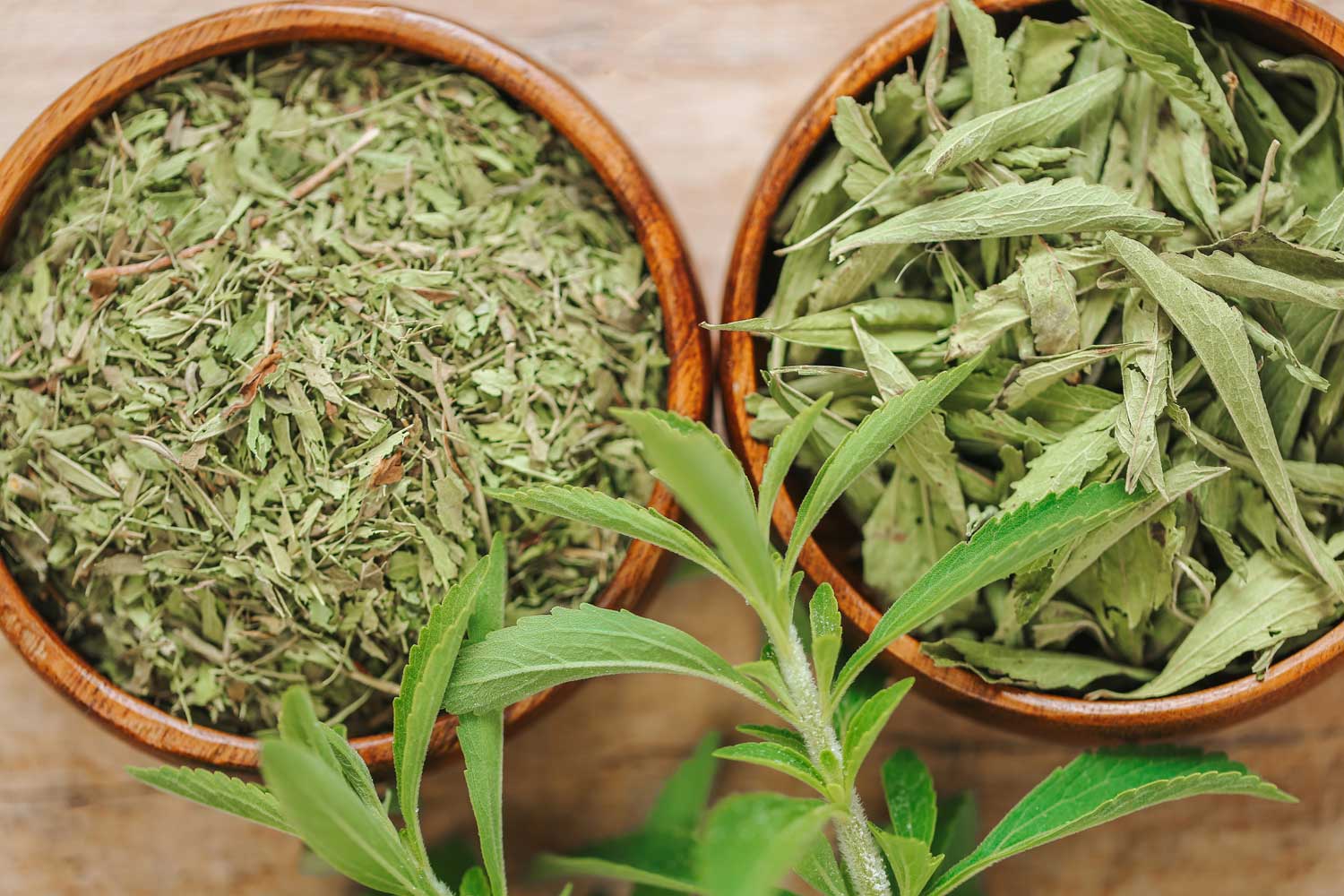
Cut stems and hang them in small bundles, or strip the leaves and dry them on low heat in a dehydrator. Once fully dry, store the dried leaves in an airtight container away from light and moisture.
Dried stevia keeps well for a long time, and you can crush it into stevia powder as needed. Keep in mind that whole leaf stevia has a slightly different flavor than refined products—more herbal, less “clean sweet.”
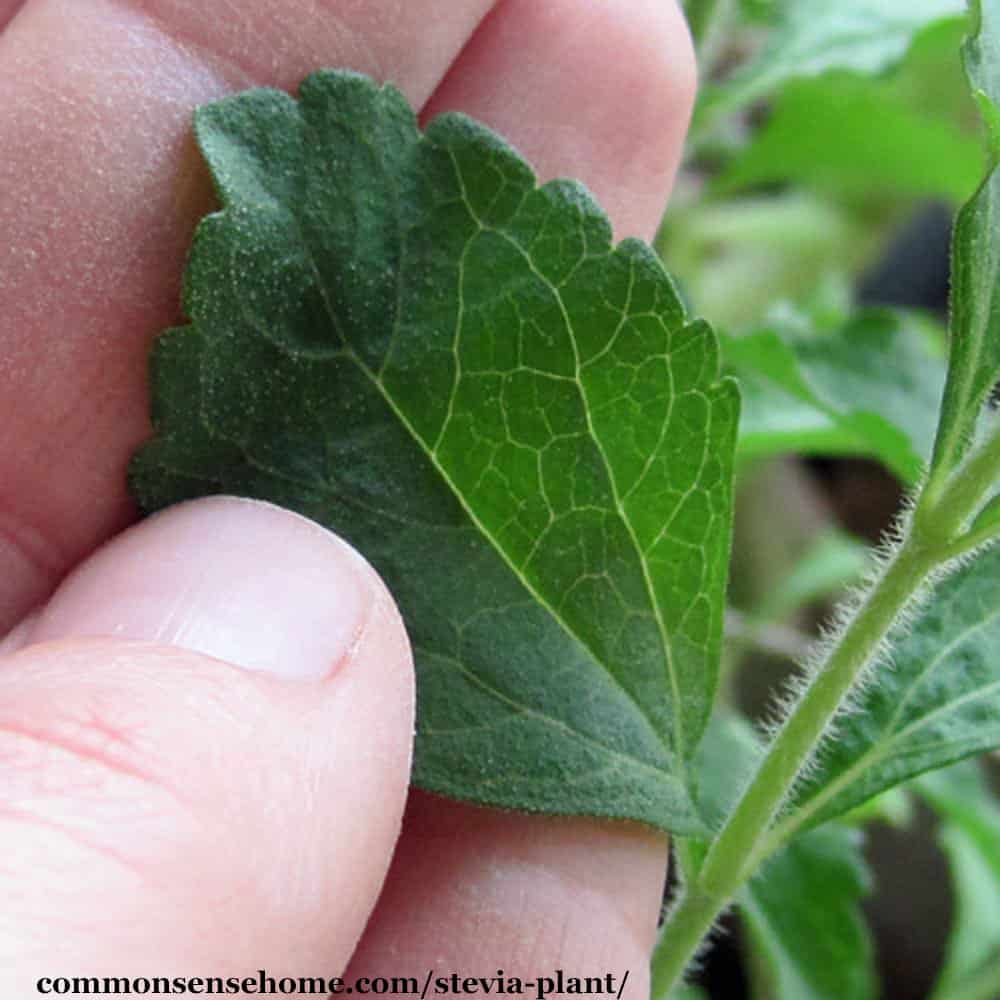
If you look closely, you can see that the leaves and stems are somewhat fuzzy.
Stevia is a naturally sweet tasting herb. You can chop and tear the leaves and add them directly to tea blends, or make a stevia extract as directed below.
How to Make Stevia Extract (Alcohol Method)
If you really want convenience, learning how to make stevia extract is a game changer.
Start with clean stevia leaves, either fresh or dried. Chop them and place them in a glass jar, then cover completely with vodka or another neutral alcohol.
Seal the jar and let it sit in a cool, dark place for about two days, shaking occasionally. Don’t let it steep too long, or bitterness can increase.
Strain out the plant material using a fine filter. To improve flavor and shelf life, gently warm the liquid on low heat for 20–30 minutes to evaporate some of the alcohol. Do not boil.
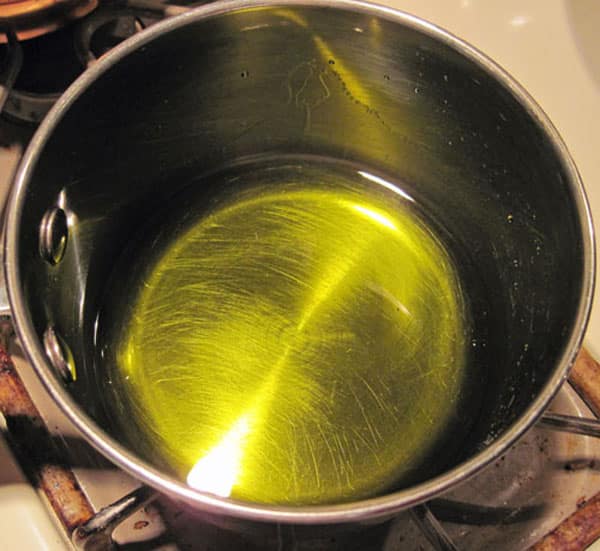
Once cooled, store your extract in a dark bottle. (I recycled a vanilla extract bottle.) Tincture bottles with droppers are great if you have them available, as it only takes a few drops of extract to sweeten a drink or recipe.
Don’t let it sit longer to try and get a stronger flavor. Longer steeping can increase bitterness. Don’t include stems so you have more material. They don’t contain much steviol glycoside, which is what makes the stevia sweet.
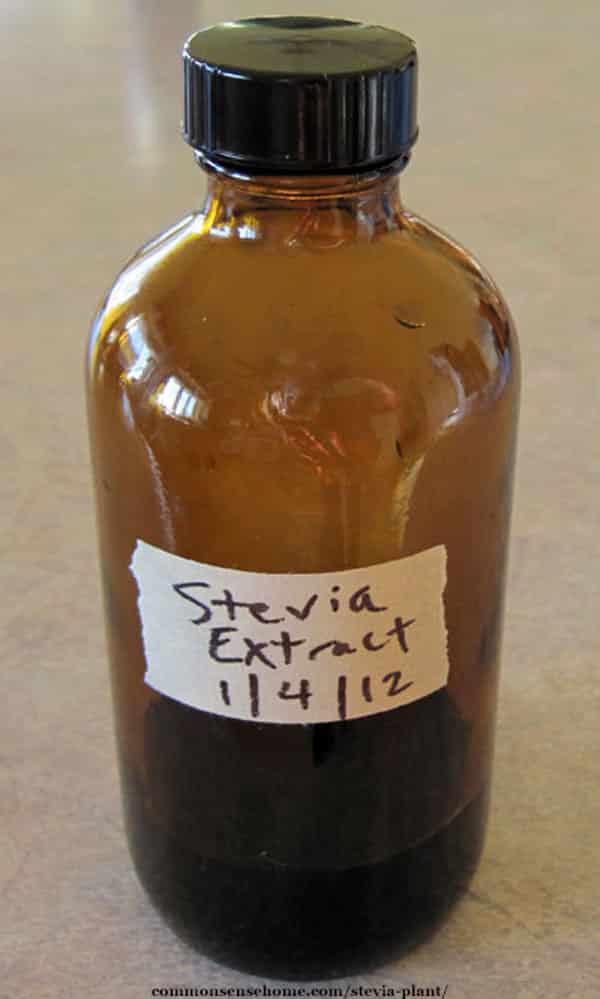
Cover, label and date. This stevia extract will keep for around three months in the refrigerator. I found this extract to be quite sweet with very little bitterness. Given that the tiny bottles of extract sell for at least $10 each, you can see how going homemade can save money.
You can watch the video below to see me make up our latest batch of extract. (If video doesn’t display, make sure ad blockers are off.)
Make Homemade Stevia Extract with a Water Base
For an alcohol-free option, combine dried stevia leaves with hot (not boiling) water and let them steep for about 40 minutes.
Strain and store in the refrigerator. This version has a shorter shelf life—about 1–2 weeks—but works well for sweetening tea or other beverages.
Using Your Stevia Plant
You can use stevia in several forms:
- Fresh leaves – add to tea or herbal blends
- Dried stevia – crush into powder for recipes
- Liquid extract – easiest for consistent sweetness
Because stevia is so concentrated, a little goes a long way. It doesn’t behave like sugar in baking, so expect some trial and error.
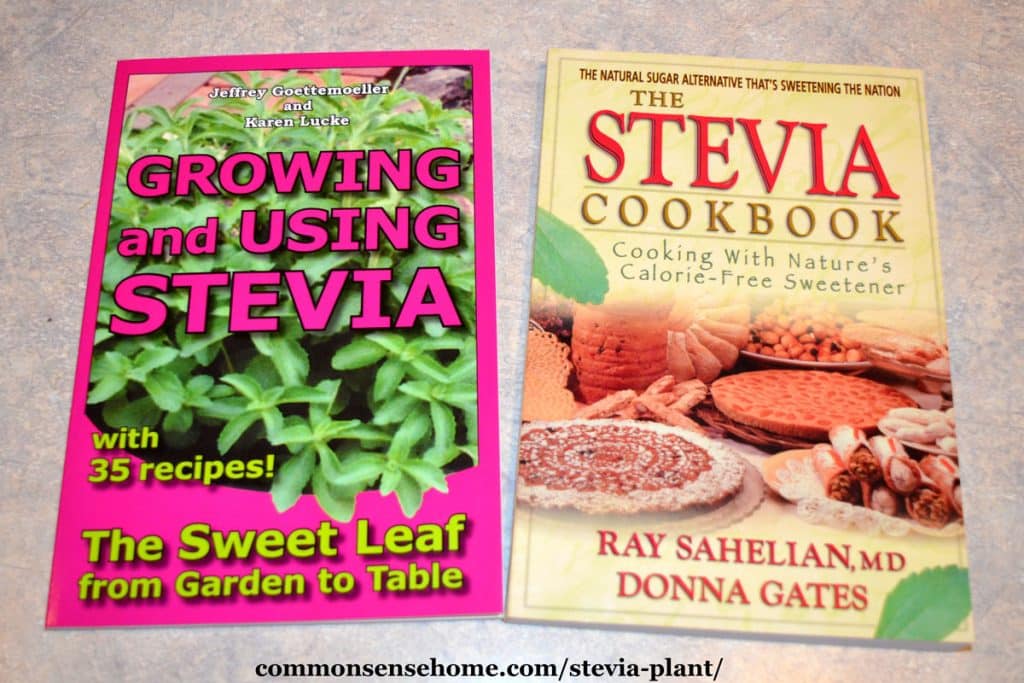
As a rough guideline, just a few teaspoons of dried stevia can replace a cup of sugar. Results vary depending on the recipe. I suggest getting a stevia cookbook to shorten the learning curve.


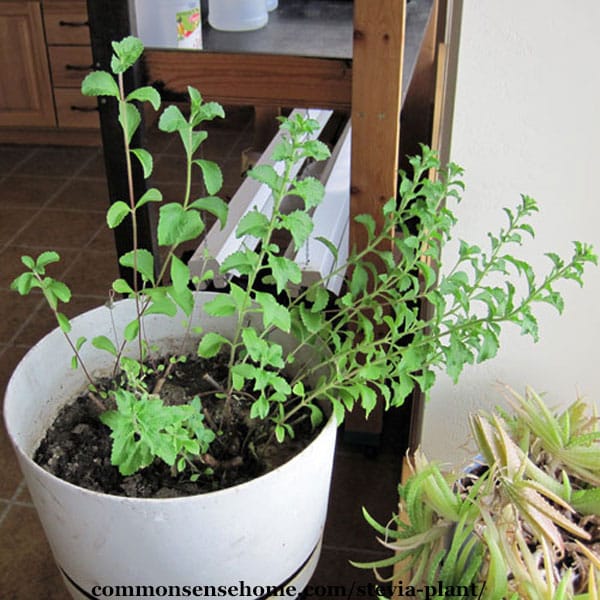
Here’s a plant that was dug up from the garden in fall and kept inside for the winter. You can see it is getting a bit leggy due to lack of sunlight.
Why Grow Your Own Stevia?
Store-bought stevia products are convenient, but they’re often highly refined and blended with other ingredients. When you grow your own, you control the process—from soil to sweetener.
Plus, it’s one more step toward a more self-reliant kitchen. I’ve kept plants growing for several years at our home in northeast Wisconsin. My only regret is that I didn’t learn how to make stevia extract sooner and save myself some money.
You may also enjoy:
- How to Make Homemade Extracts – Vanilla, Lemon and Almond
- 8 Small Vegetable Garden Ideas & Growing Tips
- How to Infuse Herbs in Oil, Water, Vinegar, Alcohol or Honey

This article is written by Laurie Neverman. Laurie and her family have 35 acres in northeast Wisconsin. They grow dozens of varieties of fruiting trees, shrubs, brambles, and vines, along with an extensive annual garden. Along with her passion for growing nutrient dense food, she also enjoys ancient history, adorable ducks, and lifelong learning.
Originally published in 2012, last updated in 2026.
Hi this is great thanks! I just wanted to ask if you knew how long the Stevia water based extract lasts (in refrigerator) and why does it have to sit for two weeks?
It sits to infuse the flavor in the solution. I’d try to use a water base within a month, and watch (and sniff) for any “off” colors or smells. Alcohol acts as a preservative.
I live in NC and have 4 stevia plants myself. i bought them to get started. I haven’t had any luck with seeds germinating. Besides, my 4 plants give me enough leaves that I usually have some left from harvest to harvest. I make the alcohol based liquid stevia and find that 1 tsp will sweeten my glass of iced tea or cup of coffee nicely. I haven’t tried it with baking.
I dehydrated and stored my leaves in glass jars. If I make a quart of iced tea, I add 2 or 3 dried leaves and allow to steep overnight in the tea. The longer it steeps, the sweeter it tastes. I can do this per glass also.
I have ground some leaves to powder but it doesn’t dissolve at all.
As far as my plants, at the end of the season, I cut back my plants about 3 inches from the ground. I have them in a raised bed. The first year, I covered them in plastic, but the 3rd and 4th year and this year, I just covered them with leaves. Up until this point, I haven’t had a problem with them growing.
Thanks, Beth. Because the dried leaves don’t dissolve, I find the extract much easier to use overall, or as you said, steeped whole leaves.
I READ ABOUT HARVESTING WHEN THEY FLOWERED. WELL THEY DIDN’T FLOWER . WENT OUT TODAY AND THE WHOLE PLANT WAS BROWN LEAFS.WE HAD FROST THE LAST FEW DAYS. I GUESS THEY DON’T LIKE FROST. PLANT DID GOOD THROUGH SUMMER. SHOULD I TRIM IT SHORT AND CAN I MAKE ANY HARVEST OUT OF IT. THANKS FOR ANY HELP ON THIS . RUDY
Stevia are heat loving and do not tolerate frost. Frost killed leaves will not make a good extract. If you can move the plant inside, do so, and trim it back to the ground. If it’s not completely dead, it will resprout from the roots. You can harvest once it gets enough good sized leaves – no need to wait for it to bloom.
This should be done on a hotplate, electric stove, or outside. The fumes from the alcohol are very dangerous…
Thank you for the info. I live in a northern climate and now that I can bring them in I will. My plants are starting to go to seed. can i use these seeds to grow more plants then cut back and start plant over again? Thanks for your help.
If they cross pollinate, you may have viable seed, but stevia seeds are notorious for not sprouting. It’s worth a try if you like, as you have nothing to lose. I have cut mine back to the ground for several years now (when I brought them in for the winter) and they grown back each time.
Hello, I just made this just like how you made it and it kind of taste like grassy. Have you had this problem? I let it simmer for 25 minutes. I added vanilla powder to mask the taste but have not tried it in my coffee yet.
Thanks,
Yolanda
It will taste sweet, but it’s not going to taste like sugar. There is a definite plant taste to the extract, although it is more or less pronounced depending on your palette.
Hello! I just found this website for the first time, and your time and attention to this information source is absolutely great. If you don’t know something for a fact, you do not try to b.s. yourself and act as if you did know everything! This is such a refreshing approach, and I admire you for your honesty, As for the stevia, I am determined to harvest more this fall, and maybe this time, I won’t kill the plant with kindness.
Thank you very much indeed.
Marisa Robertson
It’s pretty much impossible for one person to know everything and anyone who pretends otherwise is just full of hot air. I do have a well trained google and a substantial reference library, so that helps. If it’s of any use, I’d like to note that I’ve cut my plant back to nubbins three times now since it’s been potted, and each time it has regrown into a full, bushy plant, so don’t give up on it even it if appears dead.
This is perfect in didn’t know I could bring it in and replant. So excited to try this!
Thank you for the start to end information most site don’t start with seeds.
The plants in these photos are still going strong for the third summer (I think it’s been three). When they get to leggy or start dying back, I clip them down to nubbins and start all over again.
I have left my stevia leaves in the alcohol but they never became pale like yours do. Do I need to leave them in longer? Other sources show leaving jars in the dark for weeks before cooking off the alcohol. So, I’m just a bit confused. Our Nectarines are ripening and we are hoping to use Stevia extract instead of sugar for the canning process! Thanks
I’ve only steeped mine for the time range shown in the post. It’s my understanding that longer steeping may draw out more of the bitter compounds, but I have not tried it. As for the coloration, there may be slight variations in the plants themselves and/or the light exposure in the photo. I wouldn’t be concerned about the color variations.
BTW, as a side note on sugar free canning, sugar does help preserve the color and texture of the fruits by binding some of the free water in the fruit. Sugar substitutes do not have a similar binding effect, so fruits are likely to darken and get mushy more quickly than if some sugar or honey was used in the preserving process. The Natural Canning Resource Book is a great reference for canning without sugar and using sugar substitutes.
Thank you very much for all the great information!
You’re welcome.
Great article!! And easy to follow instructions. I made my first batch of alcohol based extract with fresh leaves yesterday. This is the second time I’ve grown stevia and I was determined not to lose my plant this year before I figured out what to do with it. It came out great!! No bitterness at all! I’m going to make another batch with some lemon infused vodka I made a while back and use it for iced tea. I shared this link with my recipe group since I know a few of them asked about it when I mentioned I was thinking about trying it.
The lemon combination sounds great! Thanks for sharing.
I bought a Stevia plant in June. I planted it with some flowering plants in a round clay planter. It made a beautiful green background with my flowers. I just made my first water based extract today from dried leaves. Can’t wait to try it in my coffee tomorrow! I am in south Georgia and we have had plenty of rain, so it has really grown.
Send rain this direction! Our area is really hot and dry right now.
My first leaves are in the vodka to be strained off this evening. Do you have any idea how much of the alcohol cooks off? We have a friend who is a long term recovering alcoholic and I’d hate to ruin it with my stevia extract
Without testing there’s no absolute way to tell the alcohol content. Using the water based concentrate would probably be safer under those circumstances.
Great post – Thank you for the info. I bought my first Stevia plant a few months ago and now have 7-8 plants from taking a clipping and putting it in a boston market cup filled with water and miracle grow. The roots sprout in a week and I plant it in a new pot. Can’t wait to harvest the leaves and make the extract!
I have used stevia for over 5 years now. I have grown a plant for 3 years, but did not know how to use
it until I found your site. Thanks so very much for all the information.
I did the same thing when I first started growing it. I dried some leaves, but this is much easier to use. 🙂 You’re welcome.
Alcohol extracts will last indefinitely as long as the alcohol does not evaporate. Of course you more than likely would be using it up pretty quickly. The simmering is unnecessary.
I may have missed it here but is there a way to create a powder from fresh stevia like you buy in the store?
That I am aware of, there is no way to create a white “sugar-alike” stevia product at home. Those sweeteners have been chemically processed, bleached and refined. To create a green stevia powder, you can dry the leaves and grind them, but that’s best used in baking or cooking. It will not dissolve in water.
That is a brilliant idea..
Just bought stevia plants today. If they all live I would have eight to sixteen plants once they are divided. Since I may have so much stevia Is it possible to can the extract.
Not that I am aware of. It would be low acid and low sugar, so would require pressure canning. I think you’d be better off to dry the leaves and make extract as needed.
You can dry the stevia and use a pinch of dried stevia per cup of tea, two pinches per cup of coffee (coffee has high acid content). For coffee you can put right in with grounds when brewing by the pot.
For tea, add to loose tea when making by cup or pot.
I also make the extract but I let it steep for 4-6 weeks, then strain it and bottle it. The alcohol preserves it indefinitely.
Good point! I have six plants that are all very large. Every day I chop leaves ans steep them with my decaf green tea for iced tea. Sometimes it takes a LOT of leaves for a little sweetness (2 – 3 whole branches).for 2 quarts. I am so glad I found this article, specifically this note, to dry and make extract as needed. Our Excaliber just came this week! So, this will be the first thing we dry in it. Thanks for all this info!
You’re welcome.
Angie, (or really anybody who knows) hope you get to read this and let me know your answer. I’m curious to know if you go through the simmering process after steeping the stevia leaves in alcohol for 4 to 6 weeks? Also, I read somewhere else that 100-proof vodka or rum is used to make the alcohol-based extract, but I only have found 80-proof. Does it make a difference? Thanks for any replies.
I wouldn’t steep the stevia that long because longer steeping is supposed to bring out the bitter compounds. I have not tried it because of this. You do not have to go through the simmering process – it simply concentrates the sweetness.
100 proof will draw out different compounds than 80 proof alcohol, but most of the discussions I have read concerning this indicate that the higher alcohol concentrations often bring out more of the bitter compounds.
I’m confused: if you don’t go through the simmering process, does the alcohol remain in the tincture? I thought the point of simmering was to cook the alcohol out? My stevia plants are growing great, it’s the harvesting I’m having problems with. I’ve tried both methods on your site (water & alcohol) and neither have turned out right. I’m not sure what I’m doing wrong. The water method resulted in liquid that was barely sweet (2 teaspoons to sweeten my cup of tea). I used leaves that had been drying for over a month….maybe I dried them too long?
The alcohol method resulted in dark green, foul-tasting stuff that I threw out. Not sure what I did wrong here.
Any suggestions would be appreciated!
Thanks,
Kelli
Natural plant material can vary from plant to plant, so it make be helpful to up the concentration in the water method.
When you say “foul tasting”, do you mean bitter or rotten, or some combination of both? Rotten shouldn’t happen, but bitter might mean that it steeped too long.
With the alcohol method, the simmering reduces the alcohol to concentrate the product, but shouldn’t eliminate it completely.
Oh I wondered how you would use the dry. I have ground it but it wouldn’t dissolve. I never thought about putting it in a tea bag to use.
Thanks!
Yup! Think “tea” instead of standard sweetener.
I was very glad to find this article. I’ve had a stevia plant in a pot on my deck for several years. It dies over the winter but comes back in the spring. We only have a few days/nights below freezing in the winter. I could never find out how to get usable sweetener from the leaves, but someone told me last year that I should steep it like tea. So I’ve steeped about 1/4 cup fresh leaves in 2 cups water that I brought to a boil then poured over the leaves. I left the leaves and water in the jar and refrigerated it after it cooled. I have only used it in my morning tea, about 1/4 cup in 2 cups of tap water which I bring to a boil then pour over tea leaves. It sounds like the water based extract made with dried leaves will produce a more concentrated sweetener. What are your thoughts on this?
I think the water based extract should indeed produce a more concentrated sweetener that might be a little easier for people to use and store, but the simple tea sounds like a fine idea for some uses, such as sweetening other teas as you have done.
Sorry for the slow reply. We were out of town for several days.
Thanks, This looks like a fun project. I’ve shared it with my hubby 🙂
Great post! I’ve grown stevia a few times as the plant but never had much luck in growing it. I may try the plant again and try bringing it inside (good idea!) and see what happens. Thanks!