
Best Ways to Stay Hydrated Naturally

This post may contain affiliate links. Read my full disclosure here.
When summer heat hits hard—or you’re working up a sweat in the garden, field, or barn—your body needs water, and fast. But staying hydrated isn’t just about chugging gallons of plain water. In fact, too much water without enough electrolytes can actually cause problems, including dizziness, headaches, and even a dangerous condition called hyponatremia (water intoxication). So how do you stay hydrated naturally, especially when you’re working or recovering from too much sun?
Let’s explore the best tips for staying hydrated—without commercial sports drinks full of dyes and sugar.
Table of contents
- Why Natural Hydration Matters
- 1. Don’t Just Drink Water—Balance Your Electrolytes
- 2. Eat Your Water: Hydrating Foods from the Garden
- 3. Drink Herbal Infusions and Teas
- 4. Add a Pinch of Salt
- 5. Sip, Don’t Guzzle
- 6. Avoid Dehydrating Foods and Drinks
- 7. Listen to Your Body
- 8. Stay Cool to Stay Hydrated
- 9. Don’t Forget the Kids and Elders
- 10. Make Hydration a Daily Habit
Why Natural Hydration Matters
Your body is roughly 60% water. Every system—from circulation to digestion to brain function—depends on proper hydration. But sweating, sun exposure, exertion, illness, or even dry indoor air can all contribute to dehydration.
Dehydration increases the risk of:
- Heat stroke and heat exhaustion
- Muscle cramps
- Constipation
- Headaches and fatigue
- Poor cognitive performance
- Kidney issues
You don’t have to wait until you’re parched to act. By choosing hydration methods that support your body’s natural balance, you can avoid trouble before it starts. Staying hydrated is part of building a resilient and abundant life where your body can keep up with the work you love to do.
1. Don’t Just Drink Water—Balance Your Electrolytes
Drinking enough water is important, but your body also loses electrolytes when you sweat—especially sodium, potassium, calcium, and magnesium. These minerals are critical for nerve function, muscle control, and fluid balance.
Natural hydration means combining water with mineral-rich foods or drinks. This DIY sports drink supports hydration without artificial additives.
Homemade Electrolyte Drink
Mix the following in a quart jar:
- 1/4 teaspoon sea salt or Himalayan salt
- 1/4 cup fresh lemon juice or lime juice
- 1–2 teaspoons raw honey or maple syrup (for energy and taste)
- Fill with water and shake well
Another good homemade electrolyte drink is switchel, which is a sweet tart drink traditionally made with molasses. (I like switchel, but the guys are on the fence.) You may also like honey sweetened lemonade.
I’ve also been drinking the adrenal fatigue cocktail from the Root Cause Protocol book. It has coconut water, 1/4 teaspoon sea salt, and a heaping 1/4 teaspoon food based vitamin C blend.
You can get 10% off Perfect Supplements Acerola cherry powder natural vitamin C by using coupon code “COMMONSENSE10” at checkout. (That’s what I’ve been using in my drink.)
2. Eat Your Water: Hydrating Foods from the Garden
Some of the best hydration comes from the food you eat—especially fresh fruits and vegetables. They’re packed with water, plus natural sugars and electrolytes. These help your body absorb fluids more efficiently than water alone. Fruits and vegetables also contain structured water, which is easier for your body to use.
Top hydrating foods include:
- Cucumbers – 96% water, crisp and cooling
- Watermelon – full of water, potassium, and natural sugars
- Celery – great sodium and water content
- Berries – high in water and antioxidants
- Lettuce and leafy greens – great in salads or smoothies
- Zucchini – fresh or lightly steamed
- Citrus fruits – vitamin C and fluid-supporting acids
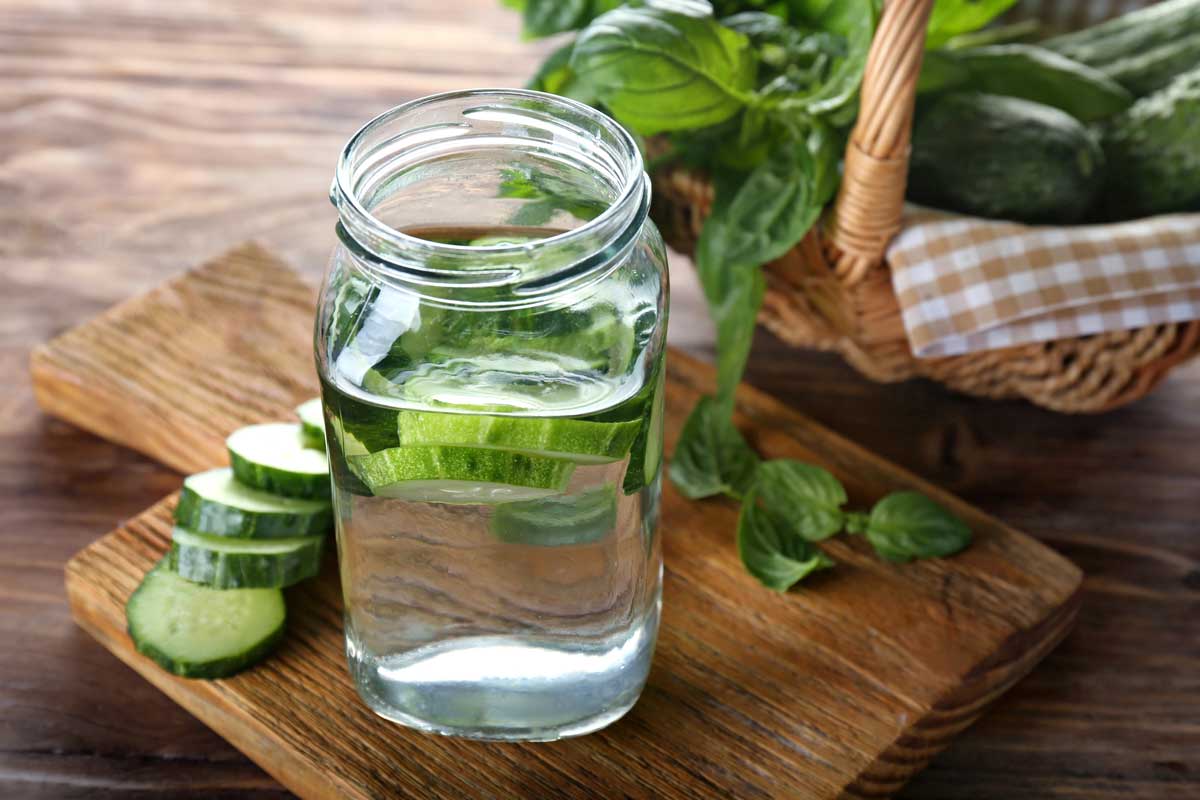
Tip: Snack on fresh fruit mid-morning or post-workout. We love having some watermelon after morning chores. Toss cucumber and herbs into a jar of water for a naturally flavored boost.
3. Drink Herbal Infusions and Teas
Herbal teas and infusions add flavor, electrolytes, and healing compounds. Plus, they don’t include caffeine (which can be dehydrating in large amounts).
Some excellent herbs for hydration support include:
- Nettle – mineral-rich and supports kidney function
- Hibiscus – tart, cooling, and high in vitamin C
- Linden flower – gently relaxing, cooling for heat stress
- Lemon balm – uplifting, mildly sweet, and soothing to digestion
- Chamomile – calming and anti-inflammatory
Steep herbs in cool or warm water, strain, and chill for a refreshing drink. You can add lemon, honey, or fruit to taste. Bonus: many of these herbs also help soothe sunburn from the inside out, especially hibiscus and linden.
4. Add a Pinch of Salt
A small amount of unrefined salt (like Celtic sea salt or Himalayan salt) helps your body stay adequately hydrated. If you’re sweating heavily—such as during gardening, outdoor labor, or exercise—adding salt to your water can help maintain electrolyte balance.
Signs you may need more salt:
- You’re sweating a lot
- Water seems to “go right through you”
- You get lightheaded when standing
- Muscle cramps or headaches after heat exposure
Would you like to save this?
Natural salts also contain trace minerals that support cellular hydration—something that plain table salt lacks.
5. Sip, Don’t Guzzle
When you’re dehydrated, the urge is often to gulp down a large glass of water. But too much at once can overwhelm your kidneys, leading your body to flush it out before it can be used.
Instead, sip a cup of water throughout the day, especially:
- Before, during, and after physical activity
- With meals (not chugging before or after)
- As soon as you wake up
- When you feel thirsty or sluggish
Tip: Carry a reusable water bottle with you to encourage regular sips.
6. Avoid Dehydrating Foods and Drinks
Some things pull water from your body instead of helping you stay hydrated. If you’re struggling to stay hydrated or experiencing signs of heat exhaustion, avoid:
- Alcohol – a major diuretic (especially beer and cocktails)
- Caffeine – moderate coffee/tea is okay, but too much can dehydrate
- Salty processed foods – chips, jerky, fast food
- Sugar-heavy drinks – adding sugar to drinks – like soda, commercial sports drinks, energy drinks – may make it more difficult to stay hydrated
If you indulge in caffeine or alcohol, balance it with extra water and mineral intake.
7. Listen to Your Body
Thirst isn’t the only sign of dehydration. Watch for:
- Dry mouth or lips
- Headache or dizziness
- Fatigue or weakness
- Dark urine or infrequent urination
- Rapid heartbeat
- Muscle cramps
In extreme cases, dehydration can lead to heat exhaustion or heat stroke, which are medical emergencies. Know the warning signs of heat stress and act early.
8. Stay Cool to Stay Hydrated
Heat and sweat increase water loss. By staying cooler, you reduce how much fluid your body loses.
Natural cooling strategies include:
- Wearing loose, light-colored clothing
- Taking breaks in the shade or a breezy spot
- Using a damp cloth on your neck or wrists
- Keeping a spray bottle of water for misting
- Eating hydrating foods like watermelon or cucumber
- Treating sunburn quickly to reduce systemic heat stress
9. Don’t Forget the Kids and Elders
Children and older adults are more vulnerable to dehydration, especially in hot weather.
- Offer water frequently, even if they don’t ask (they may not remember to drink)
- Encourage hydrating snacks like fruit and yogurt
- Monitor for signs of overheating or fatigue
- Consider herbal popsicles or smoothies as fun hydration options
Homemade electrolyte ice pops are a hit with kids and double as a cooling treat on hot days.
10. Make Hydration a Daily Habit
Like most good habits, natural hydration works best when it’s consistent. Don’t wait until you’re thirsty or sick—build fluid-rich habits into your daily rhythm.
Simple ways to do this:
- Start your day with a glass of lemon water
- Include fruits and veggies at every meal
- Keep a water bottle within reach
- Pack homemade electrolyte drinks for long days
- Wind down with an herbal tea
Think of hydration as part of your resilient routine, just like putting up food, prepping for storms, or feeding the chickens. Your body works better when it’s well-fueled, and that includes getting the right amount of water.
Final Thoughts: Stay Hydrated, Stay Strong
Water is life. It fuels your body, cushions your joints, supports digestion, and keeps your brain sharp. But natural hydration is more than just water. It’s about balance, mineral-rich foods, and smart choices that help your body absorb and use what it needs.
Whether you’re harvesting the garden, chasing kids, or recovering from too much sun, you don’t need neon-colored drinks or plastic bottles. You just need some common sense and a few natural tools.
Drink smart. Eat fresh. Listen to your body. And don’t wait until you’re parched to hydrate.

This article is written by Laurie Neverman. Laurie is a lifelong learner with a passion for natural remedies and holistic healing. She’s successfully improved her eyesight and cleared her psoriasis.