
Are There Any Side Effects of Stevia?

This post may contain affiliate links. Read my full disclosure here.
Stevia has become a popular choice for those looking for a sugar substitute without turning to artificial sweeteners. It’s plant-based, extremely sweet in small amounts, and doesn’t spike blood glucose the way table sugar does. For many people, that makes it an easy swap.
Still, questions come up regularly about any side effects of stevia. Readers want to know if stevia can cause digestive upset, hormone impact, and traditional use as birth control.
The answer depends on context. Let’s take a closer look.
What Is Stevia, Really?
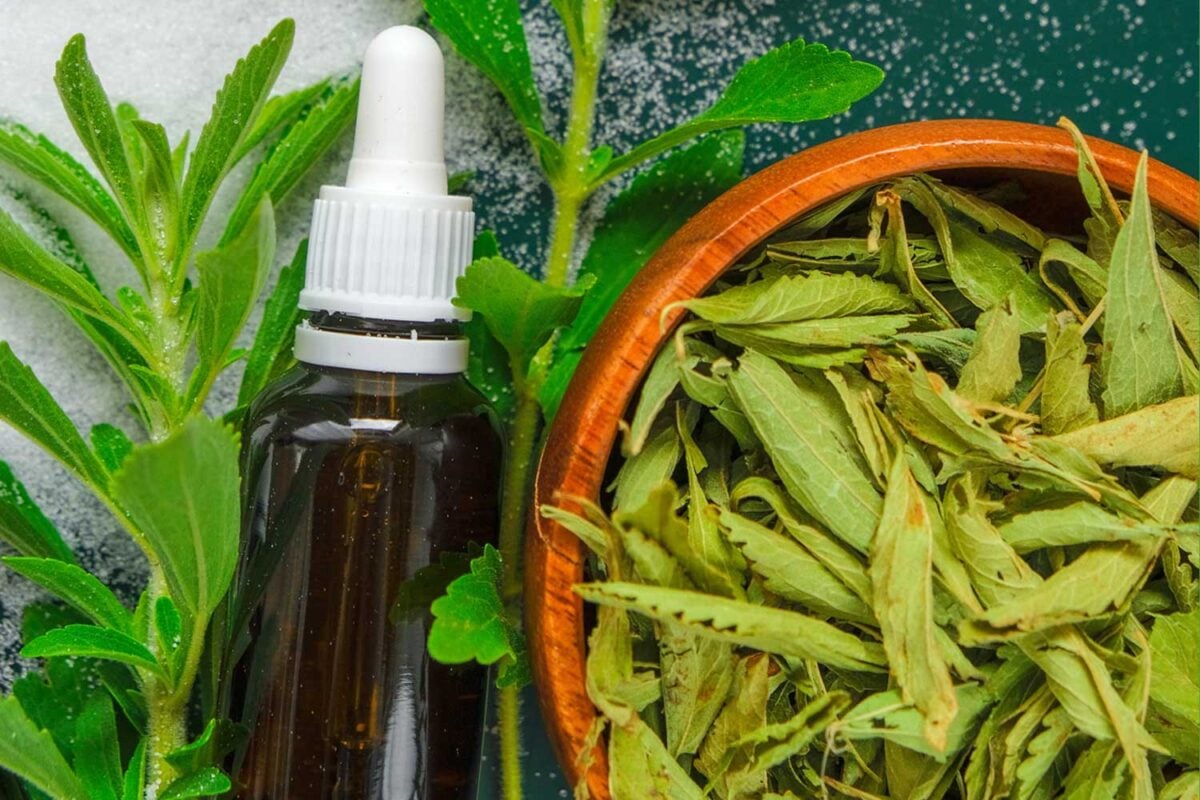
Stevia comes from the plant Stevia rebaudiana, native to South America. The leaves have been used for generations as a natural sweetener. If you’ve ever tasted the fresh leaf, you know a little goes a long way.
Most modern stevia products, however, are quite different from the plant itself. Instead of whole leaves, they use purified compounds called steviol glycosides. These are extracted, refined, and sold as a zero calorie sweetener.
That distinction matters. A homegrown leaf or simple extract behaves differently than a highly processed white powder blended with fillers.
If you’re growing your own stevia or making your own extract, you’re working much closer to the traditional form. You’re also avoiding many of the extras found in commercial products.
Is Stevia Safe? Are there any Side Effects of Stevia?
Refined stevia extracts have been evaluated as a food additive by the Food and Drug Administration. They are considered safe when used in normal amounts. These purified steviol glycosides are what you’ll find in most packaged foods and beverages labeled with stevia.
Whole stevia leaves and crude extracts are not FDA approved, but they do have a long history of traditional use. This is one of those cases where modern regulatory frameworks and traditional practices don’t line up perfectly.
Always check with your healthcare provider if you are on prescription medication. Stevia may interact with lithium, as well as drugs for diabetes and high blood pressure.
For everyday use in the kitchen, most people tolerate stevia well.
Can Stevia Cause Diarrhea?
This is one of the most common concerns, and it’s easy to see why. No one wants to end up in sudden evacuation mode.
Some people do experience digestive upset when using stevia products, including bloating or loose stools. In most cases, though, stevia itself isn’t the culprit. The issue usually comes from what’s added to it.
Many stevia products are blended with ingredients like erythritol, dextrose, or maltodextrin. Erythritol, in particular, is a sugar alcohol. Sugar alcohols are well known for causing digestive discomfort when consumed in larger amounts.
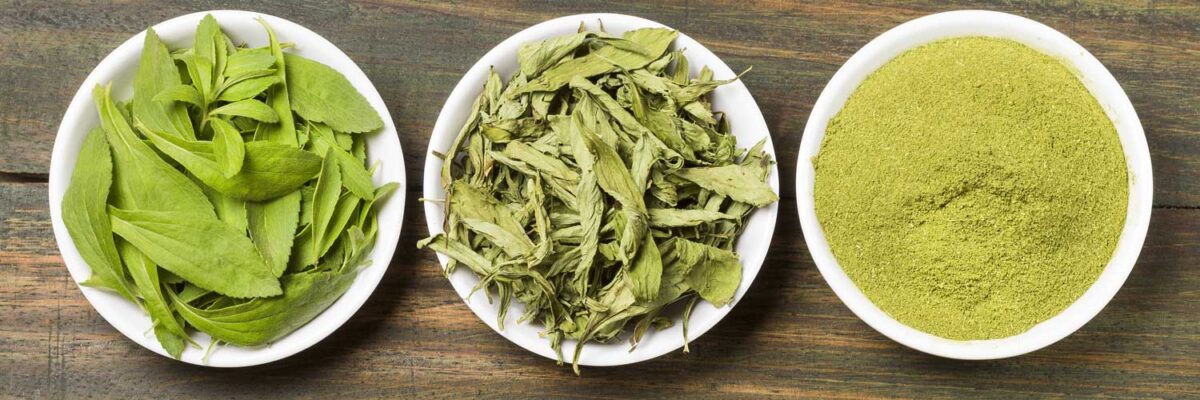
If you’ve had trouble with stevia, it’s worth taking a closer look at the ingredient label. Switching to a pure liquid stevia leaf extract or using dried stevia leaf powder often resolves the issue. This is one place where simpler really is better.
Blood Sugar, Cravings, and Body Weight
One of stevia’s biggest advantages is that it doesn’t raise blood glucose levels. For those managing type 2 diabetes or working to reduce sugar intake, that’s a significant benefit.
Some research suggests stevia may even support improved insulin response, though results vary.
That said, there’s another layer to consider. Sweet taste—even without calories—can still influence appetite. Some people find that using sweeteners regularly keeps cravings alive. Others use stevia successfully as a stepping stone away from sugar.
In practice, it tends to work best as part of a broader shift toward less processed foods. Be mindful of becoming hooked on higher sweetness levels. Don’t use large amounts of stevia – a little goes a long way.
Would you like to save this?
Effects on Blood Pressure
Stevia has also been studied for its potential effects on blood pressure. Some findings suggest it may help lower blood pressure slightly, which could be beneficial for many people.
If you already have low blood pressure or are taking medication to manage it, it’s something to be aware of. As with most things, paying attention to how your body responds is the best guide.
Has Stevia Been Linked to Hot Flashes?
There isn’t strong evidence connecting stevia to hot flashes – but I found out that it was a problem for me. I was using a small amount of stevia daily when I came across a video where the presenter said stevia gave her hot flashes.
At the time, I was having severe hot flashes. When I stopped using stevia, they dramatically improved. Now, years later, I can safely use modest amounts of stevia again without issues.
Note – it’s not just stevia that may trigger hot flashes. In her book, “Goddesses Never Age”, Dr. Christiane Northrup notes that any food sensitivities might impact them. It’s important to respect that individual responses to foods vary. If you notice a consistent pattern, adjust and see if things improve.
What About Stevia as Birth Control?
You may have come across claims that stevia was traditionally used as a contraceptive. There are some reports of this use in South America, along with a few animal studies suggesting that it might impact fertility.
The amounts used in those traditional or experimental contexts are far removed from what you’d use to sweeten tea or baked goods. That said, if you are pregnant or want to become pregnant, it may be better to avoid stevia.
Taste and Other Considerations
For many people, the most noticeable “side effect” of stevia isn’t physical at all—it’s the taste. Depending on the type and brand, stevia can have a bitter or slightly licorice-like aftertaste. Some formulations are much smoother than others, so it may take a little experimenting to find one you like.
True allergic reactions are rare, but as with any plant-based product, they are possible. If you are sensitive to related plants like ragweed, stevia may not be a best choice.
A Simpler Approach
If you’re already growing stevia or considering it, you can avoid the downsides of commercial products. Using fresh leaves, dried powder, or homemade extract keeps things straightforward and avoids added fillers.
See “Stevia Plant – How to Grow It & Use It” to get started.
Use Stevia Mindfully
So, are there any side effects of stevia?
For most people, stevia is safe and well tolerated in small amounts. Digestive issues are usually tied to added ingredients rather than the stevia itself.
As with most things, the context matters. A small amount of a simple, plant-based sweetener can be a helpful tool. A heavily processed product used without much thought is a different story.
If you go crazy with large amounts of highly processed sweetener – even a “natural” sweetener – it tells your body to seek more sweetness. If you use a little here and there – like a few drops of extract in a drink or some powder in a recipe – it can work as part of a healthy diet. Listen to your body and see what feels right to you.
You may also enjoy:

This article is written by Laurie Neverman. Laurie is a lifelong learner with a passion for natural remedies and holistic healing. She’s successfully improved her eyesight, cleared her psoriasis, and gotten off of prescription medication.