
How Old Are Eggs in the Grocery Store?

This post may contain affiliate links. Read my full disclosure here.

Ever wonder how old those store bought eggs really are when you bring them home? The answer may surprise you.
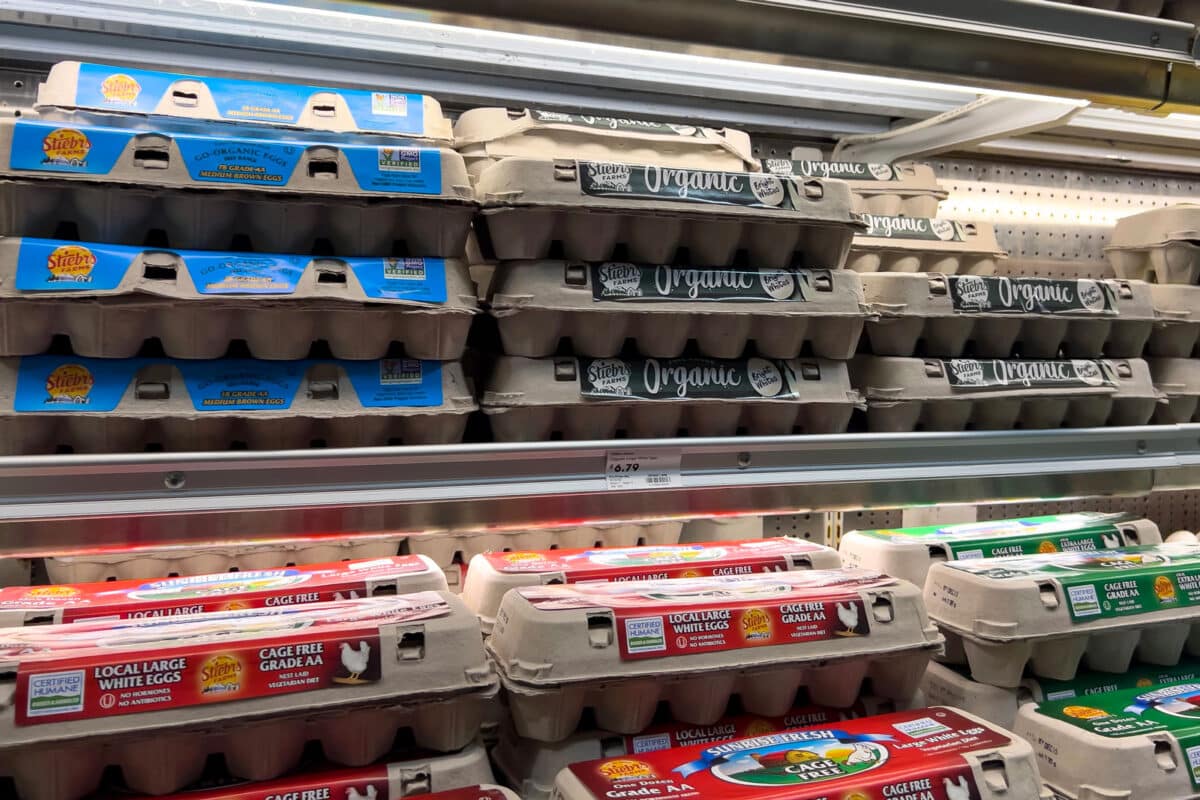
While eggs often look pristine in their cartons, they may be several weeks old by the time you buy them. In some cases, grocery store eggs can be over a month old before they reach your refrigerator.
Would you like to save this?
Table of Contents
How Long Can Eggs Be Stored Before Sale?
In the United States, egg producers have up to 30 days after packing to sell eggs to retailers. Retail stores can then legally sell those eggs for up to 30 days beyond the pack date.
That doesn’t mean all eggs are that old. Many grocery stores receive fresh shipments regularly, and popular brands may move through inventory quickly. However, depending on supply and demand, the eggs you purchase could easily be several weeks old.
By comparison, a farm fresh egg collected from backyard chickens may be only a day or two old when you receive it.
How to Read the Date Code on an Egg Carton
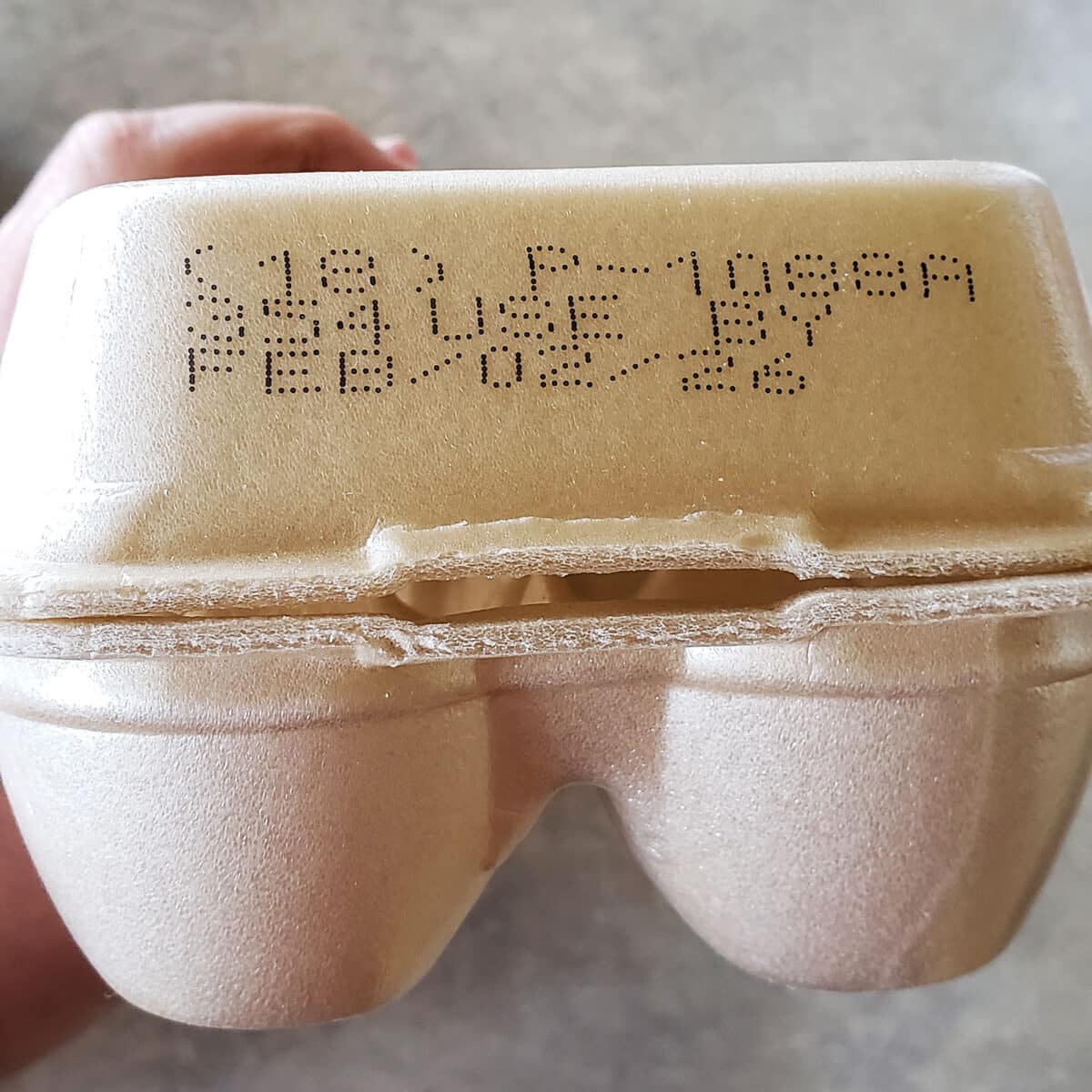
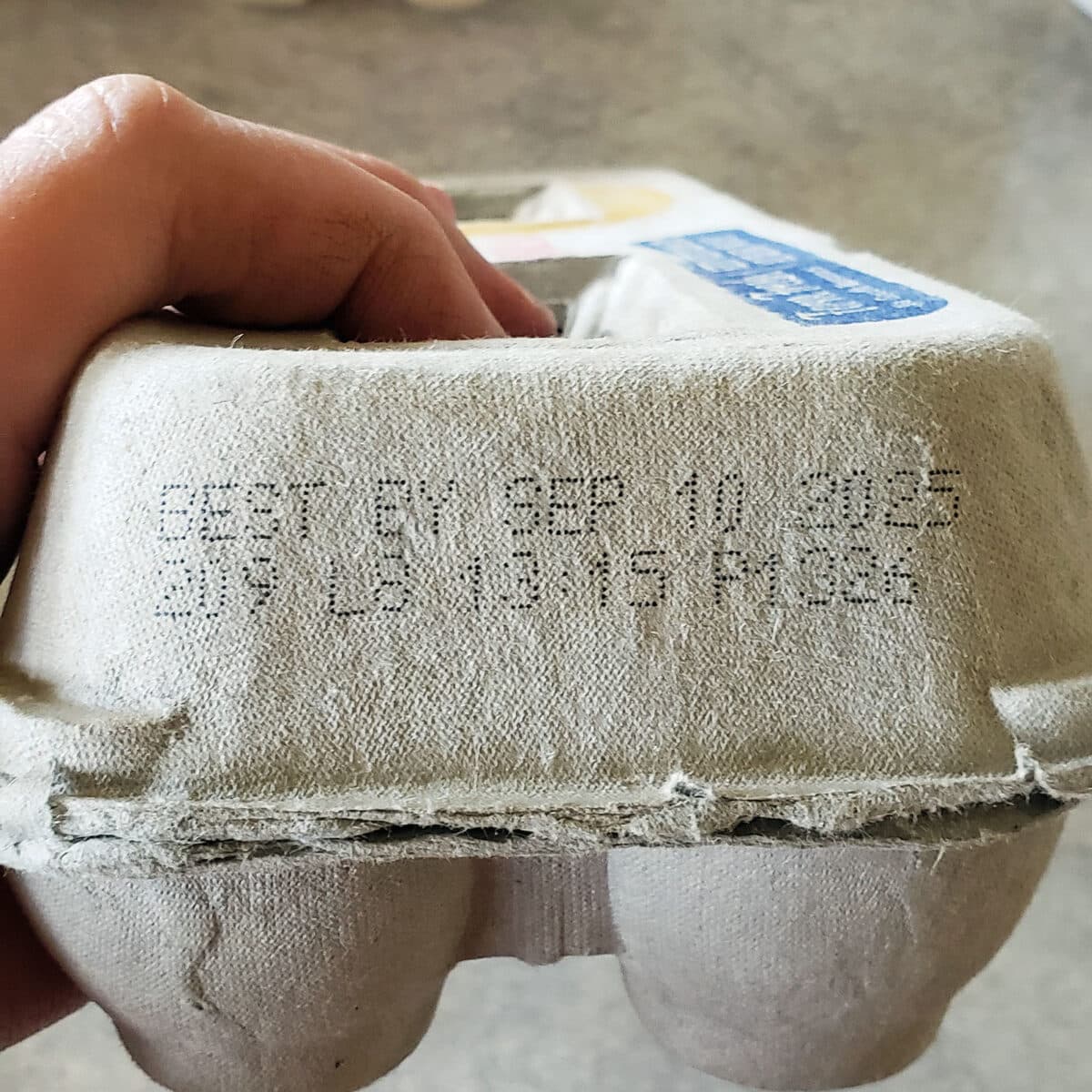
Most egg cartons display a “Julian date” or pack date, which indicates when the eggs were packed.
The code consists of three digits:
- 001 = January 1
- 032 = February 1 (usually)
- 060 = March 1 (usually)
- 365 = December 31
For example:
- 001 = January 1
- 100 = April 10
- 200 = July 19
- 365 = December 31
Some cartons also include a “sell by,” “best by,” or expiration date, but the pack date is usually the best indicator of freshness.
Why Freshness Matters
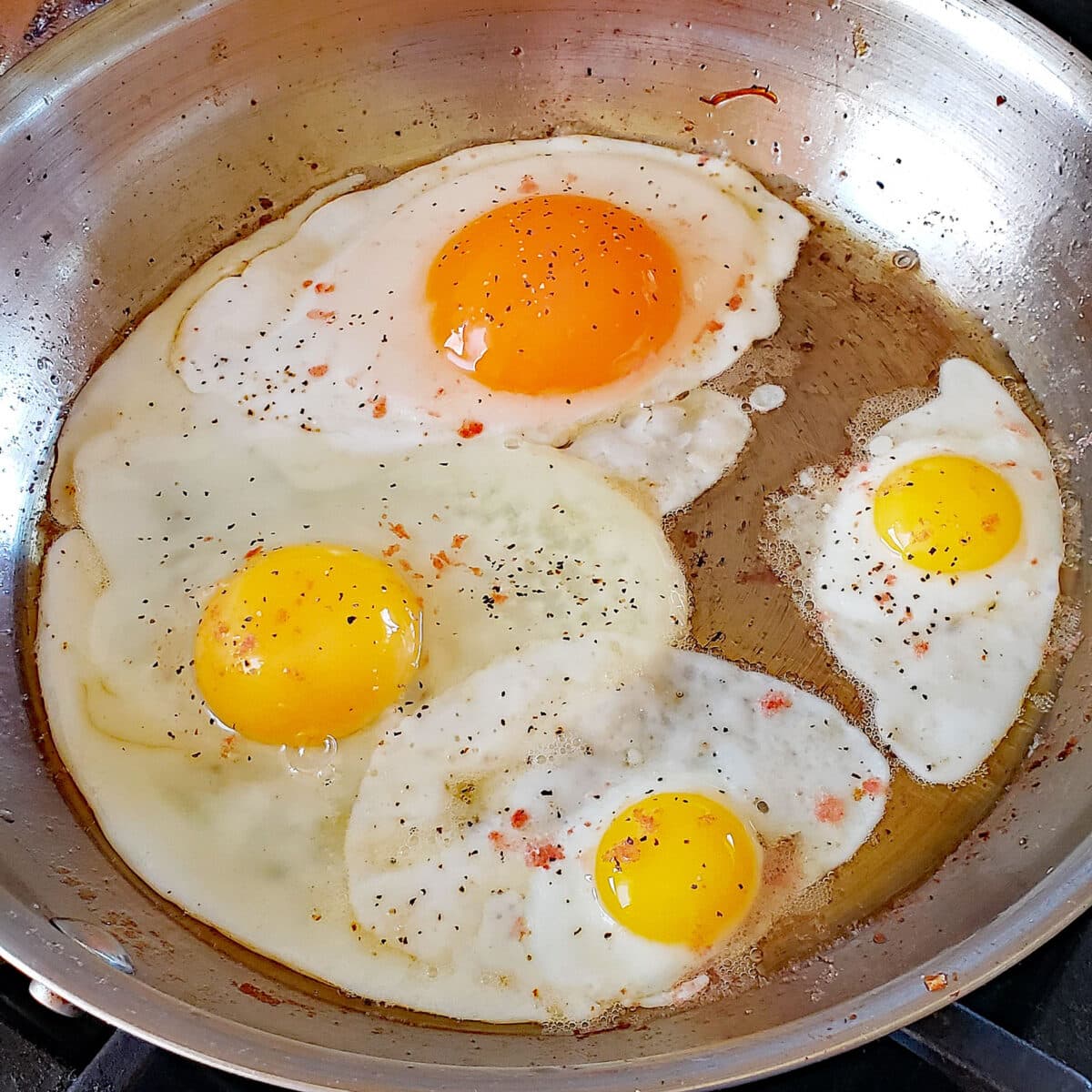
As eggs age, moisture and carbon dioxide slowly escape through the shell. The air cell inside the egg grows larger, causing changes in texture and performance.
Very fresh eggs typically have:
- Firmer whites
- Higher, rounder yolks
- Better texture for frying and poaching
- Better flavor
Older eggs tend to have:
- Thinner whites
- Flatter yolks
- Larger air pockets
- Increased tendency to spread out in the pan
Interestingly, slightly older eggs are often easier to peel when making hard-boiled eggs. For soft-boiled eggs, fresh eggs work best.
The Float Test
If you’re unsure how old your eggs are, try the float test.
Place the egg in a bowl of cool water:
- Fresh eggs sink and lie flat on the bottom.
- Older eggs tend to stand upright.
- Eggs that eventually float have developed a large air cell and should be inspected carefully before use.
A floating egg is not automatically spoiled, but it is a sign that the egg is older. If an egg has an off odor when cracked open, discard it immediately.
When I’m dealing with older eggs, I usually crack them one at a time into a measuring cup. If they look and smell fine, then I add them to the frying pan or recipe. A friend of mine found some of her farm eggs that had been forgotten in their spare fridge for 5 months, and they were still edible.
Farm Fresh Eggs vs. Grocery Store Eggs
One reason many people notice a difference between farm fresh eggs and store bought eggs is simply freshness. A farm fresh egg (or homestead egg) may go from nest box to kitchen in a matter of hours. Grocery store eggs often spend time being collected, processed, packed, transported, distributed, and displayed before you buy them.
Of course, freshness isn’t the only factor. The hens’ diet, living conditions, and access to forage can also influence egg quality, flavor, and nutrition.
Before we got our laying hens, we purchased eggs from a neighbor – once – who kept their chickens locked inside. (I didn’t realize this until I went to buy eggs and we talked a bit. Then I didn’t want to be impolite and not buy the eggs.) She kept her chickens inside a large shed because it was easier and she didn’t need to worry about predators.
Those eggs were pale, watery, and downright unpleasant. I did not go back.
Another time we got eggs from a different neighbor, and found that the yolks had an extremely strong sulfur odor. Hard cooked, the yolks were okay. Soft-cooked, they were nasty. They tasted almost rotten, though the eggs were fresh.
Grocery Store Eggs or Local Flocks?
Most grocery store eggs are safe, but they are rarely as fresh as eggs collected directly from a local farm or backyard flock. Checking the pack date on the carton can help you choose the freshest eggs available.
If you buy direct from producers, ask questions about hen care and egg care. For your own home-raised eggs, refrigeration extends shelf life, but they should keep at room temperature for several weeks. Pay attention to how the eggs cook and how they taste, and pick the option that works best for you.

This article is written by Laurie Neverman. Laurie grew up on a small dairy farm in northwest Wisconsin, where they raised large flocks of chickens, ducks, and geese each year. Now she maintains laying flocks of chickens and runner ducks on her northeast Wisconsin homestead.