
EMF Exposure: What to Know and How to Reduce It

This post may contain affiliate links. Read my full disclosure here.
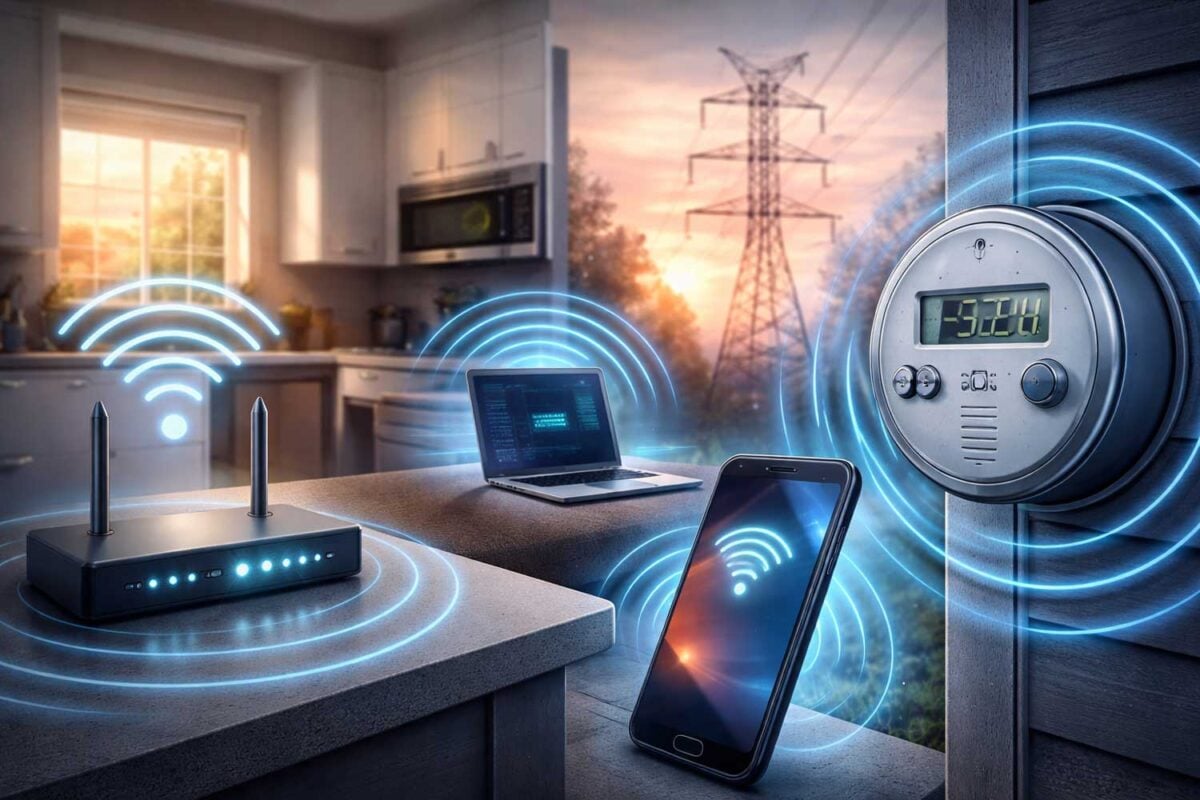
EMF exposure is part of modern life—whether we think about it or not. We are surrounded by invisible energy from electrical devices, Wi-Fi, cell phones, and household wiring. These sources all generate an electromagnetic field (EMF)—a combination of electric and magnetic fields.
Most of the time, we don’t notice these fields. They’re silent, unseen, and woven into the convenience of everyday life. But as EMF exposure increases—especially with the rise of wireless technology—more people are starting to ask questions. What are these EMFs doing to our bodies—and can we reduce them?
Would you like to save this?
Table of contents
What Is EMF Exposure?
An electromagnetic field (EMF) is a combination of:
- Electric fields – created when voltage is present
- Magnetic fields – created when current flows
So:
- Electric fields are produced by anything plugged in (even if off)
- Magnetic fields are produced when current is actively flowing
These fields fall into two main categories:
1. Extremely Low Frequency (ELF)
- From power lines, wiring, and appliances
- Includes high voltage transmission lines
- Known as extremely low frequency (ELF) EMFs
2. Radiofrequency (RF)
- From Wi-Fi, cell phones, smart meters, and wireless tech
- Part of the broader spectrum of electromagnetic radiation
- Higher frequency than ELF, but still non-ionizing (unlike X-rays)
Even visible light is technically part of the electromagnetic spectrum. It’s at much higher frequencies than EMFs from household sources, and our bodies evolved with sunlight.
What Does the Mainstream Say About EMFs?
Organizations like the World Health Organization generally state that:
- Typical EMF exposure levels in homes are below known harmful thresholds
- Evidence for serious health risks is inconclusive or limited
- More research is ongoing, especially regarding long-term exposure
That said, there are a few areas of concern:
- Some studies have found a possible association between magnetic field exposures and childhood leukemia
- The WHO classifies certain EMFs as “possibly carcinogenic” (Group 2B), similar to things like pickled vegetables or coffee
Currently, EMFs are largely given a “free pass” at everyday levels, but concerns are starting to rise.
Another Perspective
Arthur Firstenberg, in The Invisible Rainbow, takes a very different view. (If you haven’t read the book, I recommend it.)
He argues that:
- The rise of electricity and wireless technology has paralleled increases in chronic disease. (Note – this may in part be correlation, not causation, as other factors are also in play.)
- Biological systems are highly sensitive to electromagnetic field EMF exposure.
- Even low-level, long-term exposure may disrupt natural cellular processes.
Firstenberg connects EMF exposure with:
- Nervous system disruption
- Sleep disturbances
- Heart rhythm irregularities
- Immune system stress
His work is not widely accepted in mainstream medicine, but it resonates with many people who report electromagnetic sensitivity. Symptoms improve when exposure is reduced.
In our family, I am somewhat sensitive, but my son, Duncan, is even more sensitive. My hand starts to ache if I hold an active, unshielded cellphone for more than a few minutes. He can’t stand to be in the kitchen if the microwave is on.
How EMFs May Affect the Human Body
Research is ongoing, but several potential health effects have been explored:
1. Nervous System Stress
Some studies suggest EMFs may:
- Alter brain wave activity
- Increase anxiety or irritability
- Contribute to headaches (this is a big one for us with high levels of exposure)
2. Sleep Disruption
Exposure to Wi-Fi or cell phones near the bed may:
- Reduce melatonin production
- Interfere with deep sleep cycles
3. Cellular Stress
There is evidence that EMFs may:
- Increase oxidative stress
- Affect calcium signaling in cells
- Influence mitochondrial function (Have you noticed how so many people seem tired all the time? Mitochondria are structures inside cells that produce most of the cell’s energy (ATP).)
4. Hormonal Effects
Some researchers have observed:
- Changes in cortisol patterns
- Potential endocrine disruption
5. Long-Term Concerns
Areas still under investigation include:
- Cancer risk
- Fertility effects
- Neurological diseases
It’s worth noting: effects are often subtle, cumulative, and vary widely between individuals.
Signs You May Be Sensitive to EMFs
Some people report symptoms when exposed to higher levels:
- Headaches or brain fog
- Fatigue
- Ringing in ears
- Sleep problems
- Heart palpitations
- Skin tingling or burning sensations
This condition is sometimes called electromagnetic hypersensitivity (EHS). It’s not formally recognized as a medical diagnosis in the United States.
Common Sources of EMF Exposure
- Wi-Fi routers
- Cell phones
- Smart meters
- Laptops and tablets
- Microwaves
- High voltage transmission lines
- Household wiring and breaker panels
- Television and other remotes
- “Smart” appliances that can connect to cellphones
The closer you are to the source, the stronger the exposure—especially for magnetic field EMF. When we had a whole house health evaluation done, I was surprised at some of the strongest EMF readings. The computer printer (wifi enabled) was the worst device in the home office. The TV remotes were worse than the TV and other equipment.
Practical Ways to Reduce EMF Exposure
You don’t have to live off-grid to make meaningful changes. (Though my friend, Amber, who lives off grid in the Smokey Mountains, says she can feel the difference when she’s in grid connected spaces.)
1. Create a Low-EMF Sleep Space
- Keep cell phones out of the bedroom or on airplane mode
- Turn off Wi-Fi at night
- Move alarm clocks away from your head
2. Increase Distance from Devices
- Use speakerphone or wired earbuds
- Don’t carry your phone directly against your body
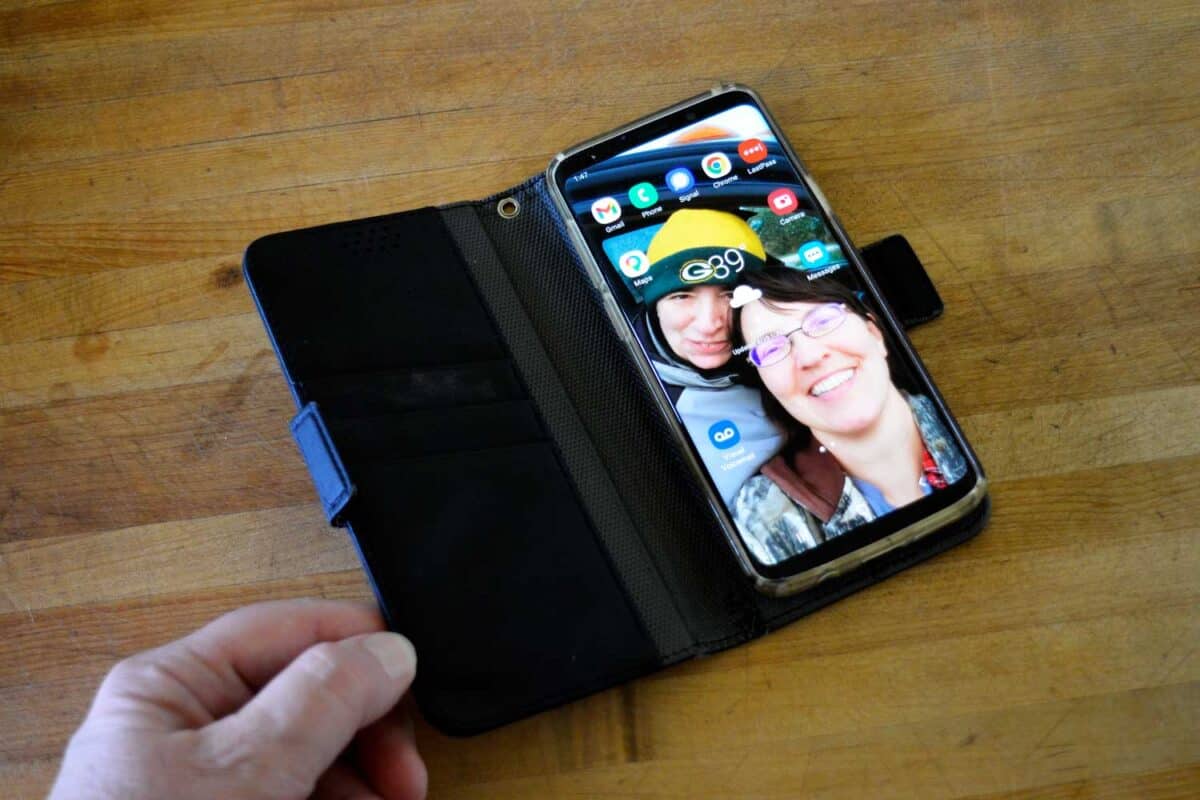
- Use EMF reducing phone covers. (Duncan and I both have phone covers from DefenderShield, which cut the EMFs by about half on our phones.)
- Keep laptops off your lap when possible, and use EMF blocking laptop pads
We have a solar electric system, and the inverter and batteries are currently inside our home. (We’re building an outbuilding for them later this year.) Though EMF exposure is fairly high within inches of the devices, it drops off very quickly a few steps away.
3. Reduce Wireless Where You Can
- Use wired internet instead of Wi-Fi. If you have Wi-Fi on in your home, reduce the power to minimum functional levels.
- Turn off Bluetooth when not needed
- Limit “always-on” smart devices and appliances
- Don’t wear Fitbits or other Bluetooth health monitors (my mother in law started getting dizzy spells when she tried to wear one)
My eldest son turned up the Wi-Fi when we had family visiting who were constantly on their phones. A couple days after the gathering, Duncan and I both noticed we were having headache issues. He turned the router back to the lowest setting, and the headaches went away.
4. Be Mindful of High-Exposure Areas
- Avoid sleeping near breaker boxes or large appliances
- Be aware of proximity to power lines or high voltage transmission lines
5. Manage Smart Meter Exposure
- Increase distance from the meter (especially bedrooms on shared walls)
- Consider shielding options if appropriate
6. Unplug When Not in Use
Even when off:
- Devices still produce electric fields
- Unplugging reduces background exposure
If you want a clearer picture of your EMF exposure, get an EMF meter. We got a TriFeld hand held EMF meter and it’s easy to use and provide clear feedback.
Final Thoughts on EMF Exposure
Electricity has brought incredible benefits. But like many modern conveniences, it may come with trade-offs we’re still learning to understand. It’s not about fear. It’s about awareness—and giving your body the best environment you can.
The genie is out of the bottle. There’s no going back to only natural EMF exposure for most of us living modern lives. That said, taking simple steps to lower your exposure—especially during sleep—makes common sense.

This article is written by Laurie Neverman. Laurie is a lifelong learner with a passion for natural remedies and holistic healing. She has a bachelor’s in math and physics and masters degree in mechanical engineering. She lives with her family in northeast Wisconsin, grid connected, with a 10 kW solar electric system.
P.S. – On the flip side, sometimes it’s the electronics that need protection. You can read about that in “EMP Protection: How to Protect Electronics and Prepare“.