
How to Soft Boil an Egg (Perfectly Cooked Every Time)

This post may contain affiliate links. Read my full disclosure here.
Learning how to soft boil an egg is gives you options in the kitchen. A well-made soft-boiled egg is perfect for dipping toast or adding protein to quick meals.
If you’ve already mastered hard-boiled eggs, soft boiling is the natural next step. The process is similar, but the timing is shorter and precision matters more. This guide walks you through everything you need to know, from choosing eggs to peeling and serving.
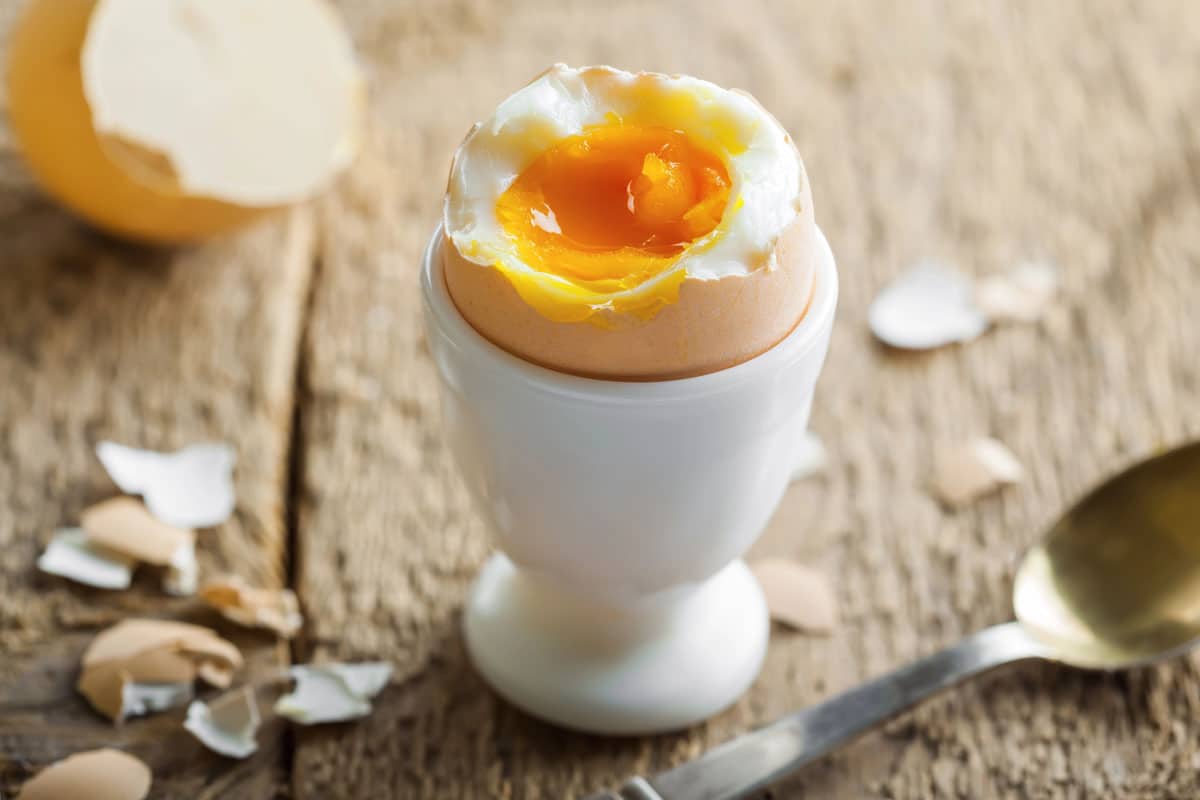
Table of contents
What Is a Soft-Boiled Egg?
A soft-boiled egg is cooked just long enough for the whites to set while the yolk remains partially or fully liquid. Depending on timing, you can get:
- Runny yolk – golden and fluid, ideal for dipping
- Jammy yolk – thick, spoonable, and custard-like
- Set whites – tender but fully cooked
The goal is control. Once you know how heat and time affect eggs, you can dial in your preferred result every time.
Choosing Eggs
Unlike hard-boiled eggs, fresh eggs are actually ideal for soft boiling. Very fresh eggs hold their shape better, giving you neater whites and a more attractive finished egg. (Fresh eggs are best for poaching, too.)
A few tips:
- Refrigerated eggs are fine — this guide assumes eggs straight from the fridge
- Large eggs are the standard size used for timing
- If using smaller or jumbo eggs, adjust cooking time slightly
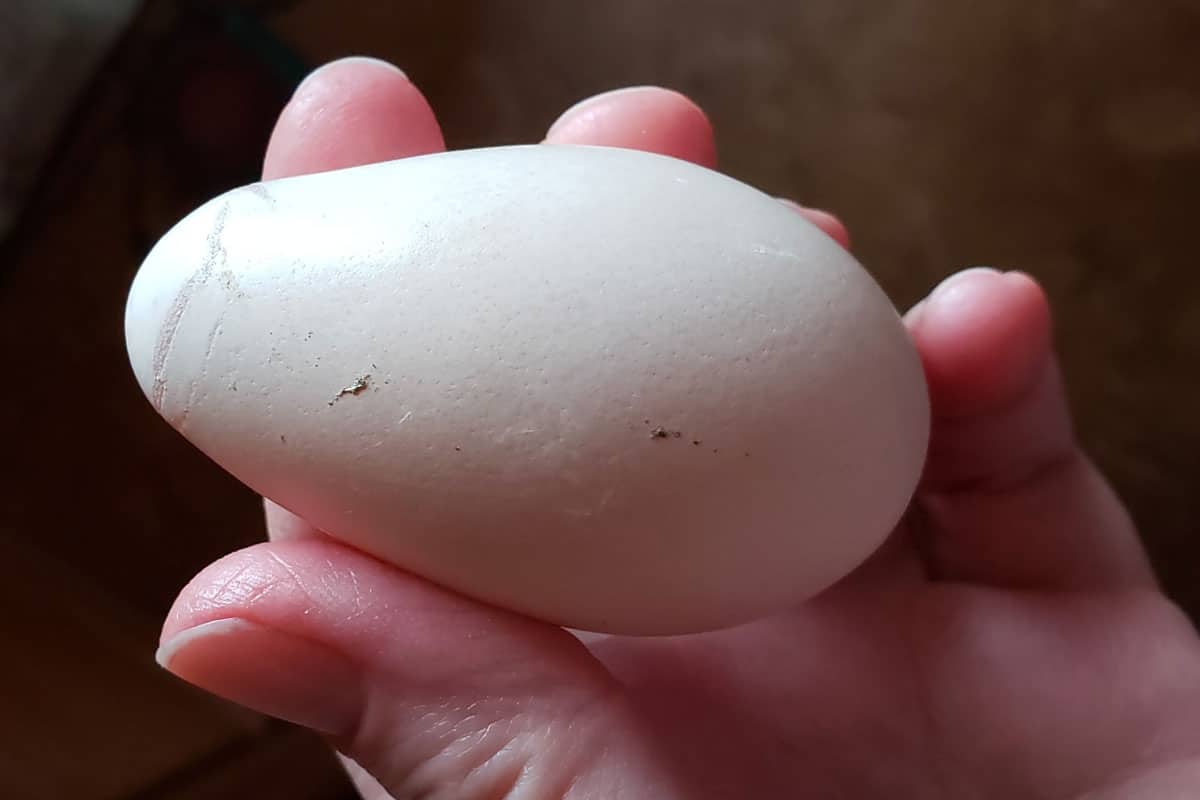
Skip using odd shaped eggs (like this one from one of our older hens). They often have thinner shells that are more likely to break during cooking.
Two Reliable Methods for Soft-Boiled Eggs
There are two common ways to soft boil an egg. Both work well; choose the one that feels easiest in your kitchen.
Method 1: Cold Water Start (Most Consistent)
This method closely mirrors hard-boiled egg cooking and is beginner-friendly.
Steps:
- Place eggs in a single layer in a saucepan.
- Cover with cold water, about 1 inch above the eggs.
- Bring the water to a gentle boiling water stage over medium-high heat.
- Once boiling begins, start your timer.
- When the timer ends, immediately transfer eggs to ice water.
Timing Guide (from the moment the water boils):
- 4 minutes: very runny yolk
- 5 minutes: runny center, softly set whites
- 6 minutes: jammy yolk
- 7 minutes: just-set yolk (borderline soft/medium)
Method 2: Lowering Eggs into Boiling Water (Faster)
This method gives very precise timing, but requires a little more care.
Steps:
- Bring a pot of water to a gentle boil.
- Lower eggs into the water with a spoon (to prevent cracking).
- Maintain a steady simmer.
- Start timing immediately.
- Transfer to ice water when done.
Timing Guide:
- 4–5 minutes: runny yolk
- 6 minutes: jammy yolk
- 7 minutes: mostly set yolk
This approach is popular in professional kitchens, but the cold-start method is often easier for home cooks.
Why the Ice Water Bath Matters
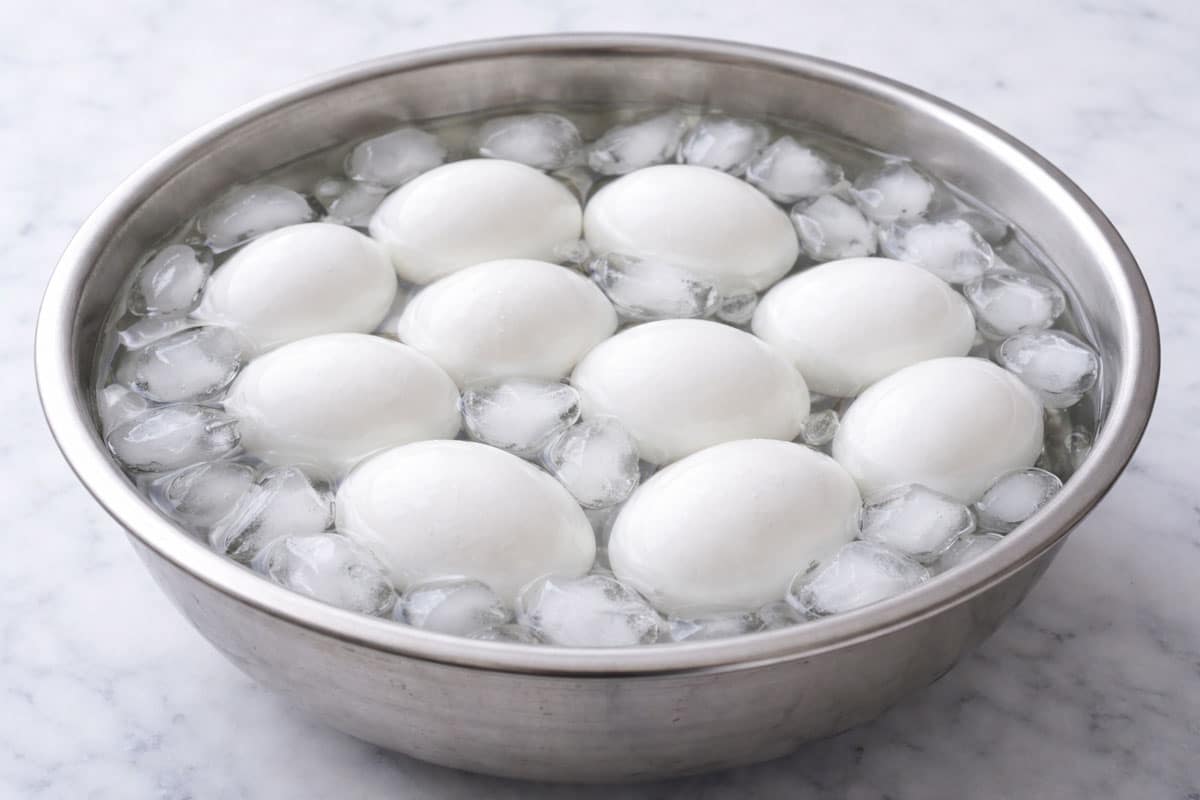
No matter which method you use, an ice water bath is helpful. It:
- Stops the eggs from continuing to cook
- Prevents over-set yolks
- Makes handling and peeling easier
Let the eggs sit in ice water for at least 2–3 minutes before serving or peeling.
Would you like to save this?
How to Peel a Soft-Boiled Egg
Soft-boiled eggs are more delicate than hard-cooked ones, so peeling requires a gentler touch.
Best peeling tips:
- Crack the shell all over by tapping lightly
- Start peeling at the wider end where the air pocket is
- Peel under running water to help loosen the membrane
- If serving in an egg cup, simply slice off the top instead of peeling
If you plan to peel completely, slightly longer cooking times (closer to 6 minutes) are easier to work with.
How Long Do Soft-Boiled Eggs Keep?
Soft-boiled eggs are best eaten right away. If needed:
- Store unpeeled eggs in the refrigerator for up to 24 hours
- Rewarm gently in hot (not boiling) water for 1–2 minutes
- Avoid reheating in the microwave — yolks can explode
Common Problems (and Fixes)
Whites are runny: Cook another 30–60 seconds next time.
Yolk too firm: Reduce cooking time slightly or cool more quickly in ice water.
Shell cracks: Start with cold water or lower eggs gently into boiling water.
Hard to peel: That’s normal. Serving in the shell avoids this issue entirely.
How to Soft Boil Duck Eggs
If you keep ducks or buy duck eggs locally, you can soft boil them — but they behave a little differently than chicken eggs. Duck eggs are larger, have thicker shells, and contain richer yolks, which means they need slightly more time to cook.
Key Differences Between Duck Eggs and Chicken Eggs
- Larger size means longer cooking time
- Thicker shells slow heat transfer
- Higher fat yolks create a creamier, more custard-like texture
- Stronger membranes can make peeling more difficult
The payoff is worth it: soft-boiled duck eggs have an especially luxurious yolk that’s excellent for dipping.
Soft-Boiled Duck Egg Timing
These times assume refrigerated duck eggs, using the cold water start method.
Once the water reaches a gentle boil, start timing:
- 6 minutes: runny yolk, softly set whites
- 7 minutes: jammy, custard-like yolk
- 8 minutes: mostly set yolk (approaching medium)
Duck eggs generally take about 2 minutes longer than large chicken eggs to reach the same doneness. As with chicken eggs, immediately transfer duck eggs to ice water to stop the cooking process and prevent the yolk from over-setting.
Peeling and Serving Duck Eggs
Because duck eggs have tougher membranes, peeling can be tricky — especially with soft-boiled eggs. Many people prefer to serve duck eggs in the shell, slicing off the top and scooping out the egg with a spoon.
Serving Ideas
Soft-boiled eggs are versatile and pair well with simple foods:
- Toast or sourdough soldiers
- Grain bowls and salads
- Ramen or broth-based soups
- Steamed vegetables or asparagus
Soft-Boiled vs. Hard-Boiled Eggs
If your goal is portable snacks, meal prep, or easy peeling, hard-boiled eggs are the better choice. (Hard cooking eggs in the Instant Pot is a good option for fresh eggs.) Soft-boiled eggs shine when freshness and the creamy texture are a priority.
Final Thoughts
Once you understand how to soft boil an egg, it becomes another tool in your meal planning kit. I like to use the soft yolks as a “sauce” to add richness and flavor to dishes. They’re a good way to add affordable protein to meals. When the flocks are laying lots of eggs, it’s good to have different ways to prepare them.

This article is written by Laurie Neverman. Laurie grew up in the kitchen, learning baking and home cooking from her momma. At age 15, she and her mom and two sisters created Irene’s Custom Cakes & Catering. This was her summer job through most of high school and college.