
Jerusalem Artichoke Benefits: Nutrition, Flavor, and Uses

This post may contain affiliate links. Read my full disclosure here.
When people hear “artichoke,” they usually picture a thistle bud on a plate. Those are globe artichokes, related to common thistles. Jerusalem artichoke benefits are all about a hardy perennial root vegetable.
Jerusalem artichokes, also known as sunchokes (Helianthus tuberosus), are knobby underground tubers harvested from a tall sunflower relative. While they look a bit odd at first glance, they’ve been used as food for centuries. They offer a surprising range of benefits, both in the garden and on the plate.
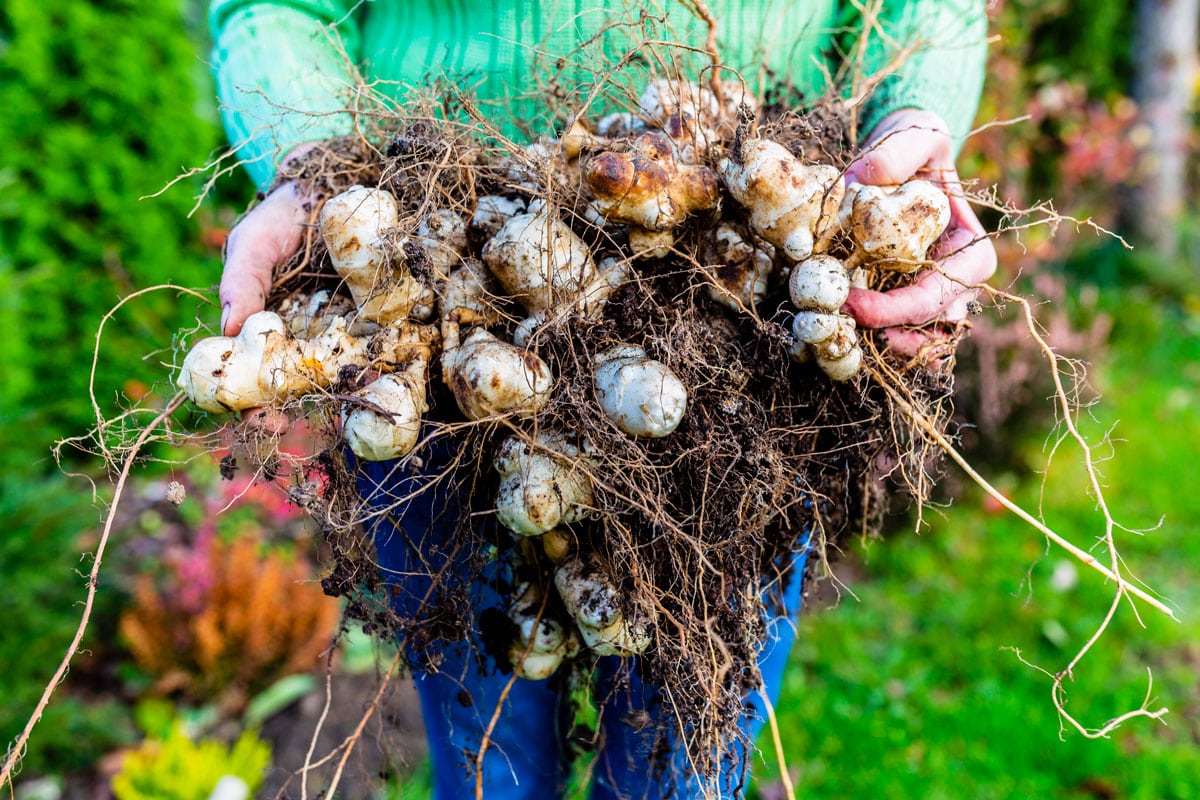
Table of Contents
A Native Root Vegetable with Deep Roots
Sunchokes are native to North America, where they were cultivated by Indigenous peoples long before European settlement. As a member of the sunflower family, the plant produces bright yellow blooms.
Unlike many modern root vegetables, sunchokes didn’t originate through intensive breeding or global transport. Their ability to thrive in poor soils makes them appealing for home gardeners focused on resilience.
Jerusalem Artichoke Benefits and Nutritional Value
When people talk about the health benefits of Jerusalem artichokes, the focus is usually on their unique carbohydrate profile. Sunchokes are rich in inulin, a type of soluble fiber that isn’t digested the same way as starch.
Because of this, they tend to have a gentler effect on blood sugar levels compared to potatoes or other starchy roots. This study suggests that eating them at breakfast is the best option for leveling out blood glucose levels.
They’re also:
- A modest source of iron
- Naturally free of gluten
- Supportive of blood pressure due to their potassium content
That said, sunchokes aren’t a miracle food — just a nutrient-dense option that fits well into a balanced diet. There are also a wide variety of folk remedy uses for sunchokes.
Gut Health and Prebiotic Benefits
One of the standout sunchoke benefits is their impact on gut health.
Inulin acts by acting as a prebiotic, meaning it feeds beneficial bacteria already present in the digestive system. A healthy gut microbiome plays a role in digestion, nutrient absorption, immune function, and overall wellness.
For people new to sunchokes, it’s best to start with small portions. Inulin can cause gas or bloating for some folks, especially when eaten in large amounts or for the first time.
Flavor and Texture: What Do Sunchokes Taste Like?
Sunchokes have a mild, slightly sweet, nutty flavor that works well in both raw and cooked dishes. Their texture often gets compared to familiar foods, which helps if you’re deciding how to use them.
When eaten raw, sunchokes are crisp and refreshing — similar to water chestnut or jicama, with a hint of earthiness. Thinly sliced raw Jerusalem artichokes add crunch to salads and slaws.
When cooked, they soften and take on a richer, more rounded flavor that pairs well with savory seasonings. Cooking also helps reduce the “fartichoke factor”.
Would you like to save this?
Cooking Sunchokes: Simple and Flexible
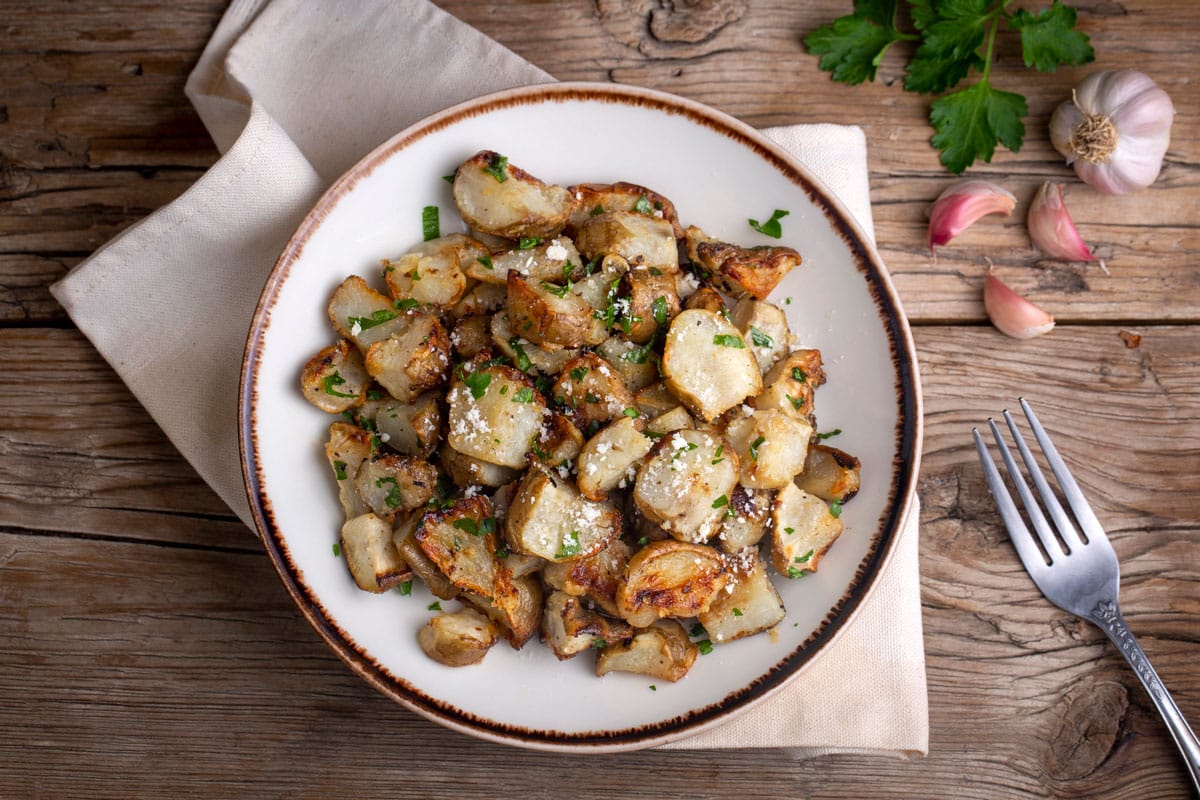
One of the easiest ways to prepare sunchokes is roasting sunchokes in the oven.
Toss scrubbed, chopped tubers with olive oil, salt, and your favorite herbs, then roast until golden and tender. Roasting enhances their natural sweetness and brings out that nutty undertone.
They can also be:
- Sautéed like potatoes
- Added to soups and stews
- Mashed or pureed
- Fermented for added gut benefits
Sunchokes pair nicely with flavors like garlic, rosemary, thyme, and even ginger root, which adds warmth and aids digestion.
See Jerusalem Artichoke Recipes for more cooking and prep tips.
Raw vs. Cooked: Which Is Better?
Both raw and cooked sunchokes have their place.
Eating them raw preserves maximum crunch and keeps the flavor light, while cooking makes them easier to digest for some people. Light cooking can reduce inulin’s gassy side effects while still retaining most nutritional benefits.
If you’re sensitive, try small portions of cooked sunchokes first, then experiment with raw preparations later.
Why You Rarely See Sunchokes at the Grocery Store
Despite their benefits, sunchokes aren’t common at the average grocery store. Their irregular shape, short shelf life, and limited consumer familiarity make them better suited to small-scale production.
You’re more likely to find them at:
- Farmers markets
- Specialty produce stores
- CSA boxes
- Home gardens
They are easy to grow in the garden – almost too easy. I explain how to grow them and what to avoid in the article “Before You Plant Sunchokes“.
A Resilient Food for Gardeners and Homesteaders
Beyond nutrition, one of the biggest sunchoke benefits is reliability. Once established, they produce heavily with minimal care and tolerate drought, cold, and neglect better than most crops.
For gardeners interested in food security, perennial crops, or expanding their range of homegrown foods, sunchokes are worth considering.
They may not be the prettiest root vegetable in the basket, but they earn their keep. As food for humans and livestock, they are nutritious and productive.

This article is written by Laurie Neverman. Laurie is a lifelong learner with a passion for natural remedies and holistic healing. She’s successfully improved her eyesight, cleared her psoriasis, and gotten off of prescription medication.